
Are you curious about what it really means to breed a dog? Whether you’re thinking about starting your own breeding journey or just want to understand the process better, knowing the basics is key.
Breeding a dog isn’t just about pairing two animals—it’s about making careful choices that affect the health, behavior, and future of puppies. You’ll discover what breeding involves, why it matters, and what you need to consider before taking this important step.
Keep reading to unlock the essential facts every dog lover should know.
Basics Of Dog Breeding
Breeding a dog means planning and producing puppies with good traits. It involves selecting parent dogs with strong health and good behavior.
People breed dogs to keep or improve certain qualities in the breed. It takes knowledge, care, and responsibility to breed dogs well.
Purpose Of Breeding
Breeding helps keep dog breeds healthy and true to their type. It can also improve traits like size, coat, or temperament.
Some breed dogs for work, such as herding or hunting. Others breed dogs to be good pets or show dogs.
- Maintain breed standards
- Enhance health and behavior
- Produce working or service dogs
- Create pets with good temperaments
Ethical Considerations
Ethics in dog breeding means caring for the health and welfare of the dogs. Breeders should avoid breeding dogs with genetic diseases.
Breeders must provide good homes, proper care, and avoid overbreeding. Respect for the animals is very important in all breeding plans.
- Screen for genetic health problems
- Provide clean and safe living conditions
- Do not breed dogs too often
- Find good homes for puppies
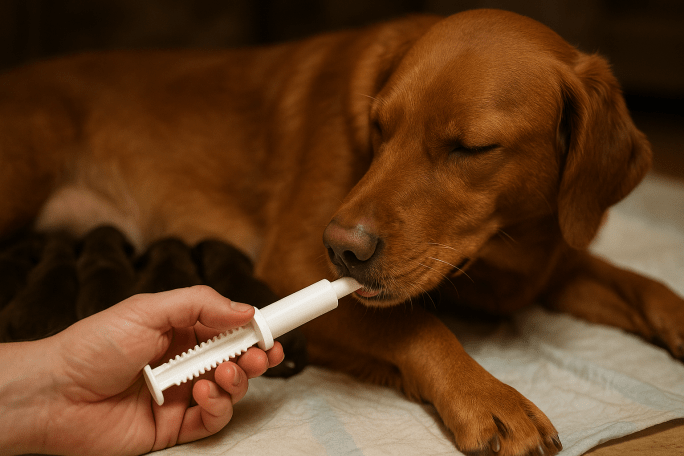
Credit: dremmanuelfontaine.com
Choosing The Right Dogs
Breeding a dog requires careful thought about the parents. The right dogs can help produce healthy puppies. Choosing well means looking at health, traits, and behavior.
This guide helps you select the best dogs for breeding. Focus on health and personality to get good results.
Selecting Healthy Parents
Healthy parents reduce the chance of passing diseases to puppies. Check the dog’s medical history and get tests done for common illnesses. Look for clear eyes, clean ears, and a shiny coat. Good weight and strong muscles show fitness.
- Review veterinary records
- Screen for genetic diseases
- Check vaccination status
- Assess physical condition
- Look for signs of parasites or infections
Evaluating Temperament And Traits
Temperament affects how puppies behave as adults. Choose dogs with calm and friendly nature. Avoid dogs that show fear or aggression. Also, match traits like size, coat, and energy level for better compatibility.
| Trait | Ideal Parent Characteristic |
| Temperament | Calm, friendly, confident |
| Size | Similar size for easier mating and healthy puppies |
| Coat | Compatible coat types for consistent puppy looks |
| Energy Level | Matching activity levels to suit lifestyle |
Preparing For Breeding
Breeding a dog is a serious task that needs careful planning. Preparing well helps keep both the mother and puppies healthy.
Before breeding, you must check the dog’s health and understand the right time to breed. This ensures the best results.
Health Checks And Vaccinations
Health checks make sure your dog is fit for breeding. A vet will check for diseases and any genetic problems.
Vaccinations protect your dog from infections during pregnancy. Keep all shots up to date before breeding.
- Schedule a full vet exam
- Test for common breed diseases
- Update all vaccinations
- Check parasite control
- Discuss any health concerns with your vet
Timing The Breeding Cycle
Knowing your dog’s heat cycle helps pick the best breeding time. This improves chances of pregnancy.
Dogs usually go into heat twice a year. Look for signs like swelling and behavioral changes.
- Track the start of the heat cycle
- Breed around days 10 to 14 of heat
- Monitor for ovulation signs
- Consult your vet for precise timing

Credit: pawswithacause.org
Breeding Methods
Breeding a dog means helping a male and female dog create puppies. There are different ways to do this. Some ways use natural behavior, while others use technology.
Choosing the right breeding method depends on many things. These include the dogs’ health, location, and the breeder’s goals.
Natural Mating
Natural mating is when a male dog and a female dog mate by themselves. This is the most common way dogs breed in nature.
The dogs must be healthy and in the right condition. The female should be in heat, which means she is ready to mate.
- Dogs find each other by smell and behavior
- The male mounts the female to mate
- Mating can last from a few minutes to over half an hour
- Natural mating allows the dogs to choose each other
Artificial Insemination
Artificial insemination is when a breeder collects sperm from a male dog. Then, the sperm is placed into the female’s reproductive tract by a person.
This method helps when natural mating is not possible. It also allows breeders to use sperm from distant or valuable male dogs.
- Sperm is collected using special tools
- The female may need a vet to help with insemination
- This method can increase the chance of pregnancy
- It helps avoid stress or injury to the dogs
Pregnancy And Whelping
Breeding a dog involves careful attention during pregnancy and whelping. Knowing the signs and how to care for the mother dog helps ensure healthy puppies.
Understanding each stage prepares you to support the dog through pregnancy and delivery safely.
Signs Of Pregnancy
Pregnant dogs show physical and behavioral changes. These signs help confirm pregnancy before a vet visit.
- Swollen nipples and increased size
- Reduced activity and more rest
- Changes in appetite, either more or less eating
- Weight gain over several weeks
- Morning sickness or vomiting in early pregnancy
Care During Pregnancy
Proper care supports the mother and growing puppies. Nutrition and comfort are key.
| Care Aspect | Details |
| Nutrition | Feed high-quality food with extra nutrients |
| Exercise | Light walks daily to keep muscles active |
| Vet Visits | Regular check-ups to monitor health |
| Rest | Provide a quiet, comfortable place for sleeping |
| Avoid Stress | Keep the environment calm and safe |
Preparing For Delivery
Get ready for the birth by setting up a whelping area and knowing what to expect during labor.
- Choose a quiet, warm space with clean bedding
- Gather supplies: towels, heating pad, and gloves
- Learn the signs of labor: restlessness and nesting
- Have the vet’s contact ready for emergencies
- Stay calm and support the mother during delivery
Caring For Newborn Puppies
Caring for newborn puppies is a rewarding experience. It requires attention and dedication to ensure their health and well-being.
Newborn puppies need proper care from their first day. Understanding their needs will help them grow into healthy dogs.
Feeding And Nutrition
Feeding newborn puppies is crucial for their development. They rely on their mother’s milk for essential nutrients.
- Ensure puppies nurse every 2-3 hours.
- Monitor their weight gain regularly.
- If needed, use a vet-recommended puppy formula.
Health Monitoring
Monitoring the health of newborn puppies helps catch issues early. Regular checks ensure they are growing well.
| Age (Weeks) | Weight Check | Vet Visit |
| 1 | Daily | No |
| 2-4 | Weekly | Yes |
| 5+ | Bi-weekly | Yes |
Socialization Basics
Socializing puppies helps them become well-adjusted dogs. Start introducing them to different environments slowly.
Legal And Financial Aspects
Breeding a dog involves many responsibilities. Knowing the legal and financial aspects is crucial for success.
Understanding regulations and managing costs can prevent issues. It also ensures a smooth experience for breeders and dogs.
Breeding Regulations
Breeders must follow specific rules and regulations. These ensure the safety and well-being of the animals.
- Register your breeding business with local authorities.
- Ensure all dogs have proper vaccinations.
- Comply with animal welfare standards.
Cost Management
Managing costs is vital for sustainable breeding. Understanding expenses helps in planning and budgeting.
| Expense Type | Estimated Cost |
| Veterinary Care | $200 – $500 |
| Food and Supplies | $50 – $100/month |
| Registration Fees | $100 – $200 |
Proper financial planning ensures the health and safety of your dogs.
Credit: writersweekly.com
Frequently Asked Questions
What Does Breeding A Dog Mean?
Breeding a dog involves selecting parent dogs to produce puppies with specific traits. It focuses on health, temperament, and appearance.
How Do I Start Breeding A Dog?
Begin by learning about genetics, dog health, and breed standards. Consult experienced breeders and veterinarians for guidance.
What Are The Risks Of Dog Breeding?
Risks include genetic defects, health problems, and behavioral issues. Responsible breeding reduces these risks through careful selection.
How Long Is A Dog’s Pregnancy?
A dog’s pregnancy lasts about 58 to 68 days. Proper care during this period is crucial for healthy puppies.
Conclusion
Breeding a dog takes time, care, and knowledge. It is not just about puppies. Healthy dogs and good planning matter most. Responsible breeders think about the dogs’ well-being first. They also consider the breed’s traits and health risks. Breeding can be rewarding but also challenging.
It needs patience and commitment every step of the way. Remember, breeding helps keep dog breeds strong and happy. Choose to breed with care and respect for the animals. This way, you support healthy dogs and happy families.

Emily Barker is the founder of ChillDogLife.com, a space dedicated to helping pup parents discover the best dog products, lifestyle tips, and cozy ideas for happier homes.
A lifelong dog lover, Emily combines her passion for pets with a knack for research to share trusted recommendations on everything from toys and furniture to health and everyday care.
Her goal is simple: to make life easier, stylish, and more joyful for dogs and the people who love them.




