
If your dog has diabetes, you’re probably wondering what a good glucose level looks like. Keeping your furry friend’s blood sugar in the right range is key to their health and happiness.
But what exactly should you aim for? Understanding this can help you take better care of your dog and avoid serious complications. You’ll find clear answers and practical tips to manage your diabetic dog’s glucose levels with confidence. Keep reading to learn how to give your dog the best life possible.

Credit: pet-supermarket.co.uk
Normal Glucose Range For Dogs
Understanding the normal glucose range for dogs helps pet owners manage their diabetic dog’s health. Glucose levels indicate how well a dog’s body controls blood sugar. Knowing these ranges supports better care and timely treatment.
Typical Levels In Healthy Dogs
Healthy dogs usually have blood glucose levels between 75 and 120 mg/dL. This range keeps their energy steady and organs functioning well. Levels below or above this range may signal health problems. Regular checks help ensure the dog stays within this normal range.
Variations In Diabetic Dogs
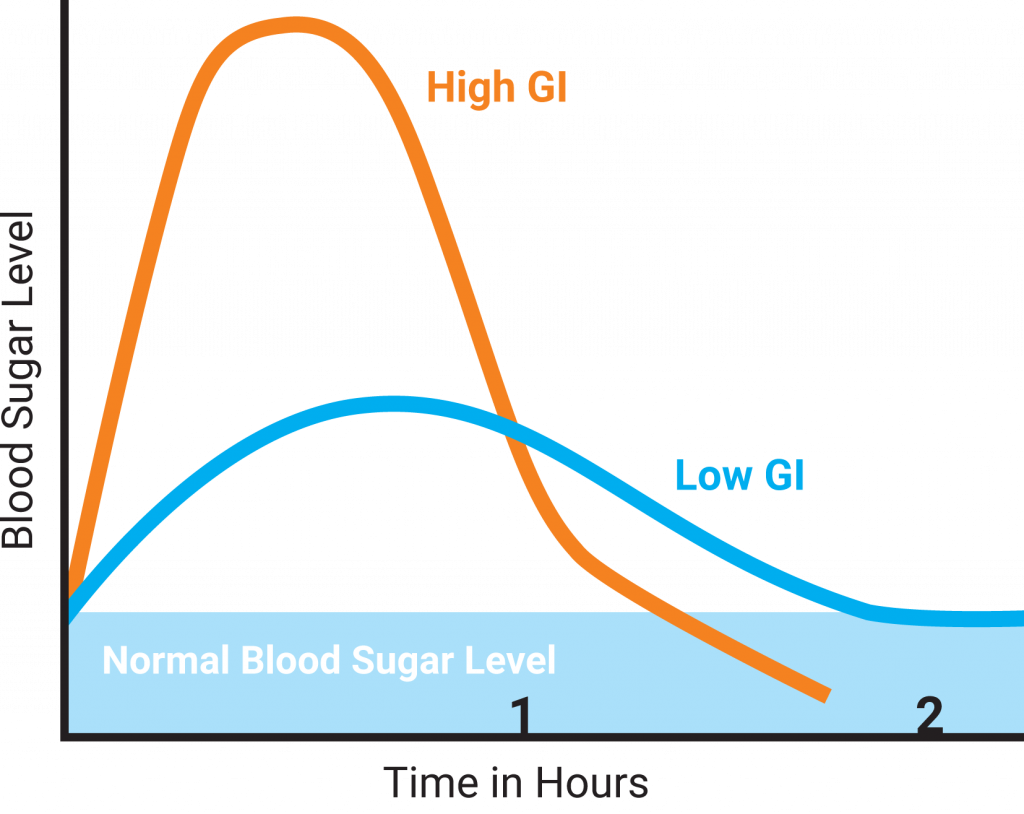
Diabetic dogs often have higher glucose levels than healthy ones. Their blood sugar can rise above 200 mg/dL if not treated properly. Insulin and diet help control these levels. The goal is to keep glucose as close to normal as possible. Sudden spikes or drops can be dangerous and need quick attention.
Factors Affecting Glucose Levels
Understanding the factors that affect your diabetic dog’s glucose levels is key to managing their condition effectively. These factors can cause fluctuations that might confuse you or disrupt your dog’s health if not monitored closely. Knowing what influences glucose helps you keep levels steady and your dog comfortable.
Diet And Feeding Schedule
Your dog’s diet plays a huge role in controlling glucose levels. Consistent meal times and balanced nutrition help maintain steady blood sugar throughout the day.
Try feeding your dog the same type and amount of food at regular intervals. Sudden changes in diet or irregular feeding can cause spikes or drops in glucose, making management tricky.
Have you noticed how certain treats or snacks impact your dog’s energy or mood? Those could be clues to how their glucose reacts to specific foods.
Exercise And Activity
Physical activity affects glucose by using up sugar for energy, which lowers blood sugar levels. Regular, moderate exercise can help keep glucose stable.
However, too much or sudden intense activity can cause unexpected drops, leading to hypoglycemia. You need to find the right balance based on your dog’s energy and health.
Observe your dog’s response to walks, playtime, or other activities. Does their energy drop afterward? This insight helps you adjust exercise to better control glucose.
Stress And Illness
Stress and illness can cause your dog’s glucose levels to rise unpredictably. Just like in humans, stress triggers hormone changes that affect blood sugar.
If your dog is anxious, scared, or sick, expect fluctuations. This makes it important to monitor levels more closely during these times.
Think about your dog’s behavior during vet visits or after a stressful event. Managing their environment and health can reduce these spikes and keep glucose steadier.
Signs Of Abnormal Glucose Levels
Recognizing the signs of abnormal glucose levels in your diabetic dog is crucial for managing their health effectively. Both high and low blood sugar can lead to serious complications if left unchecked. Knowing what symptoms to watch for helps you act quickly and keep your furry friend comfortable and safe.
Symptoms Of High Blood Sugar
High blood sugar, or hyperglycemia, often shows through noticeable changes in your dog’s behavior and body functions. You might see your dog drinking and urinating more than usual. Excessive thirst can lead to dehydration if not addressed.
Other signs include:
- Increased hunger but weight loss despite eating more
- Weakness or lethargy, where your dog seems unusually tired or slow
- Cloudy eyes or signs of cataracts developing
- Dry mouth and skin, sometimes with a sweet, fruity breath odor
If you notice these symptoms, ask yourself: is your dog acting differently than usual? Promptly checking glucose levels can prevent a crisis.
Symptoms Of Low Blood Sugar
Low blood sugar, or hypoglycemia, can be just as dangerous and often requires immediate attention. You might observe sudden weakness or trembling. Your dog could also seem confused or disoriented.
Other common signs include:
- Seizures or fainting spells
- Unusual restlessness or irritability
- Cold paws and body, sometimes with a pale tongue or gums
- Rapid heart rate or shallow breathing
Have you ever seen your dog suddenly collapse or behave oddly? These could be signs of low blood sugar needing urgent care. Always keep a fast sugar source handy, like honey or glucose gel, especially during insulin treatment.
Credit: www.mycalibra.ae
Monitoring Glucose At Home
Monitoring glucose levels at home is vital for managing a diabetic dog’s health. Regular checks help keep blood sugar within a safe range. Early detection of highs or lows can prevent serious problems. Home monitoring also gives you peace of mind and helps your vet adjust treatments effectively.
Using Glucose Meters
Glucose meters designed for pets provide quick and accurate readings. These devices require a small blood sample, usually from the ear or paw pad. Test strips must be compatible with the meter. Follow the instructions carefully to avoid errors. Clean the sampling site before testing to reduce infection risk. Glucose meters are portable and easy to use at home.
Frequency Of Testing
Testing frequency depends on your dog’s condition and treatment plan. Most diabetic dogs need checks two to four times daily. Test before meals and insulin shots for best results. Frequent testing helps catch sudden changes early. Adjust testing times based on vet advice and your dog’s response to treatment. Consistency is key to effective glucose control.
Recording And Tracking Results
Keep a detailed log of all glucose readings. Note the date, time, and any unusual behavior or symptoms. Use a notebook or digital app for tracking. This record helps spot trends and patterns over time. Share the log with your vet at appointments. Accurate records improve treatment decisions and your dog’s health outcomes.
Managing Glucose Levels
Managing glucose levels in diabetic dogs is a daily commitment that requires attention and care. Keeping your dog’s blood sugar within a healthy range can prevent serious complications and improve their quality of life. You might wonder how to balance treatment and lifestyle to achieve this—let’s break down the key approaches.
Insulin Therapy
Insulin injections are often necessary for diabetic dogs to regulate their blood sugar. The dosage and timing must be consistent to avoid dangerous highs or lows. Have you noticed how your dog reacts after insulin shots? Monitoring their behavior can give you clues about how well the therapy is working.
Working closely with your vet to adjust insulin based on regular glucose testing ensures your dog stays stable. Never change doses without professional advice, as this can be risky. Keeping a log of insulin times and amounts helps track progress and spot issues early.
Dietary Adjustments
Food plays a huge role in managing your dog’s glucose. High-fiber, low-fat diets with consistent carbohydrate levels help prevent blood sugar spikes. Do you check the labels on your dog’s food? Choosing the right diet isn’t just about what they eat, but also when they eat it.
Feed your dog at the same times each day, matching meal schedules with insulin injections. Avoid giving extra treats or table scraps that can throw off glucose balance. Some owners find that home-cooked meals tailored to their dog’s needs work better, but always discuss this with your vet.
Regular Exercise
Exercise helps your dog use glucose more efficiently and can improve insulin sensitivity. Short, consistent walks are better than irregular bursts of activity. Have you observed how your dog’s energy changes with daily walks?
Be cautious not to over-exercise, as intense activity may cause blood sugar to drop too low. Find a routine that fits your dog’s energy levels and stick to it. Regular exercise also supports overall health, which is crucial for managing diabetes effectively.

Credit: www.urbanpethospital.com
When To Contact The Vet
Knowing when to contact the vet is crucial for managing your diabetic dog’s health. Monitoring glucose levels helps you spot problems early. Some signs require immediate veterinary care. Others call for regular check-ups to keep diabetes under control. Acting quickly can prevent complications and improve your dog’s quality of life.
Emergency Signs
- Severe weakness or collapse
- Repeated vomiting or diarrhea
- Seizures or trembling
- Excessive panting or difficulty breathing
- Sudden blindness or disorientation
- Glucose levels below 70 mg/dL or above 350 mg/dL
These symptoms can signal dangerous low or high blood sugar. Immediate veterinary attention is essential to avoid life-threatening issues.
Routine Check-ups
Regular vet visits help track your dog’s glucose control. Your vet will:
- Check blood sugar trends
- Adjust insulin doses if needed
- Examine overall health
- Discuss diet and exercise plans
- Test for diabetes-related complications
Routine exams ensure your dog stays stable and healthy. Schedule visits as your vet recommends to maintain balance.
Frequently Asked Questions
What Is The Normal Glucose Level For Dogs?
A normal glucose level for dogs typically ranges between 80 to 120 mg/dL. For diabetic dogs, maintaining a level between 100 to 250 mg/dL is crucial. Regular monitoring and consulting with a veterinarian can ensure your dog’s glucose levels remain within a healthy range.
How Often Should I Check My Dog’s Glucose?
It’s recommended to check your diabetic dog’s glucose levels daily. Regular monitoring helps in adjusting insulin doses effectively. Frequent checks ensure your dog’s glucose remains stable, preventing complications. Consult your vet for a tailored monitoring schedule.
Can Diet Affect My Dog’s Glucose Levels?
Yes, diet plays a crucial role in managing glucose levels. A balanced diet, rich in fiber and low in simple carbohydrates, helps stabilize glucose levels. Consult your veterinarian for a diet plan suitable for your diabetic dog.
What Symptoms Indicate High Glucose In Dogs?
Symptoms of high glucose in dogs include excessive thirst, frequent urination, and weight loss. Lethargy and vomiting can also be indicators. If you notice these signs, consult your vet immediately for proper diagnosis and treatment.
Conclusion
Maintaining a good glucose level helps keep diabetic dogs healthy. Regular checks and proper insulin doses are key. Balanced food and exercise also support steady glucose. Watch your dog closely for changes in behavior or appetite. Talk to your vet about the best care plan.
Small steps can make a big difference in your dog’s life. Stay patient and consistent with treatment. Your dog’s health depends on your careful attention every day.

Emily Barker is the founder of ChillDogLife.com, a space dedicated to helping pup parents discover the best dog products, lifestyle tips, and cozy ideas for happier homes.
A lifelong dog lover, Emily combines her passion for pets with a knack for research to share trusted recommendations on everything from toys and furniture to health and everyday care.
Her goal is simple: to make life easier, stylish, and more joyful for dogs and the people who love them.




