
Have you ever caught your puppy munching on adult dog food and wondered if it’s okay? You might worry about whether this could harm your furry friend or affect their growth.
Understanding what happens when a puppy eats adult dog food is important for keeping your pet healthy and happy. You’ll discover the risks, what you should watch out for, and simple steps to make sure your puppy gets the right nutrition.
Keep reading to learn how to protect your puppy’s health and avoid common feeding mistakes.
Credit: www.purina.com
Differences Between Puppy And Adult Dog Food
Puppies and adult dogs need different foods to stay healthy. Puppy food has more nutrients to help them grow.
Adult dog food is made for dogs that are fully grown. Feeding the wrong food can cause problems.
Nutritional Needs Of Puppies
Puppies need extra protein and fat to build strong muscles and bones. They also need more vitamins and minerals.
These nutrients help puppies grow fast and stay healthy during their first months of life.
- High protein for muscle growth
- More fat for energy
- Added calcium and phosphorus for bones
- Essential vitamins for development
Ingredients In Adult Dog Food
Adult dog food has fewer calories and less protein than puppy food. It focuses on maintaining health, not growth.
The fat and calcium levels are lower to prevent weight gain and bone problems in adult dogs.
- Moderate protein for maintenance
- Lower fat to control weight
- Balanced minerals for adult health
- Ingredients to support digestion
Impact On Growth And Development
If a puppy eats adult dog food, it may not get enough nutrients. This can slow down growth and cause health issues.
Puppies need the right balance of nutrients to build bones and muscles. Adult food can lack these important elements.
- Risk of poor bone development
- Weaker muscles and slower growth
- Possible nutrient deficiencies
- Less energy for active puppies
Credit: www.thinkjinx.com
Potential Risks Of Feeding Adult Food To Puppies
Puppies need special food to grow healthy and strong. Adult dog food is made for dogs that are full-grown.
Feeding puppies adult food can cause problems with their health. It is important to know what risks are involved.
Digestive Issues
Puppies have sensitive stomachs that need gentle care. Adult food can be hard for them to digest.
Eating adult food may cause vomiting, diarrhea, or upset stomach. This can make puppies feel weak and uncomfortable.
- Adult food has more protein and fat than puppy food
- Puppies may get stomach pain or gas
- Digestive upset can lead to dehydration
Nutrient Deficiencies
Puppies need extra vitamins and minerals to grow their bones and muscles. Adult food may not have enough of these nutrients.
Missing key nutrients can slow down growth and affect the puppy’s immune system. This can cause health problems later.
- Adult food has less calcium and phosphorus
- Puppies need more DHA for brain and eye development
- Adult food may lack enough energy for active puppies
Long-term Health Effects
Feeding puppies adult food for a long time can cause lasting damage. Their bones might not grow properly.
Adult food can lead to joint problems, weak muscles, and poor body condition. This affects the puppy’s life quality.
- Weak bones raise risk of fractures
- Poor muscle growth reduces strength
- Long-term nutrient gaps may cause illness
Signs Your Puppy Ate Adult Dog Food
Puppies need special food to grow strong and healthy. Adult dog food has different nutrients. Sometimes puppies eat adult food by mistake.
It is important to watch for signs that your puppy ate adult dog food. These signs can help you know if your puppy is okay or needs help.
Behavioral Changes
Your puppy may act differently after eating adult food. They might seem tired or less playful than usual. Puppies usually have lots of energy.
Some puppies become restless or irritable. They may also show less interest in their toys or food. Watch for any unusual behaviors.
- Low energy and tiredness
- Restlessness or irritability
- Loss of appetite
- Less interest in play
Physical Symptoms
Eating adult dog food can cause stomach upset in puppies. You might see vomiting or diarrhea. These are common signs of digestive trouble.
Your puppy may also have a bloated belly or gas. Some puppies show signs of dehydration like dry gums or sunken eyes. Watch their stool and bathroom habits.
- Vomiting
- Diarrhea
- Bloating or gas
- Dehydration signs
- Changes in urination
When To Seek Veterinary Help
If your puppy shows severe symptoms, call your vet right away. Long vomiting or diarrhea can cause serious problems. Puppies are more fragile than adult dogs.
Also seek help if your puppy stops eating for more than a day. If they are very weak or have trouble breathing, get emergency care. Quick action can save your puppy’s health.
- Persistent vomiting or diarrhea
- Refusal to eat for over 24 hours
- Extreme weakness or lethargy
- Difficulty breathing
- Signs of dehydration
Immediate Steps To Take After Ingestion
If your puppy eats adult dog food, you should act quickly. Adult food has more nutrients that may be hard for a puppy to digest.
Watch your puppy closely and make smart diet changes to keep them safe. Knowing what to do helps prevent health problems.
Monitoring Your Puppy
Look for signs like vomiting, diarrhea, or stomach pain. These symptoms can appear within a few hours after eating adult food.
Keep an eye on your puppy’s behavior and energy levels. If they seem weak or tired, note it carefully.
- Check for upset stomach signs
- Watch for changes in energy or mood
- Note any vomiting or loose stools
Hydration And Diet Adjustments
Make sure your puppy drinks plenty of water. Hydration helps flush their system and ease digestion.
Switch back to puppy food as soon as possible. Puppy food has the right nutrients for growth and health.
- Provide fresh water at all times
- Offer small, frequent meals of puppy food
- Avoid giving more adult dog food
Consulting A Veterinarian
Contact your vet if your puppy shows bad symptoms or if you are unsure about their health. Early care is best.
The vet can give advice or treatment to protect your puppy’s health. Do not delay if the puppy is very sick.
- Call your vet for guidance
- Describe the symptoms clearly
- Follow vet instructions closely
Preventing Future Incidents
It is important to stop puppies from eating adult dog food. Adult food can cause health problems for young dogs. Taking simple steps helps keep your puppy safe and healthy.
By setting good habits early, you can avoid feeding mistakes. Use these tips to prevent your puppy from eating the wrong food.
Proper Food Storage
Store adult dog food in a place your puppy cannot reach. Use containers with tight lids to keep food fresh and safe. Keep puppy food separate from adult food.
- Use high shelves or locked cabinets
- Keep food in airtight containers
- Clean up any spilled food quickly
Feeding Schedules And Portions
Feed your puppy on a set schedule to avoid free feeding. Measure the right amount of food for your puppy’s age and size. This helps prevent overeating or eating the wrong food.
- Feed puppies 3 to 4 times a day
- Use a measuring cup for accuracy
- Remove food after 20 minutes
Training And Supervision
Train your puppy to eat only their food. Use commands like “leave it” to stop unwanted eating. Watch your puppy during feeding times to keep them safe.
- Teach basic commands early
- Supervise your puppy around food
- Reward good behavior with praise
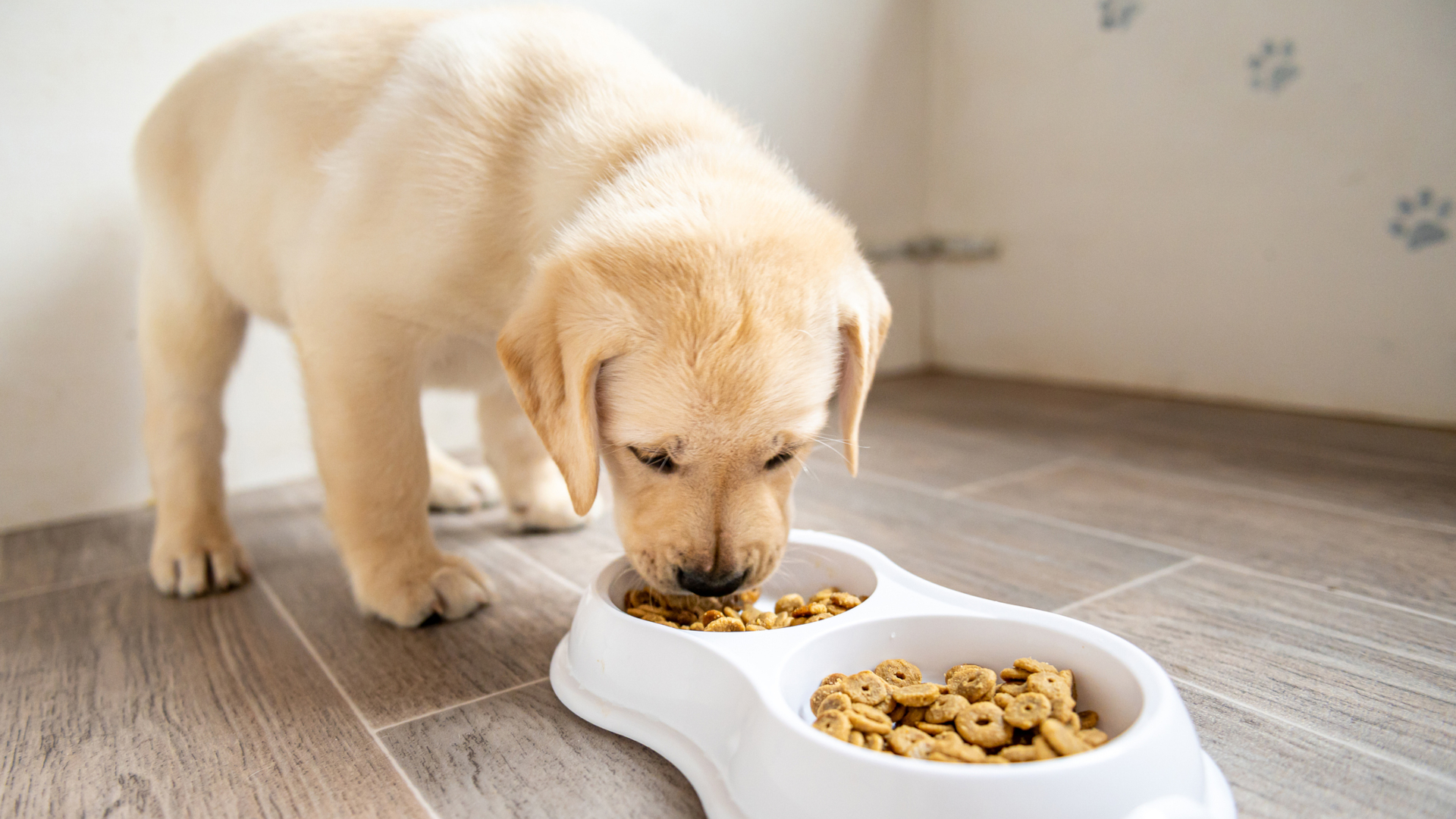
Credit: www.petsradar.com
Choosing The Right Food For Your Puppy
Feeding your puppy the right food is important for its growth. Puppies need specific nutrients to develop healthily.
Choosing the right food can be confusing with so many options available. This guide will help you make the best choice.
Reading Pet Food Labels
Pet food labels can tell you a lot about what’s inside. Look for foods that list meat as the first ingredient.
- Check for essential vitamins and minerals.
- Avoid foods with too many fillers.
- Ensure the food is specifically made for puppies.
Recommended Puppy Diets
Puppies need a diet rich in protein and fat. This helps them grow strong muscles and maintain energy.
| Age | Protein (%) | Fat (%) |
| 8-12 weeks | 22-32 | 10-25 |
| 3-6 months | 22-28 | 10-20 |
| 6-12 months | 20-26 | 10-18 |
Transitioning Between Foods
Switching foods should be done slowly to avoid upsetting your puppy’s stomach. Gradually mix the new food with the old.
- Start with 25% new food and 75% old food.
- After a few days, mix 50% new and 50% old.
- Then, move to 75% new and 25% old.
- Finally, switch to 100% new food.
Frequently Asked Questions
What Happens If A Puppy Eats Adult Dog Food?
Puppies may miss essential nutrients if fed adult dog food. Growth and development can slow down. Adult food lacks necessary calories and vitamins for puppies. Occasional intake isn’t harmful but avoid long-term feeding to ensure proper growth.
Can Adult Dog Food Harm A Puppy’s Health?
Adult dog food isn’t toxic but lacks balanced nutrients for puppies. Feeding it regularly can cause digestive upset and nutritional deficiencies. Puppies need higher protein, fat, and calcium levels for healthy bones and muscles. Use puppy-specific food to avoid health risks.
How To Transition A Puppy From Adult To Puppy Food?
Gradually mix puppy food with adult food over 7-10 days. Increase puppy food portion daily while decreasing adult food. Monitor your puppy’s digestion and energy levels. This approach helps avoid stomach upset and ensures smooth dietary change.
Why Is Puppy Food Better Than Adult Dog Food?
Puppy food contains higher protein, fat, and essential nutrients for growth. It supports immune system development and brain function. Adult dog food lacks these tailored nutrients, making it unsuitable for puppies. Feeding puppy food promotes healthy development and strong bones.
Conclusion
Puppies need food made just for them. Adult dog food lacks some important nutrients. Eating adult food once won’t cause harm. Regularly eating it can slow growth or cause health issues. Always choose puppy food for balanced nutrition. Watch your puppy’s eating habits closely.
Good food helps puppies grow strong and healthy. Feeding right today means a happy dog tomorrow.

Emily Barker is the founder of ChillDogLife.com, a space dedicated to helping pup parents discover the best dog products, lifestyle tips, and cozy ideas for happier homes.
A lifelong dog lover, Emily combines her passion for pets with a knack for research to share trusted recommendations on everything from toys and furniture to health and everyday care.
Her goal is simple: to make life easier, stylish, and more joyful for dogs and the people who love them.




