Have you ever wondered what happens if you give your adult dog puppy food? It might seem like a harmless choice, especially if your dog loves the taste.
But could it actually affect their health or well-being? Understanding the difference between puppy food and adult dog food is more important than you think. Keep reading to discover how feeding your adult dog puppy food could impact their energy, weight, and overall health—and what you should do to keep your furry friend happy and healthy.
Differences Between Puppy And Adult Dog Food
Puppy food and adult dog food serve different purposes. Each type matches the dog’s growth stage.
Feeding the wrong food can affect your dog’s health and energy. Understanding their needs is important.
Nutritional Needs Of Puppies
Puppies grow fast and need more nutrients to support development. Their food has higher calories and protein.
- More protein for muscle growth
- Higher fat content for energy
- Extra vitamins and minerals for bones and teeth
- Smaller kibble size for easier chewing
- Added DHA for brain and eye development
Nutritional Requirements Of Adult Dogs
Adult dogs need balanced nutrition to maintain health and weight. Their food has fewer calories than puppy food.
| Nutrient | Puppy Food | Adult Dog Food |
|---|---|---|
| Protein | 22% – 32% | 18% – 25% |
| Fat | 8% – 20% | 5% – 15% |
| Calories | Higher | Moderate |
| Vitamins & Minerals | Increased for growth | Balanced for maintenance |
| Kibble Size | Smaller | Larger |

Credit: www.youtube.com
Potential Risks Of Feeding Puppy Food To Adult Dogs
Giving your adult dog puppy food may seem harmless. Puppy food has extra nutrients for growing dogs. But adult dogs need a different balance of nutrients.
Feeding puppy food to adult dogs can cause health problems. It is important to know what risks are involved.
Weight Gain And Obesity
Puppy food has more calories and fat than adult dog food. Adult dogs do not burn these extra calories as fast. This can lead to weight gain.
Extra weight puts stress on joints and the heart. It can cause serious health issues like diabetes or arthritis.
- High calorie content in puppy food
- Lower energy needs for adult dogs
- Risk of gaining excess weight
- Possible development of obesity-related diseases
Digestive Issues
Puppy food is richer and can be harder to digest for adult dogs. This may cause stomach upset or diarrhea. Your dog’s digestion is used to adult formulas.
Sudden changes in diet can also cause vomiting or loose stools. It is best to feed the proper food to avoid these problems.
- Higher fat and protein levels
- Possible stomach discomfort
- Risk of diarrhea or vomiting
- Digestive system not adapted to puppy food
Nutrient Imbalance
Puppy food contains nutrients in different amounts. Adult dogs need less calcium and phosphorus than puppies. Too much can harm bones and kidneys.
Feeding puppy food long term may cause nutrient imbalances. This can affect your dog’s overall health and well-being.
- Excess calcium and phosphorus in puppy food
- Risk of kidney strain and bone problems
- Adult dogs need balanced nutrients for maintenance
- Long term feeding can cause health issues
When Puppy Food Might Be Beneficial For Adults
Sometimes adult dogs need more nutrition than regular adult food offers. Puppy food has extra nutrients that can help in certain cases.
Feeding puppy food to adult dogs is not always harmful. It depends on the dog’s condition and needs.
Growth Recovery And Illness
Adult dogs recovering from illness or surgery may need more calories and nutrients. Puppy food can support their healing process.
The extra protein and vitamins in puppy food help rebuild muscles and improve energy levels during recovery.
High Energy Demands
Active adult dogs or working dogs burn more energy daily. Puppy food can supply the extra calories and nutrients they need.
Dogs with high energy needs benefit from puppy food’s rich ingredients to stay strong and healthy.

Credit: www.becopets.com
Signs Your Adult Dog Needs Different Nutrition
Feeding your adult dog puppy food can cause nutritional problems. Adult dogs have different needs than puppies. Paying attention to your dog’s health helps keep them happy.
Look for signs that show your dog needs a change in diet. These signs often relate to weight, appetite, energy, and behavior.
Changes In Weight And Appetite
Puppy food has more calories and fat than adult dog food. Feeding it to an adult dog can cause weight gain. Your dog may also eat more or less than usual.
Watch for sudden weight changes or a loss of appetite. These signs mean your dog needs a diet made for adults.
- Unexplained weight gain or loss
- Eating much more or less food than usual
- Begging for food outside normal times
- Refusing to eat regular meals
Energy Levels And Behavior
Puppy food can give extra energy that adult dogs do not need. This may cause restlessness or hyperactivity. Some dogs may become tired or sluggish if nutrition is wrong.
Changes in mood or activity can mean your dog needs food designed for adults. Keep an eye on how your dog acts daily.
- Unusual hyperactivity or restlessness
- Lethargy or low energy levels
- Changes in sleep patterns
- Behavioral changes like irritability
Tips For Transitioning Dog Food Safely
Switching your adult dog to a different food needs care. Sudden changes can upset their stomach.
Use a slow, steady approach to help your dog adjust. Watch for signs of discomfort or allergies.
Gradual Food Changes
Change your dog’s food over several days. Mix the new food with the old food in small amounts.
- Start with 25% new food and 75% old food for three days.
- Then use 50% new food and 50% old food for three more days.
- Next, try 75% new food and 25% old food for three days.
- Finally, feed 100% new food after nine days.
Monitoring Health And Comfort
Watch your dog’s health during the food change. Look for changes in appetite, stool, or behavior.
| Sign | What to Do |
| Loose stools | Slow down the food change and give more time. |
| Vomiting | Stop new food and consult your vet. |
| Lack of appetite | Try mixing in tasty treats or warm the food slightly. |
| Normal behavior | Continue the transition as planned. |
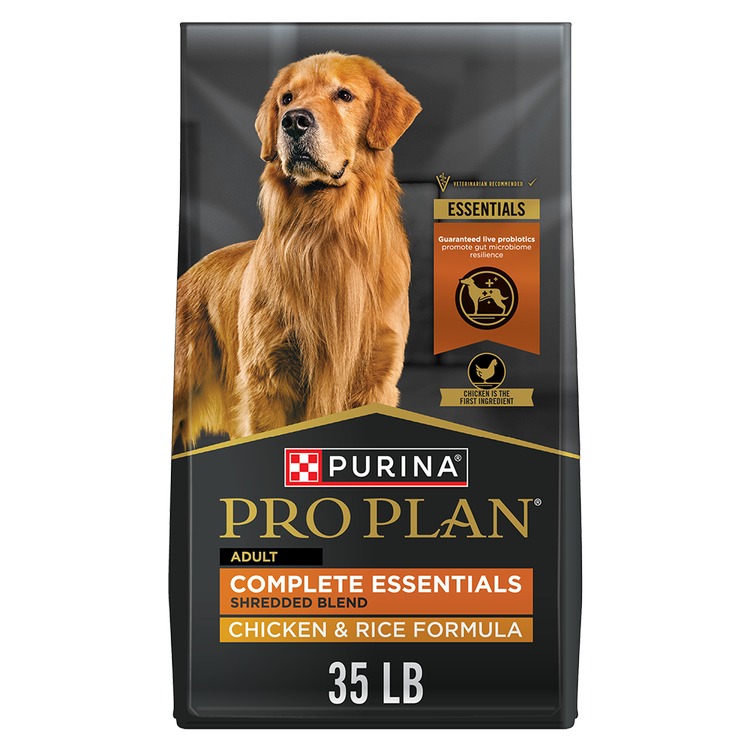
Credit: www.purina.com
Consulting Your Veterinarian
Feeding your adult dog puppy food may not be a good idea. Consulting your veterinarian is crucial for your pet’s health. They can provide advice tailored to your dog’s needs.
Your vet will consider your dog’s age, size, and health condition. This ensures your dog gets the right nutrients. Puppy food has different nutritional content than adult dog food.
Personalized Dietary Advice
Your veterinarian will give personalized dietary advice. This helps in choosing the right food for your dog. They know your pet’s health history.
Each dog has unique dietary needs. Your vet can suggest the best food type and portion size. Puppy food might not meet an adult dog’s nutritional requirements.
- Puppy food is high in calories
- Adult dogs need balanced nutrition
- Vet can recommend suitable food brands
Regular Health Checkups
Regular health checkups are important for your dog’s well-being. They help in monitoring your pet’s health and diet. Your vet can detect any issues early.
Checkups allow vets to adjust dietary plans if needed. This ensures your pet stays healthy and happy. They can spot signs of nutritional deficiencies quickly.
| Benefits of Regular Checkups | Details |
| Early Detection | Identifies health issues early |
| Diet Adjustments | Modifies diet plans as needed |
| Health Monitoring | Keeps track of overall health |
Frequently Asked Questions
Can Adult Dogs Eat Puppy Food Safely?
Adult dogs can eat puppy food occasionally, but it’s not ideal long-term. Puppy food is richer in calories and nutrients, which may cause weight gain and digestive issues in adults.
What Risks Come From Feeding Adult Dogs Puppy Food?
Feeding puppy food to adults may lead to obesity, nutrient imbalance, and digestive upset. The extra calories and fat can strain their organs and disrupt their diet.
How Does Puppy Food Affect Adult Dog Nutrition?
Puppy food has higher protein and fat levels for growth. Adult dogs require balanced nutrients, so puppy food can cause excess intake and potential health problems.
Can Feeding Puppy Food To Adults Cause Digestive Issues?
Yes, adult dogs may experience diarrhea, vomiting, or stomach discomfort from puppy food. Their digestive systems are not designed for the rich, calorie-dense formula meant for puppies.
Conclusion
Feeding adult dogs puppy food sometimes causes upset stomachs. Puppy food has extra nutrients meant for growing dogs. Adult dogs do not need these extra calories daily. Over time, this can lead to weight gain. It may also cause digestive problems or nutrient imbalances.
Sticking to adult dog food helps keep your dog healthy. Always check with your vet before changing diets. Your dog will feel better with the right food. Choose meals made for their age and size. This keeps tails wagging and spirits high.
Simple, balanced nutrition supports a long, happy life.

Emily Barker is the founder of ChillDogLife.com, a space dedicated to helping pup parents discover the best dog products, lifestyle tips, and cozy ideas for happier homes.
A lifelong dog lover, Emily combines her passion for pets with a knack for research to share trusted recommendations on everything from toys and furniture to health and everyday care.
Her goal is simple: to make life easier, stylish, and more joyful for dogs and the people who love them.




