
If your dog is constantly scratching, biting, or licking their skin, it’s likely they’re dealing with skin allergies. You want to help your furry friend feel comfortable again, but did you know that certain foods could be making their condition worse?
Understanding what food to avoid for a dog with skin allergies is the first step to easing their discomfort. You’ll discover the common ingredients that might be triggering your dog’s skin problems—and what you can do to protect your pet’s health.
Keep reading to find out how simple changes in your dog’s diet can make a big difference in their well-being.
Common Food Allergens For Dogs
Dogs with skin allergies often react to certain foods. Identifying these common allergens helps reduce discomfort. Food allergies cause itching, redness, and hair loss in dogs. Avoiding these foods can ease symptoms and improve skin health.
Proteins That Cause Reactions
Proteins are the main cause of food allergies in dogs. Common protein allergens include:
- Beef
- Chicken
- Lamb
- Fish
- Eggs
- Pork
These proteins appear in many dog foods. Dogs can develop sensitivity after eating these proteins for months or years. Switching to novel proteins like duck or venison may help.
Grains And Fillers To Watch
Grains can trigger allergies or sensitivities in some dogs. Corn, wheat, and soy are common offenders. These ingredients serve as fillers in many commercial diets. They may cause itching, digestive upset, or skin inflammation.
Grain-free diets sometimes help, but not all dogs need them. Always observe your dog’s reaction to grains carefully.
Dairy Products And Sensitivities
Dairy often causes skin problems in dogs. Milk, cheese, and yogurt contain lactose. Many dogs lack the enzyme to digest lactose properly. This leads to skin irritation and digestive issues.
Avoid dairy if your dog shows signs of allergy. Lactose-free alternatives exist but consult your vet before changes.
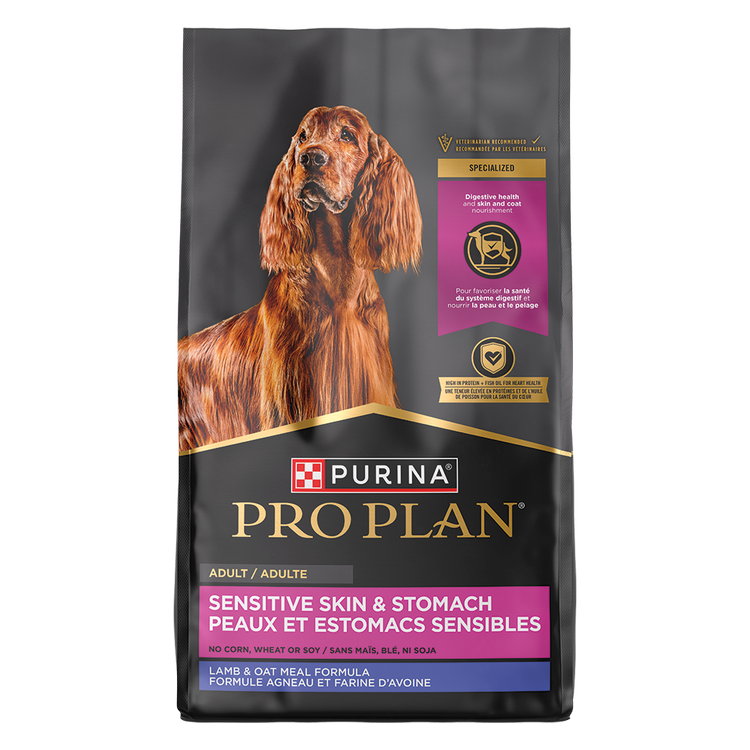
Credit: www.purina.com
Symptoms Linked To Food Allergies
Food allergies in dogs can trigger a range of symptoms. These signs often affect the skin, digestion, and behavior. Recognizing these symptoms helps pet owners manage their dog’s health better. Early detection is key to improving a dog’s comfort and well-being.
Skin Irritations And Itching
Dogs with food allergies often show red, inflamed skin. Constant scratching or biting at the skin is common. You may notice hair loss or scabs in certain areas. These reactions usually appear on the paws, ears, and belly. Persistent itching can lead to infections if untreated.
Digestive Issues
Food allergies can upset a dog’s stomach. Diarrhea and vomiting are common signs. Some dogs may also have gas or bloating. Loss of appetite or weight loss might occur. These symptoms affect the dog’s overall health and energy.
Behavioral Changes
Uncomfortable dogs may act differently. They can become restless or irritable. Some dogs hide or avoid contact. Changes in sleep patterns are also possible. These behaviors often result from ongoing discomfort or pain.
Ingredients Often Found In Dog Food
Dog food contains many ingredients. Some can trigger skin allergies in dogs. Knowing these ingredients helps you choose better food. Avoiding certain foods can reduce itching and irritation. Many dog owners miss hidden allergens in food labels. Understanding common problem ingredients is key for healthier skin.
Artificial Additives And Preservatives
Artificial additives often cause allergic reactions in dogs. These include:
- Coloring agents
- Flavor enhancers
- Preservatives like BHA, BHT, and ethoxyquin
These chemicals can irritate your dog’s skin. They may worsen existing allergies. Choosing dog food without artificial additives is safer. Natural ingredients reduce the risk of skin problems.
Common Protein Sources In Commercial Food
Protein is essential but some sources trigger allergies. Common culprits include:
- Beef
- Chicken
- Lamb
- Eggs
- Dairy products
These proteins often cause allergic reactions in dogs. Symptoms include redness, itching, and hair loss. Try limited ingredient diets to identify triggers. Novel proteins like duck or venison may help.
Hidden Allergens In Treats
Treats may contain allergens not obvious on labels. Watch for:
- Wheat and gluten
- Soy products
- Artificial flavors and colors
- Dairy ingredients
Many treats use fillers that cause allergies. Always read ingredient lists carefully. Opt for hypoallergenic or grain-free treats. Treats with simple ingredients lower allergy risks.

Credit: wefeedraw.com
How To Identify Food Triggers
Identifying food triggers in dogs with skin allergies helps reduce their discomfort. Food allergies cause itching, redness, and sometimes hair loss. Pinpointing the exact food ingredient is key for relief.
The process takes patience and careful observation. Testing different foods systematically uncovers the culprit. Keeping track of symptoms alongside diet changes provides clues.
Elimination Diet Process
Begin by feeding a novel protein and carbohydrate source your dog has never eaten. Common choices include duck, venison, or sweet potato. Avoid treats, flavored medications, and table scraps during this time.
Maintain this diet strictly for 8 to 12 weeks. This period allows allergic reactions to fade if the food was causing issues. After that, slowly reintroduce one old food item at a time to monitor any return of symptoms.
Monitoring Symptoms
Watch closely for signs such as scratching, licking, redness, or skin bumps. Note any changes in behavior or energy levels. Keep a daily log to compare reactions before and after food changes.
Some symptoms may take days to appear after reintroducing a food. Patience is essential to accurately connect symptoms with specific ingredients. Small, gradual changes help identify triggers clearly.
Working With Your Veterinarian
Your vet provides guidance throughout the elimination diet. They can suggest suitable hypoallergenic diets and help rule out other causes. Regular check-ups ensure your dog’s health is monitored properly.
Veterinarians may recommend allergy tests or prescribe medications to ease symptoms. Their expertise supports safe and effective management of your dog’s skin allergies. Collaborate closely for the best outcome.
Alternative Diet Options
Finding the right diet for a dog with skin allergies can feel like solving a tricky puzzle. Avoiding common allergens is crucial, but what should you feed your furry friend instead? Alternative diet options can help manage their symptoms while keeping meals enjoyable and nutritious.
Hypoallergenic Dog Food Choices
Hypoallergenic dog foods are specially formulated to minimize allergic reactions. They often contain hydrolyzed proteins, which are broken down into tiny pieces that the immune system doesn’t easily recognize as allergens.
These foods usually avoid common triggers like beef, dairy, wheat, and chicken. Brands such as Hill’s Prescription Diet and Royal Canin offer hypoallergenic formulas that many pet owners trust. Have you checked the ingredient list closely enough to spot hidden allergens?
Homemade Diets For Sensitive Dogs
Preparing homemade meals lets you control every ingredient your dog eats. Cooking simple recipes with limited ingredients can reduce allergy flare-ups and improve your dog’s skin health.
Stick to basic proteins like boiled turkey or lamb and pair them with easily digestible veggies such as sweet potatoes or green beans. Remember to consult your vet or a pet nutritionist to ensure the diet meets all your dog’s nutritional needs.
Novel Protein Sources
Novel proteins are proteins your dog hasn’t eaten before, which can help avoid allergic reactions. Think of options like duck, venison, or even kangaroo meat.
Switching to these proteins can be a game-changer for dogs with allergies to common meats. What new protein might your dog enjoy that could also soothe their itchy skin?
Preventing Allergic Reactions
Preventing allergic reactions in dogs with sensitive skin starts with careful management of their diet. Certain foods can trigger flare-ups, causing discomfort and irritation. Taking proactive steps helps protect your dog’s skin health and keeps allergies under control.
Reading Food Labels Carefully
Check every ingredient on your dog’s food label. Avoid common allergens like beef, dairy, wheat, and soy. Look for hidden additives and fillers that might cause reactions. Choose products with simple, natural ingredients to reduce risks.
Avoiding Cross-contamination
Keep allergen-free foods separate from other pet foods. Use clean bowls and utensils for feeding. Wash your hands after handling different foods. Preventing cross-contamination lowers the chance of accidental exposure to allergens.
Regular Health Checkups
Schedule frequent visits to the veterinarian. Monitor your dog’s skin condition and overall health. Early detection of allergy symptoms helps adjust their diet quickly. Regular checkups support long-term skin care and allergy management.
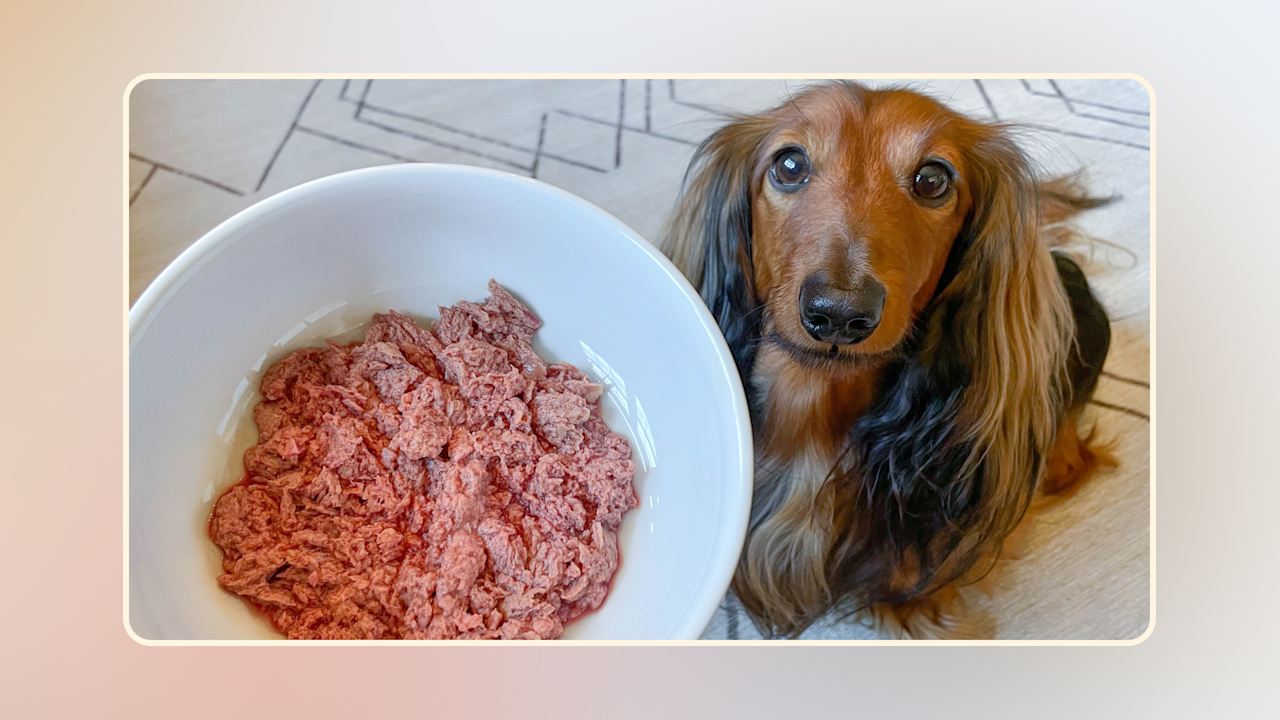
Credit: wefeedraw.com
Frequently Asked Questions
What Foods Trigger Dog Skin Allergies?
Certain foods like beef, dairy, wheat, and chicken can trigger allergies. These common allergens cause skin issues in dogs. Avoid these ingredients in your dog’s diet. Opt for hypoallergenic dog food to manage allergies effectively.
Can Grains Cause Skin Allergies In Dogs?
Yes, grains like wheat, corn, and soy can cause allergies. Dogs with sensitive skin may react to these grains. Consider grain-free diets to reduce allergy symptoms. Always consult your vet for the best dietary choices.
Are Dairy Products Bad For Dogs With Allergies?
Dairy is a common allergen for many dogs. It can cause itching and skin issues. Avoid giving your dog cheese or milk if they have allergies. Choose dairy-free alternatives to prevent allergic reactions.
Is Chicken Safe For Dogs With Skin Issues?
Chicken is a common allergen that can cause skin problems. If your dog has allergies, avoid chicken-based foods. Opt for alternative protein sources like fish or lamb to minimize skin reactions.
Conclusion
Avoiding certain foods helps your dog feel better fast. Common allergens like wheat, soy, and dairy often cause skin problems. Choose simple, natural foods instead. Watch your dog’s reaction to new meals closely. Clean, healthy food supports their skin and overall health.
Keep your vet involved to find the best diet. Small changes can make a big difference. Your dog deserves comfort and care every day.

Emily Barker is the founder of ChillDogLife.com, a space dedicated to helping pup parents discover the best dog products, lifestyle tips, and cozy ideas for happier homes.
A lifelong dog lover, Emily combines her passion for pets with a knack for research to share trusted recommendations on everything from toys and furniture to health and everyday care.
Her goal is simple: to make life easier, stylish, and more joyful for dogs and the people who love them.




