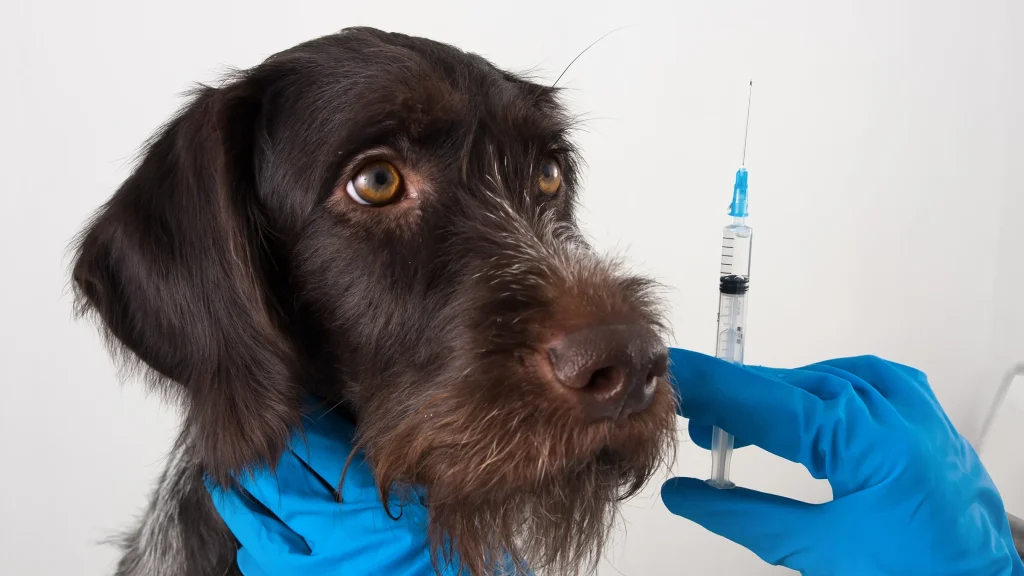
Are you worried about how your dog might react to the Lepto vaccine? Some dog breeds are more sensitive to this vaccine than others, and knowing which ones can help you keep your furry friend safe.
If you want to protect your dog without risking side effects, it’s important to understand which breeds need extra care. Keep reading to find out if your dog’s breed is on the list and what you can do to make vaccination safer and easier for your pet.
Your dog’s health depends on it!
Credit: www.chewy.com
Lepto Vaccine Basics
The Lepto vaccine is important for protecting dogs against leptospirosis. This bacterial infection can cause serious health issues. Understanding the basics of this vaccine helps pet owners make informed decisions. The vaccine helps prevent illness and keeps dogs healthy.
Purpose Of The Lepto Vaccine
The vaccine guards dogs from leptospirosis bacteria. This disease spreads through water, soil, or contact with infected animals. It can harm the liver and kidneys. Vaccination lowers the risk of infection and severe illness. It also protects humans, as leptospirosis can spread from dogs to people.
Common Side Effects
Most dogs handle the vaccine well. Mild side effects may appear shortly after vaccination. These include:
- Swelling or soreness at the injection site
- Mild fever
- Lethargy or tiredness
- Loss of appetite
Severe reactions are rare but possible. Watch for signs like difficulty breathing or swelling of the face. Contact a vet immediately if these occur.

Credit: www.reddit.com
Breeds Prone To Sensitivity
Some dog breeds show more sensitivity to the Lepto vaccine than others. Understanding which breeds are prone to adverse reactions can help you make informed decisions about your pet’s health. Paying attention to breed-specific risks allows you to discuss safer vaccination options with your vet.
Small Breeds At Risk
Small dogs often have stronger reactions to vaccines, including the Lepto vaccine. Breeds like Chihuahuas, Pomeranians, and Yorkshire Terriers have reported higher rates of side effects such as swelling or lethargy after vaccination.
Because of their size, these dogs receive the same vaccine dose as larger breeds, which can overwhelm their smaller immune systems. Have you noticed your small dog acting unusually after shots? This sensitivity might explain why.
Breeds With Allergic Reactions
Certain breeds are more likely to develop allergic reactions to vaccines. Golden Retrievers, Boxers, and Dachshunds have been observed to experience symptoms like itching, hives, or even anaphylaxis after receiving the Lepto vaccine.
If your dog belongs to one of these breeds, watch closely after vaccination. Early signs of allergy can include swelling around the face or difficulty breathing, which require immediate vet care.
Genetic Factors Influencing Sensitivity
Genetics play a key role in how a dog’s body responds to vaccines. Some breeds carry genes that make their immune systems react more aggressively or unpredictably to vaccine components.
For example, certain immune system genes common in breeds like the Doberman Pinscher can increase sensitivity. This raises a question for you: could your dog’s breed history affect how safe the Lepto vaccine is for them?
Signs Of Vaccine Sensitivity
Recognizing signs of vaccine sensitivity is crucial for your dog’s health. Some dogs, especially certain breeds, may react to the Lepto vaccine. These reactions range from mild to severe. Early detection helps ensure timely care. Watch your dog closely after vaccination.
Mild Symptoms To Watch For
- Slight swelling or redness at the injection site
- Lethargy or tiredness lasting more than a day
- Loss of appetite or mild vomiting
- Itching or mild skin rash
- Sneezing or mild coughing
These symptoms often go away within a day or two. Keep your pet calm and monitor closely.
Severe Reactions And Emergencies
- Swelling of the face, lips, or eyes
- Difficulty breathing or rapid breathing
- Continuous vomiting or diarrhea
- Collapse or seizures
- High fever or extreme weakness
Severe reactions require immediate veterinary care. Do not delay if these signs appear. Quick action can save your dog’s life.
Preventing Adverse Reactions
Preventing adverse reactions to the Lepto vaccine is crucial for sensitive dog breeds. These breeds may have stronger responses to the vaccine, risking discomfort or illness. Careful steps can reduce these risks and keep dogs safe and healthy.
Pre-vaccination Health Checks
Checking your dog’s health before vaccination helps spot any issues. A vet exam looks for signs of illness or allergies. Healthy dogs tolerate vaccines better. Blood tests can assess immune status and organ function. This step guides the vet in choosing the safest approach.
- Review medical history for past vaccine reactions
- Check for current infections or fever
- Assess age and breed-specific risks
- Discuss any medications or supplements
Alternative Vaccination Strategies
Alternative methods reduce vaccine risks for sensitive breeds. Spreading out vaccine doses lowers the chance of a strong reaction. Using a lower dose or different vaccine type may help. Some vets recommend testing antibody levels to avoid unnecessary shots. Tailoring vaccination plans improves safety and effectiveness.
- Use a reduced vaccine dose under vet guidance
- Separate vaccines over several weeks
- Choose vaccines with fewer additives or preservatives
- Monitor closely after vaccination for any side effects
Veterinarian Recommendations
Veterinarians play a key role in protecting dogs from leptospirosis. They understand that some breeds react differently to the Lepto vaccine. Their advice helps keep sensitive dogs safe while preventing disease.
Veterinarians carefully assess each dog’s health, breed, and risk factors. They create vaccination plans that fit the dog’s unique needs. This approach reduces the chance of side effects and ensures strong protection.
Tailored Vaccination Plans
Veterinarians do not use a one-size-fits-all vaccine schedule. They consider breed sensitivity, age, and medical history. Dogs prone to reactions may get fewer or delayed doses. Some vets suggest alternative vaccines or extra monitoring.
- Assess breed risks and past reactions
- Adjust vaccine timing or dosage
- Offer safer vaccine options if available
- Discuss risks and benefits with pet owners
Monitoring After Vaccination
Close observation follows vaccination, especially in sensitive breeds. Owners watch for unusual signs like swelling, fever, or lethargy. Early detection allows quick care and lowers complications. Vets may schedule follow-up visits to ensure recovery.
- Check injection site for redness or pain
- Note any changes in behavior or appetite
- Contact the vet if symptoms appear
- Keep vaccination records updated for future care
Owner Experiences
Many dog owners share their experiences with Lepto vaccine sensitivity. Some breeds react more strongly than others. Stories vary from mild symptoms to more serious reactions. Understanding these experiences helps prepare new pet parents. It also guides better care and monitoring after vaccination.
Common Concerns And Questions
Owners often worry about side effects after the Lepto vaccine. Common questions include:
- Which breeds show more sensitivity?
- What signs suggest an adverse reaction?
- How soon do symptoms appear?
- Is it safe to continue vaccinating sensitive dogs?
Many report mild swelling or tiredness. Some notice vomiting or diarrhea. Severe reactions are less common but do occur. Knowing these concerns helps owners act quickly if needed.
Managing Sensitive Dogs
Owners of sensitive breeds take extra steps before and after vaccination. These include:
- Consulting with the vet about risks
- Observing the dog closely for 24-48 hours
- Providing a calm, stress-free environment
- Having medications ready for mild reactions
Some vets suggest splitting doses or using alternative vaccines. Keeping a detailed health record helps track patterns. Quick response to any reaction improves recovery chances.
Credit: sarasotaveterinarycenter.com
Frequently Asked Questions
What Dog Breeds Are At Risk From Lepto Vaccine?
Certain breeds like Dachshunds, Maltese, and Bichon Frise are more sensitive to the Lepto vaccine. These breeds may experience adverse reactions such as swelling, fever, or lethargy. It’s essential to consult with your veterinarian before vaccinating these breeds to ensure their safety and well-being.
Are Small Dogs More Sensitive To Lepto Vaccine?
Yes, small dogs tend to be more sensitive to the Lepto vaccine. Their smaller body size can make them more prone to adverse reactions. Monitoring them closely after vaccination is crucial. Always discuss any concerns with your veterinarian to ensure the best care for your small dog.
Can Lepto Vaccine Reactions Be Severe?
While most reactions are mild, severe reactions can occur. Symptoms might include difficulty breathing, vomiting, or collapse. Immediate veterinary attention is necessary if severe symptoms appear. Knowing the signs of an adverse reaction can help in providing timely care for your pet.
How Can I Minimize Lepto Vaccine Risks?
Discuss your dog’s health history with your vet before vaccination. Your vet may suggest a different vaccination schedule or pre-medication to minimize risks. Monitoring your dog closely after vaccination is also essential. Early detection of any adverse reaction can lead to prompt treatment and better outcomes.
Conclusion
Certain dog breeds may react more to the Lepto vaccine. Knowing which breeds are sensitive helps protect your pet better. Always talk to your vet before vaccinating. They can suggest the safest options for your dog. Watch for signs of discomfort after the shot.
Early action can prevent serious health problems. Keeping your dog safe is the top priority. Careful choices make a big difference in their health. Stay informed, stay alert, and keep your dog happy.

Emily Barker is the founder of ChillDogLife.com, a space dedicated to helping pup parents discover the best dog products, lifestyle tips, and cozy ideas for happier homes.
A lifelong dog lover, Emily combines her passion for pets with a knack for research to share trusted recommendations on everything from toys and furniture to health and everyday care.
Her goal is simple: to make life easier, stylish, and more joyful for dogs and the people who love them.




