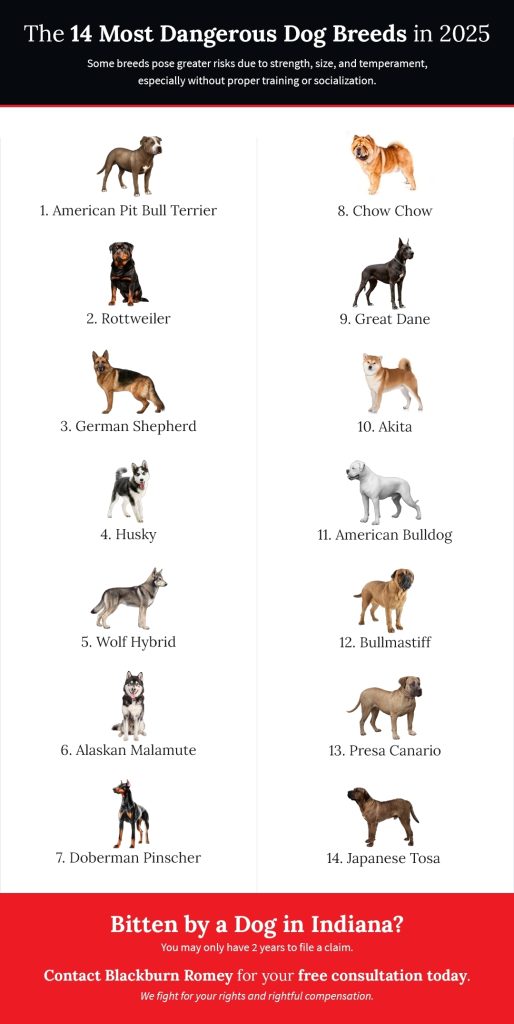
Are you curious about which dog breeds are known for being the most aggressive? Understanding these breeds can help you make smarter choices, whether you’re picking a new pet or simply want to stay safe around dogs.
Knowing the signs and facts about aggressive breeds gives you the power to protect yourself and your loved ones. Keep reading to discover the truth about these dogs, so you can feel confident and informed every time you meet a furry friend.
Traits Of Aggressive Dogs
Aggression in dogs is a complex behavior. It can come from many causes.
Understanding traits helps owners manage and train dogs better. Some breeds show stronger aggression traits.
Behavioral Patterns
Aggressive dogs often show certain behaviors. These include growling, barking, and biting without clear reason.
- Territorial behavior: guarding their space or owner
- High alertness and quick reaction to threats
- Dominance displays over other animals or people
- Low tolerance for strangers or sudden movements
- Increased growling or snapping during play
Genetic Factors
Some dog breeds inherit traits that may cause aggression. Genetics can influence how a dog reacts to stress or threats.
| Breed | Common Aggression Trait | Reason |
| German Shepherd | Protectiveness | Guard dog history |
| Chow Chow | Territoriality | Strong loyalty to home |
| Rottweiler | Dominance | Working dog instincts |
| Doberman Pinscher | Alertness | Guarding role |
| Jack Russell Terrier | High energy aggression | Hunting background |
Environmental Influences
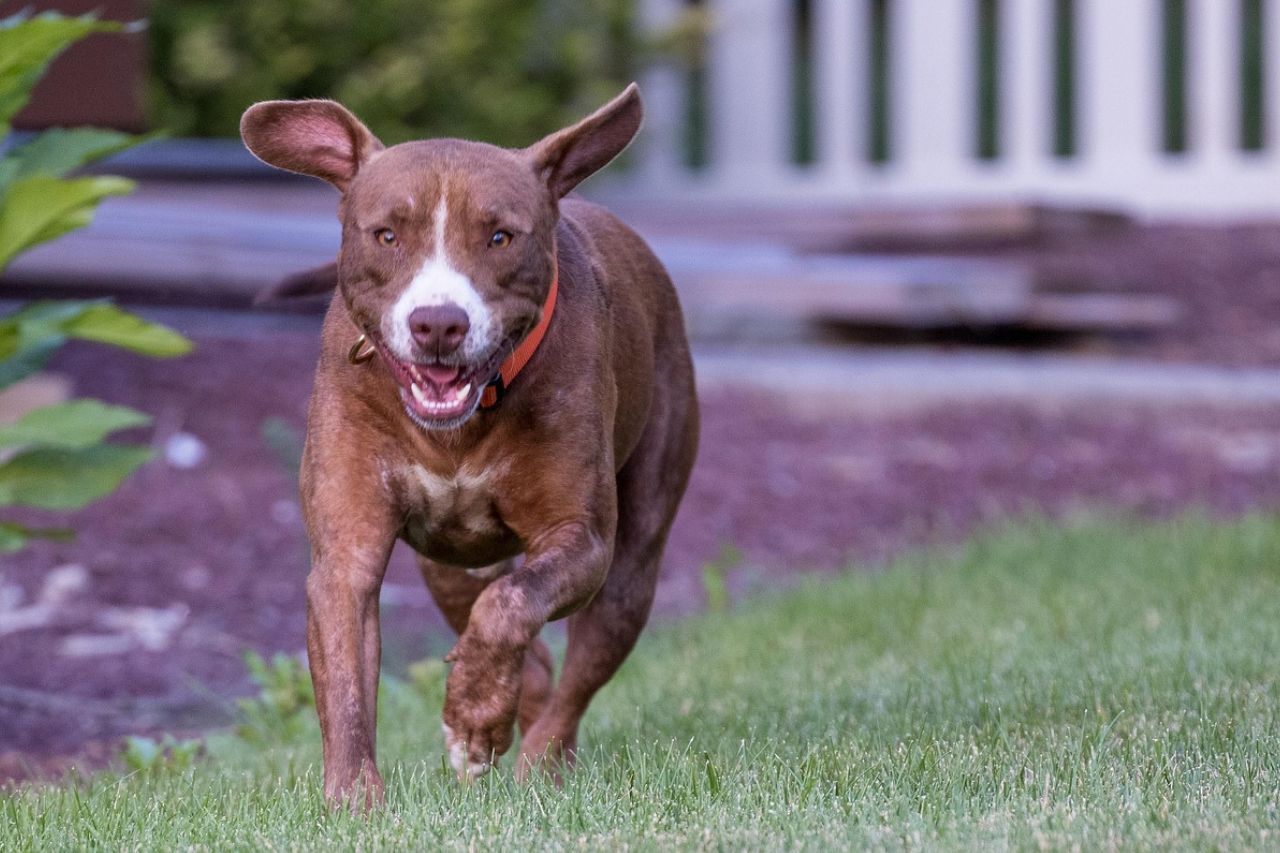
Environment shapes dog behavior. Poor training or abuse can increase aggression risk.
Key environmental factors include:
- Neglect or lack of socialization
- Harsh punishment or abuse
- Fear or anxiety from loud noises or crowds
- Poor living conditions or confinement
- Inconsistent training or unclear rules
Credit: dogistry.com
Criteria For Aggressiveness
Understanding dog aggression is important for safety and care. Different breeds show various levels of aggression.
Experts study aggression by looking at behavior tests, attack records, and other signs. These criteria help identify the most aggressive breeds.
Aggression Levels
Aggression levels describe how often and how strongly a dog may act aggressively. It can vary by breed, individual, and situation.
- Low aggression: Dogs are calm and friendly most of the time.
- Moderate aggression: Dogs may show warning signs before acting out.
- High aggression: Dogs react quickly and strongly without much warning.
Temperament Tests
Temperament tests measure a dog’s reaction to new people, animals, and environments. These tests help assess aggression risk.
| Test Type | What It Measures |
| Social Interaction | How a dog reacts to strangers |
| Resource Guarding | Protectiveness over food or toys |
| Startle Response | Reaction to sudden noises or movements |
| Dominance | Behavior when challenged by another dog |
Bite Statistics
Bite statistics track how often certain breeds bite people. These stats help identify breeds with higher aggression risk.
Common bite statistics facts include:
- Number of reported bite cases per breed
- Severity of bites recorded by hospitals
- Age and situation of the dog during bite incidents
Top 10 Aggressive Dog Breeds
Some dog breeds are known for their aggressive behavior. This can be due to genetics, training, or environment.
Knowing the characteristics and history of these breeds helps owners understand and manage them better.
Breed 1: Characteristics And History
The Pit Bull is often linked with aggression due to its strong build and history as a fighting dog. It is loyal and protective but needs proper training.
Breed 2: Characteristics And History
The Rottweiler has a powerful body and a natural guarding instinct. It was first used to herd livestock and pull carts.
Breed 3: Characteristics And History
German Shepherds are intelligent and highly trainable. They serve as police and military dogs but can show aggression when threatened.
Breed 4: Characteristics And History
Doberman Pinschers are alert and fearless. They were bred as guard dogs and are very protective of their families.
Breed 5: Characteristics And History
Chow Chows have a strong-willed nature. Their history as guard dogs in China gives them a natural suspicion of strangers.
Breed 6: Characteristics And History
Akitas are large and powerful dogs from Japan. They are loyal to their owners but can be aggressive to other animals.
Breed 7: Characteristics And History
Boxers are energetic and strong. They are playful but can become aggressive if they sense danger.
Breed 8: Characteristics And History
Wolfdogs have mixed traits from wolves and dogs. They often show wild behaviors and can be aggressive without proper socialization.
Breed 9: Characteristics And History
The Alaskan Malamute is strong and independent. It was bred for pulling heavy loads but may show aggression when protective.
Breed 10: Characteristics And History
Chihuahuas are small but can be very aggressive. Their alertness makes them good watchdogs despite their size.
- Pit Bull: Strong, loyal, needs training
- Rottweiler: Powerful, natural guard dog
- German Shepherd: Intelligent, protective
- Doberman Pinscher: Fearless, family guard
- Chow Chow: Willful, suspicious of strangers
- Akita: Loyal, can be aggressive to animals
- Boxer: Energetic, protective
- Wolfdog: Wild traits, needs socialization
- Alaskan Malamute: Strong, independent
- Chihuahua: Small, alert, aggressive

Credit: dogistry.com
Training And Socialization Tips
Some dog breeds can show more aggressive behaviors if not trained well. Proper training and socialization help reduce these behaviors.
Teaching your dog early and using good techniques keeps them calm and friendly. This guide covers key tips for managing aggressive breeds.
Early Socialization
Start socializing your dog when it is young. Early exposure to people and other animals helps them feel safe.
Let your dog meet different people, places, and sounds to build confidence. This lowers fear and aggression later.
- Introduce your puppy to various environments
- Allow gentle play with other dogs
- Expose them to different noises and sights
- Reward calm behavior during new experiences
Positive Reinforcement
Use rewards to teach good behavior. Praise and treats help dogs learn what you want.
Ignore bad behavior and reward calm, friendly actions. This encourages your dog to repeat good habits.
- Give treats when your dog listens
- Use gentle words and petting for praise
- Stop giving attention to bad behavior
- Be consistent with rules every day
Professional Training
Some aggressive breeds need help from experts. Professional trainers have skills to guide your dog safely.
Look for trainers who use kind, science-based methods. They can teach you how to handle tough situations.
- Choose trainers with positive reinforcement experience
- Attend group classes for social skills
- Ask for advice on managing aggression
- Practice trainer’s tips regularly at home
Safety Measures For Owners
Some dog breeds are known to be more aggressive. Owners must take safety seriously. This helps protect both the dog and people around.
Understanding how to manage aggressive behavior is key. Using the right tools and knowing your legal duties keeps everyone safe.
Handling Aggressive Behavior
Watch for signs like growling or snapping. Stay calm and avoid sudden moves. Training can help reduce aggression over time.
Seek help from a professional dog trainer. They can teach you how to safely control your dog’s behavior.
- Recognize early signs of aggression
- Use calm, firm commands
- Do not punish with violence
- Get professional training assistance
Preventive Tools
Use tools like muzzles or leashes to control your dog in public. These prevent bites and keep others safe.
Choose the right size muzzle and leash for your dog. Always supervise your dog when using these tools.
- Muzzles prevent biting
- Leashes keep dogs close
- Proper collars reduce risk
- Secure fencing keeps dogs contained
Legal Responsibilities
Owners must follow local laws about dog aggression. This includes licensing, vaccinations, and leash rules.
Failing to meet legal duties can lead to fines or loss of the dog. Always keep your dog’s records up to date.
- Register your dog with local authorities
- Keep vaccinations current
- Follow leash and containment laws
- Report any aggressive incidents as required
Credit: www.youtube.com
Myths And Misconceptions
Many people have beliefs about certain dog breeds being more aggressive. These ideas often come from myths and misconceptions.
Understanding the truth about dog behavior can help us see past these stereotypes. It is important to separate facts from fiction.
Aggression Vs. Protection
Dogs can show aggression and protection, which are not the same. Protective behavior is often mistaken for aggression.
- Protective dogs guard their families.
- Aggressive behavior may come from fear.
- Training can reduce unwanted actions.
Breed Stereotypes
Some breeds have a reputation for being mean. These stereotypes are not always true and can be harmful.
| Breed | Stereotype |
| Pit Bull | Dangerous |
| Rottweiler | Aggressive |
| German Shepherd | Only for police work |
Impact Of Media
The media can shape how we view different dog breeds. Stories often focus on negative events, leaving out positive ones.
Frequently Asked Questions
Which Dog Breeds Are Considered Most Aggressive?
Certain breeds like Pit Bulls, Rottweilers, and Doberman Pinschers are often labeled aggressive. However, behavior depends on training, socialization, and environment, not just breed.
Why Are Some Dog Breeds More Aggressive?
Genetics, early socialization, training, and environment influence aggression. Some breeds have guarding instincts, but responsible ownership greatly reduces aggressive behaviors.
Can Aggressive Dog Breeds Be Trained Safely?
Yes, with consistent training, socialization, and positive reinforcement, aggressive tendencies can be managed effectively in most breeds.
Are Aggressive Dog Breeds Dangerous For Families?
Aggressive breeds can be safe with proper training and supervision. Families should assess the dog’s temperament and training history before adoption.
Conclusion
Aggressive dog breeds need careful training and socializing. Owners must understand each breed’s nature and needs. Not all dogs are naturally aggressive; environment matters a lot. Proper care helps prevent unwanted behavior and keeps everyone safe. Choosing a dog means responsibility and learning about its traits.
Treat dogs with kindness and firmness for best results. Remember, respect and patience build trust with any dog. Knowing about aggressive breeds helps make smart, safe choices.

Emily Barker is the founder of ChillDogLife.com, a space dedicated to helping pup parents discover the best dog products, lifestyle tips, and cozy ideas for happier homes.
A lifelong dog lover, Emily combines her passion for pets with a knack for research to share trusted recommendations on everything from toys and furniture to health and everyday care.
Her goal is simple: to make life easier, stylish, and more joyful for dogs and the people who love them.




