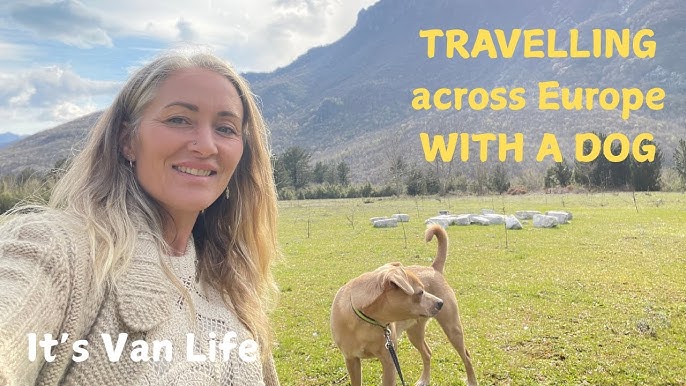
Traveling through Europe with your dog can be one of the most rewarding experiences you’ll ever have. Imagine exploring charming streets, beautiful parks, and cozy cafes, all while your best friend is right by your side.
But making this dream come true takes more than just packing a bag. You need to know the rules, prepare your pet, and plan carefully to avoid stress and surprises. Keep reading, and you’ll discover simple tips and essential advice to make your European adventure with your dog smooth, safe, and unforgettable.
Your perfect trip starts here.
Preparing For The Trip
Traveling through Europe with your dog can be a fun adventure. It needs some planning to keep your pet safe and happy.
Getting ready helps avoid problems on the road. This guide will help you prepare well for the trip.
Choosing Pet-friendly Destinations
Pick places that welcome dogs. Look for hotels, parks, and restaurants that allow pets.
Some cities have dog-friendly beaches and trails. These spots make your trip more fun for your dog.
- Check local rules about dogs in public places
- Find accommodations with pet facilities
- Plan stops at dog parks and open spaces
- Avoid crowded or noisy areas that stress your dog
Health Checks And Vaccinations
Visit the vet before you travel. Make sure your dog is healthy and up to date on vaccines.
Some countries require specific vaccines or treatments. Check these rules early to avoid delays.
- Get a general health check-up
- Update rabies and other required vaccinations
- Ask for tick and flea prevention medication
- Carry any regular medicines your dog needs
Essential Travel Documents
Bring all necessary papers for your dog. These documents prove your dog’s health and identity.
Keep these papers handy during travel. Border controls may ask to see them.
- Pet passport or official health certificate
- Vaccination records, especially rabies
- Microchip registration details
- Any permits required by the destination country

Credit: www.eureporter.co
Packing For Your Dog
Traveling with a dog in Europe needs extra care and planning. You must pack the right things to keep your dog safe and happy.
Good preparation helps you avoid stress and enjoy your trip with your furry friend.
Must-have Travel Gear
Bring essential gear to keep your dog secure and comfortable. This gear also helps in new places and different weather.
- A sturdy leash and collar with ID tags
- Travel crate or carrier for safety
- Waste bags for cleaning up
- Dog harness for walks
- Portable dog bed or blanket
Food And Water Supplies
Keep your dog well-fed and hydrated. Bring enough food and clean water for the trip.
| Item | Purpose | Tips |
| Dog food | Nutrition | Pack extra for delays |
| Water bowl | Hydration | Use collapsible for easy storage |
| Water bottle | Fresh water supply | Refill often with clean water |
| Treats | Rewards and comfort | Keep small and easy to carry |
Comfort Items For Pets
Bring items that help your dog feel calm and relaxed during travel.
Comfort items include:
- Favorite toys to reduce anxiety
- Blankets or beds that smell like home
- Calming sprays or collars if your dog needs extra help
Transportation Options
Traveling with a dog in Europe means choosing the right way to get around. Different transport options have rules for pets. It is important to know them before you start your trip.
This guide looks at flying, train and bus travel, and car journeys. Each choice has its benefits and things to prepare for.
Flying With Your Dog
Flying is fast but needs careful planning. Airlines have rules about dog size, crates, and health papers. Small dogs may fly in the cabin, but bigger dogs usually go in the cargo hold.
- Check airline pet policies before booking
- Use a comfortable and approved crate
- Have your dog’s vaccination and health certificates ready
- Keep your dog calm with familiar toys or blankets
- Arrive early to handle pet check-in smoothly
Train And Bus Travel
Trains and buses often allow dogs but have different rules. Some require a ticket for your pet. Others may ask that your dog stays in a crate or on a leash. It is best to check company policies before traveling.
| Transport Type | Pet Rules | Fee |
| Train | Leash or crate, ticket needed on some routes | Small fee or free |
| Bus | Leash and muzzle in some cases, crate allowed | Varies by company |
Car Journeys Across Europe
Cars give the most freedom for dog travel. You can stop often and keep your dog comfortable. Safety is important. Use seat belts made for pets or secure crates.
- Bring water and food for your dog
- Take regular breaks for exercise and bathroom needs
- Never leave your dog alone in a hot car
- Use a pet seat belt or crate for safety
- Plan routes with pet-friendly stops

Credit: mypetmatters.co.uk
Accommodation Tips
Traveling through Europe with a dog needs special planning. Finding the right place to stay helps you and your pet feel safe and comfortable. This guide gives tips on places to stay that welcome dogs.
Choose accommodation that fits your dog’s needs. Check rules about pets and nearby places for walks. Booking early can save trouble later.
Finding Pet-friendly Hotels
Many hotels in Europe allow dogs. Look for hotels with clear pet policies. Some hotels charge a fee for pets or limit dog size. Always ask before booking.
- Check if the hotel offers dog beds or bowls
- Find out about extra cleaning fees
- Look for nearby parks or walking areas
- Confirm if pets can be left alone in rooms
- Read reviews from other dog owners
Booking Vacation Rentals
Vacation rentals give more space and freedom for you and your dog. Many hosts accept pets but have rules. Always read the listing carefully.
| Rental Type | Pet Policy | Common Rules |
| Apartment | Usually allowed | Leash inside, no damage |
| House | Often allowed | Fenced yard, clean up waste |
| Cabin | Depends on location | Check wildlife rules, quiet hours |
Camping With Pets
Camping is a fun way to travel with dogs. Many campsites welcome pets but have rules to keep animals safe and clean.
- Keep your dog on a leash
- Bring a tent or camper with enough space
- Pack food and water for your dog
- Clean up after your dog
- Watch out for local wildlife
Navigating Local Laws
Traveling through Europe with a dog means following local laws. These laws help keep pets safe and avoid problems.
Each country has different rules about pet travel. Knowing these rules makes your trip easier and happier for your dog.
Pet Travel Regulations By Country
European countries require pets to have certain documents. These include a pet passport, vaccination records, and sometimes a microchip.
- Germany: Pets need a microchip and rabies vaccine at least 21 days before travel.
- France: Dogs must have a pet passport and be vaccinated against rabies.
- Italy: A pet passport and microchip are required for all dogs.
- Spain: Rabies vaccination and a pet passport are necessary.
Leash And Muzzle Rules
Many countries have rules about leashes and muzzles in public places. These rules keep dogs and people safe.
| Country | Leash Required | Muzzle Required |
| Austria | Yes, in public areas | Yes, for large or dangerous breeds |
| Belgium | Yes, always | Only in crowded places |
| Netherlands | Yes, in busy places | No general rule |
| Portugal | Yes, everywhere | Yes, for aggressive dogs |
Quarantine Requirements
Some countries ask pets to stay in quarantine after arrival. This rule protects local animals from disease.
- Ireland: Dogs must stay in quarantine for at least 21 days unless they meet special rules.
- Finland: Quarantine applies if pet travel rules are not followed.
- Malta: Quarantine can last up to 30 days for pets without correct paperwork.
- Norway: Quarantine is mandatory for dogs from countries with rabies risk.

Credit: www.10adventures.com
Keeping Your Dog Safe And Happy
Traveling through Europe with your dog can be a joyful adventure. It’s important to ensure your furry friend is safe and content during the journey. Here are some tips to keep your dog healthy and happy while exploring new places.
Managing Jet Lag And Motion Sickness
Dogs can experience jet lag just like humans. Help them adjust to new time zones by maintaining a consistent feeding schedule. Gradually shift their routine to match the local time before you travel.
Motion sickness is common in dogs during long trips. Keep them comfortable by allowing fresh air in and providing plenty of breaks. Ginger treats can help soothe an upset stomach.
- Feed light meals before travel
- Ensure ventilation in the vehicle
- Use dog seat belts for safety
Exercise And Socialization
Regular exercise is crucial for your dog’s well-being. Plan daily walks and playtime in dog-friendly parks. It keeps them fit and helps release pent-up energy.
Socialization is also important when visiting new countries. Let your dog interact with other pets and people. It helps them adapt to different environments and reduces stress.
| Activity | Duration |
| Walks | 30 minutes twice daily |
| Playtime | 15 minutes |
Dealing With Stress And Anxiety
Traveling can be stressful for dogs. Create a cozy space for them with their favorite blanket or toy. Familiar scents help calm their nerves.
If your dog shows signs of anxiety, try calming sprays or natural supplements. These can ease their stress during travel. Always consult your vet before using new products.
- Pack comfort items like toys and blankets
- Use calming sprays for anxious dogs
- Consult a vet for travel advice
Exploring Europe Together
Traveling with your dog in Europe can be a joyful adventure. Discovering dog-friendly spots enhances the experience for both of you.
From attractions to dining, Europe offers many places welcoming to pets. It’s an opportunity to explore new cultures and landscapes together.
Dog-friendly Attractions
Many European cities have attractions where dogs are welcome. You can visit historical sites and museums that allow pets on a leash.
Some cities even offer guided tours designed for dog owners. This way, your pet can join in on the fun too.
- The Doge’s Palace in Venice allows dogs on a lead
- Paris offers a pet-friendly boat tour on the Seine
- The Berlin Wall Memorial is open to dogs
Outdoor Activities And Trails
Europe has many trails perfect for hiking with dogs. National parks and countryside paths offer scenic views and fresh air.
These outdoor activities are great for exercise and bonding. Remember to bring water and snacks for your furry friend.
- Explore the Swiss Alps with pet-friendly trails
- Hike the Camino de Santiago with your dog
- Enjoy the Lake District in England
Dining With Your Dog
Many European cafes and restaurants welcome dogs. Some even have special dog menus with treats and meals.
Outdoor seating areas often allow pets, making it easy to enjoy meals together. It’s a fun way to relax after exploring.
| Country | Dog-Friendly Dining |
| Italy | Many trattorias welcome pets |
| Germany | Biergartens often allow dogs |
| France | Cafes with pet-friendly patios |
Emergency Preparedness
Traveling through Europe with your dog can be fun and exciting. But it is important to be ready for emergencies. Being prepared helps keep your pet safe and healthy.
Before you travel, learn about possible problems. Know what to do if your dog gets sick or lost. This guide covers key emergency tips for dog owners abroad.
Finding Veterinary Care Abroad
It is important to know where to find a vet in the country you visit. Look for clinics that speak English or your language. Save their contact details on your phone.
Ask your regular vet for recommendations. Some countries have emergency animal hospitals. Know the address and opening hours before you travel.
- Check online reviews for local vets
- Carry a copy of your dog’s medical records
- Know the local emergency numbers
- Find out if the vet accepts pet insurance
Pet Insurance Options
Pet insurance can help cover costs if your dog gets sick or hurt. Some plans work in different countries. Check the policy details before you buy.
Choose insurance that covers emergency care, accidents, and illnesses abroad. Keep your insurance card and policy number handy. This saves time during emergencies.
- Look for plans with European coverage
- Confirm if routine care is included
- Check claim process for foreign vets
- Compare prices and coverage limits
Handling Lost Pets
Losing your dog in a foreign country is scary. Prepare by having an ID tag with your contact info. A microchip is also very helpful for identification.
If your dog gets lost, act quickly. Contact local animal shelters and vets. Use social media or local community groups to spread the word.
- Always have your dog wear a collar with ID
- Register your microchip with updated contact info
- Carry recent photos of your dog
- Know where to report lost pets in the area
Frequently Asked Questions
What Are The Pet Travel Requirements For Europe?
Pet travel requirements in Europe include a microchip, valid rabies vaccination, and a pet passport. Some countries may require additional health certificates or treatments. Always check specific country rules before travel to ensure smooth entry with your dog.
How To Find Dog-friendly Accommodations In Europe?
Use online platforms like Booking. com and Airbnb with pet-friendly filters. Many hotels, hostels, and vacation rentals welcome dogs. Always confirm pet policies and any extra fees before booking to avoid surprises during your trip.
What Transportation Options Allow Dogs In Europe?
Dogs are allowed on most European trains, buses, and ferries but rules vary. Small dogs may travel in carriers, while larger dogs might need a leash and muzzle. Check each transport provider’s pet policy beforehand for hassle-free travel.
How To Keep Your Dog Safe And Comfortable While Traveling?
Bring familiar items like your dog’s bed and toys. Maintain regular feeding and walking schedules. Keep your dog hydrated, and take frequent breaks during long journeys. Use a secure crate or harness to ensure safety during transport.
Conclusion
Traveling across Europe with your dog can be a joyful adventure. Planning well helps avoid stress and surprises. Check pet rules for each country before you go. Bring your dog's essentials to keep them happy and safe. Take breaks often for walks and water.
Embrace new places and make great memories together. Your dog will enjoy the new sights and smells. Enjoy every moment of this special journey with your furry friend.

Emily Barker is the founder of ChillDogLife.com, a space dedicated to helping pup parents discover the best dog products, lifestyle tips, and cozy ideas for happier homes.
A lifelong dog lover, Emily combines her passion for pets with a knack for research to share trusted recommendations on everything from toys and furniture to health and everyday care.
Her goal is simple: to make life easier, stylish, and more joyful for dogs and the people who love them.




