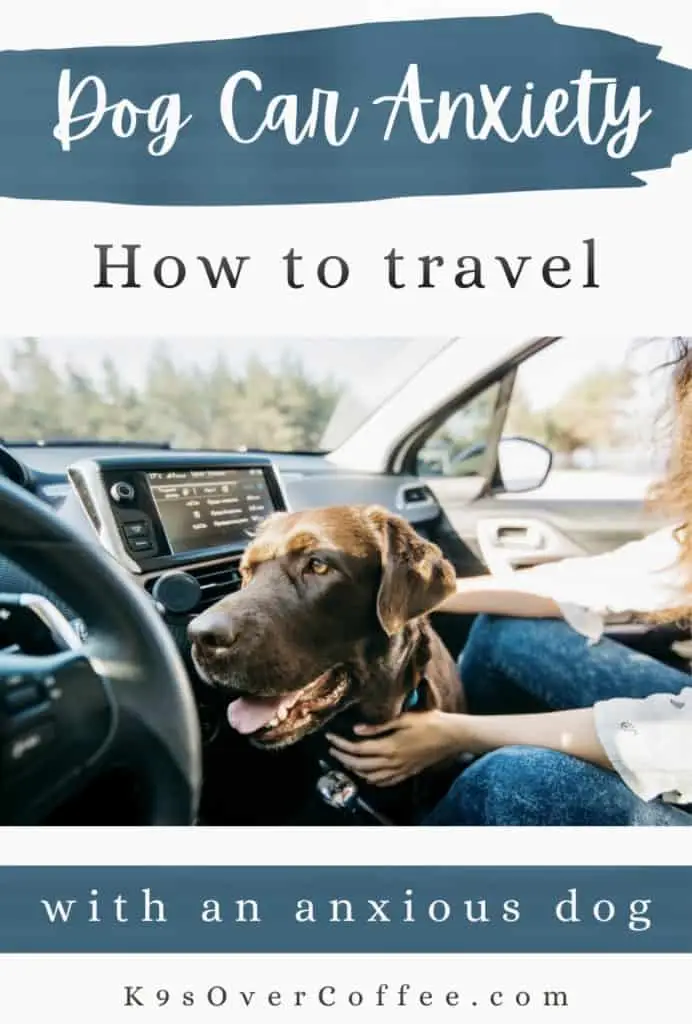
Traveling with your dog can be a joyful experience, but it’s not always easy when your furry friend feels anxious. You want to make sure your dog is calm and comfortable, but sometimes the stress of new places and sounds can make that tough.
What if there was a way to ease your dog’s worries and enjoy the trip together? You’ll discover simple, practical tips to help your anxious dog feel safe and happy on the road. Keep reading—your next adventure with your best friend could be the most relaxing yet.
Credit: walkinpets.com
Preparing Your Dog For Travel
Traveling with an anxious dog needs careful planning. Preparing your dog helps reduce stress.
Start early so your dog can get used to the process slowly. This makes trips easier for both of you.
Familiarizing With Travel Gear
Let your dog see and touch the travel gear before the trip. This includes crates, carriers, and seat belts.
Place the gear in your home for your dog to explore. Use treats and praise to make it a happy place.
- Put soft bedding inside the crate or carrier
- Allow your dog to enter and exit freely
- Practice short stays in the travel gear
- Use toys or treats to encourage calm behavior
Building Positive Associations
Help your dog link travel with good things. This reduces fear and builds trust.
Give treats and play games near travel gear or in the car. Use a calm voice to comfort your dog.
- Feed meals near or inside the travel crate
- Take short drives to fun places
- Keep travel time short at first
- Stay relaxed to help your dog stay calm
Health Check And Vet Visit
Visit the vet before traveling. A health check ensures your dog is fit for the trip.
Talk to the vet about your dog’s anxiety. They can suggest safe ways to keep your dog calm.
- Check vaccinations and health records
- Ask about motion sickness or anxiety medicine
- Get advice on managing stress during travel
- Make sure your dog is up to date on flea and tick prevention
Credit: fittyfoodlicious.com
Choosing The Right Travel Method
Traveling with an anxious dog needs extra care. The travel method affects your dog's comfort and safety.
Choose a way that reduces stress for your dog. Think about the length and type of trip before deciding.
Car Travel Tips
Car travel lets you control your dog’s environment. It is often less stressful for anxious dogs than other methods.
Keep your dog safe in a crate or with a seat belt harness. Bring favorite toys and blankets for comfort.
- Take short breaks to let your dog stretch and relieve stress.
- Use calm, soothing voices to reassure your dog.
- Avoid feeding right before travel to prevent nausea.
- Keep windows partially open for fresh air.
Air Travel Considerations
Air travel can be very stressful for anxious dogs. Noise, crowds, and changes in air pressure can upset them.
Check airline rules for pet travel. Choose direct flights to reduce time in the air and waiting at airports.
- Use an airline-approved crate that is comfortable and secure.
- Talk to your vet about calming options before the trip.
- Arrive early to avoid rushing and extra stress.
- Keep your dog hydrated but do not overfeed before the flight.
Train And Bus Travel
Train and bus travel may have pet restrictions. Some allow small dogs only if they stay in carriers.
These modes of travel can expose your dog to many people and noises. Prepare your dog for this environment.
- Use a cozy carrier that your dog knows well.
- Bring treats and toys to keep your dog calm.
- Choose off-peak travel times to avoid crowds.
- Plan for breaks if the trip is long and stops allow pets.
Packing Essentials For Anxious Dogs
Traveling with a dog that feels anxious can be tough. Packing the right items helps your dog feel safe and calm. You need to bring more than just the basics.
This guide lists the key things to pack for your anxious dog. It covers comfort items, food and water supplies, and medication or calming aids.
Comfort Items And Toys
Comfort items give your dog a sense of security. Familiar toys and blankets can reduce stress during travel. Bring items that your dog uses often at home.
- A favorite blanket or bed for a cozy spot
- Chew toys or soft plush toys your dog likes
- Items with your scent, like a worn T-shirt
- Portable crate or carrier with familiar bedding
Food And Water Supplies
Keep your dog’s diet consistent to avoid stomach issues. Pack enough food for the entire trip plus some extra. Clean water is very important, especially during travel.
| Item | Description |
| Dog Food | Bring the usual food in sealed containers |
| Water Bowl | Collapsible bowl for easy carrying and use |
| Water Supply | Fresh bottled water or filtered water source |
| Treats | Small treats to reward calm behavior |
Medication And Calming Aids
Some dogs need medication or special products to stay calm. Always talk to your vet before giving new medicine. Bring all needed prescriptions and calming aids.
- Prescription medication in original packaging
- Calming collars or anxiety wraps
- Natural calming sprays or essential oils (vet approved)
- Chewable supplements designed to reduce stress
Managing Anxiety During The Trip
Traveling with an anxious dog needs extra care and attention. Dogs can feel nervous in new places.
Understanding how to manage your dog’s anxiety helps make the trip smoother. Keep your dog calm and safe.
Calming Techniques And Commands
Use calm voices and gentle touches to soothe your dog. Familiar commands help them feel safe.
Practice simple commands like “sit,” “stay,” and “come” before the trip. These commands give your dog focus.
- Speak softly to reduce stress
- Use a favorite toy or blanket
- Give treats for calm behavior
- Repeat basic commands to keep attention
Safe Spaces And Crate Use
Create a safe space for your dog during travel. A crate can feel like a secure den.
Make the crate cozy with familiar items. Let your dog rest inside before the trip to get used to it.
- Use a well-ventilated crate
- Place favorite blanket inside
- Keep crate in a quiet spot
- Never force your dog into the crate
Monitoring Behavior And Signs Of Stress
Watch your dog closely for signs of anxiety. Early action helps prevent bigger problems.
Look for pacing, whining, drooling, or shaking. These show your dog feels nervous or scared.
- Pacing or restlessness
- Excessive barking or whining
- Drooling or panting
- Shaking or trembling
- Avoiding eye contact
Post-trip Care And Recovery
Traveling can be stressful for dogs, especially anxious ones. After the trip, it is important to help your dog recover well.
Post-trip care focuses on calm, routine, and positive support. This helps your dog feel safe and happy again.
Relaxation And Rest
Your dog needs time to relax and rest after travel. Quiet spaces help them feel calm and reduce stress.
- Provide a soft bed in a quiet room
- Limit loud noises and sudden movements
- Offer gentle petting and calm voices
- Keep visits from strangers to a minimum
- Allow your dog to nap as much as needed
Re-establishing Routine
Dogs feel safe with a steady routine. Return to regular feeding, walking, and playtimes as soon as possible.
| Activity | Before Trip | After Trip |
| Feeding Times | 7 AM and 6 PM | 7 AM and 6 PM |
| Walks | Morning and Evening | Morning and Evening |
| Playtime | Afternoon | Afternoon |
| Sleep Location | Dog Bed in Living Room | Dog Bed in Living Room |
Rewarding Positive Behavior
Give rewards when your dog shows calm and happy behavior. This encourages good feelings after travel.
Use treats, praise, or extra playtime to reward your dog. Watch for signs like:
- Relaxed body posture
- Calm breathing
- Willingness to engage with you
- Quiet resting

Credit: www.k9sovercoffee.com
Frequently Asked Questions
How Can I Calm My Anxious Dog During Travel?
Use familiar items like blankets or toys to comfort your dog. Speak softly and offer treats. Frequent breaks help reduce stress. Avoid loud noises and sudden movements. Consider calming sprays or natural supplements after consulting your vet.
What Are The Best Travel Tips For Anxious Dogs?
Plan short trips first to acclimate your dog. Use a secure, comfortable crate or harness. Keep a consistent routine with feeding and breaks. Stay calm and patient to reassure your dog. Pack essentials like water, food, and medication.
Should I Consult A Vet Before Traveling With My Dog?
Yes, always consult your vet before travel. They can recommend anxiety treatments or medications. Your vet ensures your dog is healthy for travel. They may advise on motion sickness and vaccination requirements.
How To Prepare An Anxious Dog For Long Car Rides?
Start with short drives to build tolerance. Use a crate for safety and comfort. Bring familiar items and maintain a calm environment. Offer water and take regular breaks. Reward your dog with treats and praise.
Conclusion
Traveling with an anxious dog can feel tough at first. Stay calm and patient to help your pet relax. Bring familiar items like toys or blankets. Take breaks often for walks and water. Talk softly to comfort your dog during trips.
Small steps make big changes over time. Enjoy your journey together with trust and care. Every trip gets easier with practice and love. Keep your dog’s needs in mind always. Safe travels!

Emily Barker is the founder of ChillDogLife.com, a space dedicated to helping pup parents discover the best dog products, lifestyle tips, and cozy ideas for happier homes.
A lifelong dog lover, Emily combines her passion for pets with a knack for research to share trusted recommendations on everything from toys and furniture to health and everyday care.
Her goal is simple: to make life easier, stylish, and more joyful for dogs and the people who love them.




