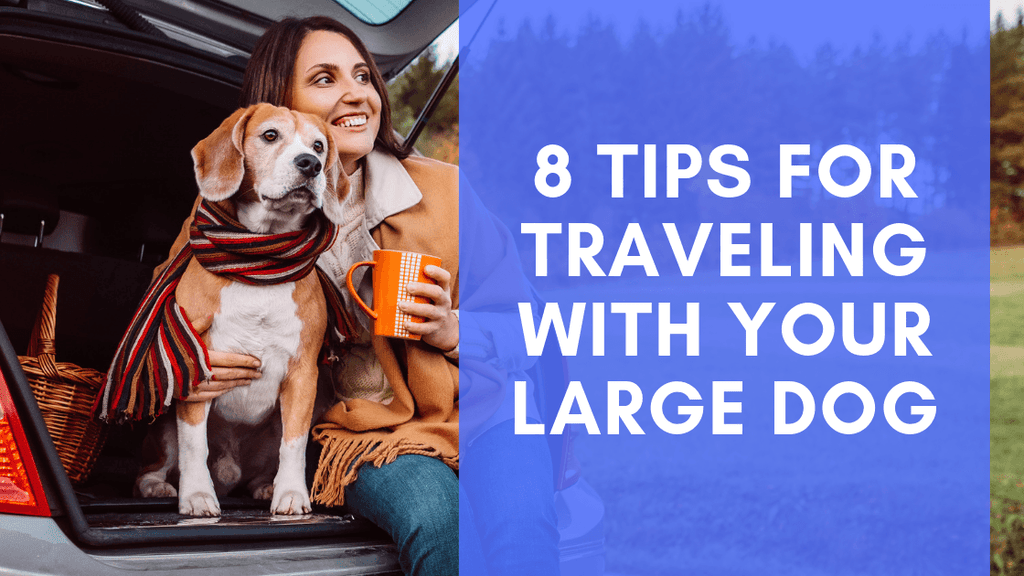
Traveling with a big dog can feel overwhelming. You might worry about space, comfort, or even how others will react.
But what if your trip could be smooth and enjoyable for both you and your furry friend? Imagine stress-free car rides, easy hotel stays, and happy adventures together. This guide will show you simple, practical tips to make traveling with your large dog easier than you ever thought possible.
Keep reading, and discover how to turn your next trip into a great experience for you and your big dog.
Choosing Dog-friendly Destinations
Traveling with a big dog needs extra planning. You must find places that welcome large pets.
Choosing the right destination helps your dog enjoy the trip safely and happily.
Parks And Trails With Space To Roam
Big dogs need wide spaces to run and play. Look for parks and trails that allow large dogs off-leash.
Some parks have special areas just for big dogs. These spaces keep your dog safe and active.
- Check if the park has off-leash dog zones
- Look for trails with wide paths and open areas
- Avoid crowded places to reduce stress for your dog
Pet-friendly Accommodations
Not all hotels or rentals accept big dogs. Find places that welcome large pets with open arms.
Pet-friendly accommodations may offer special amenities like dog beds or fenced yards.
- Confirm size limits for dogs before booking
- Ask about extra fees for large pets
- Look for nearby outdoor spaces for walks
Local Pet Regulations
Each place has rules about pets. Learn local laws before you travel with your big dog.
Rules may cover leash laws, breed restrictions, and pet vaccination requirements.
- Check leash rules in parks and public places
- Confirm if your dog’s breed is allowed
- Carry proof of vaccinations and licenses

Credit: www.reddit.com
Preparing Your Dog For The Trip
Traveling with a big dog needs careful planning. Preparing your dog helps make the trip safe and fun.
Start early to get your dog used to travel. This reduces stress for both of you on the road.
Health Checks And Vaccinations
Visit the vet before your trip. Make sure your dog is healthy and ready to travel.
Check if vaccinations are up to date. Some places require proof of shots for big dogs.
- Get a full health exam
- Update rabies and other vaccines
- Ask about travel-related health risks
- Request a health certificate if needed
Packing Essentials For Your Dog
Bring all the items your big dog will need. Packing well keeps your dog comfortable and safe.
Include food, water, and comfort items. These help your dog feel at home during travel.
- Enough food and treats for the trip
- Fresh water and a travel bowl
- Leash, collar, and ID tags
- Favorite toys and blankets
- Waste bags and grooming supplies
- Any medicines or supplements
Training For Travel Behavior
Teach your dog how to behave while traveling. Good habits make the journey easier for everyone.
Practice car rides and crate time. Reward calm behavior to encourage good travel manners.
- Get your dog used to a travel crate
- Practice short car trips first
- Teach your dog to stay calm in new places
- Use positive reinforcement and treats
- Train your dog to follow commands during stops
Traveling By Car With A Large Dog
Traveling with a big dog in a car needs extra care. Large dogs need space and safety. Planning ahead makes the trip smooth for both you and your dog.
Use the right gear and take breaks often. Watch your dog for signs of stress or sickness. This guide helps you keep your dog safe and happy on the road.
Safe Restraints And Carriers
Large dogs should always be secured in the car. Use strong harnesses or dog seat belts. Carriers made for big dogs also work well if they fit properly.
- Choose a harness that attaches to the seatbelt
- Use a crate or carrier that is large and well-ventilated
- Place restraints in the back seat for safety
- Test the restraint before the trip to ensure comfort
- Never allow your dog to ride with its head out the window
Frequent Breaks And Exercise
Stop every two to three hours for bathroom and exercise breaks. Large dogs need space to stretch their legs and relieve stress. Walking helps reduce restlessness during the trip.
| Break Activity | Reason |
|---|---|
| Short walk | Helps muscles relax and burn energy |
| Bathroom break | Prevents discomfort and accidents |
| Water break | Keeps your dog hydrated |
| Playtime | Reduces anxiety and boredom |
Managing Motion Sickness
Some large dogs get motion sickness in cars. Watch for drooling, whining, or vomiting. Prepare by feeding light meals and keeping the car cool. Talk to your vet about medicine if needed.
Tips to reduce motion sickness:
- Keep the car well-ventilated
- Drive smoothly without sudden stops
- Use calming music or white noise
- Avoid feeding right before travel
- Use vet-approved medication if necessary
Flying With A Big Dog
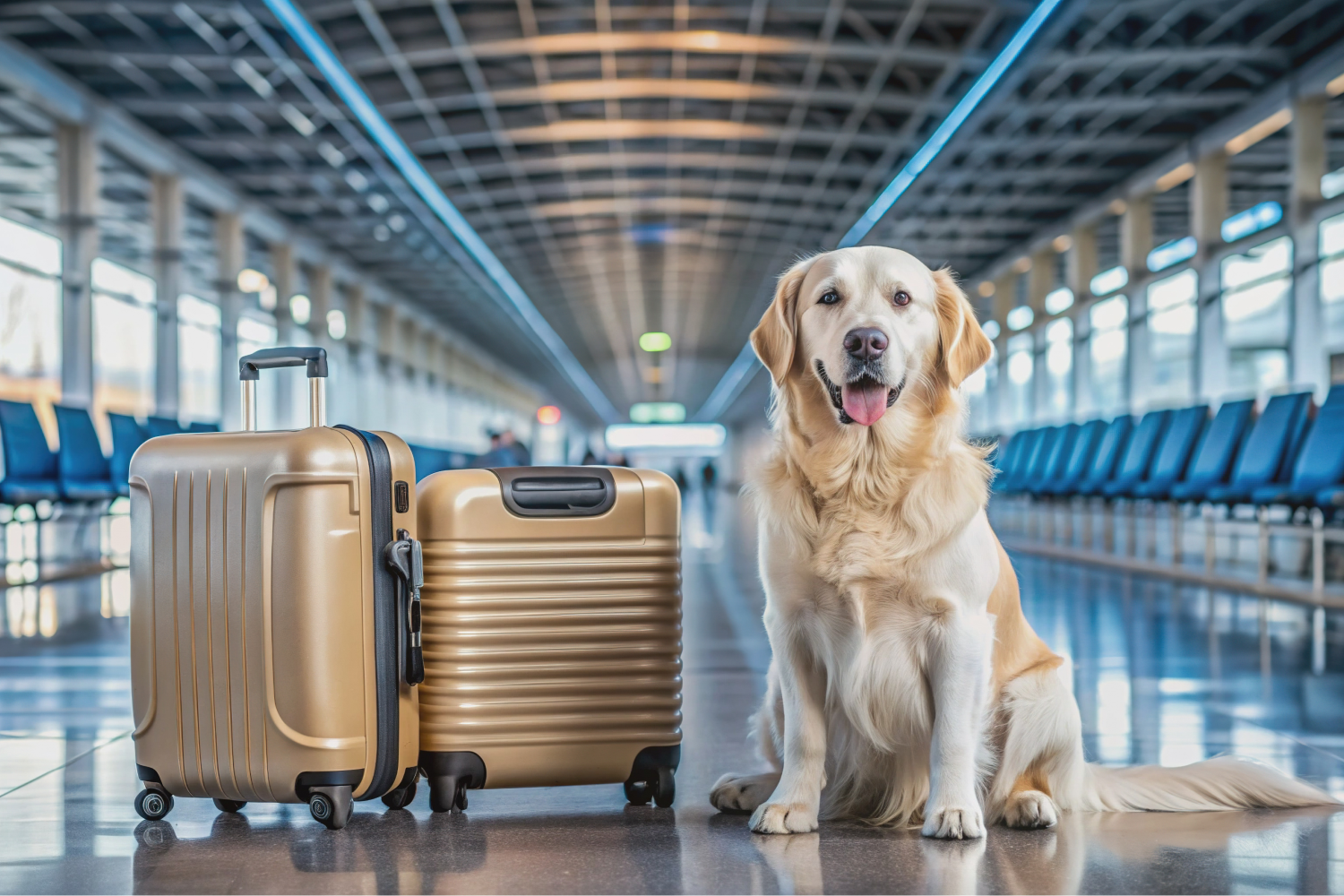
Traveling with a big dog on a plane can be a challenge. Planning ahead helps ensure a smooth journey for you and your furry friend.
Understanding airline rules and preparing your dog for the trip are key. Consider the comfort of your pet and the logistics of the flight.
Airline Policies And Requirements
Different airlines have different rules for flying with pets. It’s important to know these before booking your flight.
- Check the airline’s pet policy online.
- Find out the maximum size for pet crates.
- Know the fees associated with flying your pet.
- Understand any health certificate requirements.
Crate Training And Comfort
Your dog needs to be comfortable in their crate during the flight. Start crate training weeks before your trip.
Booking Direct Flights
Direct flights reduce stress for your dog by minimizing travel time and handling. Choose a direct route whenever possible.
| Airline | Direct Flight Option |
| Airline A | Available |
| Airline B | Limited |
| Airline C | Unavailable |
Managing Food And Hydration
Traveling with a big dog requires careful attention to food and water needs. Good planning helps keep your dog healthy and happy.
Proper meals and hydration support your dog’s energy and comfort during trips. It also prevents health problems.
Meal Planning On The Road
Bring enough food for the whole trip to avoid sudden changes. Keep meals consistent to prevent stomach upset.
- Pack your dog’s regular food in sealed containers
- Divide meals into portions for easy feeding
- Carry some treats for energy and rewards
- Store food in a cool, dry place
- Plan meal times to match your dog’s normal schedule
Hydration Tips
Big dogs need plenty of water during travel. Keep water fresh and accessible at all times.
| Hydration Tip | Details |
| Carry Extra Water | Bring more water than usual for long trips |
| Use Portable Bowls | Collapsible bowls save space and are easy to clean |
| Offer Water Often | Give small amounts frequently to avoid spills |
| Check Water Temperature | Use cool water, not too cold or warm |
| Monitor Intake | Watch how much your dog drinks to detect dehydration |
Avoiding Travel-related Digestive Issues
Digestive problems can spoil your trip. Follow these tips to keep your dog’s stomach calm.
- Keep your dog’s feeding times regular, even on the road
- Do not feed table scraps or new foods
- Bring digestive aids recommended by your vet
- Limit treats to avoid stomach upset
- Watch for signs of nausea or diarrhea
- Give your dog time to rest after eating

Credit: k9sportsack.com
Keeping Your Dog Calm And Happy
Traveling with a big dog can be fun but also challenging. Keeping your dog calm and happy makes the trip better for both of you.
Dogs can get nervous in new places. Use simple ways to help them stay relaxed and enjoy the journey.
Using Calming Aids And Toys
Calming aids can help your dog feel safe while traveling. Toys keep your dog busy and reduce stress.
Bring your dog’s favorite chew toys or soft blankets. These items remind them of home and comfort them during the trip.
- Chew toys to keep your dog busy
- Soft blankets for comfort
- Calming sprays or collars with natural scents
- Interactive toys to distract and engage
Maintaining Routine And Exercise
Dogs feel better when their daily routine stays the same. Try to feed and walk your dog at regular times.
Exercise helps release energy and lowers anxiety. Take your dog for walks before and during stops on the trip.
- Feed your dog at usual times
- Take regular bathroom breaks
- Give your dog time to stretch and walk
- Play a short game to burn energy
Recognizing Stress Signals
Watch your dog for signs of stress. Early care can stop problems from getting worse.
Common signs include panting, whining, pacing, or shaking. If you see these, try calming your dog gently.
- Heavy panting or drooling
- Whining or barking more than usual
- Pacing or restlessness
- Shaking or trembling
- Avoiding eye contact or hiding
Safety Tips During Adventures
Traveling with a big dog can be fun but requires extra care. Safety should be your top priority during every trip.
Prepare well to keep your dog safe and comfortable on all your adventures.
Identification And Microchipping
Always make sure your dog has proper identification before traveling. A collar with an ID tag helps others contact you if your dog gets lost.
Microchipping is a safe way to ensure your dog can be identified even if the collar is lost. It is a small device placed under your dog’s skin.
- Use a sturdy collar with current ID tags
- Include your phone number and address on the tag
- Get your dog microchipped by a vet
- Register the microchip information online
First Aid Kit Essentials
Bring a first aid kit designed for dogs when you travel. It helps you handle small injuries and emergencies fast.
A good kit includes items for cleaning wounds, stopping bleeding, and treating bites or stings.
- Bandages and gauze pads
- Antiseptic wipes or solution
- Tweezers for splinters or ticks
- Scissors and adhesive tape
- Styptic powder to stop bleeding
- Disposable gloves
- Contact info for the nearest vet
Avoiding Hazards Outdoors
Watch your dog closely to keep them safe from outdoor dangers. Big dogs can get hurt or tired quickly.
Know the environment and avoid places with sharp objects, dangerous plants, or wild animals.
- Keep your dog on a leash in unknown areas
- Check the ground for sharp rocks or glass
- Avoid poisonous plants and mushrooms
- Keep away from aggressive animals or insects
- Bring plenty of water to prevent dehydration
- Watch for signs of heatstroke or exhaustion
Post-travel Care For Your Dog
Traveling with your big dog can be exciting. After the trip, it’s important to care for your furry friend. Post-travel care helps keep your dog healthy and happy.
This guide covers monitoring health, grooming, and easing back into a routine. Each step ensures your dog returns to normal life smoothly.
Monitoring Health After Trips
After a trip, check your dog’s health. Look for signs of discomfort or unusual behavior. A quick health check ensures your dog is fine.
- Check for ticks and fleas
- Observe eating and drinking habits
- Look for cuts or bruises
- Monitor energy levels
Cleaning And Grooming
Travel can leave your dog dirty. A good cleaning keeps their coat and skin healthy. Groom your dog to remove dirt and tangles.
Use a gentle shampoo for sensitive skin.
Brush your dog’s coat to remove knots.
Trim nails if needed after the trip.
Easing Back Into Routine
Returning to normal life can be hard for dogs. Gradually reintroduce their routine. Consistency helps your dog adjust smoothly.
| Activity | Time |
| Walks | Morning and Evening |
| Feeding | Twice a day |
| Playtime | Afternoon |
Credit: petsbestlife.com
Frequently Asked Questions
What Are The Best Travel Tips For Big Dogs?
Plan frequent breaks for exercise and bathroom needs. Use a sturdy harness and crate. Pack ample water, food, and favorite toys to keep your big dog comfortable during travel.
How To Choose Dog-friendly Accommodations For Big Dogs?
Look for hotels or rentals that explicitly allow large dogs. Check pet policies, space availability, and nearby outdoor areas for exercise. Confirm any size or breed restrictions before booking.
What Safety Gear Is Essential When Traveling With Big Dogs?
Use a well-fitted harness or seatbelt for car rides. Carry a secure crate for flights or overnight stays. Bring an ID tag, leash, and first-aid kit for emergencies.
How To Manage Feeding Schedules While Traveling With Big Dogs?
Maintain regular feeding times to avoid digestive upset. Bring familiar food and treats to prevent stomach issues. Offer water frequently, especially in warm climates or after exercise.
Conclusion
Traveling with a big dog can be fun and rewarding. Plan well and pack all your dog’s essentials. Keep your dog safe and comfortable during the trip. Take breaks for exercise and bathroom needs often. Choose pet-friendly places to stay and visit.
Your dog will enjoy new sights and smells. With patience and care, your journey will go smoothly. Enjoy every moment and make great memories together. Traveling with your big dog brings joy to both of you.

Emily Barker is the founder of ChillDogLife.com, a space dedicated to helping pup parents discover the best dog products, lifestyle tips, and cozy ideas for happier homes.
A lifelong dog lover, Emily combines her passion for pets with a knack for research to share trusted recommendations on everything from toys and furniture to health and everyday care.
Her goal is simple: to make life easier, stylish, and more joyful for dogs and the people who love them.




