Potty training your puppy can feel overwhelming, but it doesn’t have to be. Imagine your home staying clean and your puppy learning fast with just a few simple steps.
You’ll discover easy and effective tips that make potty training smoother for both you and your furry friend. Keep reading to find out how to save time, avoid frustration, and build a stronger bond with your puppy through smart training techniques.
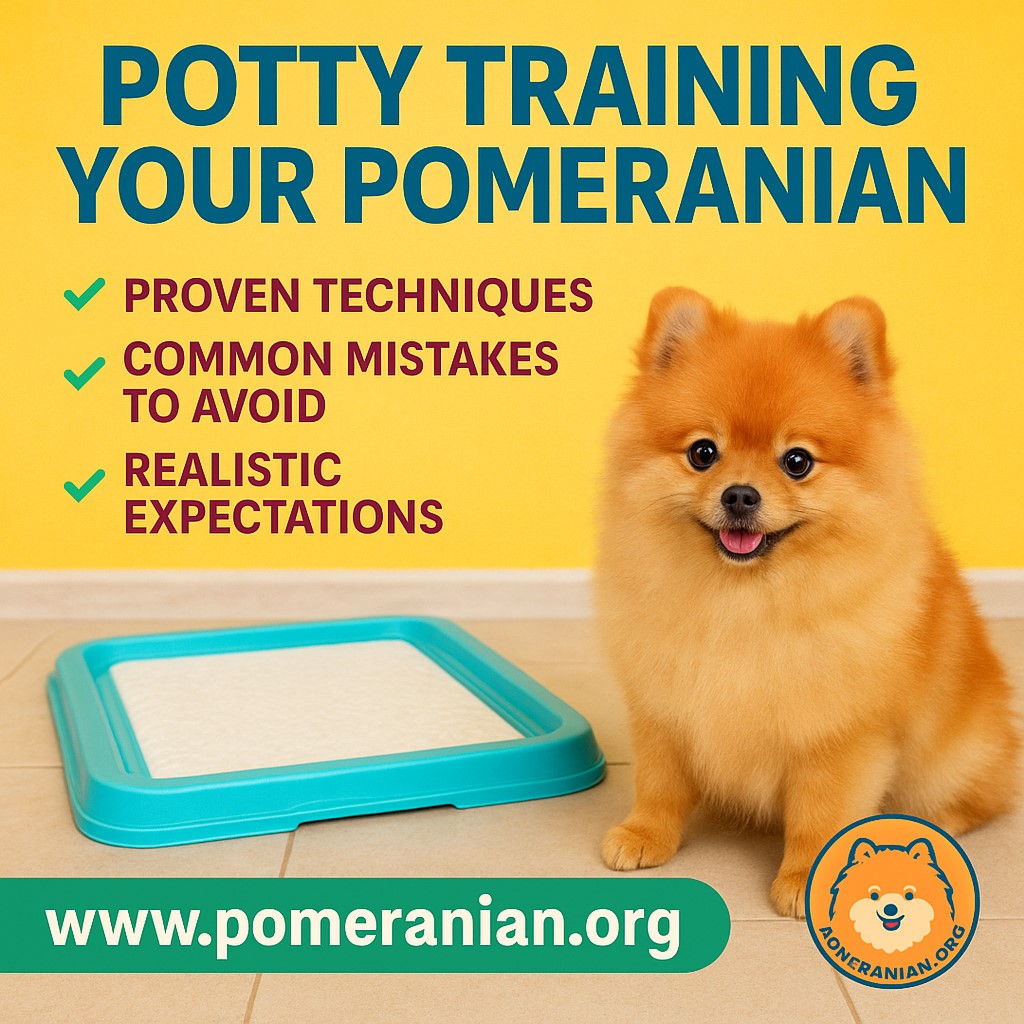
Credit: pomeranian.org
Preparing For Potty Training
Potty training your puppy is an important step. It helps your dog learn good habits early. Preparation makes training easier and more effective.
Start by getting the right supplies, setting a clear schedule, and choosing a special potty spot. These steps build a strong foundation for success.
Choosing The Right Supplies
Selecting the correct tools helps your puppy learn faster. You will need items that keep training clean and organized.
- Puppy pads to absorb accidents indoors
- Cleaning spray to remove odors and stains
- Leash and collar for outdoor potty walks
- Treats to reward good behavior
- Trash bags to dispose of waste properly
Setting A Training Schedule
Consistent timing helps your puppy learn when to go. Puppies need frequent bathroom breaks throughout the day.
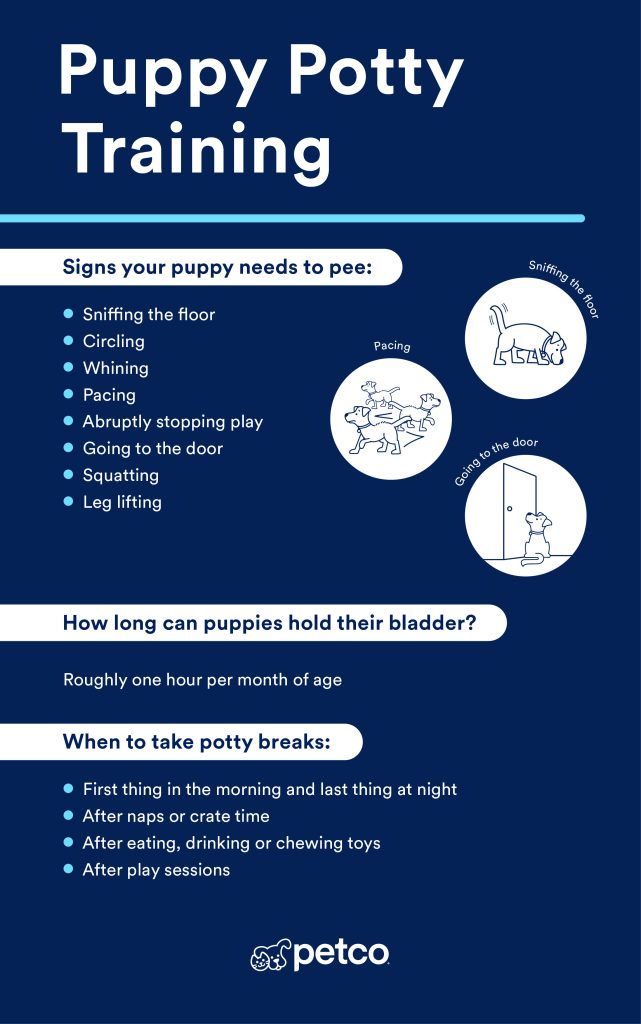
- Take your puppy out first thing in the morning
- Offer bathroom breaks after meals and naps
- Schedule potty trips every two hours during the day
- Always go outside before bedtime
- Watch for signs your puppy needs to go
Creating A Designated Potty Area
Pick a quiet spot outside for your puppy to use. This helps your dog understand where to go.
| Feature | Why It Matters |
| Easy to clean surface | Prevents mess and smells |
| Low distraction area | Keeps puppy focused on potty |
| Close to the house | Makes trips quick and easy |
| Consistent spot | Helps puppy learn faster |
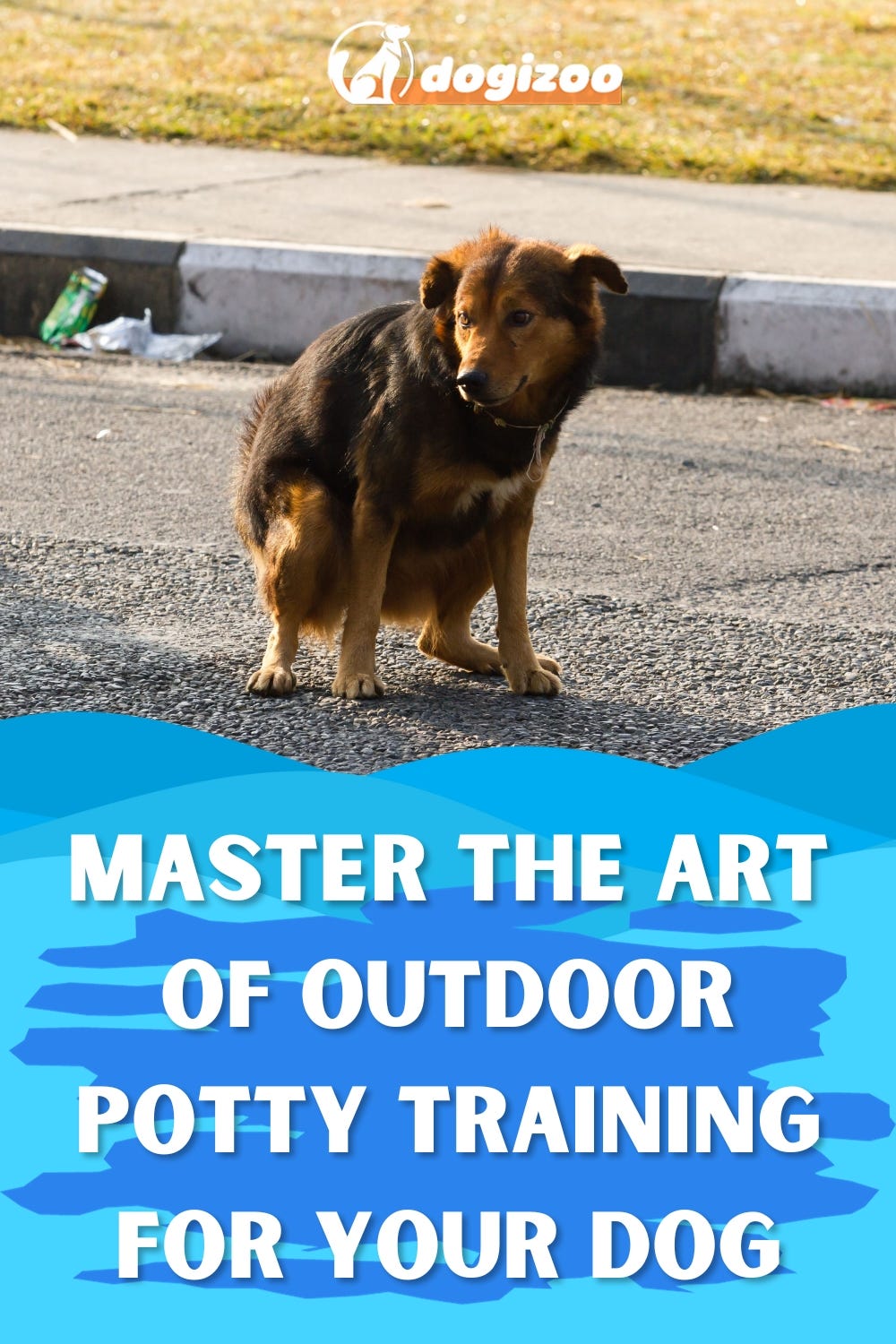
Credit: propelbikes.com
Establishing A Routine
Potty training a puppy needs a steady routine. Dogs learn better with regular habits.
Setting specific times for feeding and bathroom breaks helps your puppy understand what to expect.
Feeding And Potty Times
Feed your puppy at the same times every day. This helps regulate their bathroom needs.
- Give meals at morning, noon, and evening.
- Remove food 15 minutes after feeding time.
- Watch for signs your puppy needs to go after eating.
- Keep water available but limit it before bedtime.
Consistent Bathroom Breaks
Take your puppy outside often. Regular trips reduce accidents inside the house.
| Time | Reason |
| First thing in the morning | Empty bladder after sleep |
| After meals | Natural urge to relieve |
| Before bedtime | Prevent accidents overnight |
| Every 2 hours during the day | Build habit and control |
Monitoring Puppy Behavior
Watch your puppy’s body language to know when they need to go out.
- Sniffing around the floor
- Circling or pacing
- Whining or barking near the door
- Sudden restlessness
Effective Training Techniques
Potty training a puppy needs patience and clear methods. Using the right techniques helps your puppy learn faster.
Training your puppy with kindness and consistency builds good habits. This guide covers three key techniques for success.
Positive Reinforcement
Positive reinforcement means rewarding your puppy for good behavior. This encourages them to repeat it.
- Give treats immediately after your puppy goes potty outside.
- Praise your puppy with a happy voice and petting.
- Use a favorite toy as a reward during training.
- Avoid punishment; focus on rewarding correct actions.
Using Commands And Cues
Clear commands help your puppy understand what you expect. Use simple words and repeat them often.
| Command | Meaning |
| “Go potty” | Time to relieve outside |
| “No” | Stop unwanted behavior |
| “Good” | Praise for correct action |
| “Come” | Return to owner |
Crate Training Benefits
Crate training gives your puppy a safe space and helps control accidents. It teaches bladder control and limits roaming.
Follow these crate training tips:
- Choose a crate large enough for your puppy to stand and turn.
- Make the crate cozy with soft bedding.
- Use the crate for short periods at first, then increase time slowly.
- Never use the crate as punishment.
- Take your puppy outside right after leaving the crate.
Handling Accidents
Potty training a puppy takes patience and care. Accidents are normal during this process.
How you handle accidents affects your puppy’s learning. Stay calm and consistent.
Cleaning Up Properly
Clean accidents quickly to remove smells. This stops your puppy from returning to the spot.
Use an enzymatic cleaner designed for pet messes. Avoid cleaners with ammonia or bleach.
- Blot the area with paper towels first
- Apply enzymatic cleaner as directed
- Let it sit to break down odors
- Rinse and dry the area well
Avoiding Punishment
Never punish your puppy for accidents. Punishment confuses and scares them.
Focus on teaching good habits with rewards and praise. This builds trust and understanding.
- Ignore accidents calmly
- Clean messes without scolding
- Reward puppy for going outside
- Be patient and consistent
Redirecting Puppy Focus
If you catch your puppy about to go inside, gently redirect them outside.
Use a happy tone and guide them to their potty spot. Praise when they go outside.
- Watch for signs puppy needs to go
- Say a command like “Go potty”
- Take puppy outside immediately
- Give treats and praise after potty
Common Challenges
Potty training a puppy can be a tough task. New pet parents often face several common issues. Understanding these challenges helps to train efficiently.
Each puppy is unique, and training methods must be adjusted. Let’s explore some challenges you might encounter during the process.
Dealing With Stubborn Puppies
Some puppies are more stubborn than others. They resist new routines and rules. Consistency is key to overcoming this hurdle.
- Set a regular feeding schedule.
- Take the puppy out frequently, after meals and naps.
- Reward them with treats when they succeed.
Managing Outdoor Distractions
Outside, puppies often get distracted by new sights and sounds. Focus training efforts to keep them on task.
Adjusting Training For Age And Breed
Different breeds and ages require unique training approaches. Younger puppies need shorter, more frequent sessions.
| Breed | Training Tip |
| Labrador | Use lots of physical activity |
| Chihuahua | Keep sessions brief |
| Beagle | Incorporate scent games |
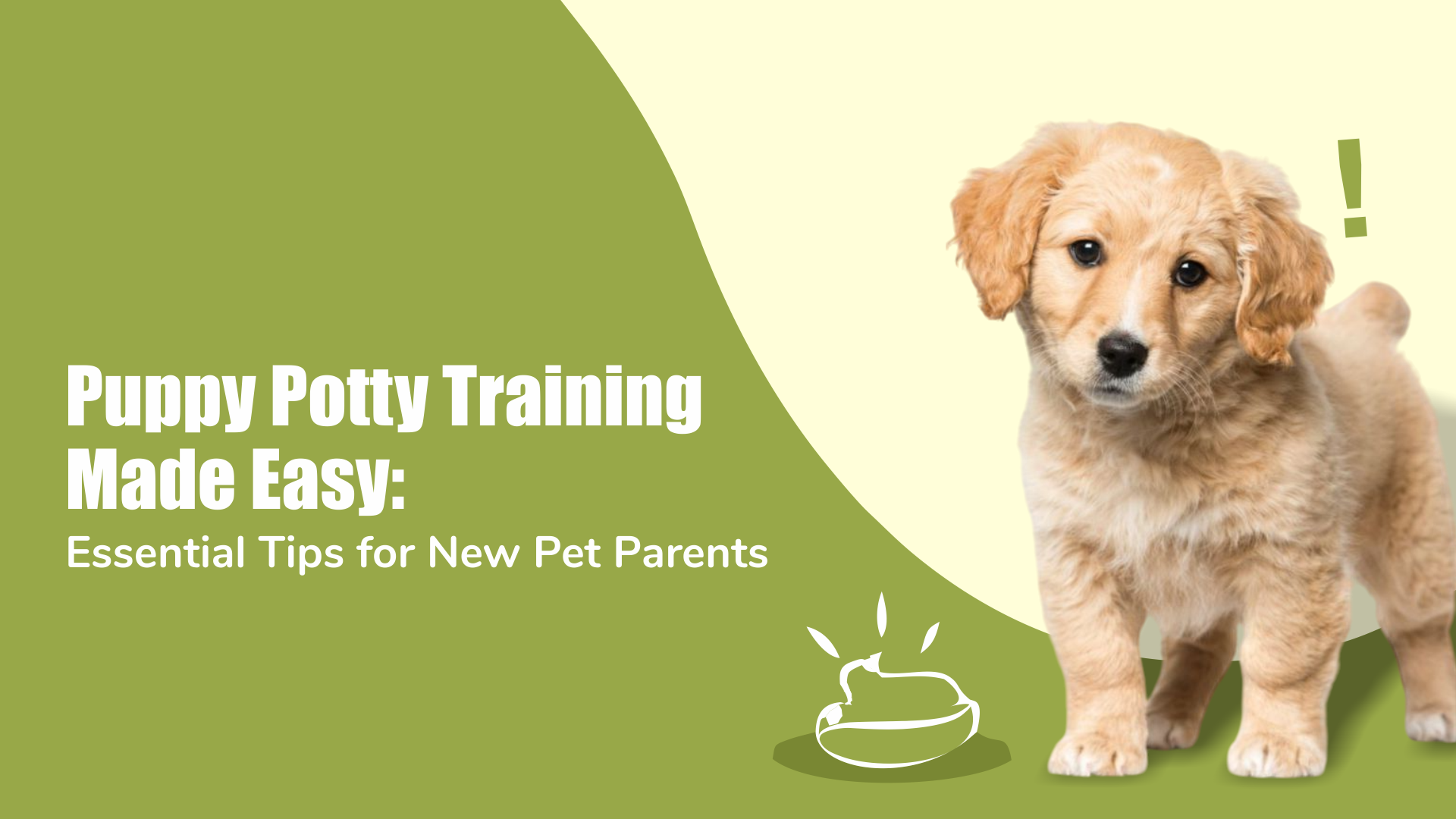
Credit: zigly.com
Tips For Long-term Success
Potty training a puppy takes patience and care. Long-term success depends on steady progress and positive habits. Keep your puppy comfortable and confident throughout the process.
Follow clear steps and stay calm. With time, your puppy will learn where and when to go. These tips will help you maintain good habits for years.
Gradual Freedom Expansion
Start by limiting your puppy’s space to one small area. Slowly increase their freedom as they show good bathroom habits. This prevents accidents and builds trust.
- Use a crate or playpen for control
- Allow access to one room at a time
- Supervise when outside the confined area
- Expand access only after several accident-free days
- Keep doors open to previously restricted areas gradually
Maintaining Consistency
Routine is key to potty training success. Use the same commands, schedule, and praise every day. Consistency helps your puppy understand what you expect.
| Action | Consistency Tip |
| Potty breaks | Same times daily, especially after eating |
| Commands | Use clear, simple words each time |
| Praise | Reward immediately after puppy goes outside |
| Clean accidents | Use enzyme cleaner to remove smells |
| Supervision | Watch puppy closely indoors |
Celebrating Milestones
Recognize your puppy’s progress to keep motivation high. Celebrate small wins to build confidence and joy in learning.
- Give a favorite treat immediately
- Use happy, excited praise
- Play a short game after success
- Mark progress on a calendar
- Share achievements with family
Frequently Asked Questions
How Long Does Puppy Potty Training Usually Take?
Puppy potty training typically takes 4 to 6 months. Consistency, patience, and positive reinforcement speed up the process. Every puppy learns at its own pace, so some may take longer. Regular outdoor breaks and a set schedule improve success.
What Is The Best Time To Start Potty Training A Puppy?
Start potty training when your puppy is 8 weeks old. Early training helps puppies understand routines quickly. Begin with frequent bathroom breaks and praise good behavior. Early training builds a strong foundation for lifelong habits.
How Often Should I Take My Puppy Outside To Potty?
Take your puppy outside every 1 to 2 hours. Frequent trips prevent accidents and reinforce good habits. Also, take your puppy out after meals, naps, and play sessions. Consistency is key to successful potty training.
What Should I Do If My Puppy Has An Accident Indoors?
Clean accidents immediately with an enzymatic cleaner to remove odors. Avoid punishment as it confuses puppies and hinders training. Instead, calmly redirect your puppy to the designated potty area. Reward them when they go outside.
Conclusion
Potty training a puppy takes time and patience. Stay calm and consistent every day. Praise your puppy often for good behavior. Watch for signs your puppy needs to go out. Use a regular schedule to help build habits. Expect small accidents; they are part of learning.
Keep training sessions short and positive. Soon, your puppy will understand the routine. Enjoy the process and celebrate progress. Your puppy will grow into a well-trained dog. Keep loving and supporting your new friend.

Emily Barker is the founder of ChillDogLife.com, a space dedicated to helping pup parents discover the best dog products, lifestyle tips, and cozy ideas for happier homes.
A lifelong dog lover, Emily combines her passion for pets with a knack for research to share trusted recommendations on everything from toys and furniture to health and everyday care.
Her goal is simple: to make life easier, stylish, and more joyful for dogs and the people who love them.




