
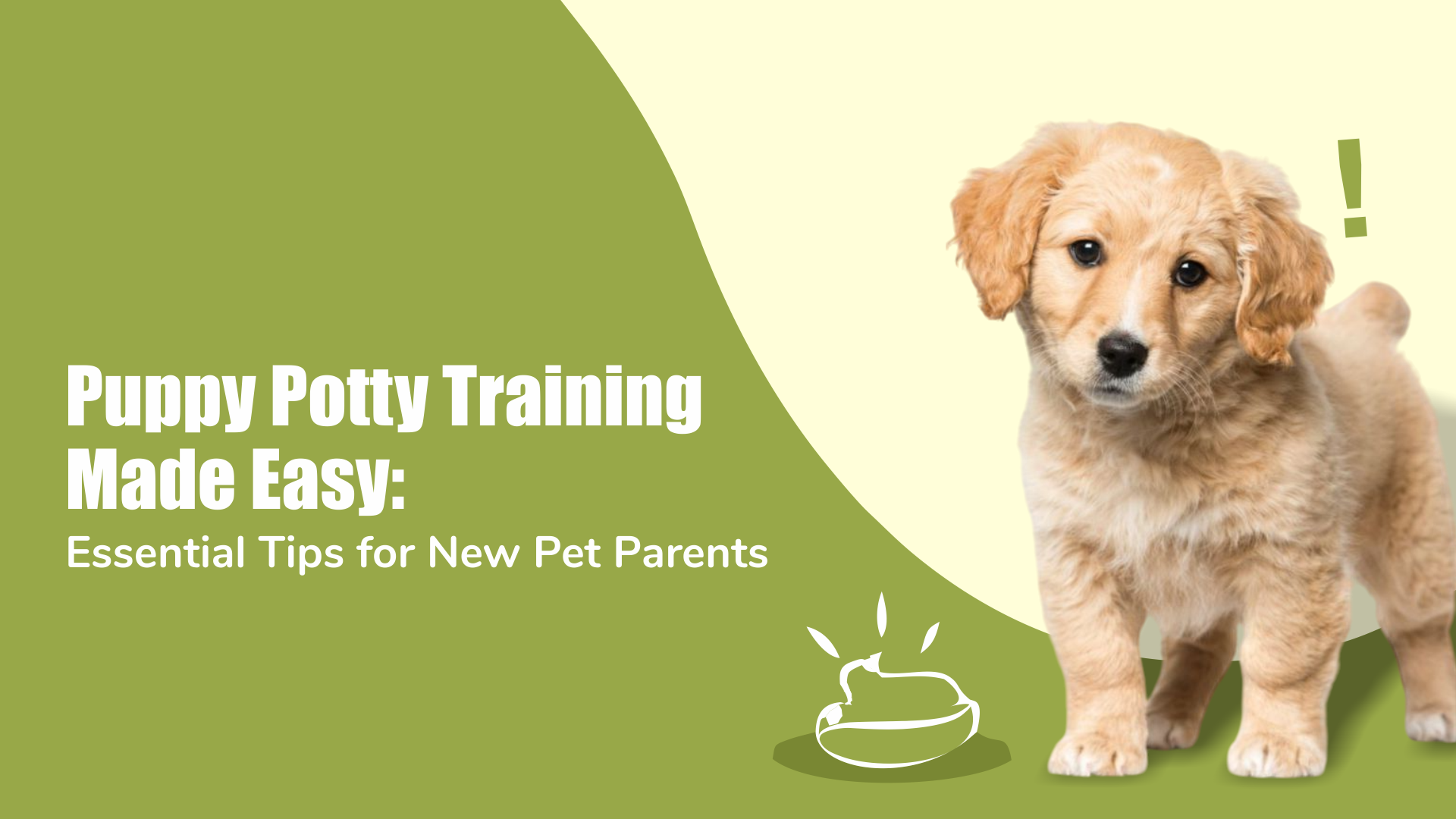
Bringing a new puppy home is exciting, but house training can quickly feel overwhelming. You want your puppy to learn fast, so your home stays clean and your bond grows strong.
What if you had simple, proven tips that make house training easier and less stressful? You’ll discover easy steps you can start using today to teach your puppy where to go—without frustration or mess. Keep reading to find out how to turn your puppy into a well-trained member of your family, faster than you think.
Credit: www.dogsavvylosangeles.com
Choosing The Right Spot
House training a puppy starts with picking the right spot. This helps your puppy learn faster and feel safe. A good spot makes the process easier for both of you.
Choose a place that is easy to reach and clean. The right spot helps your puppy know where to go each time they need to relieve themselves.
Picking A Consistent Area
Always take your puppy to the same area for bathroom breaks. Consistency helps your puppy remember and understand what you expect.
- Pick a spot outside that is quiet and free from distractions
- Use the same door to go outside each time
- Bring your puppy to the spot after meals and naps
- Stay with your puppy until they finish
- Reward your puppy right after they go in the spot
Creating A Comfortable Space
Make the spot inviting and safe for your puppy. Comfort helps your puppy relax and learn faster.
| Comfort Tips | Why It Helps |
| Soft grass or clean surface | Feels nice and natural for puppy |
| Shade or shelter from weather | Keeps puppy comfortable in sun or rain |
| Quiet area away from loud noises | Reduces stress and distractions |
| Easy to clean spot | Makes cleanup simple and fast |
Setting A Schedule
House training a puppy needs a clear schedule. Puppies learn better with regular routines.
Setting a schedule helps your puppy know when to eat and go outside.
Regular Feeding Times
Feed your puppy at the same times every day. This helps make potty times more predictable.
A consistent feeding schedule keeps your puppy’s digestion regular. It also helps you watch their bathroom needs.
- Feed your puppy 3 to 4 times daily
- Keep feeding times about 4 hours apart
- Avoid free feeding to control timing
Frequent Potty Breaks
Take your puppy outside often, especially after eating or waking up. Puppies have small bladders.
Frequent breaks prevent accidents and teach your puppy where to go.
- Take your puppy out first thing in the morning
- Go outside after meals and naps
- Offer potty breaks every 1 to 2 hours
- Always praise your puppy for going outside
Using Positive Reinforcement
House training a puppy can be easier with positive reinforcement. This approach helps your puppy learn good habits by rewarding them.
Using treats, praise, and play encourages your puppy to repeat good behavior. It makes training fun and effective.
Rewarding Good Behavior
Give your puppy a treat or kind words when they go potty outside. This shows them what you want.
Timing is important. Reward your puppy right after they finish to connect the action with the reward.
- Use small treats that your puppy likes
- Praise with a happy voice and petting
- Offer rewards every time at first
- Slowly reduce treats as they learn
Avoiding Punishments
Do not punish your puppy for accidents inside the house. Punishment can make them scared and confused.
Focus on positive moments instead. This helps your puppy feel safe and want to please you.
- Ignore accidents calmly without yelling
- Clean up messes without fuss
- Redirect your puppy to go outside
- Be patient and consistent every day

Credit: www.redbarn.com
Monitoring Your Puppy
Watching your puppy closely is key for house training. You learn their habits and needs this way.
Good monitoring helps prevent accidents and teaches your puppy where to go.
Recognizing Signs
Puppies show signs when they need to go outside. Learn these signs to act fast.
Look for restlessness, sniffing, or circling. These often mean your puppy needs a bathroom break.
- Sniffing around the floor
- Circling in one spot
- Whining or barking suddenly
- Going to the door or looking at you
Keeping A Close Eye
Stay near your puppy during training times. This helps you catch signs quickly.
Use a leash or a small area to keep your puppy close. Watch for any changes in behavior.
- Supervise play and rest times
- Check frequently for signs of needing out
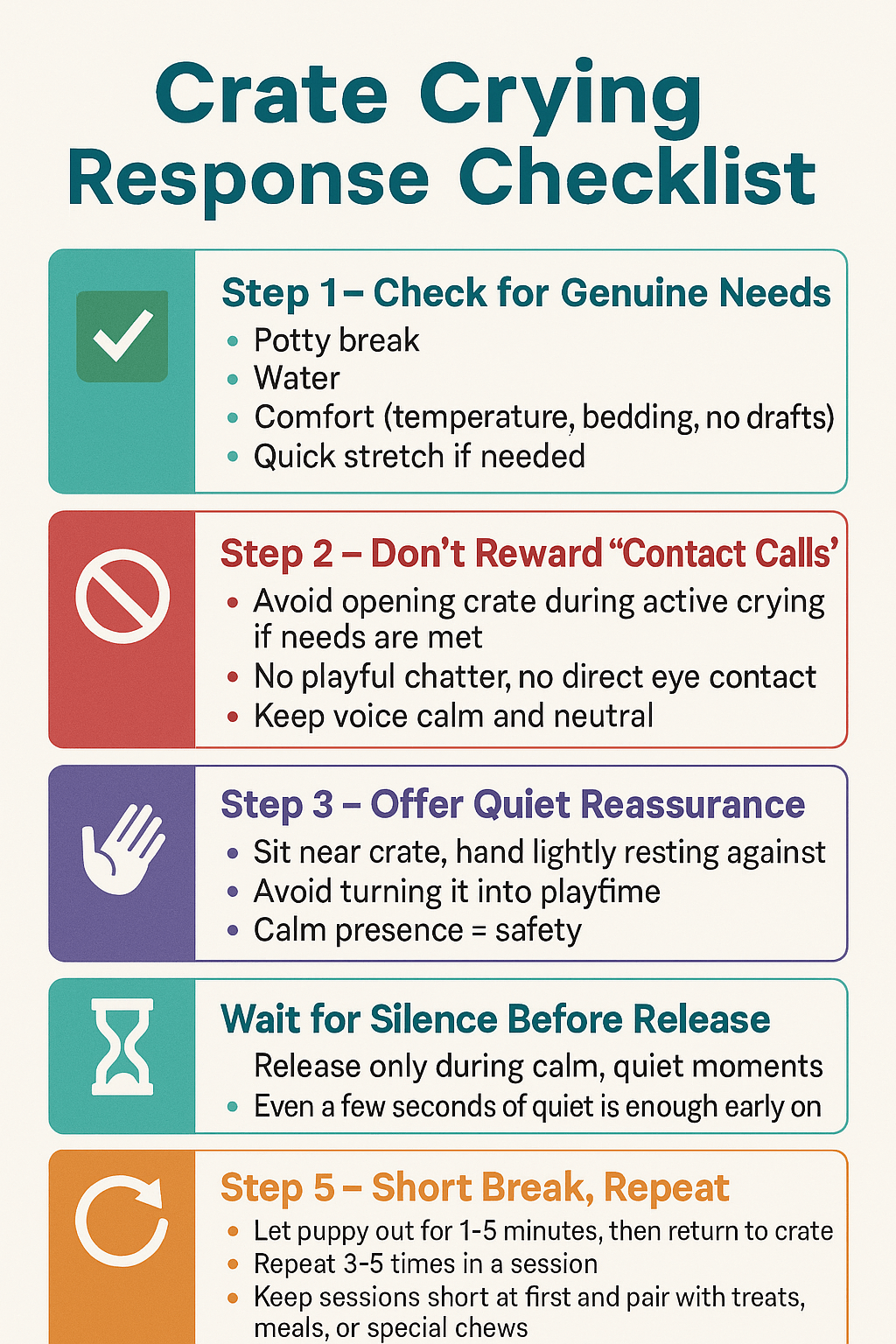
- Keep your puppy in sight or use a crate when you can’t watch
- Reward your puppy immediately after going outside
Crate Training Benefits
Crate training helps your puppy feel safe and secure. It teaches good habits and prevents accidents at home.
A crate is a useful tool for house training. It gives your puppy a quiet place to rest and learn.
Choosing The Right Crate
Pick a crate that fits your puppy well. It should be big enough to stand, turn, and lie down comfortably.
- Measure your puppy’s height and length before buying.
- Use a crate with a divider to adjust size as your puppy grows.
- Choose a crate with good ventilation and secure locks.
- Consider the crate’s material: plastic for travel, wire for home use.
Introducing The Crate Positively
Make the crate a happy place for your puppy. Use treats and toys to encourage your puppy to enter and stay calm inside.
| Action | How to Do It |
| Place treats inside | Put tasty snacks near and inside the crate entrance. |
| Feed meals in crate | Give your puppy meals inside the crate to build good feelings. |
| Use toys | Leave favorite toys inside for comfort and fun. |
| Keep door open | Let your puppy explore freely at first with the door open. |
| Close door briefly | Close the door for short times while you stay nearby. |
Credit: zigly.com
Dealing With Accidents
House training a puppy can be challenging. Accidents will happen, and knowing how to handle them is important. Being prepared and patient will make the process smoother for both you and your puppy.
When accidents occur, it is crucial to address them correctly. This ensures your puppy learns where to go, and your home stays clean and odor-free.
Cleaning Effectively
Cleaning up after an accident is vital. Use the right products to remove stains and smells.
Enzymatic cleaners are the best choice. They break down the proteins in urine, removing odors completely.
- Blot the area with paper towels to absorb liquid.
- Apply enzymatic cleaner generously and let it sit.
- Rinse the area with water and blot again.
Staying Patient
Patience is key when house training. Puppies need time to learn and adjust to your home.
Stay calm during accidents. Scolding can confuse and frighten your puppy.
- Take your puppy outside regularly.
- Reward them with treats and praise for going outside.
- Keep a consistent routine to help them learn.
Consistency Is Key
Training a puppy requires patience and consistency. The more consistent you are, the quicker your puppy will learn. This guide will help you understand the importance of maintaining routine and involving the whole family in house training.
Maintaining Routine
A consistent routine helps your puppy understand what is expected. This includes regular feeding times, walks, and playtimes.
Involving The Whole Family
It’s important for everyone in the family to be involved in the training process. This ensures that your puppy receives the same signals from everyone.
- Discuss the training plan with all family members.
- Assign specific roles to each member.
- Ensure everyone uses the same commands.
- Celebrate small successes together.
Frequently Asked Questions
How Long Does It Take To House Train A Puppy?
House training usually takes 4 to 6 months, but it varies. Consistency, patience, and routine speed up the process. Puppies learn faster with regular bathroom breaks and positive reinforcement. Early training improves success and reduces accidents.
What Are The Best Methods For House Training Puppies?
Use crate training, regular potty breaks, and positive reinforcement. Reward your puppy immediately after bathroom success. Avoid punishment; it causes fear and confusion. Consistency in schedule and commands builds good habits quickly.
How Often Should I Take My Puppy Outside To Potty?
Take your puppy outside every 1 to 2 hours initially. Also, bring them out after meals, naps, and playtime. Frequent trips prevent accidents and teach bladder control. Gradually increase time between breaks as your puppy matures.
What Signs Show My Puppy Needs To Go Potty?
Watch for sniffing, circling, whining, or sudden restlessness. These behaviors signal your puppy needs a bathroom break. Respond quickly by taking them outside. Prompt action helps them associate signals with going outside.
Conclusion
House training a puppy takes patience and consistency. Keep routines simple and clear. Praise your puppy often to encourage good habits. Expect accidents; they are part of learning. Stay calm and gentle during the process. Small steps lead to big progress.
Soon, your puppy will learn where to go. Enjoy the journey with your new friend. Trust the process and stay positive. Success comes with time and care.

Emily Barker is the founder of ChillDogLife.com, a space dedicated to helping pup parents discover the best dog products, lifestyle tips, and cozy ideas for happier homes.
A lifelong dog lover, Emily combines her passion for pets with a knack for research to share trusted recommendations on everything from toys and furniture to health and everyday care.
Her goal is simple: to make life easier, stylish, and more joyful for dogs and the people who love them.




