
Bringing a new puppy home is exciting, but crate training can feel overwhelming. You want your puppy to feel safe and happy, and you want the process to go smoothly for both of you.
What if there was a way to make crate training simple and stress-free? You’ll discover easy, practical tips that help your puppy love their crate. Keep reading to learn how to turn the crate into your puppy’s favorite spot—making life easier for you and your furry friend.
Choosing The Right Crate
Crate training helps puppies learn good habits. Picking the right crate is key for success. A proper crate makes your puppy feel safe and comfortable.
There are many crates available. Some are soft, some are hard. Size and style matter for your puppy’s comfort and training progress.
Size And Comfort
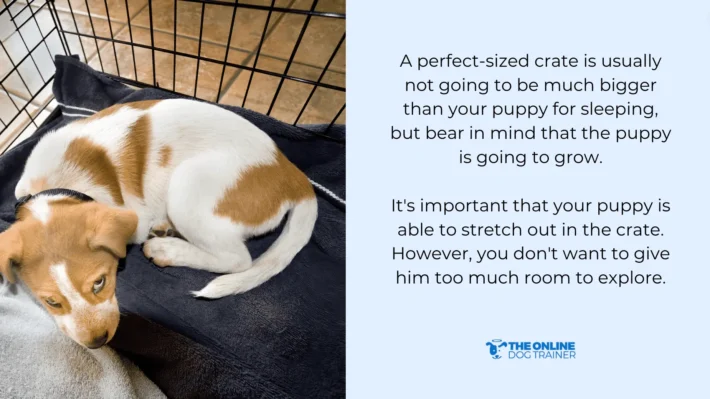
The crate should be big enough for your puppy to stand, turn, and lie down. Too small crates cause discomfort. Too large crates make potty training hard.
- Measure your puppy’s height and length
- Choose a crate slightly larger than your puppy’s size
- Use soft bedding for extra comfort
- Ensure good ventilation in the crate
- Keep the crate clean and dry
Types Of Crates
Crates come in many styles. Each type fits different needs and spaces. Choose based on your puppy’s size, your home, and how you plan to use it.
| Type | Description | Best For |
| Wire Crate | Metal bars with good airflow | Indoor use, easy to clean |
| Plastic Crate | Hard plastic shell with solid sides | Travel and den-like feel |
| Soft-Sided Crate | Fabric with mesh panels | Lightweight and portable |
| Heavy-Duty Crate | Strong materials for chewers | Active or strong puppies |
Introducing The Crate Positively
Crate training helps puppies feel safe and calm. Introducing the crate in a good way makes training easier.
Start by showing the crate as a happy place. This helps your puppy enjoy spending time inside.
Creating A Cozy Space
Make the crate warm and comfy with soft bedding. This invites your puppy to rest inside.
Place the crate in a quiet spot where your puppy feels safe. Avoid noisy or busy areas.
- Use a soft blanket or small bed inside
- Keep the crate clean and dry
- Choose a calm corner of your home
Using Treats And Toys
Give your puppy treats when they enter the crate. This creates a positive connection.
Place favorite toys inside the crate to encourage play and comfort. Toys keep your puppy happy.
- Offer small treats at the crate door
- Put chew toys or soft toys inside
- Use treats to reward calm behavior
Establishing A Routine
Crate training a puppy works best with a clear routine. Puppies feel safe when they know what to expect. A regular schedule helps your puppy learn quickly.
Setting times for crate use helps your puppy adjust. It also makes house training easier. Consistency is key to building good habits.
Consistent Crate Times
Put your puppy in the crate at the same times every day. Try using it after meals, naps, and play sessions. This helps your puppy understand when to rest.
Keep crate times short at first. Gradually increase the time as your puppy gets used to it. Avoid leaving your puppy in the crate too long.
- After eating for a short rest
- Before bedtime to sleep
- During quiet times in the day
- Before leaving the house
Incorporating Play And Rest
Balance crate time with play and rest outside the crate. Puppies need time to burn energy and relax. Use play sessions to make crate time feel like a break.
After active play, guide your puppy to the crate for rest. This teaches your puppy to calm down and see the crate as a safe space. Avoid using the crate for punishment.
- Play with toys before crate time
- Allow calm rest in the crate
- Use soft bedding for comfort
- Keep the crate in a quiet place

Credit: www.skipperspetproducts.com
Encouraging Crate Use
Crate training helps puppies feel safe and calm. It also teaches them good habits. Encouraging your puppy to enjoy the crate makes training easier.
Start by making the crate a happy place. Use treats, toys, and praise to build positive feelings. Be patient and gentle to help your puppy adjust.
Short Sessions At First
Begin with short crate sessions. Let your puppy explore the crate on their own. Close the door for just a few minutes at first. This helps your puppy get used to the space.
- Place treats inside the crate to attract your puppy.
- Keep the crate door open during free time.
- Close the door for 5 minutes while you sit nearby.
- Use a calm voice to reassure your puppy.
- Open the door and praise when they stay calm.
Gradual Increase In Time
Slowly raise the time your puppy spends in the crate. Watch your puppy’s behavior for signs of stress. Increase time only if your puppy is calm.
| Time in Crate | What to Do |
| 5 minutes | Stay close and talk softly |
| 10 minutes | Leave the room briefly |
| 20 minutes | Do quiet activities nearby |
| 30 minutes or more | Increase independence gradually |
Handling Resistance
Crate training a puppy can be challenging. Sometimes, puppies resist the crate. It’s important to handle this resistance with patience and understanding.
Resistance often happens because the crate is unfamiliar. Puppies might feel scared or lonely in a new space. Helping them adjust takes time and care.
Avoiding Punishment
Punishment can make crate training harder. Instead, use gentle methods. Never force your puppy into the crate or yell at them. This could create fear.
Use positive reinforcement to encourage your puppy. Reward them with treats and praise when they enter the crate. This builds trust and comfort.
- Give treats when your puppy enters the crate
- Use a calm voice to reassure them
- Praise them for staying calm inside the crate
Calming Techniques
Calming techniques help reduce your puppy’s stress. Play soft music near the crate. This can soothe anxious puppies and create a peaceful environment.
Another technique is to include a soft toy or blanket in the crate. Familiar smells can comfort your puppy. Ensure the crate is cozy and inviting.
- Play gentle music to relax your puppy
- Place a familiar toy or blanket in the crate
- Ensure the crate is warm and inviting
Credit: theonlinedogtrainer.com
Using The Crate For Potty Training
Crate training helps your puppy learn where to go potty. It teaches them to hold their bladder until you take them outside.
Using a crate safely means watching your puppy’s needs and timing their breaks well. This guide explains how to use timing and supervision and how to recognize signs your puppy needs to go.
Timing And Supervision
Keep your puppy in the crate for short times at first. Puppies cannot hold their bladder for long. Watch them closely when outside the crate.
- Take your puppy outside after meals, naps, and playtime.
- Give frequent potty breaks, about every 1-2 hours.
- Stay with your puppy during outside time to guide them.
- Use a consistent spot outdoors for potty breaks.
- Praise your puppy immediately after they go potty outside.
Supervision helps you stop accidents indoors. If you cannot watch your puppy, put them in the crate where they will avoid making a mess.
Recognizing Signs
Puppies give clues when they need to go potty. Learn these signs to act quickly.
| Sign | What to Do |
| Sniffing around | Take puppy outside right away |
| Whining or barking | Check if they need to go out |
| Circling or pacing | Lead them to the potty spot |
| Sudden restlessness | Watch closely and prepare to go outside |
Recognizing these signs quickly helps prevent accidents and builds good potty habits.
Travel And Safety Tips
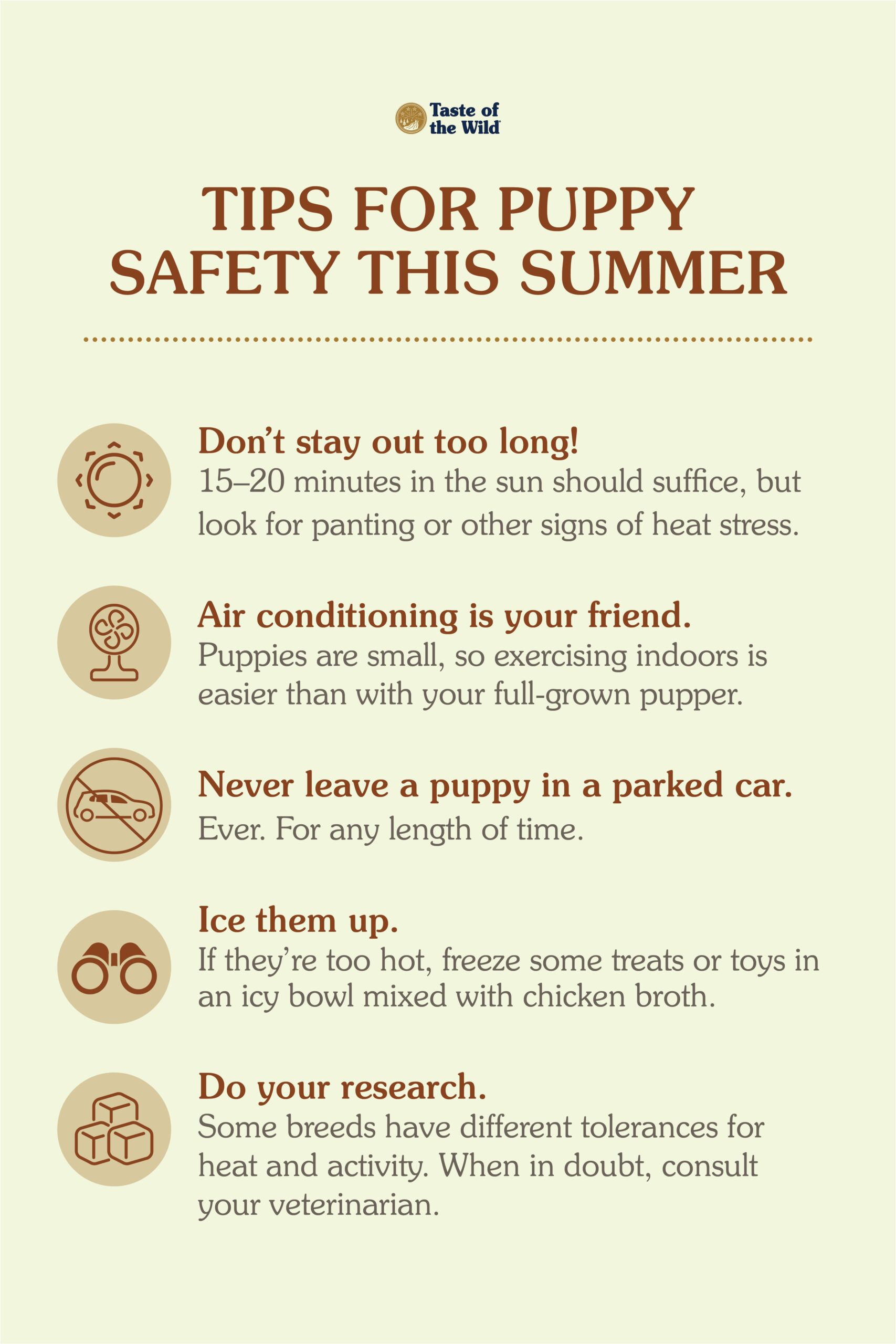
Crate training your puppy can make travel safer. It provides comfort and security for your furry friend.
Traveling with a puppy requires some preparation. Follow these tips to ensure a safe journey.
Crate For Car Rides
Choose a sturdy crate for your car. It should be well-ventilated and fit your puppy comfortably.
Place the crate in a secure area of the car. This usually means the back seat or cargo area.
- Secure the crate with seat belts or straps
- Avoid placing the crate in the front seat
- Ensure visibility for your puppy
Keeping The Puppy Secure
Before travel, familiarize your puppy with the crate. Start with short trips to build comfort.
Make the crate cozy with a soft blanket or pad. Add a favorite toy to keep your puppy entertained.
- Check crate doors are locked
- Ensure the crate is not too hot or cold
- Monitor your puppy during the ride
Credit: www.tasteofthewildpetfood.com
Frequently Asked Questions
How Long Should Crate Training A Puppy Take?
Crate training time varies by puppy but usually takes 1 to 2 weeks. Consistency and patience speed up progress. Short, positive sessions daily help your puppy adjust comfortably and build trust with the crate.
When Is The Best Age To Start Crate Training?
Start crate training as early as 8 weeks old. Puppies adapt quickly at this age. Early training establishes good habits and makes future housebreaking easier.
How Often Should A Puppy Be Crated Daily?
Puppies should be crated for short periods, about 1 hour per month of age. Avoid over-crating to prevent stress. Use the crate mainly for naps and overnight rest.
What Are Common Mistakes In Puppy Crate Training?
Common mistakes include forcing the puppy inside, using the crate as punishment, and leaving them too long. These cause fear and resistance. Always use positive reinforcement and keep sessions short.
Conclusion
Crate training helps puppies feel safe and comfortable. Be patient and consistent with your training steps. Use treats and praise to encourage good behavior. Keep training sessions short and positive each day. Puppies learn best when they feel calm and loved.
Stay calm even if mistakes happen along the way. A well-trained puppy makes life easier for everyone. Enjoy the process and watch your puppy grow confident. Good habits start small but last a lifetime.

Emily Barker is the founder of ChillDogLife.com, a space dedicated to helping pup parents discover the best dog products, lifestyle tips, and cozy ideas for happier homes.
A lifelong dog lover, Emily combines her passion for pets with a knack for research to share trusted recommendations on everything from toys and furniture to health and everyday care.
Her goal is simple: to make life easier, stylish, and more joyful for dogs and the people who love them.




