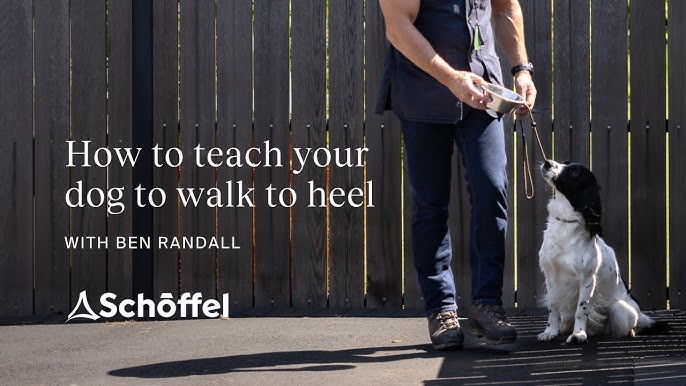
Walking your puppy for the first time can feel exciting and a little overwhelming. You want to make sure your furry friend enjoys the experience and stays safe.
But where do you start? What should you watch out for? You’ll discover simple and effective tips that will help you and your puppy enjoy every step of your first walk together. Keep reading to learn how to make those first outings smooth, fun, and stress-free—for both you and your new best friend.
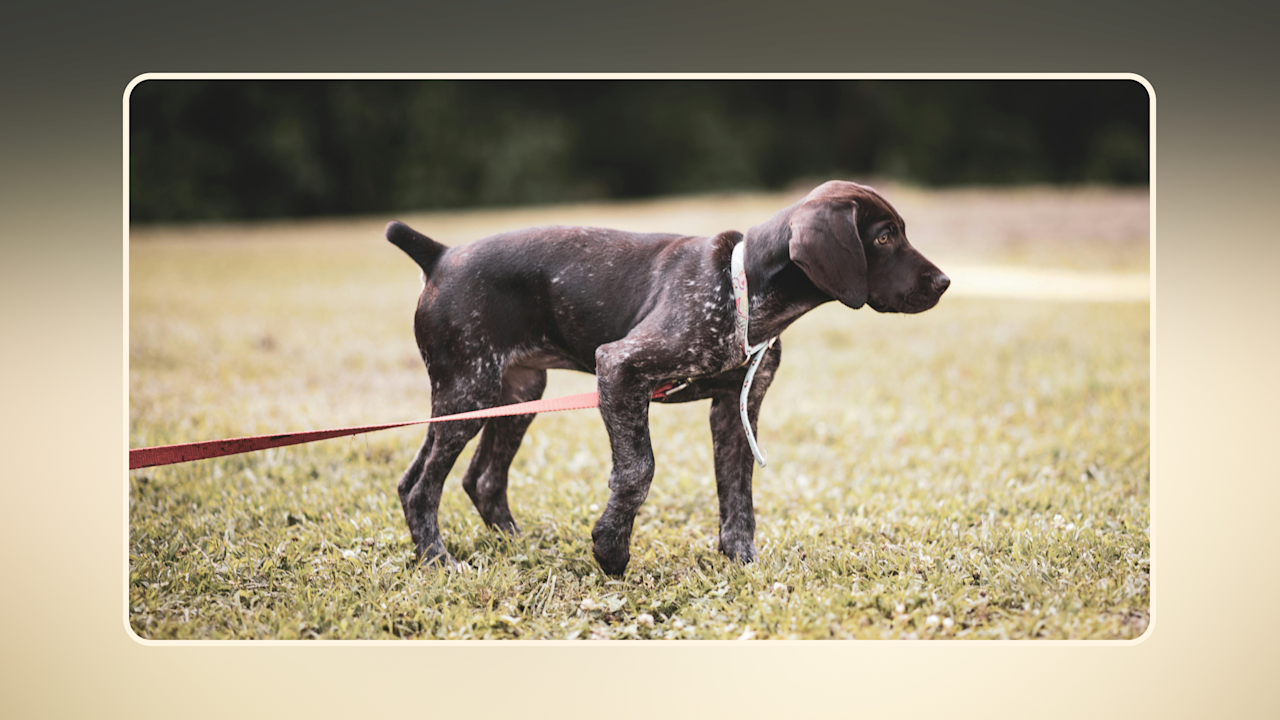
Credit: wefeedraw.com
Preparing Your Puppy
Walking a puppy for the first time needs some preparation. It helps your puppy feel safe and enjoy the walk.
Getting ready means choosing the right gear, making the area safe, and teaching basic commands. These steps make walks fun and easy.
Choosing The Right Collar And Leash
Pick a collar that fits your puppy well. It should be snug but not too tight. A soft material is best for comfort.
Use a lightweight leash that is easy to hold. Avoid heavy or long leashes for the first walks. This helps control your puppy better.
- Measure your puppy’s neck before buying a collar
- Choose adjustable collars for growth
- Use a 4 to 6-foot leash for better control
- Avoid retractable leashes for young puppies
Puppy-proofing Your Walking Area
Check the walking area for dangers before you start. Remove sharp objects and toxic plants to keep your puppy safe.
Look out for busy roads or places with heavy traffic. Choose quiet spots where your puppy can explore without stress.
- Clear any trash or small items your puppy could swallow
- Avoid areas with lots of dogs if your puppy is shy
- Pick places with soft ground to protect puppy paws
- Watch for holes or uneven surfaces that could cause trips
Training Basic Commands
Teach simple commands before walking. Commands like “sit,” “stay,” and “come” help keep control during walks.
Practice these commands in a quiet place first. Use treats and praise to encourage your puppy to listen and obey.
- Start with “sit” to calm your puppy before the walk
- Use “stay” to keep your puppy in place when needed
- Practice “come” to call your puppy back quickly
- Be patient and keep training sessions short
Starting The First Walk
Taking your puppy for the first walk is an exciting moment. It helps your puppy explore the world safely.
Keep the experience calm and fun. This will build good habits for future walks.
Keeping Walks Short And Positive
Start with short walks to avoid tiring your puppy. Keep the route simple and quiet at first.
- Limit the first walk to 5-10 minutes.
- Choose a calm place with few distractions.
- Watch your puppy’s energy and stop if tired.
- End the walk on a happy note.
Using Treats And Praise
Treats and praise encourage your puppy to behave well on walks. Reward good behavior often.
| Behavior | Reward |
|---|---|
| Walking calmly by your side | Small treat |
| Stopping when you stop | Praise and petting |
| Ignoring distractions | Verbal praise |
| Returning when called | Favorite treat |
Managing Puppy Excitement
Puppies often get excited during walks. Help them stay calm with these tips.
- Stop walking if your puppy pulls too hard.
- Use a calm voice to get your puppy’s attention.
- Give your puppy a moment to sniff and explore.
- Keep your pace steady and slow.
- Take breaks if your puppy seems overwhelmed.
Handling Common Challenges
Walking a puppy for the first time can bring many surprises. Puppies may act unpredictably due to new sights and sounds.
Knowing how to handle common issues helps make walks safe and fun for both you and your puppy.
Dealing With Pulling And Lunging
Puppies often pull or lunge during walks because they want to explore. This behavior can be hard to manage but patience is key.
- Use a harness instead of a collar to reduce neck strain.
- Stop walking when your puppy pulls and only move forward when the leash is slack.
- Reward your puppy with treats when they walk calmly by your side.
- Practice short, frequent walks to build good habits.
Calming Fearful Behavior
New places can scare puppies. They may hide behind you or refuse to move forward. Stay calm and patient.
| Fearful Signs | How to Help |
| Shaking | Speak softly and offer treats |
| Cowering | Give space and avoid forcing movement |
| Refusing to walk | Encourage gently with favorite toy |
Avoiding Overstimulation
Too many sights, sounds, and smells can overwhelm a puppy. Watch for signs of stress and act quickly.
- Excessive barking or whining
- Restlessness or spinning
- Ignoring commands
Tips to Avoid Overstimulation:
- Choose quiet routes for walks
- Keep walks short at first
- Take breaks in calm spots
- Use gentle praise to focus your puppy

Credit: zigzag.dog
Building Good Walking Habits
Walking a puppy for the first time is an exciting moment. It helps your puppy learn good behavior early.
Building good walking habits now makes future walks easier and more enjoyable for both of you.
Establishing A Walking Routine
Start walking your puppy at the same time every day. This creates a clear routine your puppy can expect.
- Choose quiet times to avoid loud noises.
- Keep walks short at first, around 5 to 10 minutes.
- Use a leash to guide your puppy gently.
- Offer praise and treats to encourage good behavior.
Socializing With Other Dogs
Meeting other dogs helps your puppy learn how to behave around others. It reduces fear and builds confidence.
| Tips for Safe Socializing | Why It Helps |
| Keep initial meetings short | Prevents your puppy from feeling overwhelmed |
| Watch for signs of stress | Ensures your puppy is comfortable |
| Choose calm, friendly dogs | Creates positive experiences |
| Reward calm behavior | Encourages good manners |
Increasing Walk Duration Gradually
Build your puppy’s stamina by slowly adding minutes to each walk. This helps avoid tiredness and injury.
- Start with 5-10 minutes per walk.
- Add 2-3 minutes every few days.
- Watch for signs of tiredness or discomfort.
- Stop or rest if your puppy seems tired.
- Keep walks fun and positive.
Safety Tips On The Walk
Walking a puppy for the first time needs care and attention. You must keep your puppy safe and comfortable throughout the walk.
Learning to spot dangers and knowing how to care for your puppy’s needs helps make every walk pleasant and secure.
Watching For Hazards
Look carefully at the path before and during the walk. Avoid sharp objects, broken glass, or trash that can hurt your puppy’s paws.
- Keep your puppy on a short leash near roads or crowds.
- Watch out for other animals that may scare or harm your puppy.
- Stay clear of busy streets and places with heavy traffic.
- Check the ground temperature on hot days to avoid burns.
Keeping Your Puppy Hydrated
Bring fresh water for your puppy to drink during the walk. Puppies get tired and thirsty quickly, especially on warm days.
| Tip | Why It Matters |
| Carry a small water bottle and bowl | Makes it easy to give water anytime |
| Offer water every 15–20 minutes | Prevents dehydration and heat stress |
| Avoid giving water from unknown sources | Stops illness from dirty water |
Recognizing Signs Of Fatigue
Watch your puppy for signs of tiredness. Puppies may not tell you when they feel tired or need a break.
- Heavy panting or drooling
- Slowing down or lagging behind
- Reluctance to keep walking
- Excessive yawning or sitting down often
If you see these signs, stop walking and let your puppy rest. Give water and a calm place to recover before moving on.
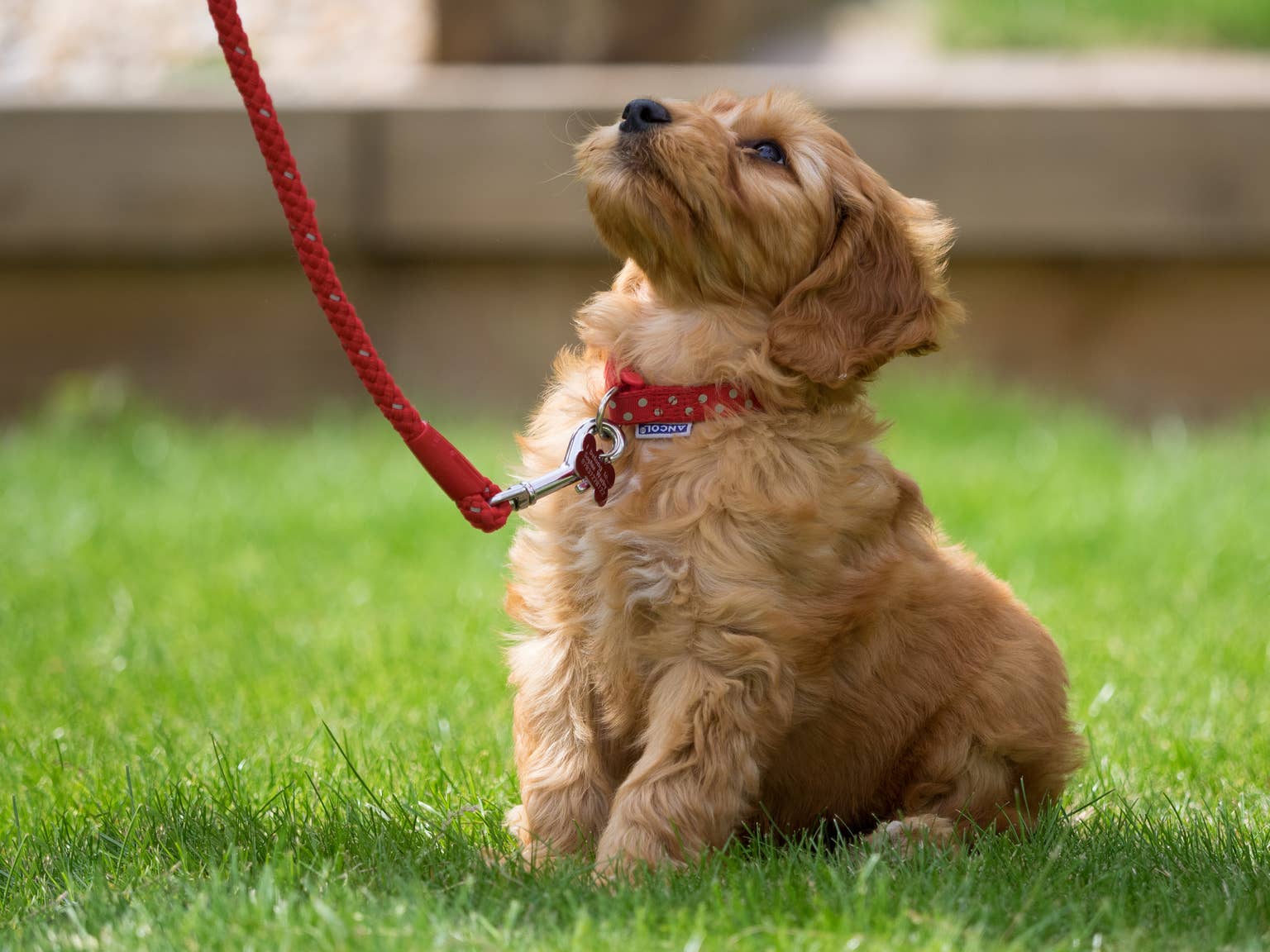
Credit: pethelpful.com
Frequently Asked Questions
How Long Should A Puppy’s First Walk Be?
A puppy’s first walk should last about 5 to 10 minutes. Keep it short to avoid tiring your puppy. Gradually increase the duration as your puppy grows and builds stamina. Always monitor for signs of fatigue or stress during the walk.
What Equipment Is Best For Walking A Puppy First Time?
Use a lightweight, comfortable harness and a short leash for control. Avoid retractable leashes for puppies as they offer less control. Ensure the harness fits well to prevent slipping or discomfort. This setup helps keep your puppy safe and secure.
How To Keep A Puppy Calm During The First Walk?
Stay calm and speak softly to reassure your puppy. Walk slowly and allow your puppy to explore surroundings at their own pace. Avoid crowded or noisy places that may cause anxiety. Treats and positive praise help create a calm, positive experience.
When Is The Best Time To Walk A Puppy First Time?
The best time is when your puppy is fully vaccinated, usually after 12-16 weeks. Choose a quiet time of day with mild weather to avoid stress. Early morning or late afternoon walks are often ideal for comfort and safety.
Conclusion
Walking a puppy for the first time can be joyful. Take it slow and enjoy the moment. Remember, patience is key with your furry friend. Puppies learn best in a calm environment. Reward good behavior with gentle praise. Consistent practice helps build confidence.
Watch for signs of tiredness or discomfort. Always keep safety in mind. Use a comfortable leash and harness. Walking together strengthens your bond. Enjoy these moments with your puppy. They grow up fast!

Emily Barker is the founder of ChillDogLife.com, a space dedicated to helping pup parents discover the best dog products, lifestyle tips, and cozy ideas for happier homes.
A lifelong dog lover, Emily combines her passion for pets with a knack for research to share trusted recommendations on everything from toys and furniture to health and everyday care.
Her goal is simple: to make life easier, stylish, and more joyful for dogs and the people who love them.




