Training your puppy can feel overwhelming at times. You want your furry friend to grow into a well-behaved, happy companion, but where do you start?
The good news is, with the right tips and a little patience, you can make training easier and even fun for both of you. You’ll discover simple, effective techniques that will help your puppy learn quickly and build a strong bond with you.
Keep reading, and you’ll soon see your puppy transform into the best version of themselves.
Choosing The Right Training Method
Training a puppy takes patience and the right approach. Picking the best training method helps your puppy learn fast.
Each puppy is different. Choosing a method that fits your puppy’s personality makes training easier and more fun.
Positive Reinforcement Techniques
Positive reinforcement means rewarding good behavior. It helps puppies understand what you want them to do.
Use treats, praise, or petting when your puppy follows a command. This encourages your puppy to repeat the behavior.
- Give a small treat immediately after good behavior
- Use happy words like “Good job” or “Well done”
- Pet or gently praise your puppy to show approval
- Keep training sessions short and fun
Avoiding Punishment
Punishing your puppy can cause fear and confusion. It may slow down learning or cause bad behavior.
Instead of punishment, focus on guiding your puppy. Redirect unwanted behavior to something positive.
- Do not yell or hit your puppy
- Ignore minor bad behavior when safe
- Use a firm “No” but stay calm
- Show what behavior you want instead
Consistency Is Key
Be consistent with your commands and rewards. This helps your puppy learn what to expect.
Use the same words and gestures every time. Everyone in the family should follow the same training rules.
- Use simple and clear commands
- Reward good behavior each time
- Practice training daily for short sessions
- Make sure all family members use the same commands

Credit: www.lilyskitchen.co.uk
Establishing A Routine
Training a puppy is easier when you have a clear routine. Puppies learn better with regular habits.
A good routine helps your puppy feel safe and understand what to expect each day.
Setting Training Times
Choose specific times each day for training sessions. This helps your puppy prepare to learn.
Short, frequent sessions work best. Puppies get tired quickly and need breaks.
- Train after meals and naps
- Keep sessions 5 to 10 minutes long
- Repeat training at the same times daily
Creating A Safe Space
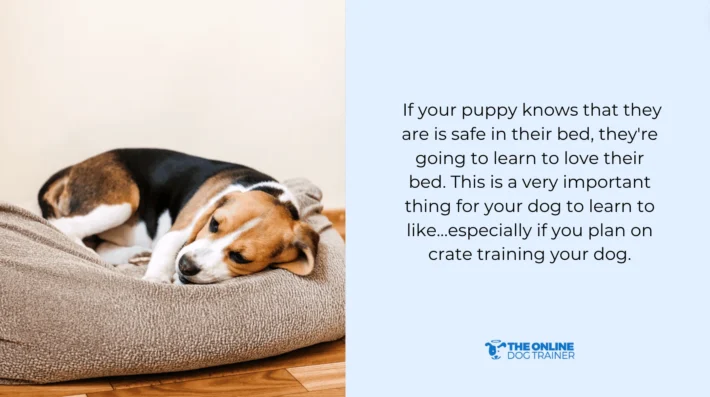
A safe space lets your puppy feel calm and secure. Use a quiet corner or crate for this area.
This space should have soft bedding and favorite toys. Avoid loud noises and distractions here.
- Use the safe space for rest and calm time
- Never use it as a punishment area
- Keep it clean and comfortable
Balancing Play And Rest
Puppies need both active play and quiet rest. Balancing these helps them grow healthy and happy.
After playtime, give your puppy time to relax. This prevents over-excitement and stress.
- Play with your puppy for short periods
- Watch for signs of tiredness
- Give quiet time in the safe space after play
Basic Commands To Teach First
Training your puppy is easier when you start with simple commands. These commands help your puppy learn good behavior.
Focus on clear commands and reward your puppy often. This builds trust and helps learning.
Sit And Stay
The “Sit” command teaches your puppy to stop and sit down. It helps control your puppy in many situations.
“Stay” asks your puppy to wait without moving. It keeps your puppy safe and calm.
- Hold a treat above your puppy’s nose.
- Move the treat back slowly to make your puppy sit.
- Say “Sit” clearly and give the treat.
- For “Stay,” use a hand signal and say “Stay.”
- Give a reward if the puppy stays still for a few seconds.
Come When Called
Teach your puppy to come to you when you call its name. It helps keep your puppy safe and close.
Use a happy tone and reward your puppy with treats or praise when it comes to you.
- Call your puppy’s name clearly.
- Say “Come” in a friendly voice.
- Reward your puppy with treats or petting.
- Practice in a quiet place first.
- Gradually try in places with more distractions.
Leash Walking Basics
Leash walking teaches your puppy to walk beside you. It makes walks safe and fun for both of you.
Use a short leash and stop walking if your puppy pulls. Reward your puppy when it walks calmly.
- Attach the leash and let your puppy get used to it.
- Start walking slowly and keep the leash loose.
- Stop walking if your puppy pulls ahead.
- Call your puppy back and reward when close.
- Practice often to build good habits.
Credit: www.petco.com
Handling Common Challenges
Training a puppy comes with many challenges. Understanding these issues helps you guide your puppy better.
This guide covers common problems like biting, house training, and separation anxiety.
Biting And Chewing
Puppies bite and chew to explore the world and soothe their gums. Teaching them what is okay to chew is important.
- Give your puppy plenty of chew toys.
- Redirect biting to toys, not hands or clothes.
- Use a firm “no” if the puppy bites hard.
- Reward gentle play with praise and treats.
- Be patient; teething lasts several months.
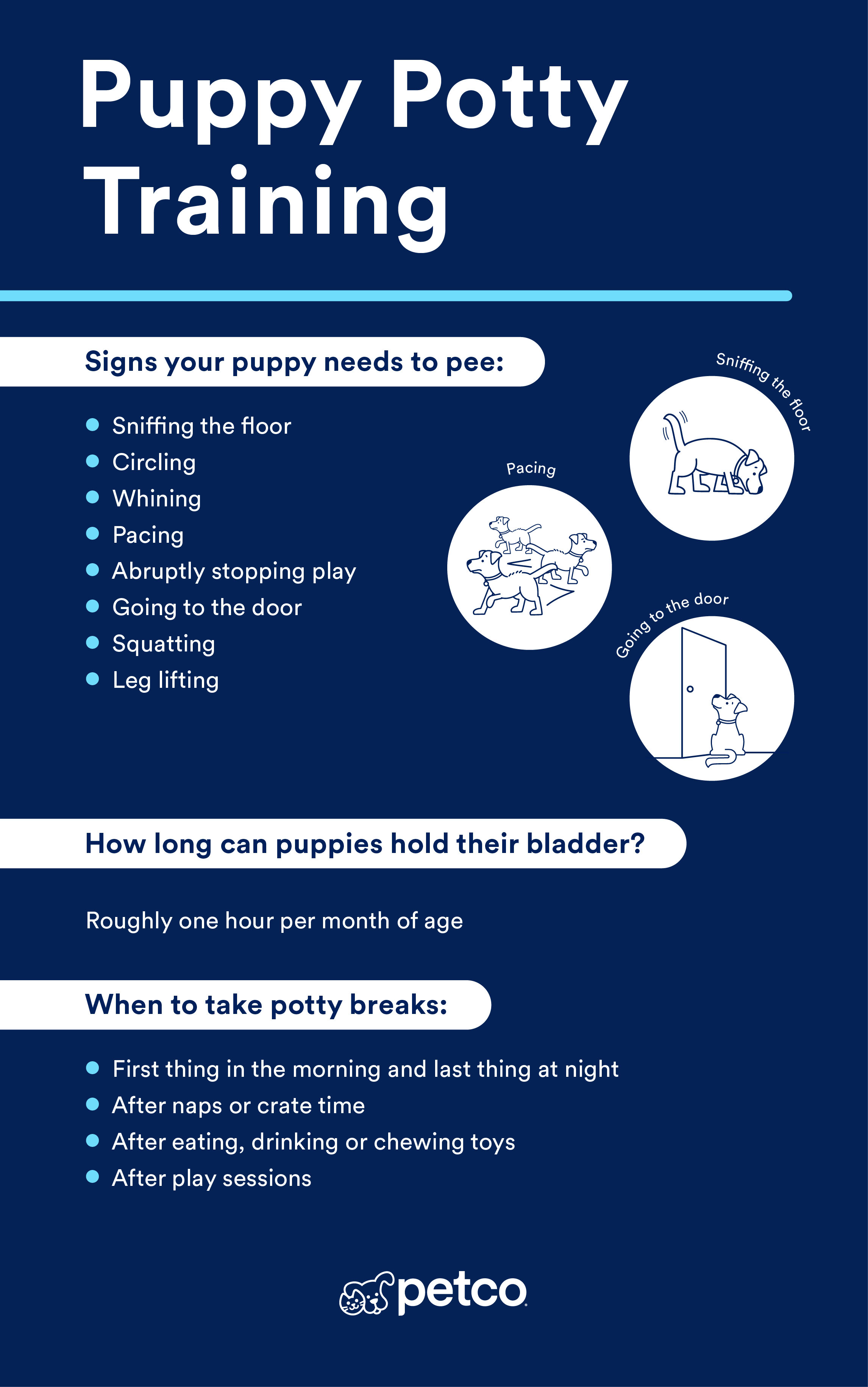
House Training Tips
Consistent routines help puppies learn where to go potty. Patience and timing are key to success.
| Tip | Description |
| Set Schedule | Take puppy out at regular times daily. |
| Use Commands | Say a phrase like “Go potty” when outside. |
| Reward Success | Give treats immediately after puppy goes. |
| Watch Signs | Look for sniffing or circling indoors. |
| Clean Accidents | Use enzyme cleaners to remove odors. |
Managing Separation Anxiety
Separation anxiety can cause barking and destructive behavior. Helping your puppy feel safe is important.
Try these tips to ease anxiety:
- Practice short departures and returns calmly.
- Give a special toy or treat when you leave.
- Create a cozy space with the puppy’s bed and toys.
- Keep departures low-key to avoid stress.
- Gradually increase time alone over days.
Using Treats And Rewards Effectively
Training puppies with treats helps them learn fast. Treats act as a clear reward for good behavior.
Using treats the right way keeps your puppy motivated. It also builds a strong bond between you two.
Choosing The Right Treats
Pick treats that your puppy loves and can eat safely. Small, soft treats work best for quick rewards.
- Use treats low in calories to avoid weight gain.
- Choose treats with natural ingredients and no harmful additives.
- Break bigger treats into smaller pieces for frequent rewards.
- Try different flavors to find what your puppy prefers.
Timing And Frequency
Give treats right after your puppy does the right thing. This helps them connect the reward with the action.
| Training Stage | Treat Frequency | Notes |
| Early Training | Every time | Build strong habits quickly |
| Middle Stage | Most times | Encourage consistency |
| Advanced Stage | Sometimes | Use treats less often to avoid dependence |
Transitioning Away From Treats
Slowly replace treats with praise and petting. This helps your puppy listen without always needing food.
- Start giving treats only for new or hard commands.
- Praise your puppy with happy words and pets instead of treats.
- Use treats as a surprise, not a daily reward.
- Be patient and keep training fun.
Credit: theonlinedogtrainer.com
Socialization Strategies
Training puppies includes teaching them to be social. Socialization helps puppies grow into friendly dogs. It is important to expose puppies to different people, dogs, and environments.
With the right strategies, your puppy can learn to feel comfortable in various situations. This guide will help you understand how to introduce your puppy to new people, other dogs, and different environments.
Introducing New People
Start by introducing your puppy to family members. Let them give the puppy treats. This helps the puppy associate people with positive experiences.
Invite friends over to meet your puppy. Make sure the environment is calm. Avoid overwhelming your puppy with too many new faces at once.
- Keep introductions short and positive
- Watch your puppy for signs of stress
- Use treats to encourage calm behavior
Meeting Other Dogs
Introduce your puppy to other dogs in a controlled setting. Choose dogs that are known to be friendly and well-behaved.
Let the dogs sniff and interact naturally. Keep the leash loose to allow freedom of movement. Supervise closely to ensure safety.
- Start with calm, gentle dogs
- Watch for play signals like wagging tails
- Separate if any dog shows aggression
Exposure To Different Environments
Take your puppy to various places like parks, streets, and shops. This helps them get used to different sights, sounds, and smells.
Start with quiet locations and gradually move to busier ones. Keep the first visits short and increase the duration as your puppy gets comfortable.
- Visit new places regularly
- Introduce new experiences slowly
- Reward calm behavior with treats
Monitoring Progress And Adjusting
Training puppies requires patience and observation. Monitoring their progress is key to successful training. Adjusting techniques helps address individual needs.
Each puppy learns at its own pace. It’s important to track their progress and adapt methods to keep them engaged.
Tracking Milestones
Setting milestones helps in tracking your puppy’s progress. Regular check-ins ensure they are on the right path.
| Milestone | Expected Timeframe |
| Sit Command | 1-2 weeks |
| Stay Command | 3-4 weeks |
| Potty Training | 4-6 weeks |
Adapting Techniques
Not all techniques work for every puppy. Adjust your approach based on their reactions and progress.
- Use positive reinforcement for good behavior
- Introduce new commands gradually
- Be consistent with training sessions
When To Seek Professional Help
If progress stalls, consider professional help. Trainers offer tailored advice and advanced techniques.
Frequently Asked Questions
How Often Should I Train My Puppy Daily?
Training sessions should be short and frequent, around 5-10 minutes, 2-3 times daily. Puppies learn better with consistent, regular practice to build good habits.
What Is The Best Age To Start Training Puppies?
Start training as early as 7-8 weeks old. Early training helps puppies develop positive behaviors and social skills quickly and effectively.
How Can I Keep My Puppy Motivated During Training?
Use treats, praise, and toys as rewards. Positive reinforcement keeps puppies engaged and eager to learn new commands and behaviors.
What Are Common Mistakes In Puppy Training To Avoid?
Avoid punishment, inconsistency, and long sessions. Negative methods can harm your puppy’s trust and slow down learning progress.
Conclusion
Training puppies takes time, patience, and lots of love. Small steps bring big progress. Praise good behavior often to encourage learning. Keep training sessions short and fun to hold attention. Remember, consistency helps puppies understand what you want. Mistakes are normal; stay calm and try again.
Building a strong bond makes training easier for both. Enjoy the journey with your puppy every day. This foundation sets your puppy up for a happy, well-behaved life.

Emily Barker is the founder of ChillDogLife.com, a space dedicated to helping pup parents discover the best dog products, lifestyle tips, and cozy ideas for happier homes.
A lifelong dog lover, Emily combines her passion for pets with a knack for research to share trusted recommendations on everything from toys and furniture to health and everyday care.
Her goal is simple: to make life easier, stylish, and more joyful for dogs and the people who love them.




