
Teething time can be tough—for both you and your puppy. You might notice your furry friend chewing on everything in sight, from your favorite shoes to furniture legs.
It’s frustrating, but it’s also a natural part of your puppy’s growth. What if you could ease this phase and protect your home at the same time? You’ll discover simple, effective tips that help your teething puppy feel better and keep your belongings safe.
Keep reading—you’re just a few steps away from turning this challenging stage into a smoother experience for both of you.

Credit: pupford.com
Signs Of Teething In Puppies
Teething is a normal process for puppies as their baby teeth fall out. New adult teeth start coming in during this time. It can be uncomfortable for the puppy.
Knowing the signs of teething helps you take better care of your puppy. It can also prevent damage to your belongings.
Common Symptoms To Watch For
Puppies show several signs when they are teething. These symptoms are usually easy to spot. They help you understand what your puppy is feeling.
- Chewing on everything they find
- Red or swollen gums
- Drooling more than usual
- Small drops of blood on toys or bedding
- Reduced appetite or trouble eating
- Restlessness or difficulty sleeping
Behavioral Changes During Teething
Teething can make puppies act differently. Their mood and behavior may change as they feel discomfort.
Some common behavior changes include increased biting and whining. They may also want more attention from you.
- More biting and nipping during play
- Increased whining or crying
- Seeking extra comfort and attention
- Less interest in usual activities
- More chewing on furniture or shoes
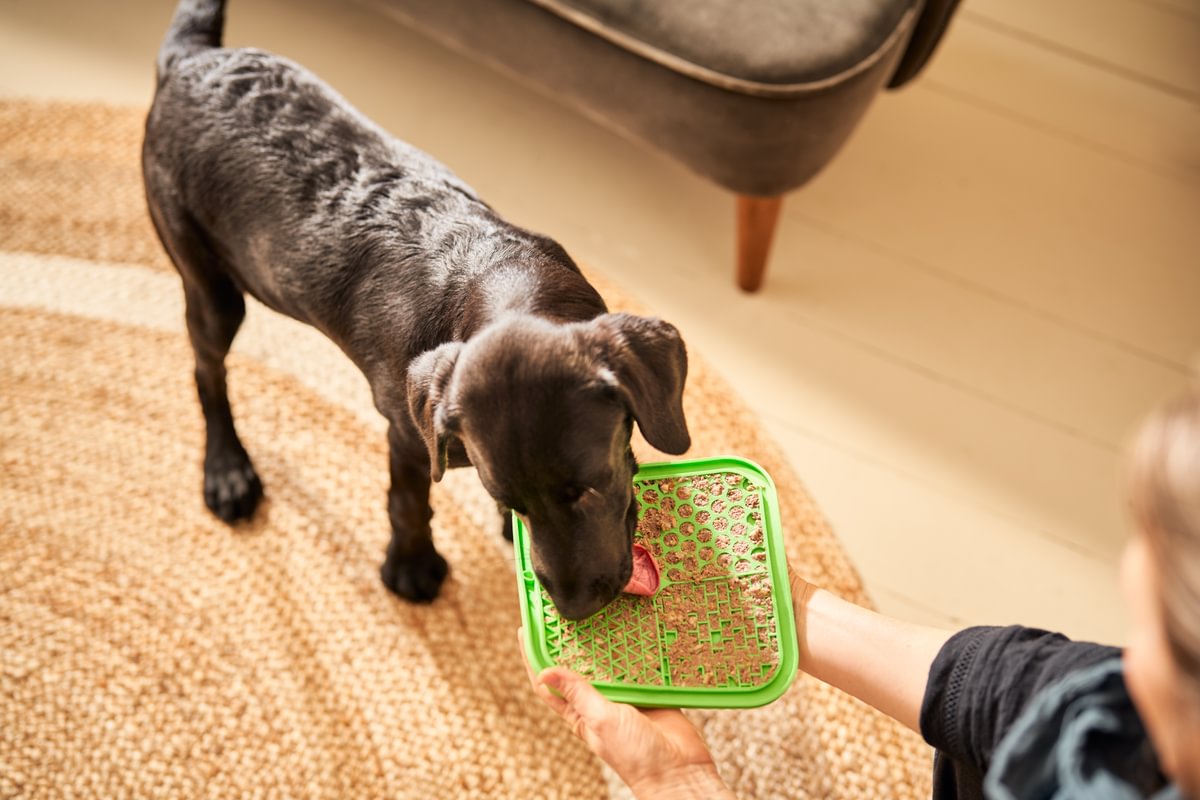
Credit: forthglade.com
Safe Chewing Alternatives
Teething puppies need safe items to chew on. Chewing helps soothe their sore gums.
Providing safe chew options keeps puppies from chewing dangerous things. It protects their teeth and your belongings.
Best Toys For Teething Puppies
Choose toys made for teething puppies. These toys are soft but strong enough to chew.
Look for toys that can be chilled. Cold toys help numb gums and reduce pain.
- Rubber toys designed for puppies
- Soft nylon chew toys
- Frozen or chilled rubber rings
- Textured teething rings
Homemade Chew Options
You can make safe chews at home. Use simple ingredients that are gentle on puppy teeth.
Always watch your puppy while they chew homemade treats to avoid choking.
- Frozen carrot sticks
- Plain, unsweetened yogurt drops frozen into small pieces
- Wet washcloths twisted and frozen
- Ice cubes with a little peanut butter inside (xylitol-free)
Soothing Techniques
Teething can be tough for puppies. Their gums may feel sore and itchy. Using soothing methods can help ease their discomfort.
Try different ways to calm your puppy. Gentle care and special treats can make a big difference.
Cold Treats And Chews
Cold items can numb your puppy’s sore gums. Chewing helps reduce pain and stops them from biting furniture.
- Frozen carrot sticks are safe and crunchy.
- Chilled wet washcloths offer a soft chew option.
- Ice cubes wrapped in a cloth prevent choking hazards.
- Special frozen puppy chew toys are designed to soothe gums.
Gentle Massage And Care
Massaging your puppy’s gums helps ease pain and improves blood flow. Use soft fingers and gentle pressure.
| Massage Tip | How to Do It |
|---|---|
| Use clean fingers | Wash hands before touching gums |
| Apply gentle pressure | Lightly rub the gums in small circles |
| Short sessions | Massage for 1-2 minutes, several times a day |
| Watch puppy’s reaction | Stop if the puppy shows discomfort |
Training Tips During Teething
Teething puppies often bite because their gums hurt. Training helps them learn good behavior.
Use simple steps to guide your puppy through this phase. Patience and consistency are key.
Redirecting Biting Behavior
When your puppy bites, offer a toy instead. This teaches them what is okay to chew on.
Keep a variety of chew toys nearby. This helps distract your puppy from biting hands or furniture.
- Say “No” firmly but calmly when biting starts
- Give a toy immediately after to redirect
- Remove yourself briefly if biting continues
- Repeat this every time the puppy bites
Positive Reinforcement Strategies
Praise your puppy when they chew on toys instead of biting. This encourages good habits.
Use treats or kind words to reward gentle play. This builds trust and good behavior.
- Give a treat after the puppy uses a chew toy
- Use a happy voice to praise good actions
- Ignore biting to avoid giving attention
- Be patient and consistent with rewards
Maintaining Puppy Oral Health
Teething is a tough time for puppies and their owners. It affects their gums and teeth.
Good oral care helps puppies grow healthy teeth and strong jaws. Start early to build good habits.
Cleaning Emerging Teeth
Clean your puppy’s teeth gently as soon as they start to appear. Use a soft, damp cloth or a finger brush made for dogs.
Do not use human toothpaste. Choose toothpaste made for puppies or consult your vet for a safe option.
- Brush teeth once a day to remove plaque
- Be gentle to avoid hurting sore gums
- Use toys that promote chewing and cleaning
- Check for any unusual redness or swelling
When To Visit The Vet
Visit the vet if your puppy has bad breath, bleeding gums, or trouble eating. These can signal health problems.
Your vet can check teeth growth and give advice on care. Early visits help prevent bigger issues.
- Gums that are red or swollen
- Teeth that do not come in properly
- Excessive drooling or chewing
- Signs of pain when eating

Credit: forthglade.com
Preventing Damage At Home
Teething puppies love to chew on things. This can lead to damage in your home. Here are some tips to protect your belongings.
With the right strategies, you can keep your home safe and your puppy happy.
Protecting Furniture And Belongings
Puppies are curious and chew on anything. Protect your furniture and belongings from damage.
- Use furniture covers to shield surfaces.
- Keep shoes and clothes in closed closets.
- Provide chew toys to distract your puppy.
- Place valuable items out of reach.
Setting Boundaries Early
Teaching your puppy boundaries early can prevent future problems. Set clear rules from the start.
- Designate areas where your puppy can play.
- Use baby gates to block off restricted zones.
- Train your puppy with simple commands like “no” and “leave it”.
Frequently Asked Questions
How Long Does Puppy Teething Usually Last?
Puppy teething typically lasts between 3 to 6 months. It starts around 3 weeks and ends by 6 months. During this time, puppies lose baby teeth and grow adult teeth. Proper care helps ease discomfort and protects your puppy’s oral health.
What Are The Best Teething Toys For Puppies?
The best teething toys are durable, safe, and soothing. Look for rubber or nylon toys that can be chilled. These help reduce gum pain and prevent destructive chewing. Avoid small or soft toys that can be swallowed or cause choking.
How Can I Soothe My Teething Puppy’s Gums?
You can soothe gums by giving cold chew toys or frozen washcloths. Gentle gum massages with your finger also help. Providing plenty of water and distractions, like playtime, can reduce discomfort and keep your puppy calm.
Is It Normal For Puppies To Chew Everything While Teething?
Yes, chewing is normal during teething as it relieves pain. Puppies explore with their mouths and chew to soothe gums. Provide safe chew toys to protect your belongings and support healthy teething habits.
Conclusion
Teething can be tough for puppies and their owners. Offering safe chew toys helps ease discomfort. Keep an eye on your puppy’s habits daily. Patience and care build a strong bond between you. Puppies grow fast, and teething soon ends.
Enjoy this special, sometimes messy, puppy stage. Your puppy will thank you with happy, healthy teeth. Small steps make a big difference in teething times. Stay calm, stay kind, and keep your pup safe.

Emily Barker is the founder of ChillDogLife.com, a space dedicated to helping pup parents discover the best dog products, lifestyle tips, and cozy ideas for happier homes.
A lifelong dog lover, Emily combines her passion for pets with a knack for research to share trusted recommendations on everything from toys and furniture to health and everyday care.
Her goal is simple: to make life easier, stylish, and more joyful for dogs and the people who love them.




