Have you ever stopped to think about how clean your dog’s toys really are? Those colorful balls, squeaky chewies, and plush pals might look harmless, but they can hide germs that affect your furry friend’s health.
You want the best for your dog, right? Keeping their toys clean isn’t just about tidiness—it’s about protecting your pet from infections and keeping playtime safe and fun. Wondering if you should wash dog toys and how often? Keep reading, because what you learn here could make a big difference in your dog’s well-being.

Credit: www.bringfido.com
Why Clean Dog Toys Matter
Keeping your dog's toys clean is essential for their well-being. Dirty toys can carry harmful germs and cause health issues. Regular cleaning protects your dog from infections and keeps playtime safe. It also extends the life of the toys, saving money in the long run.
Health Risks Of Dirty Toys
Dirty dog toys can hold bacteria, mold, and dirt. These germs can cause mouth infections and stomach problems. Dogs might swallow harmful bacteria, leading to vomiting or diarrhea. Toys left unwashed also attract pests like fleas and ticks. This creates more health risks for your pet.
Preventing Bacterial Build-up
Washing toys regularly stops bacteria from growing. Clean toys reduce bad smells and keep your dog’s mouth fresh. Use warm water and pet-safe soap for cleaning. Dry toys completely before giving them back to your dog. This simple habit protects your dog’s health every day.

Credit: www.earthrated.com
How Often To Wash Dog Toys
Wondering how often to wash your dog’s toys? This is a common question among pet owners who want to keep their furry friends healthy and happy. Keeping your dog’s toys clean is essential to prevent the spread of germs and ensure a safe play environment. But the frequency of cleaning can vary based on several factors. Let’s dive into the details.
Factors Influencing Cleaning Frequency
Several factors determine how often you should wash your dog’s toys. The material of the toy is a significant factor. Soft, plush toys can harbor bacteria more easily than rubber or plastic ones. If your dog takes their toys outside, they may need more frequent cleaning due to dirt exposure.
Your dog’s habits also play a role. If your pet loves to chew or slobber on their toys, washing them more often might be necessary. Consider your dog’s health too. A dog with a weaker immune system may benefit from more frequent cleaning of their toys to avoid potential illnesses.
Signs Your Dog’s Toys Need Cleaning
Keep an eye out for signs that your dog’s toys need cleaning. A strong, unpleasant odor is a clear indication that it’s time for a wash. If you notice visible dirt or grime, it’s definitely time for a clean-up.
Check for any sticky or slimy residues on the toys, as these can be breeding grounds for bacteria. If your dog suddenly loses interest in a toy, it could be because it smells bad or is too dirty for their liking. Don’t wait for these signs to appear; regular maintenance can prevent these issues from arising.
So, how often do you wash your dog’s toys? Have you noticed a difference in your pet’s health or behavior after a good clean? Your experiences can guide you in developing the perfect cleaning schedule for your pet’s toys.
Safe Cleaning Methods
Keeping your dog’s toys clean is essential for their health and happiness. Choosing safe cleaning methods protects both your pet and the toys themselves. Let’s explore practical ways to clean different types of dog toys without risking damage or exposing your pup to harmful chemicals.
Washing Plastic And Rubber Toys
Plastic and rubber toys are usually durable and can handle a good scrub. Use warm water and mild dish soap to clean them thoroughly. Scrub all surfaces with a brush to remove dirt and grime, then rinse well to avoid soap residue.
For tougher stains, soak the toys in a mixture of water and white vinegar for about 30 minutes. Vinegar is natural and safe for your dog but effectively breaks down buildup. After soaking, rinse the toys thoroughly and let them air dry completely before giving them back to your dog.
Cleaning Plush And Fabric Toys
Plush and fabric toys can harbor dirt and germs deep inside the fibers. Many of these toys are machine washable, so check the label first. Use a gentle cycle with cold water and pet-safe detergent to avoid irritating your dog’s skin.
If machine washing isn’t an option, hand wash the toys in warm water with a mild detergent. Gently squeeze out excess water and let the toys air dry in a well-ventilated area. Avoid using a dryer as it can damage the fabric or shrink the toy.
Using Pet-friendly Cleaning Solutions
Not all cleaning products are safe for your dog. Avoid harsh chemicals like bleach or ammonia, which can cause irritation or poisoning. Instead, opt for pet-friendly solutions like diluted white vinegar, baking soda, or specially formulated pet toy cleaners.
These gentle options clean effectively without leaving harmful residues. Have you checked the ingredients on your current cleaning products? Switching to pet-safe alternatives can make a big difference in your dog’s health and comfort.
Drying And Storing Toys
Drying and storing dog toys properly helps keep them safe and lasts longer. Wet toys can grow mold or bacteria. Storing toys well keeps them clean and ready to use. Follow simple steps to dry and store dog toys effectively.
Best Practices For Drying
- Air dry toys in a clean, dry place.
- Avoid direct sunlight to prevent damage and fading.
- Use a towel to remove excess water from plush toys.
- For hard toys, let them dry completely before giving to your dog.
- Do not use a dryer unless the toy label says it is safe.
- Ensure toys are fully dry to stop mold and bad smells.
Proper Toy Storage Tips
- Store toys in a clean container or basket.
- Keep storage away from dirt and moisture.
- Separate clean toys from dirty or chewed ones.
- Rotate toys regularly to keep your dog interested.
- Check toys often for damage and replace if needed.
- Use breathable storage bags for cloth toys to avoid mildew.
When To Replace Dog Toys
Knowing when to replace your dog’s toys is just as important as washing them. Over time, toys can become unsafe or less enjoyable for your pet. Keeping an eye on their condition protects your dog and keeps playtime fun and stimulating.
Identifying Wear And Tear
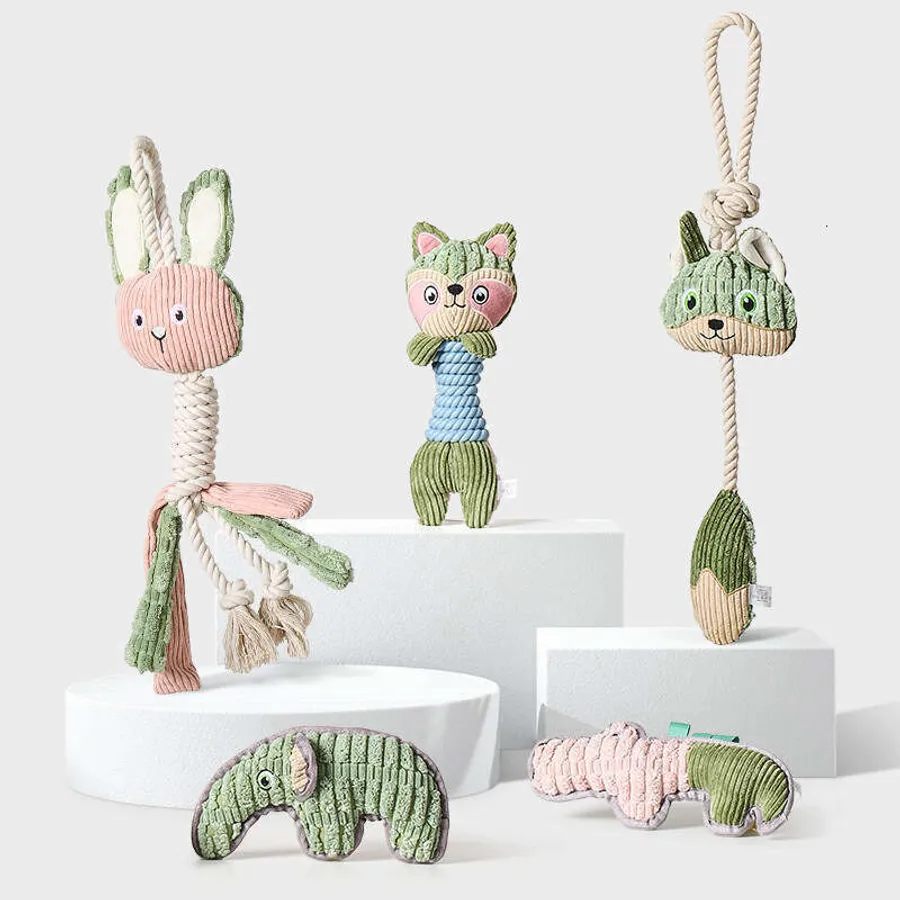
Check your dog’s toys regularly for signs of damage. Look for cracks, tears, or missing pieces that your dog could swallow or choke on. Soft toys with loose stuffing or squeakers that no longer work are clear signals it’s time for a new one.
Have you noticed your dog losing interest in a toy? Sometimes, worn-out toys just don’t excite them anymore. Replacing these can bring back their enthusiasm and keep their minds engaged.
Choosing Durable Toys
Select toys made from tough materials if your dog is a heavy chewer. Rubber, nylon, and hard plastics often last longer and withstand rough play better than plush or foam toys. Don’t hesitate to invest in quality—durable toys save money and hassle over time.
Remember, no toy is indestructible. Rotate toys regularly to extend their lifespan and reduce boredom. This simple habit helps you spot wear early and gives your dog fresh options to enjoy.
Credit: smart.dhgate.com
Frequently Asked Questions
How Often Should I Wash Dog Toys?
Wash dog toys weekly to remove dirt and bacteria. Frequent cleaning prevents infections and keeps toys safe for chewing and playing.
Can Washing Dog Toys Prevent Illnesses?
Yes, regular washing reduces germs and harmful bacteria. Clean toys help prevent infections, allergies, and digestive issues in dogs.
What Is The Best Way To Wash Dog Toys?
Use warm water and mild soap for cleaning. For plush toys, machine wash on gentle cycle and air dry.
Are All Dog Toys Washable?
Most dog toys are washable, but check labels first. Hard rubber and nylon toys clean easily; fabric toys may need gentle washing.
Conclusion
Keeping dog toys clean helps your pet stay healthy and happy. Dirt and germs build up quickly on toys. Washing them regularly stops bacteria and bad smells. It also keeps toys lasting longer and looking nice. Choose safe cleaning methods that suit each toy’s material.
Simple steps make a big difference in your dog’s life. Clean toys mean fewer vet visits and more playtime fun. Don’t forget to check toys often for damage or wear. A little care goes a long way in caring for your dog’s favorite items.

Emily Barker is the founder of ChillDogLife.com, a space dedicated to helping pup parents discover the best dog products, lifestyle tips, and cozy ideas for happier homes.
A lifelong dog lover, Emily combines her passion for pets with a knack for research to share trusted recommendations on everything from toys and furniture to health and everyday care.
Her goal is simple: to make life easier, stylish, and more joyful for dogs and the people who love them.




