Bringing a new puppy into your home is exciting, but house training can feel overwhelming. You want your furry friend to learn quickly, without stress or accidents taking over your space.
What if you could make this process smooth, effective, and even enjoyable? You’ll discover simple, proven puppy house training tips that work. By following these steps, you’ll build a strong bond with your puppy and create a happy, clean home for both of you.
Keep reading to unlock the secrets to successful house training!
Choosing The Right Spot
Picking a good place for your puppy to go potty helps training go smooth. The spot should be easy to reach and safe for your puppy.
Think about where your puppy spends most of the time. This will make it easier for your puppy to learn the right place.
Indoor Vs Outdoor Areas
Decide if your puppy will go inside or outside to potty. Each area has good and bad points.
- Indoor Areas:Use potty pads or indoor grass mats. Good for bad weather.
- Outdoor Areas:Use the yard or garden. Gives fresh air and space to explore.
- Safety:Make sure the spot is safe and clean. Avoid busy or dangerous places.
Consistency In Location
Always take your puppy to the same spot. This helps your puppy remember where to go.
| Benefit | Why It Helps |
| Easy to learn | Puppy connects the spot with potty time. |
| Less accidents | Puppy knows where to go every time. |
| Faster training | Clear routine for puppy and owner. |

Credit: www.redbarn.com
Setting A Schedule
Training a puppy needs clear times for feeding and bathroom breaks. A good schedule helps your puppy learn faster.
Keeping a routine makes your puppy feel safe. It also helps avoid accidents inside the house.
Feeding Times
Feed your puppy at the same times every day. This helps their body get used to a routine.
Most puppies need three to four meals daily. Avoid free feeding to control their diet and training.
- Morning meal around 7-8 AM
- Midday meal around 12-1 PM
- Evening meal around 5-6 PM
- Optional late snack if needed
Potty Break Intervals
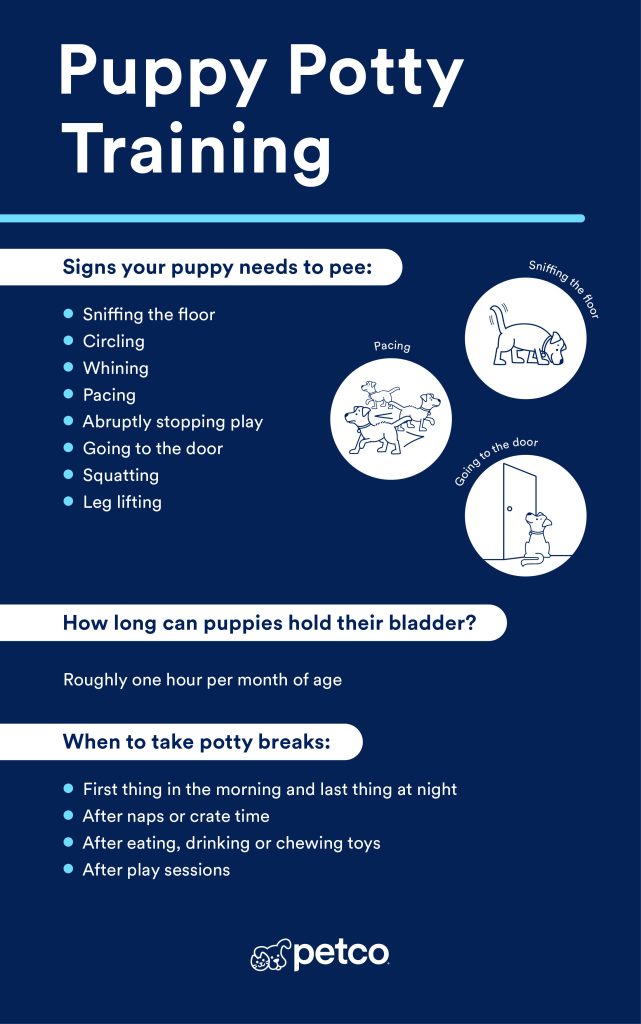
Take your puppy outside often to prevent accidents. Young puppies need breaks every hour or two.
Watch for signs your puppy needs to go. Consistent breaks build good bathroom habits.
- First thing in the morning
- After each meal
- After playtime or naps
- Before bedtime
Using Positive Reinforcement
Positive reinforcement helps puppies learn good behavior. It makes training fun and effective.
By rewarding good actions, puppies repeat them more often. Rewards include treats, praise, and play.
Treats And Praise
Treats and praise are powerful tools to encourage puppies. Use small tasty treats as rewards.
- Give a treat right after good behavior
- Use cheerful words like “Good job!” or “Well done!”
- Pet your puppy gently to show love
- Keep praise lively and happy to motivate
- Change treats to keep your puppy interested
Timing Rewards
Timing is key when giving rewards. Puppies must connect the reward with the right action.
| Action | Reward Timing |
|---|---|
| Sitting on command | Give treat immediately after sitting |
| Coming when called | Reward as soon as puppy reaches you |
| Waiting patiently | Praise and treat right after waiting |
| Ignoring distractions | Offer reward while distraction is present |

Credit: www.lilyskitchen.co.uk
Crate Training Benefits
Crate training helps puppies feel safe and comfortable. It teaches them good habits and keeps your home tidy.
This training method can reduce anxiety and prevent destructive behavior. It also makes travel and vet visits easier for your puppy.
Choosing The Right Crate
Select a crate that fits your puppy’s size. The crate should be big enough for them to stand, turn, and lie down comfortably.
- Measure your puppy from nose to tail
- Pick a crate slightly larger than your puppy
- Choose a material that fits your lifestyle, like plastic or metal
- Consider a crate with a divider for growth
Introducing The Crate
Introduce the crate slowly to your puppy. Make it a positive place with treats and toys inside.
| Step | Action |
| 1 | Place the crate in a busy area of your home |
| 2 | Open the door and let your puppy explore freely |
| 3 | Feed meals near or inside the crate |
| 4 | Close the door for short times while your puppy is inside |
| 5 | Increase crate time gradually with praise |
Recognizing Signs
Training a puppy to use the potty requires attention to their actions. Puppies often show signs before they need to go.
Knowing these signs helps you act fast and guide them properly. Watch your puppy closely to catch these moments.
Common Behaviors Before Potty
Puppies use body language to tell you they need to potty. Some common behaviors include sniffing, circling, or whining.
- Sniffing the floor or walls
- Circling around a spot
- Whining or barking softly
- Suddenly stopping play
- Looking at the door or owner
Acting Quickly
Once you see these signs, act fast to take your puppy outside. Delay can cause accidents inside the house.
| Sign | Action |
| Sniffing or circling | Pick up your puppy gently |
| Whining | Lead your puppy to the potty spot |
| Stopping play | Pause activities and focus on potty |
| Looking at the door | Open door and go outside quickly |
Handling Accidents
Training your puppy can be challenging. Accidents will happen. It is important to know how to handle them calmly and effectively. This guide will help you manage those little mishaps with ease.
Handling accidents properly will aid in faster training. It teaches your puppy the right behavior. Let’s explore some tips to help you manage these situations.
Cleaning Techniques
Cleaning accidents the right way is crucial. It prevents your puppy from returning to the same spot. Proper cleaning also removes odors completely.
Use an enzyme-based cleaner. It breaks down the proteins in urine. This type of cleaner is more effective than regular soap and water.
- Blot the area with a paper towel.
- Apply enzyme-based cleaner generously.
- Let it sit for at least 10 minutes.
- Blot again until dry.
Avoiding Punishment
Punishing your puppy for accidents is not effective. It can cause fear and anxiety. This may lead to more accidents or unwanted behavior.
Instead, focus on positive reinforcement. Praise your puppy for going outside. Give treats and affection when they do the right thing.
- Stay calm during accidents.
- Use positive reinforcement.
- Be consistent with training.
- Reward good behavior immediately.
Building Patience
Training a puppy requires a lot of patience. It is a time to build a strong bond with your furry friend. Understanding how to handle the process calmly will make it easier for both of you.
Remember, every puppy learns at its own pace. Being patient will help you stay consistent and positive throughout the journey.
Staying Consistent
Consistency is key in puppy training. It helps your puppy understand what is expected. Set a daily routine to make training predictable for your puppy.
- Feed your puppy at the same times each day.
- Take your puppy out for bathroom breaks regularly.
- Use the same commands for specific actions.
Managing Setbacks
Setbacks are a normal part of puppy training. They can be frustrating, but staying calm is essential. Recognize the triggers causing these setbacks.
| Setback | Possible Cause | Solution |
| Accidents indoors | Unclear bathroom schedule | Set regular potty breaks |
| Ignoring commands | Distractions | Train in a quiet space |
| Crying at night | Separation anxiety | Provide comfort objects |
Credit: res.cloudinary.com
Frequently Asked Questions
How Long Does Puppy House Training Usually Take?
Puppy house training typically takes 4 to 6 months. Consistency and positive reinforcement speed up the process. Every puppy learns at its own pace, so patience is key.
What Is The Best Method For Puppy House Training?
The best method combines crate training with scheduled potty breaks. Reward your puppy immediately after they eliminate outside. This approach builds good habits quickly and reduces accidents.
How Often Should I Take My Puppy Outside?
Take your puppy outside every 1 to 2 hours. Also, go out after meals, naps, and play sessions. Frequent trips help puppies learn where to go and prevent accidents.
What Are Common Mistakes In Puppy House Training?
Common mistakes include inconsistent schedules, punishing accidents, and lack of supervision. Avoid these to ensure faster learning. Positive reinforcement and routine are essential for success.
Conclusion
House training a puppy takes patience and care. Consistency helps your puppy learn faster. Use praise to encourage good behavior. Expect accidents; they are part of learning. Keep routines simple and clear for your dog. Remember, every puppy learns at their own pace.
Stay calm and keep trying every day. Soon, your puppy will understand the rules. Enjoy the journey of training your new friend.

Emily Barker is the founder of ChillDogLife.com, a space dedicated to helping pup parents discover the best dog products, lifestyle tips, and cozy ideas for happier homes.
A lifelong dog lover, Emily combines her passion for pets with a knack for research to share trusted recommendations on everything from toys and furniture to health and everyday care.
Her goal is simple: to make life easier, stylish, and more joyful for dogs and the people who love them.




