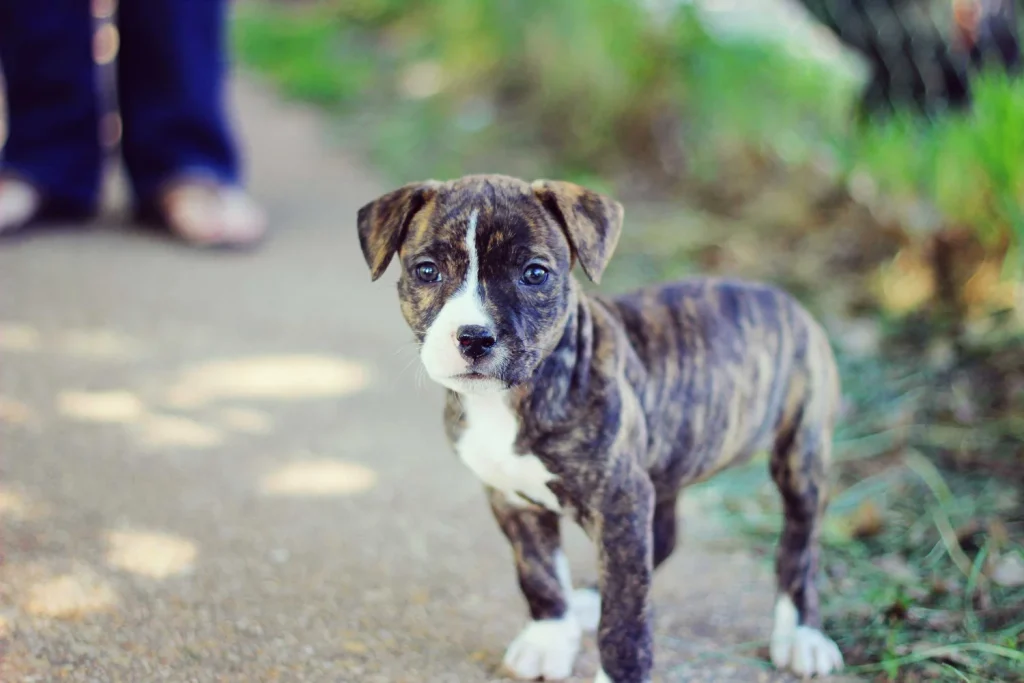
Bringing a pitbull puppy into your life is exciting, but it can also feel overwhelming. You want to give your new furry friend the best start, but where do you begin?
This guide is made just for you. Inside, you’ll find simple, clear tips that will help you raise a happy, healthy pitbull puppy. Whether it’s training, socializing, or caring for their health, these tips will make your journey easier and more rewarding.
Keep reading to discover how you can build a strong bond with your pitbull puppy right from day one.
Choosing The Right Pitbull Puppy
Choosing a Pitbull puppy is an exciting time. It is important to pick the right puppy for your home.
Good choices help ensure your puppy grows healthy and happy. You should learn key tips before making a decision.
Selecting A Reputable Breeder
Choose a breeder who cares about the dogs. They should provide clean living spaces and good care.
A good breeder will answer all your questions and show health records for the puppies.
- Visit the breeder’s facility in person
- Ask about the puppy’s parents and their history
- Check for proper vaccinations and health checks
- Look for breeders who raise puppies with social contact
Evaluating Puppy Health
Healthy puppies have bright eyes and clean coats. They should be active and curious.
Check for signs of illness like coughing, sneezing, or runny eyes. Avoid puppies that look weak or sick.
- Look for clear, bright eyes without discharge
- Check the puppy’s nose for wetness and no crust
- Healthy skin should be clean and free of sores
- Observe if the puppy moves easily and plays
- Ask about recent vet visits and vaccines
Temperament And Personality Traits
Each Pitbull puppy has a unique personality. Choose one that matches your lifestyle and energy.
Look for puppies that are friendly and curious. Avoid those that seem overly shy or aggressive.
- Observe how the puppy interacts with people
- Choose a puppy that is playful but not too wild
- Look for calmness if you want a gentle pet
- Ask the breeder about the puppy’s behavior around others
Preparing Your Home For A Pitbull Puppy
Getting a pitbull puppy is exciting. Your home needs to be safe and ready. This helps your puppy feel happy and secure.
Setting up the right spaces and supplies will make life easier for both of you. Let’s look at the key points to prepare your home well.
Safe Spaces And Puppy-proofing
Create a calm and safe area for your puppy. This helps them rest and feel secure. Remove or block anything that could hurt your puppy.
- Cover electrical cords and outlets
- Keep small objects out of reach
- Use baby gates to limit access to stairs
- Secure trash cans with lids
- Remove toxic plants and chemicals
Essential Supplies To Have
Your puppy needs some basic supplies from day one. These items help with care and training. Be sure to have everything ready before your puppy arrives.
| Supply | Purpose |
| Crate | Safe space and training |
| Collar and leash | Control and walks |
| Food and water bowls | Feeding and hydration |
| Puppy food | Nutrition |
| Toys | Exercise and mental stimulation |
| Chew items | Teething relief |
Setting Up A Feeding Area
Choose a quiet spot for feeding. This helps your puppy eat calmly. Keep the area clean and use the same place every time.
- Place food and water bowls on a mat
- Feed at regular times each day
- Clean bowls after every meal
- Watch your puppy eat to prevent choking
- Store puppy food in a sealed container
Nutrition And Feeding Guidelines
Feeding a pitbull puppy the right way helps them grow strong and healthy. Proper nutrition builds muscles and supports their energy needs.
Understanding what to feed and how often keeps your puppy happy. This guide covers good food choices and feeding tips.
Best Puppy Food Options
Choose foods made for large breed puppies. These have the right balance of nutrients. Look for high protein and fat content to support growth.
- Dry kibble with real meat as the first ingredient
- Wet food with natural ingredients and no fillers
- Puppy formulas with DHA for brain development
- Grain-free options if your puppy has allergies
- Foods rich in calcium and phosphorus for bone health
Feeding Schedule And Portions
Feed your pitbull puppy several small meals a day. This helps digestion and keeps energy steady. Adjust portions as your puppy grows.
| Age | Meals per Day | Portion Size (cups) |
|---|---|---|
| 8 to 12 weeks | 4 | ¼ to ½ |
| 3 to 6 months | 3 | ½ to 1 |
| 6 to 12 months | 2 | 1 to 1½ |
| 12 months and older | 2 | 1½ to 2 |
Avoiding Harmful Foods
Some foods are dangerous for pitbull puppies. Keep these away to prevent illness or poisoning.
- Chocolate and anything with caffeine
- Grapes and raisins
- Onions and garlic
- Alcohol and caffeinated drinks
- Raw dough or uncooked meat
Credit: pethelpful.com
Training And Socialization Tips
Training and socialization are key for a happy Pitbull puppy. Teaching good habits early helps your dog grow confident and well-behaved.
Using clear commands and positive interactions makes learning easier. Socializing your puppy with people and pets reduces fear and aggression.
Basic Commands To Teach
Start with simple commands to build your puppy’s skills and trust. Consistency and patience are important during training sessions.
- Sit:Teach your puppy to sit on command for control and calmness.
- Stay:Helps your dog remain in place until released.
- Come:Essential for safety and recall.
- Leave it:Prevents your puppy from picking up harmful items.
- Down:Encourages calm behavior and respect.
Socializing With People And Pets
Expose your Pitbull puppy to many people and other animals. This helps prevent fear or aggression as they grow.
- Invite friends and family to meet your puppy gently.
- Visit dog-friendly parks or pet stores often.
- Allow calm, supervised playtime with other dogs.
- Introduce new sounds and places gradually.
- Reward calm and friendly behavior with treats.
Handling Common Behavioral Issues
Some behaviors need careful attention to keep your puppy safe and happy. Use positive methods to correct unwanted actions.
| Issue | Cause | Tip |
| Biting | Teething or play | Offer chew toys and redirect gently |
| Jumping | Excitement | Ignore until calm, then reward |
| Excessive Barking | Boredom or alert | Provide toys and train quiet command |
| Pulling on Leash | High energy | Use short leash and stop walking when pulling |
Health Care And Vet Visits
Taking care of a pitbull puppy involves regular health check-ups. Vet visits are essential for a healthy start.
Your puppy needs vaccinations and parasite prevention. Recognizing signs of illness is also important.
Vaccination Schedule
Vaccinations protect your puppy from diseases. Follow your vet’s recommended schedule for shots.
- 6-8 weeks: Distemper, Parvovirus
- 10-12 weeks: DHPP (Distemper, Hepatitis, Parainfluenza, Parvovirus)
- 14-16 weeks: Rabies
- Annually: Booster shots
Preventing Parasites
Parasites can harm your puppy. Use preventive treatments to keep them away.
- Fleas: Monthly topical or oral medications
- Ticks: Regular check-ups and preventive collars
- Worms: Deworming tablets as prescribed by the vet
Recognizing Signs Of Illness
Watch for signs of illness in your puppy. Early detection helps in quick treatment.
- Loss of appetite
- Diarrhea or vomiting
- Excessive coughing or sneezing
- Unusual tiredness or weakness

Credit: www.thepuppyacademy.com
Exercise And Playtime Needs
Pitbull puppies are full of energy. They need regular exercise to stay healthy and happy.
Without enough playtime, they might become bored or restless. It’s important to meet their activity needs daily.
Daily Activity Requirements
Pitbull puppies require a mix of physical activities. This helps them grow strong and prevents behavior issues.
- Walk for at least 30 minutes each day.
- Include play sessions in a fenced yard.
- Visit a dog park for social interaction.
Safe Toys And Games
Choosing safe toys is vital for your puppy’s well-being. Avoid toys that can be easily swallowed.
- Rubber balls for chewing and fetching
- Rope toys for tug-of-war
- Interactive puzzles to engage their mind
Mental Stimulation Techniques
Mental exercises are as important as physical ones. They keep your puppy’s brain active and sharp.
| Technique | Description |
| Hide and Seek | Hide treats around the house for your puppy to find. |
| Training Sessions | Teach basic commands like sit and stay. |
| Interactive Toys | Use toys that dispense treats to challenge their mind. |
Grooming And Hygiene
Keeping your pitbull puppy clean and healthy is very important. Good grooming helps your puppy feel comfortable and stay safe from infections.
Regular care of your pitbull’s coat, nails, ears, and teeth will keep them happy. It also helps you notice any problems early on.
Bathing And Brushing
Bath your pitbull puppy only when needed, about once a month. Use a gentle dog shampoo to avoid skin irritation.
Brush your puppy’s coat two to three times a week. Brushing removes loose hair and keeps the coat shiny.
- Use a soft brush made for short hair
- Brush in the direction of hair growth
- Check for ticks or skin problems while brushing
Nail Trimming And Ear Cleaning
Trim your puppy’s nails every two to three weeks. Long nails can hurt their paws and cause walking problems.
Clean your pitbull’s ears once a week. Use a damp cloth or special ear cleaner for dogs to remove dirt and wax.
- Use a nail clipper made for dogs
- Avoid cutting too close to the quick (the pink part)
- Check ears for bad smell or redness
- Do not insert anything deep into the ear canal
Dental Care Tips
Brush your puppy’s teeth at least two times a week. This stops bad breath and tooth problems.
Use toothpaste made for dogs only. Human toothpaste can harm your puppy.
- Choose a soft-bristled dog toothbrush
- Start brushing gently and slowly
- Offer dental chews to help clean teeth
- Visit the vet for regular dental check-ups
Credit: pethelpful.com
Building A Strong Bond
Building a strong bond with your pitbull puppy helps them feel safe and loved. It sets the foundation for good behavior and trust.
Spending time and using the right methods will make your relationship grow stronger every day.
Positive Reinforcement Methods
Positive reinforcement means rewarding good behavior to encourage it to happen again. It helps your puppy learn and feel happy.
- Give treats when your puppy follows a command.
- Use kind words and pet your puppy gently.
- Play with your puppy after they do something right.
- Avoid punishment, focus on rewards instead.
Understanding Puppy Body Language
Reading your puppy’s body language helps you know how they feel. It lets you respond in the best way.
| Body Signal | Meaning |
| Wagging tail | Happy and friendly |
| Yawning | Feeling stressed or tired |
| Raised hackles | Alert or scared |
| Rolling over | Trusting and relaxed |
Creating Routine And Consistency
Pitbull puppies need a clear routine to feel safe. Consistency helps them learn what to expect every day.
Try to keep these daily habits:
- Feed your puppy at the same time each day.
- Take your puppy outside regularly for bathroom breaks.
- Set regular times for play and training.
- Use the same commands and rules all the time.
Frequently Asked Questions
How Do I Train A Pitbull Puppy Effectively?
Start training early with positive reinforcement techniques. Use treats and praise to encourage good behavior. Be consistent and patient. Socialize your puppy with other dogs and people regularly. Avoid harsh punishments to build trust and confidence.
What Are Common Health Issues In Pitbull Puppies?
Pitbull puppies may face hip dysplasia, allergies, and skin problems. Regular vet visits help detect issues early. Provide a balanced diet and exercise to maintain health. Keep vaccinations and parasite control up to date.
How Much Exercise Does A Pitbull Puppy Need?
Pitbull puppies need at least 30 to 60 minutes of exercise daily. Activities like walks, playtime, and training keep them fit. Adequate exercise helps reduce behavioral problems and supports mental stimulation.
What Is The Best Diet For Pitbull Puppies?
Feed high-quality puppy food rich in protein and nutrients. Choose brands formulated for medium to large breeds. Avoid overfeeding to prevent obesity. Consult your vet for portion sizes and feeding schedules.
Conclusion
Caring for a pitbull puppy takes time and patience. Start training early to build good habits. Give plenty of love and clear rules. Keep your puppy safe with regular vet visits. Play often to help them stay happy and healthy.
Remember, every puppy learns at their own pace. Enjoy the journey and watch your puppy grow strong and kind. Your effort will create a loyal, loving friend for life. Simple steps make a big difference in raising a happy pitbull.

Emily Barker is the founder of ChillDogLife.com, a space dedicated to helping pup parents discover the best dog products, lifestyle tips, and cozy ideas for happier homes.
A lifelong dog lover, Emily combines her passion for pets with a knack for research to share trusted recommendations on everything from toys and furniture to health and everyday care.
Her goal is simple: to make life easier, stylish, and more joyful for dogs and the people who love them.




