
Bringing a Labradoodle puppy into your home is exciting, but it also comes with challenges. You want your new furry friend to grow happy, healthy, and well-behaved.
That’s where the right tips can make all the difference. Imagine having simple, clear advice that helps you understand your puppy’s needs and builds a strong bond from day one. Keep reading, and you’ll discover easy steps to make your Labradoodle’s early days smooth and joyful—for both of you.
Choosing Your Labradoodle Puppy
Choosing a Labradoodle puppy is an exciting step. It takes thought and care to find the right fit for your home.
Learning about the breed and where to get your puppy helps you make a good choice. This guide covers key points to consider.
Breed Traits To Expect
Labradoodles are friendly and smart dogs. They often have curly or wavy coats that shed little.
These dogs need daily exercise and love to play. They do well with families and enjoy company.
- Coat types vary: curly, wavy, or straight
- Generally low-shedding, good for allergy sufferers
- High energy; need regular walks and playtime
- Friendly and social with people and pets
- Intelligent and easy to train
Finding A Responsible Breeder
A good breeder cares about the health and temperament of their puppies. They test parent dogs for genetic issues.
Ask the breeder questions and visit the place if you can. Puppies should be raised in a clean, loving environment.
- Check for health clearances on parent dogs
- Meet the puppy’s parents when possible
- Observe the living conditions of the puppies
- Request references from past buyers
- Ensure the breeder provides support after adoption
Adoption Considerations
Adopting a Labradoodle can be a kind choice. Rescue groups sometimes have Labradoodles or mixes needing homes.
Adoption offers a chance to give a dog a new life. Be ready to ask about the dog’s history and health.
- Check local shelters and breed-specific rescues
- Ask about the dog’s behavior and medical records
- Prepare for possible training or adjustment time
- Consider adult dogs if you want to skip puppy stage
- Adoption fees usually cover vaccinations and spaying/neutering
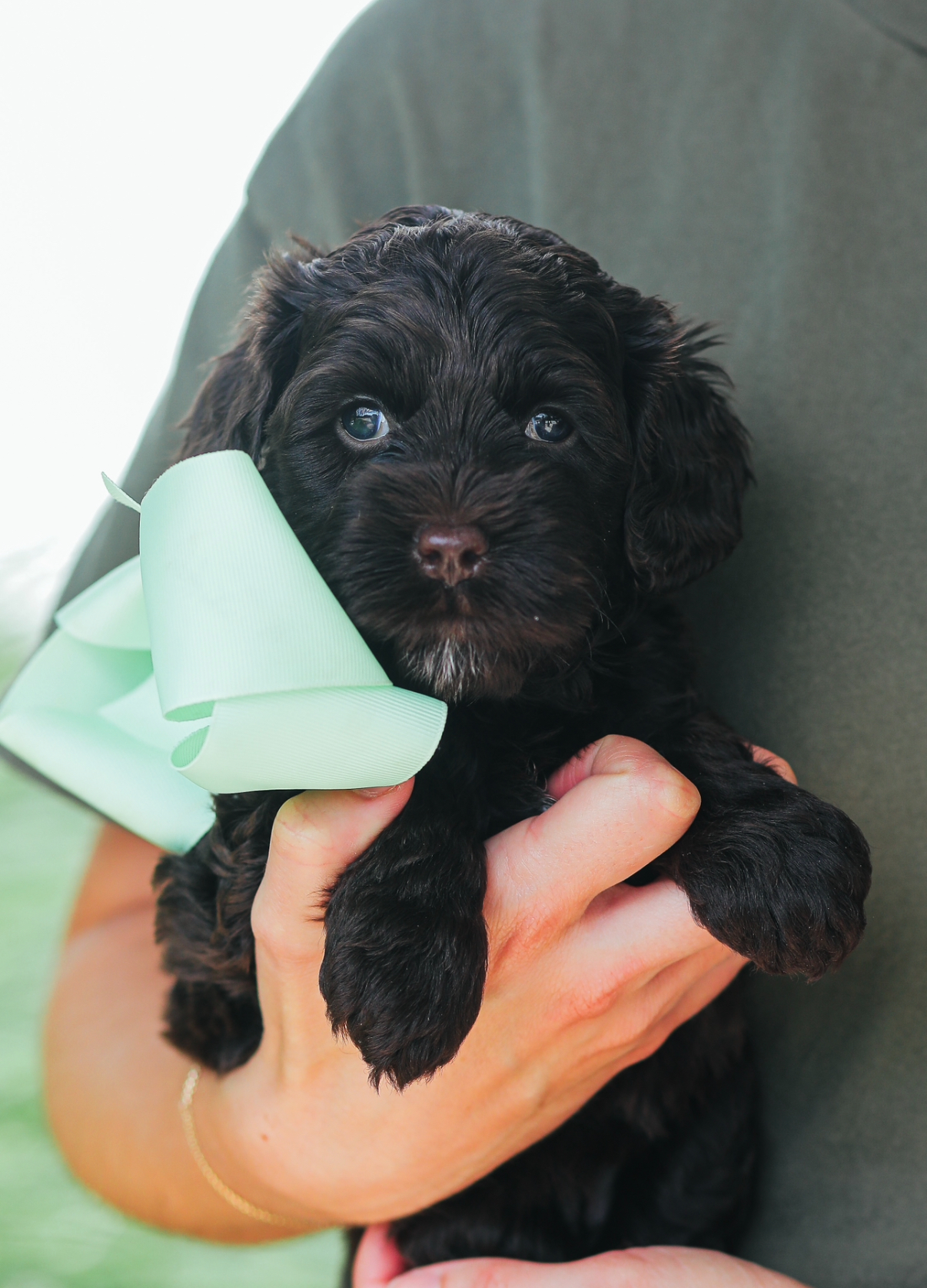
Credit: colonialvillagelabradoodles.com
Preparing Your Home
Bringing a Labradoodle puppy home is exciting. You need to prepare your space carefully. This helps your puppy feel safe and happy.
Setting up the right environment makes training easier. It also keeps your puppy healthy and secure as it grows.
Safe Spaces And Puppy Proofing
Create a cozy area where your puppy can rest. Use a crate or a small pen. This space should be quiet and free from hazards.
- Remove small objects that your puppy could swallow.
- Cover electrical cords to avoid chewing.
- Keep cleaning supplies out of reach.
- Block off stairs or areas that are unsafe.
- Use baby gates to limit access to some rooms.
Essential Supplies
Gather all supplies before your puppy arrives. These items help you care for your new pet every day.
| Supply | Purpose |
| Food and Water Bowls | Provide meals and hydration |
| Puppy Food | Meet nutritional needs |
| Collar and Leash | Control and identification |
| Crate or Bed | Safe resting spot |
| Toys | Chewing and play |
| Grooming Tools | Keep coat clean and healthy |
Setting Up A Routine
A daily schedule helps your puppy learn and feel secure. Consistent times for feeding, potty breaks, and play are important.
- Feed your puppy at the same times each day.
- Take your puppy outside often for bathroom breaks.
- Spend time playing to build trust and energy.
- Set a regular bedtime to help your puppy rest well.
Feeding Your Labradoodle
Feeding your Labradoodle the right way helps it grow strong and healthy. Good nutrition supports its energy and happiness.
Learn how to choose food, set a feeding schedule, and avoid common diet mistakes for your puppy.
Best Puppy Foods
Select puppy foods rich in protein and healthy fats. These help your Labradoodle build muscles and brain function.
- Look for foods with real meat listed first
- Choose brands with added vitamins and minerals
- Pick formulas made for medium to large breeds
- Avoid foods with fillers like corn or wheat
- Consider wet or dry food based on your puppy’s preference
Feeding Schedule
Keep a regular feeding schedule to help your puppy’s digestion and behavior.
| Age | Meals per Day | Portion Size |
| 8 to 12 weeks | 4 meals | Small, measured portions |
| 3 to 6 months | 3 meals | Moderate portions |
| 6 to 12 months | 2 meals | Regular portions |
| 1 year and older | 2 meals | Adult size portions |
Avoiding Common Diet Mistakes
Keep your Labradoodle healthy by avoiding these feeding errors.
- Do not overfeed to prevent obesity
- Avoid sudden food changes to stop stomach upset
- Do not give human snacks or table scraps
- Keep fresh water available at all times
- Watch for allergies or food sensitivities

Credit: www.notchhilllabradoodles.com
Training Basics
Training a Labradoodle puppy can be a fun and rewarding experience. These tips will help you understand the basics of training your furry friend.
Start early and be consistent to ensure your puppy learns the right behaviors. Let’s dive into some essential training areas.
Housebreaking Tips
Housebreaking your Labradoodle puppy is a crucial step. It requires patience and a routine.
- Take your puppy outside after meals and naps.
- Use a consistent command like “Go potty” to associate the action.
- Reward your puppy with a treat after successful attempts.
Socialization Strategies
Socialization helps your puppy become a well-adjusted adult dog. It involves exposing them to various environments and experiences.
To socialize your puppy effectively, consider the following:
- Introduce them to different people and pets.
- Visit busy places like parks and markets.
- Expose them to various sounds and sights.
Basic Commands To Teach
Teaching basic commands is essential for good behavior. Start with simple commands and gradually increase complexity.
| Command | Action |
| Sit | Have your puppy sit before meals. |
| Stay | Teach them to stay in place until released. |
| Come | Call them to you for rewards. |
Health Care Essentials
Taking care of a Labradoodle puppy means paying close attention to its health. You must know the key steps to keep your puppy strong and happy.
This guide covers important health care tips like vaccination timing, common health problems, and the need for vet visits.
Vaccination Timeline
Vaccines protect your Labradoodle puppy from serious diseases. Following the right schedule keeps your puppy safe as it grows.
- 6 to 8 weeks: First vaccines for distemper and parvovirus.
- 10 to 12 weeks: Second dose including adenovirus and parainfluenza.
- 14 to 16 weeks: Final core vaccines and rabies shot.
- 12 to 16 months: Booster vaccines to maintain immunity.
Common Health Issues
Labradoodles can face certain health problems. Early detection helps manage these conditions well.
| Health Issue | Symptoms | Prevention |
| Hip Dysplasia | Limping, difficulty standing | Maintain healthy weight, avoid high impact |
| Allergies | Itchy skin, redness, licking paws | Regular grooming, avoid allergens |
| Ear Infections | Head shaking, bad odor, redness | Keep ears clean and dry |
| Eye Problems | Redness, discharge, cloudiness | Regular eye checks |
Regular Vet Visits
Visits to the vet keep your puppy healthy. The vet checks growth and spots issues early.
- Schedule visits every 3 months during the first year.
- Keep vaccination records up to date.
- Talk about diet and exercise with your vet.
- Ask about dental care and parasite control.
Grooming Your Labradoodle
Grooming your Labradoodle keeps them healthy and happy. Their coat needs regular care to stay soft and clean.
Good grooming also helps you spot any skin problems early. It builds a strong bond between you and your puppy.
Coat Care Techniques
Labradoodles have curly or wavy coats that need gentle care. Use a slicker brush to remove tangles and mats.
- Brush at least three times a week
- Use a comb for sensitive areas like ears and tail
- Trim hair around eyes to keep vision clear
- Visit a professional groomer every few months
Bathing And Brushing Tips
Bath your Labradoodle every four to six weeks. Use dog shampoo made for sensitive skin to avoid irritation.
| Bathing Tip | Reason |
| Use lukewarm water | Prevents discomfort and skin dryness |
| Rinse thoroughly | Removes all shampoo to avoid itching |
| Dry with a towel or low heat dryer | Prevents chills and coat damage |
| Brush coat after drying | Keeps fur smooth and tangle-free |
Nail And Ear Maintenance
Check your puppy’s nails every two weeks. Trim nails carefully to prevent overgrowth and pain.
- Look inside ears for redness or bad smell
- Use a damp cotton ball to clean outer ear
- Avoid inserting anything deep into the ear canal
- Visit a vet if you notice discharge or swelling
Exercise And Playtime
Labradoodle puppies need regular exercise to stay healthy and happy. Playtime helps them build muscles and burn energy. It also strengthens the bond between you and your puppy.
Balancing physical activity with mental challenges keeps your Labradoodle sharp. Both types of play are important for their growth and behavior.
Daily Activity Needs
Your Labradoodle requires daily walks and play sessions. Puppies have lots of energy but can tire quickly. Short bursts of exercise work best.
- Two 15-minute walks per day
- 10 minutes of fetch or tug-of-war
- Rest periods between activities
- Safe, soft surfaces for running
Mental Stimulation Games
Exercise is not just physical. Mental games keep your puppy’s mind active. This reduces boredom and prevents bad habits.
- Hide treats around the house
- Use puzzle toys to find food
- Teach simple commands like sit and stay
- Play scent tracking games
Safe Outdoor Play
Outdoor play is great for fresh air and new smells. Always watch your puppy closely. Keep them safe from hazards like busy roads or toxic plants.
| Safety Tip | Description |
| Leash Use | Keep your puppy on a leash during walks |
| Secure Yard | Check fences are high and without gaps |
| Avoid Toxic Plants | Remove harmful plants from play areas |
| Weather Care | Protect from extreme heat or cold |
Building A Strong Bond
Building a strong bond with your Labradoodle puppy is important. It helps create trust and understanding between you and your pet.
This guide offers tips on how to connect deeply with your puppy. Learn to use positive reinforcement, understand their behavior, and create lasting memories.
Positive Reinforcement
Positive reinforcement encourages good behavior in your Labradoodle. Rewarding your puppy helps them learn what is right.
- Use treats to reward good behavior.
- Praise them with a happy voice.
- Playtime can also be a reward.
Understanding Puppy Behavior
Puppies are curious and full of energy. Understanding their behavior helps you guide them better.
- Observe how your puppy interacts with people and pets.
- Notice their body language to understand their feelings.
- Be patient as they learn and grow.
Creating Lasting Memories
Creating lasting memories with your Labradoodle puppy strengthens your bond. Enjoy fun activities together.
| Activity | Memory Created |
| Walks in the park | Exploring new places |
| Playing fetch | Fun and exercise |
| Training sessions | Learning new skills |

Credit: www.txlabradoodles.com
Frequently Asked Questions
How Do I Train My Labradoodle Puppy Effectively?
Start training early with positive reinforcement. Use treats and praise to encourage good behavior. Keep sessions short and consistent. Socialize your puppy to different environments. Patience and regular practice are key to success.
What Is The Best Diet For A Labradoodle Puppy?
Feed a balanced diet with high-quality puppy food. Include proteins, fats, and essential nutrients. Avoid human food and excessive treats. Consult your vet for portion sizes and feeding schedules.
How Often Should I Groom My Labradoodle Puppy?
Groom your Labradoodle every 4 to 6 weeks. Brush their coat 2-3 times weekly to prevent mats. Regular grooming keeps their fur healthy and reduces shedding. Don’t forget ear cleaning and nail trimming.
When Should I Start Socializing My Labradoodle Puppy?
Begin socializing as soon as you bring your puppy home. Expose them to new people, animals, and environments gently. Early socialization helps prevent fear and aggression. It builds confidence and good behavior.
Conclusion
Caring for a Labradoodle puppy takes time and patience. Small steps each day build good habits. Play, train, and love your puppy often. Healthy food and regular walks keep them happy. Remember, every puppy learns at its own pace. Enjoy the journey with your new friend.
A happy Labradoodle makes a joyful home. Keep these tips in mind for success. Your puppy will thank you with loyalty and fun.

Emily Barker is the founder of ChillDogLife.com, a space dedicated to helping pup parents discover the best dog products, lifestyle tips, and cozy ideas for happier homes.
A lifelong dog lover, Emily combines her passion for pets with a knack for research to share trusted recommendations on everything from toys and furniture to health and everyday care.
Her goal is simple: to make life easier, stylish, and more joyful for dogs and the people who love them.




