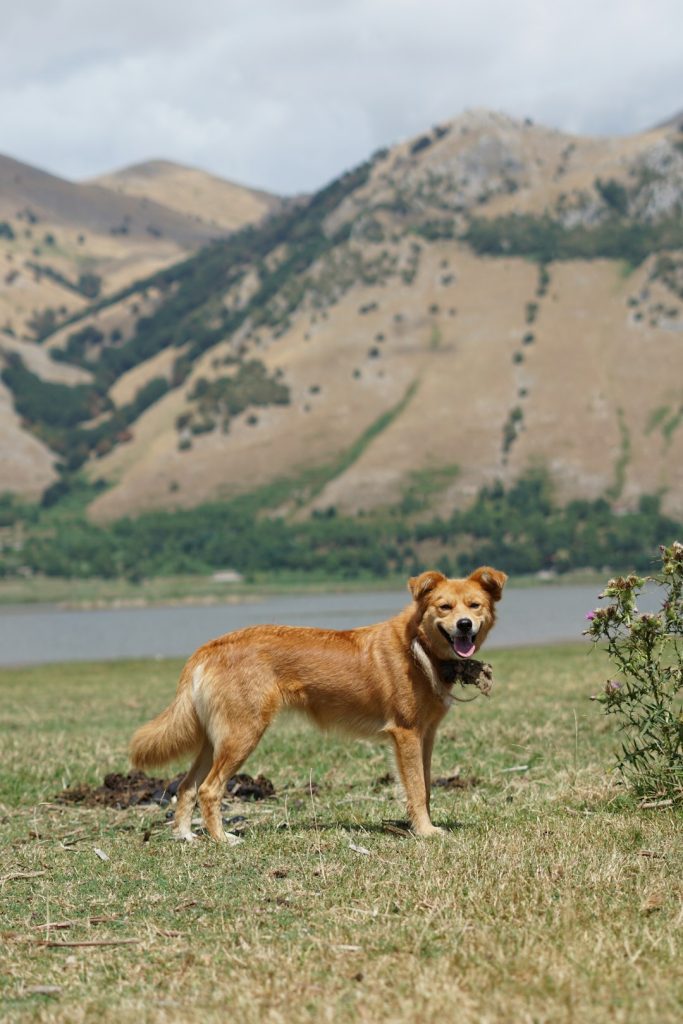
Are you thinking about bringing your dog along on your next adventure to Yellowstone National Park? You’re probably wondering if your furry friend will be welcome and where they can safely explore.
Knowing the rules about pets in Yellowstone is key to planning a smooth, stress-free trip for both you and your dog. Keep reading to find out everything you need to know about visiting Yellowstone with your dog, so you can enjoy the park without any surprises.
Pet Policies At Yellowstone
Yellowstone National Park welcomes pets but with strict rules to protect wildlife and visitors. Understanding these pet policies helps keep your trip safe and fun. Pets can enjoy some areas of the park, but many zones remain off-limits.
Where Dogs Are Allowed
Pets can visit campgrounds, picnic areas, and parking lots. Trails near roads often allow dogs. Pets must stay on leash at all times in these areas. They are not allowed on most hiking trails or in the backcountry. The goal is to protect wildlife and prevent accidents.
Restricted Areas For Pets
Pets cannot enter Yellowstone’s trails beyond parking areas. They are banned from the backcountry and thermal areas. Wildlife habitats are off-limits to pets. Pets are also not allowed in public buildings or on shuttle buses. These rules help protect both pets and wildlife.
Leash And Clean-up Rules
- Pets must be on a leash no longer than 6 feet.
- Owners must clean up after their pets.
- Dispose of pet waste in trash bins, not in natural areas.
- These rules keep the park clean and safe for everyone.

Credit: www.bringfido.com
Best Trails For Dogs
Finding the best trails for your dog in Yellowstone National Park can make your visit unforgettable. Not every path welcomes dogs, but several spots offer stunning views and safe environments for both of you. Knowing where to go helps you avoid restrictions and ensures your dog enjoys the adventure as much as you do.
Dog-friendly Hiking Spots
Yellowstone allows dogs on many trails, but they must be leashed at all times. The Storm Point Trailnear Lake Yellowstone is a favorite. It’s about 2.3 miles long and offers beautiful lake views without heavy crowds.
Another excellent option is the Lone Star Geyser Trail. This 5-mile round trip hike leads to a geyser that erupts every 3 hours. The wide, flat path makes it easy for dogs to walk and explore safely.
Don’t miss the Mary Mountain Trail, which gives panoramic views and a chance to spot wildlife from a distance. Just remember, keeping your dog on leash protects both animals and the park’s ecosystem.
Safety Tips On Trails
Leash your dog at all times to comply with park rules and prevent wildlife encounters. Yellowstone is home to bears, bison, and other animals that can be dangerous if approached.
Bring plenty of water for your dog, especially in summer. Dogs can get dehydrated quickly on long hikes, so frequent breaks and hydration are essential.
Watch your dog’s paws for rough terrain or hot ground. Paw protection or booties might be necessary, depending on the trail conditions.
Seasonal Considerations
Summer is the busiest time, so trails can be crowded. Early mornings or late afternoons offer cooler temperatures and quieter paths for you and your dog.
In winter, many trails close due to snow, but some lower elevation paths may still be accessible. Check current trail conditions before heading out to avoid surprises.
Spring brings melting snow and muddy trails, which can be slippery. Be prepared for wet conditions, and consider your dog’s comfort and safety before choosing a hike.
Pet Safety In The Park
Keeping pets safe in Yellowstone National Park is a top priority. The park has unique risks that pet owners must understand. Following safety tips helps protect pets from harm and ensures a pleasant visit.
Pets should always stay on a leash no longer than six feet. This prevents them from wandering into dangerous areas or surprising wildlife. Carry water and keep pets hydrated during your visit.
Wildlife Encounters
Wild animals in Yellowstone can be unpredictable and dangerous. Pets might attract the attention of bears, wolves, or bison. Keep pets close and never let them chase or approach wildlife.
Watch for signs of wildlife nearby. Move away calmly if you see animals. Protect pets by maintaining a safe distance at all times.
Hydrothermal Area Hazards
Hydrothermal features like hot springs and geysers are fragile and dangerous. The ground near these areas can be thin and unstable. Pets risk falling through crusts into scalding water.
Keep pets on trails and away from thermal features. Observe all park signs and barriers to avoid accidents. These areas are not safe for pets to explore freely.
Weather Preparedness
Yellowstone’s weather can change suddenly and dramatically. Pets can suffer from heat, cold, or storms without warning. Carry appropriate gear like blankets, jackets, or cooling mats for pets.
Check weather forecasts before heading out. Plan your visit during mild weather for pet comfort. Avoid extreme conditions to keep pets safe and healthy.
Accommodations For Pets
Yellowstone National Park welcomes pets in certain areas, but planning your stay with your dog needs care. Finding the right place to stay can make your visit more fun and safe. Many pet owners seek comfortable spots for themselves and their pets.
Choosing accommodations that allow pets helps keep your dog close and happy. Parks have rules for pets to protect wildlife and visitors. Understanding these rules before booking is important.
Pet-friendly Lodging Options
Some lodges and hotels near Yellowstone accept dogs. These places usually have specific pet policies. They may limit the number of pets or require a small fee.
Rooms often have easy access to outdoor areas for walks. Look for places with yards or nearby parks. This gives your dog space to stretch and play.
Camping With Dogs
Camping inside Yellowstone with dogs is allowed only in certain campgrounds. Dogs must stay on a leash no longer than six feet. Owners must clean up after their pets to keep the site clean.
Camping offers a close-to-nature experience for you and your dog. Make sure to bring essentials like water bowls and dog food. Nights can be cold, so pack warm bedding for your pet.
Nearby Veterinary Services
Access to veterinary care near Yellowstone is available in nearby towns. Emergency clinics can handle sudden illness or injury. It is wise to note their locations before your trip.
Regular check-ups before traveling help ensure your pet is healthy. Carry your dog’s medical records and vaccination certificates. This preparation keeps your pet safe during the adventure.
Travel Tips For Pet Owners
Traveling to Yellowstone National Park with your dog needs careful planning. The park has rules to protect wildlife and visitors. Pet owners must follow these rules for a safe and fun trip. This section offers useful tips for traveling with pets in Yellowstone.
Packing Essentials For Pets
Prepare a travel kit for your dog. Pack food and water bowls, enough dog food, and treats. Bring a sturdy leash and collar with ID tags. A pet first aid kit is important. Include waste bags to clean up after your dog. Pack a blanket or bed for comfort. Don’t forget toys to keep your dog happy.
Traveling To Yellowstone With Dogs
Keep your dog on a leash at all times. The leash should be no longer than six feet. Pets are allowed only in certain areas. Check park maps for pet-friendly trails and spots. Avoid places with wildlife or crowded areas. Plan breaks to give your dog water and rest. Never leave your dog alone in a car.
Managing Pet Behavior In Crowds
Yellowstone can get busy, especially in summer. Keep your dog calm and close to you. Use gentle commands to control barking or pulling. Watch for signs of stress or fear in your pet. Move away from loud noises or large groups if needed. Reward good behavior with treats and praise. Respect other visitors who might be afraid of dogs.
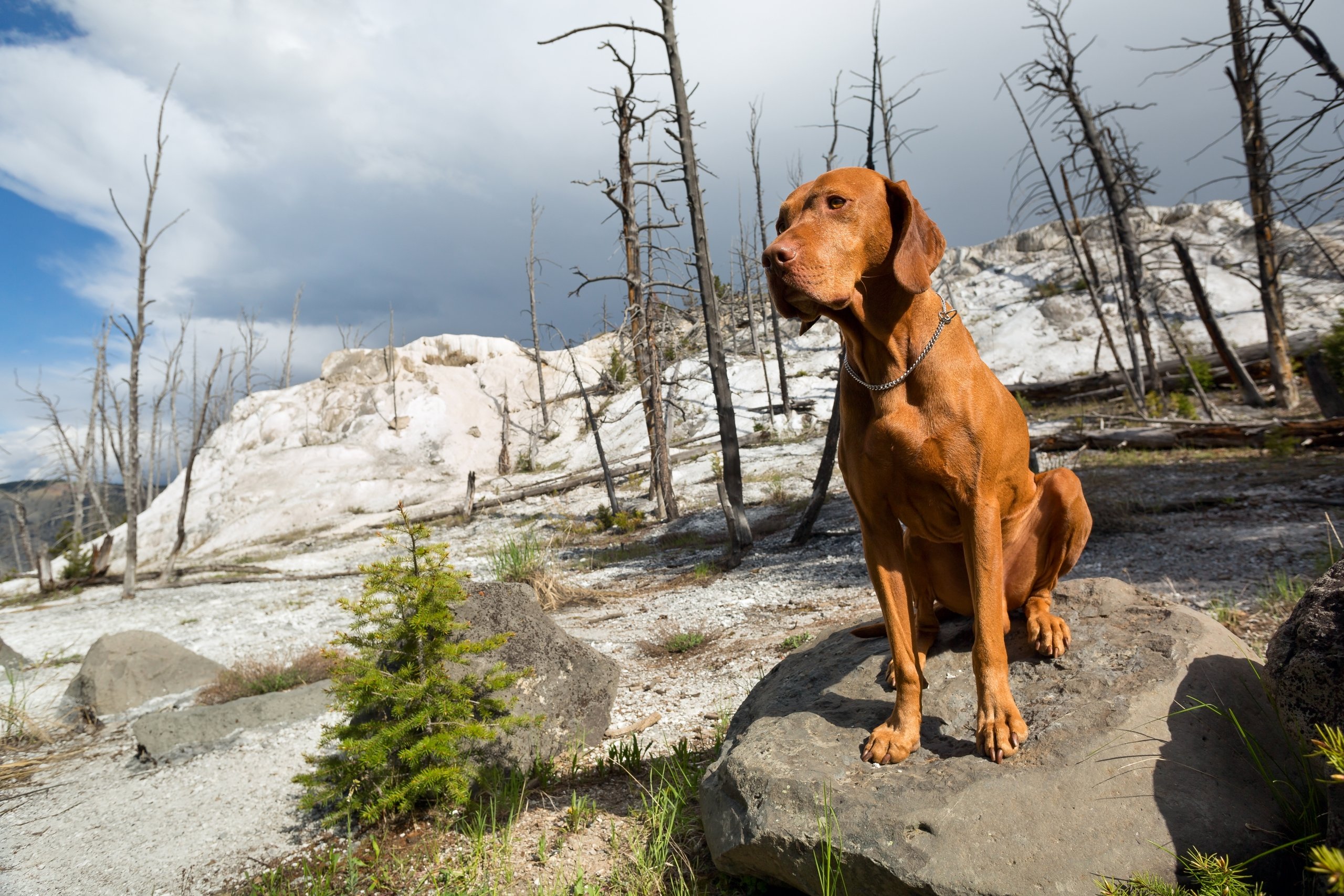
Credit: www.codyyellowstone.org

Credit: www.aol.com
Frequently Asked Questions
Can I Bring My Dog To Yellowstone National Park?
Yes, you can bring your dog to Yellowstone National Park. However, dogs are allowed in only a few areas. They must be on a leash no longer than six feet. Dogs cannot go on trails, boardwalks, or in the backcountry.
Always clean up after your pet.
Where Can Dogs Go In Yellowstone National Park?
Dogs are allowed in parking areas, campgrounds, and within 100 feet of roads. They are not permitted on trails or boardwalks. This is to protect the park’s wildlife and natural environment. Always keep your dog on a leash and under control.
What Are The Dog Regulations In Yellowstone?
Dogs must be on a leash no longer than six feet. They cannot be left unattended or tied to objects. Dogs are not allowed in buildings, boardwalks, or thermal areas. Make sure to clean up after your dog to maintain the park’s cleanliness.
Are There Dog-friendly Accommodations Near Yellowstone?
Yes, there are several dog-friendly accommodations near Yellowstone. Many hotels and campgrounds in surrounding areas welcome pets. Always check each accommodation’s pet policy before booking. Some may have additional fees or restrictions for pets.
Conclusion
Yellowstone National Park has many rules about dogs. Pets can join you in some areas, but not on trails or near wildlife. Keep your dog on a leash and clean up after them. This helps protect both your pet and the park’s nature.
Plan your visit carefully and know where dogs are allowed. Enjoy the park safely with your furry friend. Respecting these guidelines makes the trip better for everyone. Yellowstone welcomes dogs, but with limits to keep it special.

Emily Barker is the founder of ChillDogLife.com, a space dedicated to helping pup parents discover the best dog products, lifestyle tips, and cozy ideas for happier homes.
A lifelong dog lover, Emily combines her passion for pets with a knack for research to share trusted recommendations on everything from toys and furniture to health and everyday care.
Her goal is simple: to make life easier, stylish, and more joyful for dogs and the people who love them.




