
Are you wondering if your puppy really needs a different kind of food than your adult dog? It’s a question many pet owners face, and the answer might surprise you.
What you feed your furry friend now can shape their health, energy, and happiness for years to come. Understanding the key differences between puppy food and adult dog food can help you make the best choice for your pet’s growth and well-being.
Keep reading to discover why this matters and how to give your dog the nutrition they deserve at every stage of life.

Credit: m.youtube.com
Nutritional Needs Of Puppies
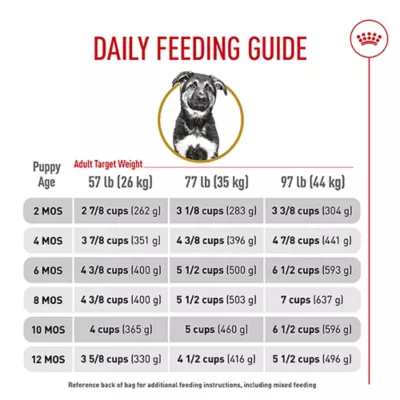
Puppies need special food to help them grow strong and healthy. Their bodies change fast in the first months.
Choosing the right food supports their bones, muscles, and brain development.
Growth And Development Requirements
Puppies need more nutrients than adult dogs. Their bones and muscles grow quickly. They also need good brain development support.
- Higher calories for energy
- More protein for muscle growth
- Fat for brain and coat health
- Calcium and phosphorus for bones
- Essential vitamins for immune support
Energy And Protein Levels
| Type | Puppy Food | Adult Dog Food |
| Energy (Calories per cup) | Higher | Lower |
| Protein (%) | 22-32% | 18-25% |
| Fat (%) | 8-20% | 5-15% |
Puppies burn more energy. They need more protein for building muscles. Adult dogs need less energy and protein.
Essential Vitamins And Minerals
Vitamins and minerals help puppies grow healthy organs and bones. These nutrients support their immune system too.
- Vitamin A for vision and skin
- Vitamin D for calcium absorption
- Vitamin E for immune health
- Calcium and phosphorus for strong bones
- Zinc for skin and coat
Credit: www.petsmart.ca
Adult Dog Nutritional Profile
Adult dogs need food that supports their daily health and activity. Their nutritional needs differ from puppies.
Understanding these differences helps choose the right food for your adult dog.
Maintenance Vs Growth Nutrition
Adult dog food focuses on maintaining health, not growth. It has balanced nutrients to keep muscles and organs healthy.
Puppy food is richer in protein and minerals to support fast growth and development.
Calorie And Fat Content
Adult dogs need fewer calories than puppies because they grow slower and move differently.
- Adult dog food has moderate fat to prevent weight gain.
- Puppy food contains higher fat for energy and growth.
- Calories in adult food support daily activity without excess.
Common Ingredients
| Ingredient | Adult Dog Food | Puppy Food |
|---|---|---|
| Protein | Moderate amount from chicken, beef, or fish | Higher amount for muscle and tissue growth |
| Fat | Moderate fat for energy balance | Higher fat for extra calories |
| Vitamins and Minerals | Balanced for maintenance of health | Enhanced for bone and immune system development |
| Fiber | Supports digestion and weight control | Lower fiber to avoid filling up too fast |
Major Differences In Formulas
Puppy food and adult dog food have different formulas to meet their specific needs. Puppies grow fast and need extra nutrients. Adult dogs need maintenance nutrition to stay healthy.
These differences are clear in calories, protein sources, and fat content. Each part plays a role in the health and growth of dogs at different ages.
Caloric Density
Puppy food has more calories per serving than adult dog food. Growing puppies need extra energy to support their development. Adult dogs require fewer calories to maintain their weight.
- Puppy food is calorie-rich to fuel growth.
- Adult food has fewer calories to prevent weight gain.
- Calorie needs vary by breed and activity.
Protein Sources And Quality
Puppy formulas contain high-quality protein to build muscles and tissues. Protein sources are usually animal-based for better nutrition. Adult dog food also has protein but in balanced amounts.
| Aspect | Puppy Food | Adult Dog Food |
|---|---|---|
| Protein Amount | Higher | Moderate |
| Protein Quality | Premium animal sources | Mixed animal and plant sources |
| Purpose | Supports growth and development | Maintains muscle health |
Fat And Fatty Acids
Puppy food contains more fat and essential fatty acids. These help with brain development and energy. Adult dog food has fat but at levels suited for maintaining health.
- Puppy food has added DHA for brain growth.
- Fat provides energy for active puppies.
- Adult food fat supports skin and coat health.
Health Implications Of Feeding Choices
Puppies and adult dogs need different nutrition for healthy growth and maintenance. Feeding the wrong food can cause health problems.
It is important to understand how food choice affects your dog’s health at each life stage.
Risks Of Feeding Adult Food To Puppies
Adult dog food lacks the high protein and calorie levels puppies need. Feeding adult food to puppies can slow their growth.
Puppies may not get enough vitamins and minerals from adult food. This can hurt their bones and immune system.
- Slower muscle development
- Weaker bones and joints
- Lower energy levels
- Higher risk of infections
Impact Of Puppy Food On Adult Dogs
Puppy food has extra calories and nutrients to support growth. Feeding it to adult dogs can cause weight gain.
Too many nutrients may strain adult dogs’ kidneys and organs over time. This can lead to health issues.
- Excess weight and obesity
- Digestive problems
- Organ stress from too much protein
- Possible nutrient imbalance
Long-term Health Effects
Feeding the wrong food over time can cause chronic health problems. Proper nutrition is key for a long life.
Dogs may develop joint problems, heart disease, or weak immune systems due to poor diet choices.
- Delayed growth or stunted development in puppies
- Obesity and diabetes in adult dogs
- Weakened immune function
- Higher risk of chronic diseases
Transitioning Between Foods
Switching your puppy from puppy food to adult dog food is an important step. It helps support their growth and health as they age. Doing this change carefully can prevent stomach upset and keep your dog happy.
Knowing when and how to switch foods ensures your dog gets the right nutrients at each stage of life. Let’s look at the signs and best ways to make this transition smooth.
When To Switch To Adult Food
Most puppies switch to adult food between 9 and 12 months old. Small breeds may switch earlier, while large breeds may need more time on puppy food.
Switching too early or too late can affect your dog’s growth or weight. It is best to follow your vet’s advice based on your dog’s breed and size.
Signs Your Puppy Is Ready
- Your puppy has reached most of its adult size.
- The puppy’s energy levels start to stabilize.
- Your vet confirms healthy growth and weight.
- Puppy’s teeth are fully grown and strong.
- Your dog seems less interested in puppy food.
Watch for these signs to help decide the right time to change the food type.
Best Practices For Transition
| Day | Food Mix | Notes |
|---|---|---|
| 1-3 | 75% puppy food, 25% adult food | Start mixing slowly to avoid upset stomach |
| 4-6 | 50% puppy food, 50% adult food | Watch for any digestive issues |
| 7-9 | 25% puppy food, 75% adult food | Adjust portions based on dog’s appetite |
| 10+ | 100% adult food | Complete switch to adult dog food |
Mixing the old and new food gradually over about 10 days helps your puppy adjust. Always provide fresh water and monitor their health during this time.
Special Considerations
Puppy food is different from adult dog food. Puppies have specific nutritional needs. These needs help them grow healthy and strong. Choosing the right food is important for their development.
There are several factors to consider when selecting puppy food. Breed size, allergies, and food type all play a role. Each factor affects the puppy’s health differently.
Breed Size Differences
Breed size affects the type of food a puppy needs. Small breeds grow faster than larger ones. They need food rich in calories and nutrients. Large breeds require food that supports bone development. Feeding them the right food prevents health issues.
Puppies of different sizes have unique growth rates. This impacts their dietary requirements. Proper nutrition helps them reach their potential size safely.
Puppies With Allergies Or Sensitivities
Some puppies have allergies or sensitivities to certain foods. Identifying these allergies is crucial. Symptoms can include itching, diarrhea, or vomiting. Special diets can help manage these issues.
It’s important to choose food that avoids known allergens. Consulting a vet can provide guidance. They may recommend specific brands or ingredients to avoid.
Homemade Vs Commercial Options
Choosing between homemade and commercial puppy food is a common decision. Homemade food allows control over ingredients. This can be beneficial for allergies.
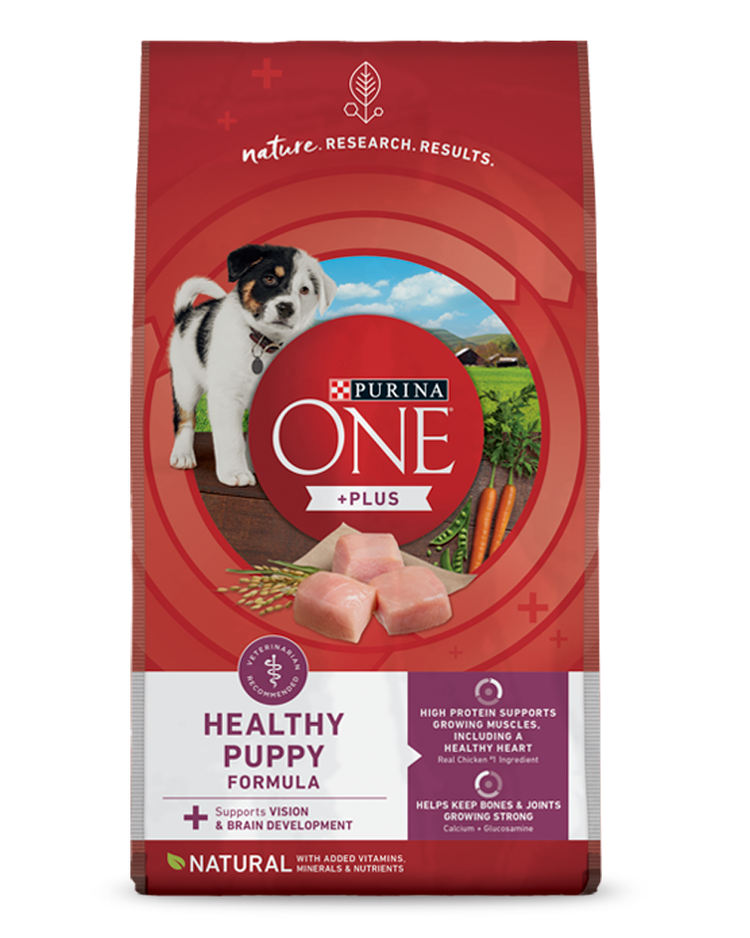
Commercial options are convenient and nutritionally balanced. They are formulated to meet puppies’ needs. It’s important to choose high-quality brands for the best results.
- Homemade food gives ingredient control
- Commercial food is balanced and convenient
- Consult a vet for the best choice
Credit: www.purina.com
Frequently Asked Questions
What Makes Puppy Food Different From Adult Dog Food?
Puppy food contains higher protein, fat, and calories to support growth. It also has more DHA for brain development. Adult dog food has balanced nutrients for maintenance, not rapid growth. Feeding the right food ensures healthy development and energy levels.
Can Adult Dogs Eat Puppy Food Safely?
Adult dogs can eat puppy food occasionally but it’s not ideal. Puppy food is richer and may cause weight gain in adults. Consistent feeding of puppy food can lead to nutrient imbalances. It’s best to feed age-appropriate food for optimal health.
When Should I Switch From Puppy To Adult Dog Food?
Switch at about 12 months for most breeds, or as vet advises. Large breeds may need to switch later, around 18-24 months. Transition gradually over 7-10 days to avoid digestive upset. Age and breed size determine the perfect switching time.
Why Is Protein Content Higher In Puppy Food?
Puppies need more protein to build muscles, tissues, and organs during growth. Higher protein supports their active metabolism and development needs. Adult dogs require less protein to maintain muscle mass. Proper protein levels ensure healthy growth and energy.
Conclusion
Puppy food has nutrients that support growth and energy needs. Adult dog food focuses on maintaining health and weight. Feeding the right food helps dogs stay strong and happy. Puppies need more protein and calories than adult dogs. Switching food at the right time is important for health.
Watch your dog’s needs and adjust food as they grow. Choosing proper food shows you care about their well-being. Keep your dog healthy by feeding age-appropriate meals every day. Simple steps make a big difference in your dog’s life.

Emily Barker is the founder of ChillDogLife.com, a space dedicated to helping pup parents discover the best dog products, lifestyle tips, and cozy ideas for happier homes.
A lifelong dog lover, Emily combines her passion for pets with a knack for research to share trusted recommendations on everything from toys and furniture to health and everyday care.
Her goal is simple: to make life easier, stylish, and more joyful for dogs and the people who love them.




