
Are you wondering if feeding your adult dog puppy food is a good idea? It might seem harmless or even helpful at first.
After all, puppy food is packed with nutrients and often looks more appealing. But could it actually cause problems for your furry friend? What you feed your dog affects their health, energy, and happiness more than you might realize. Keep reading to discover the truth about puppy food for adult dogs and how to make the best choice for your pet’s well-being.
Puppy Food Basics
Puppy food is made to support a young dog’s fast growth. It has special nutrients to help puppies develop strong bones and muscles.
Adult dogs have different needs than puppies. Feeding puppy food to adult dogs can cause some problems.
Nutrient Composition
Puppy food has more protein and fat than adult dog food. These nutrients help puppies build their bodies quickly.
Adult dogs need less protein and fat. Too much can lead to weight gain or health issues.
- Puppy food: higher protein and fat
- Adult dog food: balanced nutrients for maintenance
- Excess nutrients can stress adult dog’s organs
Calorie Differences
Puppy food has more calories per serving. Puppies burn energy fast during growth and play.
Adult dogs usually need fewer calories. Feeding them high-calorie puppy food can cause weight gain.
- Puppy food: higher calorie content
- Adult dog food: calorie levels for steady energy
- Too many calories may lead to obesity in adults
Growth Stage Needs
Puppies grow rapidly and need extra nutrients for bones and muscles. Puppy food supports this fast growth.
Adult dogs need food that keeps them healthy but does not fuel growth. Their metabolism is slower than puppies.
- Puppy stage: high nutrients for growth
- Adult stage: balanced nutrients for maintenance
- Feeding wrong food may affect health over time
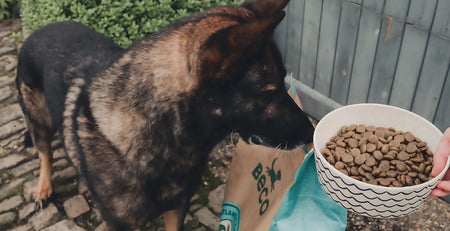
Credit: www.becopets.com
Adult Dog Nutritional Needs
Adult dogs need a balanced diet to stay healthy. Their nutritional needs differ from puppies.
Feeding adult dogs puppy food can cause issues. It is important to understand these differences.
Maintenance Vs Growth
Puppies need food for growth and development. Adult dogs need food to maintain their body.
Puppy food has more calories and nutrients than adult dog food. Adult dogs eating puppy food may gain weight.
Protein And Fat Requirements
Protein and fat needs are higher for puppies than for adult dogs. Too much protein or fat can harm adults.
- Adult dogs need protein for muscle repair.
- Fat provides energy but in lower amounts than puppies need.
- Too much fat can cause obesity in adult dogs.
- Puppy food often contains more fat and protein.
Vitamin And Mineral Balance
| Vitamin/Mineral | Puppy Needs | Adult Dog Needs |
| Calcium | High (for bone growth) | Moderate (for maintenance) |
| Phosphorus | High | Moderate |
| Vitamin D | High | Balanced |
| Iron | Moderate | Moderate |
| Vitamin A | High | Moderate |
Common Myths About Puppy Food For Adults
Puppy food is designed to support growing dogs. Many people think it is always better for dogs of any age.
There are also beliefs that adult dogs cannot eat puppy food or that it causes health problems. Let’s look at these myths closely.
Puppy Food Always Better
Some owners think puppy food is better for adult dogs because it has more nutrients. Puppy food has more protein and fat to help puppies grow fast.
- It contains more calories than adult dog food.
- It is made for high energy needs in puppies.
- Adult dogs need fewer calories and less fat.
Feeding puppy food to adult dogs regularly can cause weight gain. Adults need balanced food for their slower metabolism.
Adult Dogs Can’t Eat Puppy Food
Many believe adult dogs cannot eat puppy food at all. This is not true. Adult dogs can eat puppy food for short times.
Small amounts of puppy food will not harm them. Sometimes vets suggest puppy food for adult dogs that need to gain weight.
| Age Group | Recommended Food | Notes |
|---|---|---|
| Puppies (0-12 months) | Puppy Food | Supports growth and high energy needs |
| Adult Dogs (1-7 years) | Adult Dog Food | Balances calories and nutrients |
| Senior Dogs (7+ years) | Senior Dog Food | Supports aging joints and digestion |
Puppy Food Causes Obesity
Some say puppy food makes adult dogs obese. Puppy food is rich and calorie-dense, so this can happen.
- Adult dogs eating puppy food get more calories than they need.
- Extra calories turn into fat if not burned by activity.
- Obesity leads to health problems like joint pain and heart issues.
To avoid obesity, feed adult dogs food made for their age and weight. Always check portion sizes.
Potential Risks Of Feeding Puppy Food To Adults
Puppy food is made for young dogs that need more nutrients to grow. Feeding adult dogs puppy food can cause health problems.
Adult dogs have different needs than puppies. Giving them puppy food too often may lead to risks you should know about.
Weight Gain And Obesity
Puppy food has extra calories to support growth. Adult dogs do not need this many calories every day.
Feeding adult dogs puppy food can cause them to gain too much weight. Obesity leads to health issues like joint pain.
- Higher calorie content in puppy food
- Excess weight strains the heart and joints
- Increased risk of diabetes and other diseases
Nutrient Imbalance
Puppy food has more protein, fat, and certain vitamins. Adult dogs need a balanced diet with different amounts.
Too many nutrients can cause problems like kidney stress or vitamin toxicity. Adult dog food matches their daily needs better.
- Excess protein can strain kidneys
- Too much fat may cause digestive upset
- Vitamin levels may be too high for adults
Digestive Issues
Adult dogs may have trouble digesting puppy food. The richer diet can upset their stomach.
Signs of digestive issues include diarrhea, vomiting, or gas. Feeding proper adult dog food helps keep digestion healthy.
- Higher fat content can cause loose stools
- Too many nutrients may lead to vomiting
- Sudden diet changes upset the stomach
When Puppy Food Might Be Suitable For Adults
Puppy food has more calories and nutrients than adult dog food. This helps puppies grow strong and healthy. Sometimes adult dogs need extra nutrition too.
There are certain situations where feeding puppy food to adult dogs can be helpful. These situations usually involve higher energy needs or special health conditions.
Pregnant Or Nursing Dogs
Pregnant or nursing dogs need more calories and nutrients. Puppy food provides extra protein and fat to support their health. It helps them produce milk and care for their puppies.
Feeding puppy food during pregnancy and nursing can keep the mother dog strong. It also helps her puppies grow well during this critical time.
Highly Active Or Working Dogs
Dogs that work hard or exercise a lot burn more energy. Puppy food offers higher calories to meet their needs. It helps keep their weight up and muscles strong.
Using puppy food for active dogs can improve stamina and recovery. It gives them the fuel they need to perform their best.
Underweight Or Recovering Dogs
Dogs that are underweight or sick may need extra nutrition to heal. Puppy food has more fat and protein to help them gain weight. It supports tissue repair and energy levels.
Feeding puppy food to recovering dogs can speed up their return to health. It provides the nutrients needed for a strong recovery.

Credit: www.youtube.com
Expert Advice On Choosing Dog Food
Choosing the right food for your dog is important for their health. Many people wonder if puppy food is suitable for adult dogs.
Let’s explore expert advice on selecting the best dog food and whether puppy food can be part of an adult dog’s diet.
Consulting Your Veterinarian
Always talk to your veterinarian about your dog’s diet. They know your dog’s specific needs.
- Discuss any dietary restrictions or allergies.
- Ask about the right portion size for your dog.
- Inquire if puppy food meets your adult dog’s nutritional needs.
Reading Dog Food Labels
Reading labels helps you understand what goes into your dog’s food. Look for key ingredients and nutrients.
| Ingredient | Purpose |
| Protein | Builds muscle and tissue |
| Fats | Provides energy |
| Vitamins | Supports overall health |
Transitioning Between Foods Safely
When changing your dog’s food, do it gradually. This helps avoid digestive upset.
Start by mixing a small amount of the new food with the old. Gradually increase the new food while decreasing the old over a week.
Alternatives To Puppy Food For Adults
Feeding adult dogs puppy food can be harmful. Adult dogs need different nutrients. Alternatives are available that suit their dietary needs.
Choosing the right food ensures your dog stays healthy. Here are some options that you can consider for adult dogs.
Adult Dog Formulas
Adult dog formulas are designed to meet the nutritional needs of grown dogs. They have balanced proteins and fats, which help maintain optimal health.
- High-quality protein sources
- Essential vitamins and minerals
- Moderate fat content for energy
Senior Dog Diets
Senior dog diets cater to older dogs. They usually have fewer calories to prevent weight gain and extra nutrients for joint health.
Custom And Homemade Options
Homemade meals can be a great alternative. They let you control every ingredient your dog eats, ensuring freshness and quality.
| Ingredient | Benefit |
| Chicken | Lean protein source |
| Carrots | Rich in vitamins |
| Rice | Good for digestion |

Credit: www.petscare.com
Frequently Asked Questions
Is Puppy Food Safe For Adult Dogs To Eat?
Puppy food is generally safe for adult dogs but may cause weight gain. It has higher calories and nutrients meant for growth, which adult dogs don’t need daily.
What Happens If Adult Dogs Eat Puppy Food Regularly?
Feeding adult dogs puppy food regularly can lead to obesity. Excess nutrients and calories may cause digestive issues and long-term health problems like joint stress.
Can Adult Dogs Get Enough Nutrients From Puppy Food?
Adult dogs can get nutrients from puppy food, but not balanced for their needs. Adult dog food is formulated specifically to maintain their health and energy.
When Should I Switch My Dog From Puppy To Adult Food?
Switch your dog to adult food around one year old, or as your vet recommends. This change supports their mature nutritional needs and prevents excessive calorie intake.
Conclusion
Adult dogs need food made just for them. Puppy food has extra nutrients not always good for adults. Feeding adult dogs puppy food regularly can cause health problems. Their bodies work differently and need different vitamins and minerals. Choose dog food that matches your dog’s age and size.
This helps keep them healthy and active for years. Always check with your vet if unsure about dog food choices. Good nutrition supports a happy, strong, and long life.

Emily Barker is the founder of ChillDogLife.com, a space dedicated to helping pup parents discover the best dog products, lifestyle tips, and cozy ideas for happier homes.
A lifelong dog lover, Emily combines her passion for pets with a knack for research to share trusted recommendations on everything from toys and furniture to health and everyday care.
Her goal is simple: to make life easier, stylish, and more joyful for dogs and the people who love them.




