
Are you wondering if puppy dog food is a good choice for your adult dog? It’s a common question many pet owners ask.
You want what’s best for your furry friend, and choosing the right food can feel confusing. Puppy food is packed with nutrients, but is it the right fit for an adult dog’s needs? Keep reading to find out how feeding your adult dog puppy food might affect their health and what you should consider before making this choice.
Your dog’s well-being depends on it!
Puppy Food Vs Adult Dog Food
Puppy food and adult dog food serve different needs. Puppies grow fast and need extra nutrition. Adult dogs require a balanced diet to maintain health.
Choosing the right food helps dogs stay healthy at every life stage. This article looks at key differences between puppy and adult dog food.
Key Nutritional Differences
Puppy food has more protein and fat. These nutrients support growth and energy. Adult dog food has less fat to prevent weight gain. Protein levels are balanced for maintenance.
- Puppy food contains about 22-32% protein
- Adult dog food contains about 18-25% protein
- Puppy food has higher fat content for energy
- Adult dog food fat is lower to avoid obesity
- More calcium in puppy food for bone growth
Calorie Content Comparison
| Type of Food | Calories per Cup | Purpose |
|---|---|---|
| Puppy Food | 400-500 | Supports fast growth and high energy |
| Adult Dog Food | 300-400 | Maintains healthy weight and activity |
Essential Vitamins And Minerals
Puppy food contains extra vitamins for growth. These include vitamin A, D, and E. Adult dog food also has these but in lower amounts. Balanced minerals help keep adult dogs healthy without excess.
- Vitamin A supports vision and immune health
- Vitamin D aids in calcium absorption
- Vitamin E acts as an antioxidant
- Calcium and phosphorus balance bone strength
- Adult dogs need controlled mineral levels

Credit: www.petscare.com
Impact Of Puppy Food On Adult Dogs
Puppy dog food is made to help young dogs grow fast and strong. Adult dogs have different needs than puppies. Feeding adult dogs with puppy food can cause some problems.
This article looks at how puppy food affects adult dogs. We focus on weight gain, digestion, and energy.
Weight Gain Risks
Puppy food has more calories and fat than adult dog food. Adult dogs that eat puppy food may gain too much weight. This can lead to health problems like joint pain and heart issues.
- High calorie content can cause obesity.
- Excess fat may lead to pancreatitis.
- Weight gain puts stress on bones and joints.
- Obese dogs have shorter lifespans.
Digestive Effects
Puppy food has nutrients that help puppies digest food well. Adult dogs may have trouble with these nutrients. This can cause stomach upset or diarrhea.
| Effect | Cause | Result |
| Loose stool | Rich nutrients | Diarrhea |
| Gas | High fat content | Discomfort |
| Vomiting | Rich formula | Upset stomach |
Energy Levels And Activity
Puppy food gives lots of energy for growing puppies. Adult dogs may get too much energy from it. This can make them hyperactive or anxious. On the other hand, some adult dogs may not need extra energy and feel tired.
Adults dogs eating puppy food might:
- Have bursts of high energy.
- Show restless behavior.
- Feel tired due to poor nutrient balance.
- Gain weight that lowers activity.
When Puppy Food Might Benefit Adults
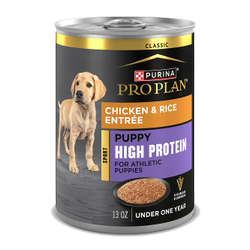
Puppy food has extra nutrients to support growth. Sometimes adult dogs need these nutrients too.
This guide looks at times adult dogs might do better with puppy food. It covers growth, pregnancy, and special needs.
Growth Recovery And Illness
Adult dogs recovering from illness or surgery may need more calories and protein. Puppy food can help them regain strength quickly.
- Supports tissue repair with higher protein
- Provides extra energy for healing
- Contains vitamins that boost immune health
Pregnant Or Lactating Dogs
Pregnant or nursing dogs need more calories and nutrients. Puppy food meets these needs better than regular adult food.
| Needs | How Puppy Food Helps |
| Higher energy | More calories per serving |
| Extra protein | Supports milk production and puppy growth |
| Vital vitamins | Supports mother’s and puppies’ health |
Senior Dogs With Special Needs
Some older dogs need extra nutrients due to illness or weight loss. Puppy food can be a good choice for them in these cases.
Benefits for senior dogs may include:
- Higher calorie content to maintain weight
- Extra protein for muscle health
- Enhanced vitamins for better immunity
Credit: www.purina.com
Potential Health Concerns
Feeding adult dogs with puppy dog food can cause some health issues. Puppy food is made for growing dogs, not adults.
It is important to know what problems may arise from this feeding choice.
Nutrient Imbalance
Puppy food has more calories, protein, and fat than adult dog food. Adult dogs need fewer nutrients than puppies.
Too many nutrients can cause weight gain and upset stomach in adult dogs.
- Extra calories may lead to obesity
- High protein can strain kidneys
- Excess fat can cause digestive problems
Joint And Bone Health
Puppy food often contains more calcium and phosphorus. These minerals help puppies build strong bones and joints.
Adult dogs need less calcium and phosphorus. Too much can harm their bones and joints over time.
- Extra calcium may cause bone problems
- Unbalanced minerals can affect joint health
- Risk of arthritis may increase
Long-term Effects
Feeding puppy food to adult dogs for a long time can cause health issues. These problems may not show up quickly.
Adult dogs may develop obesity, kidney damage, or bone disorders from long-term feeding of puppy food.
- Weight gain can lead to heart problems
- Kidney stress may cause organ damage
- Bone and joint pain can worsen over time
Choosing The Right Food For Your Dog
Feeding your dog the right food is important for their health. Puppy food is made for growing dogs, but adult dogs have different needs.
Choosing the right food helps keep your dog active and strong. Learn how to pick the best option for your adult dog.
Reading Labels Effectively
Food labels show what is inside the bag or can. Look for ingredients that meet your dog’s age and health needs.
Check for protein levels, fat content, and added vitamins. Avoid foods with too many fillers like corn or soy.
- Look for “complete and balanced” on the label
- Check if the food is made for adult dogs
- Note the first few ingredients for quality
- Avoid artificial colors and preservatives
Consulting Your Veterinarian
Your vet knows your dog’s health history. Ask them if puppy food is good for your adult dog.
They can suggest foods based on weight, age, and any health issues your dog has. Always follow their advice.
- Discuss your dog’s current diet
- Ask about special food needs or allergies
- Follow vet recommendations for food types
- Schedule regular check-ups to monitor health
Transitioning Between Foods Safely
Switching foods too fast can upset your dog’s stomach. Change foods slowly over 7 to 10 days.
Mix a small amount of new food with the old food. Gradually increase the new food while decreasing the old.
- Start with 25% new food and 75% old food
- After 3 days, use 50% new and 50% old
- Then 75% new and 25% old for 3 more days
- Feed only new food after 7 to 10 days

Credit: us.eukanuba.com
Frequently Asked Questions
Can Adult Dogs Eat Puppy Dog Food Safely?
Adult dogs can eat puppy food occasionally, but it’s not ideal long-term. Puppy food has higher calories and nutrients meant for growing dogs. Feeding it regularly to adults may cause weight gain and nutrient imbalance.
What Are The Risks Of Feeding Puppy Food To Adults?
Feeding puppy food to adult dogs can lead to obesity and digestive issues. It contains excess protein, fat, and calories that adult dogs don’t require daily. Long-term feeding may cause health problems like pancreatitis.
When Is It Okay To Feed Puppy Food To Adults?
Puppy food is okay for adult dogs during recovery or pregnancy. These stages require extra calories and nutrients. Otherwise, adult dogs should eat age-appropriate food designed for their maintenance.
How Does Puppy Food Differ From Adult Dog Food?
Puppy food has more protein, fat, and calories to support growth. Adult dog food contains balanced nutrients for maintenance and energy. The formulations match different life stages and activity levels.
Conclusion
Adult dogs need food made just for them. Puppy food has more nutrients than adults require. Feeding adult dogs puppy food can cause weight gain. It may also upset their stomachs. Adult dog food supports their energy and health better.
Choose food that matches your dog’s age and needs. Always check with your vet before changing diets. Your dog will stay strong with the right food. Healthy eating means a happy, active dog. Simple and balanced meals work best for adult dogs.

Emily Barker is the founder of ChillDogLife.com, a space dedicated to helping pup parents discover the best dog products, lifestyle tips, and cozy ideas for happier homes.
A lifelong dog lover, Emily combines her passion for pets with a knack for research to share trusted recommendations on everything from toys and furniture to health and everyday care.
Her goal is simple: to make life easier, stylish, and more joyful for dogs and the people who love them.




