You want your dog’s toys to be clean and safe, but you might wonder: is it really okay to wash them with detergent? After all, your furry friend often puts these toys right into their mouth.
Using the wrong cleaning method could harm your pet or leave behind harmful chemicals. You’ll discover the safest ways to keep your dog’s toys fresh and germ-free without putting their health at risk. Keep reading to learn exactly what you need to know to protect your best friend while keeping their playthings spotless.
Credit: www.preventivevet.com
Risks Of Using Detergent On Dog Toys
Washing dog toys with detergent might seem like a good way to clean them. But detergents can pose risks to your pet’s health and the toy’s condition. It is important to know these risks before using detergent on dog toys.
Some detergents contain chemicals that may not fully rinse off. These leftovers can harm your dog. Also, detergents can cause allergic reactions or damage the toy materials.
Chemical Residue Concerns
Detergents often have strong chemicals to remove dirt and grease. These chemicals can stay on dog toys if not washed out well. Dogs can lick or chew these toys, which may lead to swallowing harmful residues.
Even small amounts of detergent residue can irritate a dog’s stomach or cause poisoning. Some detergents contain fragrances and dyes that are unsafe for pets.
- Detergent residue may cause stomach upset
- Fragrances and dyes can be toxic
- Rinsing may not remove all chemicals
Potential Allergic Reactions
Dogs can be allergic to ingredients in detergents. These allergies can show as itching, redness, or swelling in the mouth or skin. Allergic reactions may cause discomfort or worse health problems.
Using detergent on dog toys raises the chance of these reactions. Sensitive dogs need extra care to avoid detergent exposure. Watch your dog for signs of allergies after toy cleaning.
- Itching or redness around the mouth
- Swelling of gums or tongue
- Excessive drooling or pawing at mouth
Impact On Toy Materials
Some detergents can damage dog toys over time. Harsh chemicals may weaken plastic or fabric fibers. This damage can cause toys to break or tear more easily.
Damaged toys might create small pieces that dogs can swallow. This can lead to choking or internal injury. It is important to use cleaning methods that keep toys safe and intact.
- Harsh detergents weaken toy materials
- Damaged toys break into small pieces
- Small pieces risk choking hazards
Credit: www.happystaffyco.com
Safe Cleaning Alternatives
Cleaning dog toys is important to keep your pet healthy. Using safe methods protects your dog from harmful chemicals.
This guide shares easy ways to clean dog toys without using strong detergents that might cause problems.
Using Mild Soaps
Choose mild soaps that do not contain harsh chemicals or strong fragrances. These soaps clean well and reduce risk to your dog’s health.
Look for soaps labeled as gentle, hypoallergenic, or made for sensitive skin. Always rinse toys thoroughly to remove any soap residue.
Natural Cleaning Solutions
Natural ingredients can clean dog toys safely. They are less toxic and good for the environment.
- White vinegar mixed with water helps remove dirt and odors.
- Baking soda scrub cleans tough stains and freshens toys.
- Lemon juice acts as a natural disinfectant and adds a fresh smell.
- Castile soap is a plant-based soap that cleans gently.
Sanitizing Without Harsh Chemicals
You can sanitize toys without strong chemicals. Heat and steam are good options.
| Method | How to Use | Notes |
| Boiling Water | Place toys in boiling water for 5 minutes. | Only for heat-safe toys. |
| Steam Cleaning | Use a steam cleaner to sanitize without soap. | Effective for soft and hard toys. |
| Sun Drying | Leave toys in direct sunlight for several hours. | Sunlight kills some bacteria naturally. |
Choosing The Right Detergent
Cleaning dog toys is important to keep your pet healthy. Choosing a safe detergent matters. Some detergents can harm dogs if not rinsed well.
Pick detergents that clean well and do not leave harmful residue. This guide helps you find the best options for washing dog toys.
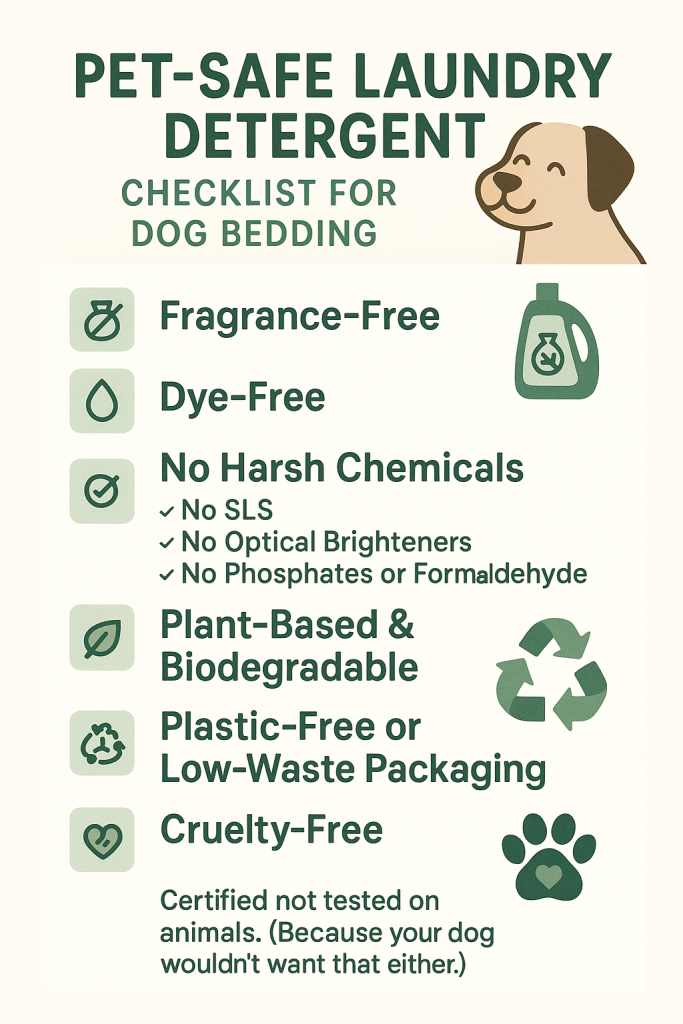
Pet-friendly Detergent Options
Use detergents made for pets or sensitive skin. These usually have fewer chemicals and are gentle on fabrics and skin.
- Detergents labeled “hypoallergenic” or “free and clear”
- Natural or plant-based detergents without harsh chemicals
- Detergents with no bleach or strong whitening agents
- Soap-free detergents designed for delicate cleaning
Fragrance And Additive Considerations
Fragrances and additives in detergents can irritate your dog’s skin or nose. Avoid strong scents and dyes.
| Detergent Feature | Why Avoid |
| Artificial Fragrances | May cause allergies or breathing issues |
| Dyes and Colorants | Can irritate skin or cause reactions |
| Enzymes | Some dogs may be sensitive to these |
| Bleach | Harsh chemical that can damage toys and skin |
Reading Labels For Safety
Check detergent labels for ingredients that may harm pets. Look for simple, natural ingredients with no harsh chemicals.
- Avoid detergents with phosphates and optical brighteners
- Choose products with plant-based surfactants
- Look for certifications like “pet-safe” or “dermatologist tested”
- Check if the detergent instructions mention pet safety

Credit: www.alphatechpet.com
Cleaning Techniques For Different Toy Types
Keeping dog toys clean is important for your pet’s health. Different toys need different cleaning methods.
Using detergent can be safe if you choose the right technique for each toy type. Let’s look at the best ways to clean them.
Cleaning Plush Toys
Plush toys can hold dirt and germs easily. Washing them keeps your dog safe and happy.
Use mild detergent and cold water. Hand wash or use a gentle machine cycle. Avoid harsh chemicals that can harm your dog.
- Check the toy’s label for washing instructions
- Remove any loose parts before washing
- Air dry completely before giving it back to your dog
Washing Rubber And Plastic Toys
Rubber and plastic toys are easier to clean. They can handle stronger washing methods without damage.
Use warm water and a small amount of detergent. Scrub with a brush to remove grime. Rinse well to avoid detergent residue.
- Use dishwasher-safe toys in the top rack
- Soak toys in a vinegar-water mix to disinfect
- Dry toys fully before use
Handling Electronic Or Battery-operated Toys
Electronic toys need extra care to avoid damage. Water can harm batteries and circuits.
Wipe these toys with a damp cloth and mild detergent. Never soak or submerge them in water. Remove batteries before cleaning.
- Use a dry cloth for delicate parts
- Allow toys to dry completely before reinserting batteries
- Check for cracks that let water inside
Drying And Maintaining Dog Toys
Keeping dog toys clean is important for your pet’s health. Washing with detergent is common, but drying and storing toys right also matter. Proper care helps stop germs and keeps toys safe for your dog.
This guide covers how to dry dog toys well, store them safely, and know when to replace old toys. Follow these tips to keep your dog’s playthings clean and fresh.
Proper Drying Methods
Drying dog toys correctly stops mold and bacteria growth. After washing, squeeze out extra water. Air drying is the best method. Place toys in a sunny, well-ventilated area to dry fully.
- Use a clean towel to pat toys dry before air drying.
- Avoid using a dryer unless the toy label says it is safe.
- Dry toys completely before giving them back to your dog.
- Check toys for damp spots that can hide germs.
Storage Tips To Prevent Bacteria
Proper storage keeps dog toys clean and safe. Store toys in a dry place away from dirt and moisture. Use a container or basket that allows air flow.
| Storage Tip | Reason |
| Use breathable bins or baskets | Prevents moisture buildup |
| Keep toys off the floor | Reduces dirt and germs |
| Store toys separately from food | Avoids contamination |
| Clean storage regularly | Stops bacteria growth |
When To Replace Old Toys
Replace toys that show wear or damage. Broken toys can hurt your dog and hold bacteria. Check toys often for cracks, tears, or missing parts.
- Toss toys that cannot be cleaned well.
- Replace toys with strong odors.
- Discard toys that your dog chews apart.
- Switch out old toys regularly to keep playtime safe.
Expert Recommendations And Precautions
Cleaning your dog’s toys is important for their health. Many owners wonder if it’s safe to use detergent. Experts say it can be safe with precautions.
Use mild detergent and rinse thoroughly to remove all residue. This helps prevent any harm to your pet from chemicals.
Frequency Of Cleaning
Clean your dog’s toys regularly to avoid bacteria buildup. Washing once every two weeks is usually enough.
Toys used outdoors or in water may need more frequent cleaning. This ensures they stay safe for play.
Signs Of Unsafe Toys
Check toys for damage like tears or loose parts. These can pose a choking hazard.
Discoloration or odd smells can indicate mold or bacteria. Replace these toys to keep your pet safe.
- Torn fabric or broken pieces
- Discoloration or unpleasant odor
- Missing stuffing or squeakers
Consulting Your Veterinarian
Always consult your veterinarian if unsure about toy safety. They can offer specific advice for your pet’s needs.
Your vet may recommend certain cleaning products or methods. This can help ensure your pet’s health and safety.
Frequently Asked Questions
Is It Safe To Use Detergent On Dog Toys?
Yes, using mild, pet-safe detergent is generally safe for dog toys. Avoid harsh chemicals to prevent irritation or toxicity.
How Often Should I Wash My Dog’s Toys?
Wash dog toys weekly or after heavy use to remove dirt and germs. Regular cleaning keeps toys safe and hygienic.
Can Detergent Residue Harm My Dog?
Detergent residue can irritate your dog’s mouth or skin. Rinse toys thoroughly to remove all detergent before giving them back.
Are All Detergents Safe For Dog Toys?
No, not all detergents are safe. Use only pet-friendly, fragrance-free detergents to avoid allergic reactions or toxicity.
Conclusion
Washing dog toys with detergent can be safe if done carefully. Choose gentle, pet-safe detergents to avoid harming your dog. Rinse toys thoroughly to remove all soap residue. Regular cleaning helps keep toys free from germs and dirt. Avoid harsh chemicals that could irritate your pet.
Clean toys often to protect your dog’s health. Safe washing keeps playtime fun and worry-free. Always check the toy’s material before washing. Clean toys mean a happier, healthier dog. Simple steps make a big difference.

Emily Barker is the founder of ChillDogLife.com, a space dedicated to helping pup parents discover the best dog products, lifestyle tips, and cozy ideas for happier homes.
A lifelong dog lover, Emily combines her passion for pets with a knack for research to share trusted recommendations on everything from toys and furniture to health and everyday care.
Her goal is simple: to make life easier, stylish, and more joyful for dogs and the people who love them.




