
Are you wondering if it’s okay for your puppy to eat adult dog food? You want the best for your furry friend, but feeding the wrong food can cause serious problems.
Puppies have special nutritional needs that help them grow strong and healthy. Giving them adult dog food might seem simple, but it could harm their development. Keep reading to find out why what you feed your puppy matters so much—and how to make the right choice for your beloved pet.
Nutritional Needs Of Puppies
Puppies need special food to grow strong and healthy. Their bodies use nutrients differently than adult dogs.
Feeding puppies adult dog food may not meet their unique needs. It is important to understand these needs.
Key Nutrients For Growth
Puppies need extra protein to build muscles and tissues. Fat provides energy for their active days.
Calcium and phosphorus help form strong bones and teeth. Vitamins and minerals support overall health.
- Protein supports muscle development
- Fat supplies energy
- Calcium and phosphorus build bones
- Vitamins and minerals boost immunity
Differences From Adult Dog Diets
Adult dog food has fewer calories and less protein. Puppies need more nutrients to grow fast.
Adult foods may lack enough vitamins and minerals for puppies. Feeding adult food can slow puppy growth.
- Adult food has fewer calories
- Lower protein levels in adult food
- Less calcium and phosphorus in adult food
- Adult food may not support puppy immunity
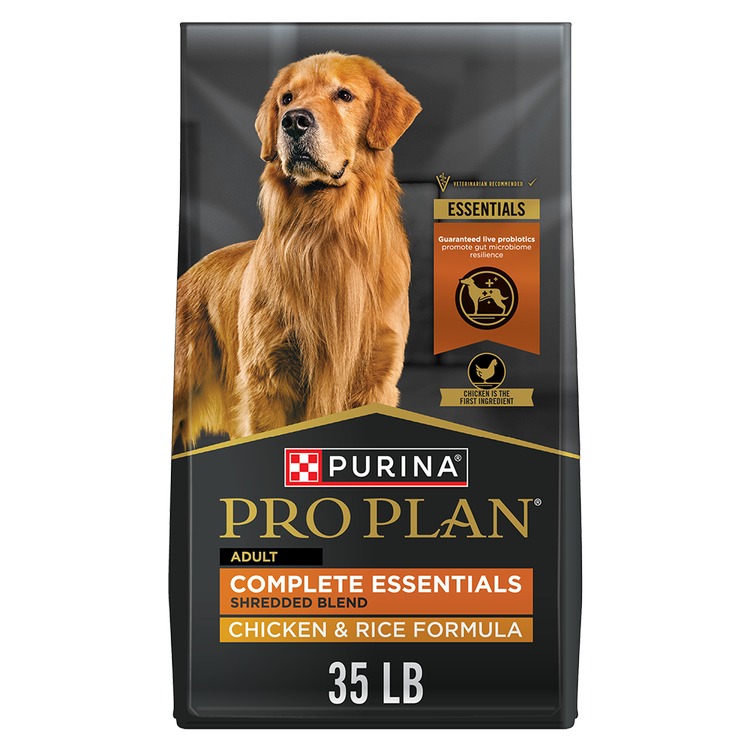
Credit: www.purina.com
Risks Of Feeding Adult Food To Puppies
Puppies need special food to grow healthy and strong. Adult dog food may not give them the right nutrients.
Feeding adult food to puppies can cause problems with their health and development. It is important to understand these risks.
Potential Nutritional Deficiencies
Adult dog food often lacks the right amount of vitamins and minerals that puppies need. This can slow their growth and hurt their bones.
- Lower calcium and phosphorus levels can weaken bones.
- Less protein may affect muscle growth.
- Insufficient DHA can reduce brain and eye development.
- Adult food may have fewer calories, not meeting puppy energy needs.
Digestive Issues To Watch For
Puppies have sensitive stomachs that need gentle food. Adult dog food can cause stomach pain and diarrhea.
| Digestive Problem | Cause | Signs |
| Diarrhea | High fat or fiber | Loose stools, frequent bathroom visits |
| Constipation | Low fiber | Hard stools, difficulty passing stool |
| Upset stomach | Sudden diet change | Vomiting, bloating, discomfort |
When Adult Food Might Be Acceptable
Puppies need special nutrients for growth and health. Adult dog food does not always meet these needs. Still, there are times when feeding adult food to puppies is okay.
Knowing when adult food is acceptable helps keep your puppy safe and well-nourished. Here are some cases to consider.
Short-term Feeding Scenarios
Sometimes, feeding adult dog food to puppies is needed for a short time. This can happen if puppy food is not available or during travel. It is important to limit these periods.
- Running out of puppy food and waiting for a new supply
- Traveling where puppy food is hard to find
- Temporary dietary changes advised by a vet
In these cases, adult food can be used for a few days. Watch your puppy for any stomach upset or changes in behavior. Switch back to puppy food as soon as you can.
Consulting Your Veterinarian
Your veterinarian can guide you on feeding adult food to your puppy. They know your puppy’s health and growth needs best.
| Reason to Consult Vet | Possible Advice |
|---|---|
| Puppy with digestive issues | Switch to adult food temporarily for easier digestion |
| Special health conditions | Use a specific adult formula under supervision |
| Weight management concerns | Adjust diet with adult food advice |
Always ask your vet before making any diet changes. They can help create a plan that keeps your puppy healthy and growing strong.
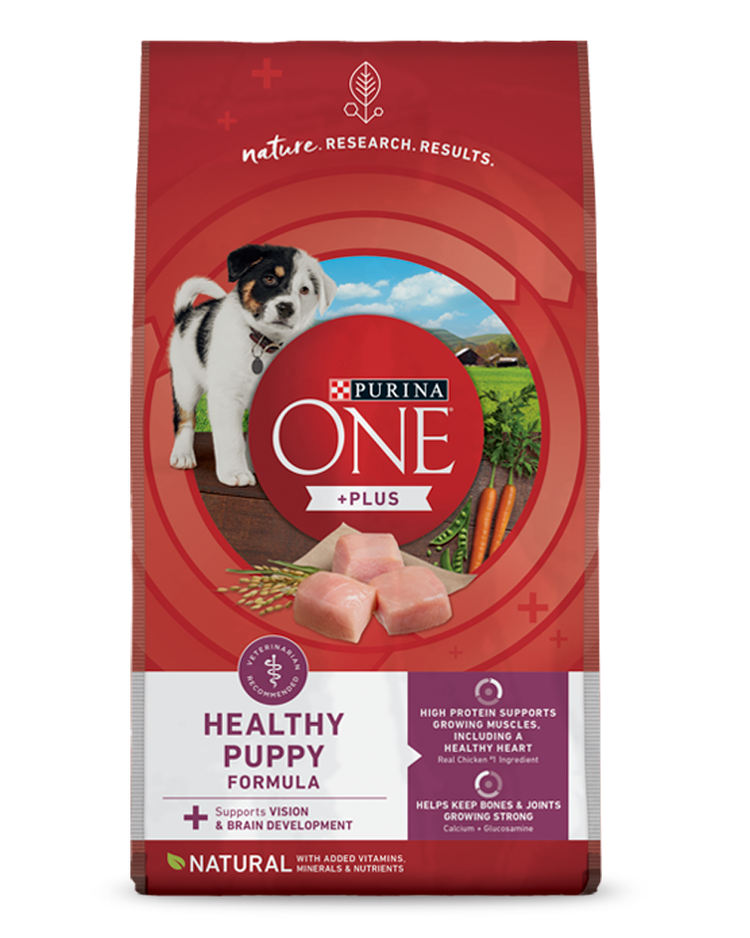
Credit: www.purina.com
Choosing The Right Puppy Food
Feeding puppies the right food helps them grow strong and healthy. Adult dog food lacks nutrients needed for a puppy’s development.
Choosing the correct puppy food ensures they get enough energy, vitamins, and minerals. Learn what to look for when picking their meals.
Ingredients To Prioritize
Puppies need food rich in protein, fat, and essential nutrients. Good ingredients support muscle growth and brain development.
- High-quality protein like chicken, beef, or fish
- Healthy fats such as omega-3 and omega-6 fatty acids
- Carbohydrates from whole grains or vegetables
- Vitamins A, D, and E for immune support
- Calcium and phosphorus for strong bones
Reading Pet Food Labels
Labels can be confusing. Focus on ingredients and guaranteed analysis for protein and fat levels.
| Label Section | What to Check |
| Ingredients List | Look for named meat sources at the top |
| Guaranteed Analysis | Protein above 22%, fat above 8% for puppies |
| Feeding Guidelines | Adjust amount by puppy’s weight and age |
| Adequacy Statement | Must say “formulated for growth” or “all life stages” |
Transitioning From Puppy To Adult Food
Puppies need special food to grow strong and healthy. As they get older, their needs change. Switching to adult dog food is important for their health.
It is not bad for puppies to eat adult dog food occasionally. But feeding adult food only can miss important nutrients puppies need.
Best Timing For The Switch
Puppies usually switch to adult food between 9 and 12 months old. Small breeds may switch earlier. Large breeds may switch later.
Ask your vet for the best time. The switch depends on your puppy’s breed, size, and health.
Tips For A Smooth Changeover
Change food slowly to avoid upset stomach. Start by mixing a small amount of adult food with puppy food.
- Mix 25% adult food with 75% puppy food for 3 days
- Then 50% adult and 50% puppy food for 3 days
- Next 75% adult and 25% puppy food for 3 days
- Finally, feed 100% adult food
Watch your puppy’s reaction. Stop if you see vomiting or diarrhea. Talk to your vet if problems continue.

Credit: greenpantry.co.uk
Frequently Asked Questions
Can Puppies Eat Adult Dog Food Safely?
Puppies should not eat adult dog food regularly. Adult formulas lack essential nutrients needed for growth. Feeding puppies adult food can cause nutritional deficiencies and health issues.
What Happens If Puppies Eat Adult Dog Food?
Puppies eating adult dog food may miss vital nutrients. This can lead to poor development, weak bones, and low energy. Proper puppy food supports their rapid growth and immune system.
How Long Can Puppies Eat Adult Dog Food?
Puppies can eat adult dog food only briefly in emergencies. It’s best to switch to puppy-specific food as soon as possible. Puppy food is specially designed for their growing needs.
Why Is Puppy Food Different From Adult Dog Food?
Puppy food contains higher protein, fat, and calories than adult food. These support healthy growth, brain development, and energy. Adult dog food lacks these higher nutrient levels.
Conclusion
Feeding puppies adult dog food can cause health problems. Puppies need special nutrients to grow strong and healthy. Adult food may lack the right vitamins and minerals. This can lead to poor growth and weak bones. Always choose food made just for puppies.
It supports their energy and development needs well. Keep your puppy happy and healthy with proper diet. Small changes make a big difference in their life. Prioritize their nutrition from the start for best results. Puppies deserve the best care you can give.

Emily Barker is the founder of ChillDogLife.com, a space dedicated to helping pup parents discover the best dog products, lifestyle tips, and cozy ideas for happier homes.
A lifelong dog lover, Emily combines her passion for pets with a knack for research to share trusted recommendations on everything from toys and furniture to health and everyday care.
Her goal is simple: to make life easier, stylish, and more joyful for dogs and the people who love them.




