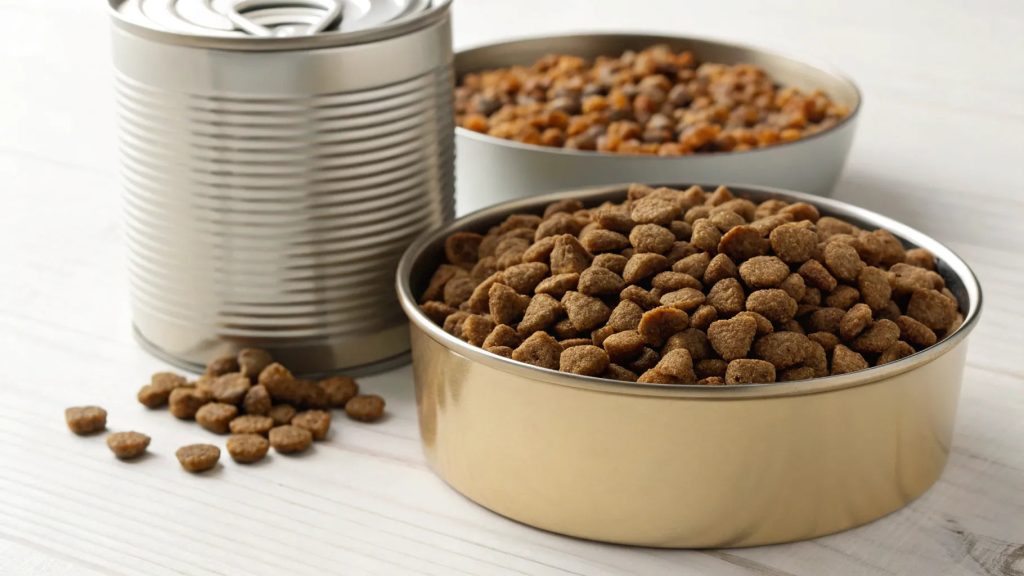
Are you wondering if canned dog food truly meets your pet’s nutritional needs? Choosing the right food for your furry friend can feel overwhelming, especially with so many options on the shelf.
You want to give your dog the best, but is canned food really a healthy choice? Understanding what’s inside those cans and how it affects your dog’s health is key. Keep reading to discover the truth about canned dog food and whether it’s the right option for your loyal companion.
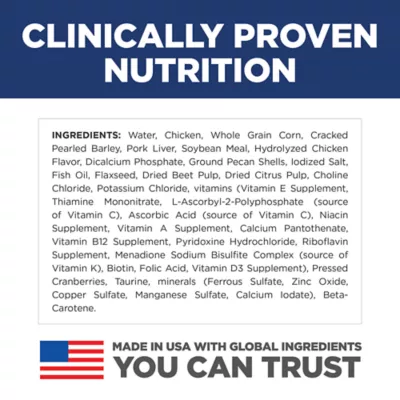
Credit: www.petsmart.ca
Nutritional Value Of Canned Dog Food
Canned dog food offers a moist and palatable option for feeding dogs. It contains a mix of proteins, fats, and other nutrients essential for dog health.
Understanding the nutrients in canned food helps pet owners choose the best diet for their dogs.
Key Nutrients In Canned Food
Canned dog food contains important nutrients that support a dog’s growth and well-being. These include proteins, fats, vitamins, and minerals.
- High-quality animal proteins for muscle repair
- Essential fatty acids for skin and coat health
- Vitamins like A, D, and E for immune support
- Minerals such as calcium and phosphorus for strong bones
- Moisture content to aid hydration
Comparing Canned And Dry Food
| Aspect | Canned Food | Dry Food |
|---|---|---|
| Moisture Content | 70-85% | 10-12% |
| Protein Level | Generally higher | Varies, often lower |
| Calorie Density | Lower per volume | Higher per volume |
| Shelf Life | Shorter after opening | Longer |
| Dental Health | Less impact on teeth | Helps reduce tartar |
Impact Of Processing On Nutrients
Processing canned food involves heat and pressure. This can reduce some heat-sensitive vitamins but preserves proteins well.
Some nutrients may decrease during processing:
- Vitamin C and some B vitamins may lower
- Mineral content stays mostly stable
- Fat quality may change if not stored properly
Benefits Of Feeding Canned Dog Food
Canned dog food offers many advantages for your pet’s health and enjoyment. It provides a different texture and moisture level than dry food.
Understanding these benefits can help you choose the best diet for your dog.
Higher Moisture Content
Canned dog food contains more water than dry food. This extra moisture helps keep dogs hydrated. It is especially good for dogs that do not drink enough water.
Dogs with kidney problems or urinary tract issues can benefit from this higher moisture. It also helps maintain healthy skin and coat.
Better Palatability
Canned food often tastes better to dogs. The wet texture and stronger aroma make it more appealing. This can be helpful for picky eaters or dogs with low appetite.
- Richer smell attracts dogs
- Softer texture is easier to chew
- Variety of flavors keeps meals interesting
Easier Digestion
| Feature | Benefit |
| Soft texture | Gentle on teeth and gums |
| High moisture | Aids digestion and nutrient absorption |
| Less processed | Retains natural nutrients |
Many dogs find canned food easier to digest than dry kibble. This may reduce stomach upset and improve stool quality.
Potential Drawbacks Of Canned Food
Canned dog food is popular for its convenience and taste. Still, it has some downsides you should know.
This article looks at some common drawbacks of canned dog food to help you make good choices.
Cost Considerations
Canned dog food usually costs more than dry food. This can add up if you buy it often.
Higher prices may make it hard to feed your dog canned food regularly, especially for large dogs.
Storage And Shelf Life Issues
Canned dog food needs careful storage. Once opened, it can spoil quickly if not refrigerated.
Unopened cans last long but can swell or rust, which means the food inside might be bad.
- Store cans in a cool, dry place
- Refrigerate leftovers in a sealed container
- Use opened cans within 3-5 days
Risk Of Overfeeding
Canned dog food is moist and tasty, which may cause dogs to eat too much. This can lead to weight gain.
It is important to measure portions carefully and avoid free feeding to keep your dog healthy.
Ingredients To Watch For
Canned dog food can be a good choice for many dogs. It is important to check the ingredients to make sure the food is healthy and safe.
Some ingredients may not be good for your dog’s health. Knowing what to watch for helps you pick the best food.
Artificial Additives And Preservatives
Some canned dog foods contain artificial additives. These include colors, flavors, and preservatives. They can cause allergies or upset your dog’s stomach.
Look for foods that use natural preservatives like vitamin E or rosemary extract. Avoid foods with BHA, BHT, or ethoxyquin.
- Artificial colors can cause allergies
- Artificial flavors add no nutrition
- Some preservatives may harm your dog
- Natural preservatives are safer
Quality Of Protein Sources
Protein is important for your dog’s muscles and energy. Check the label to see what kind of protein is used in the food.
High-quality proteins come from real meat, fish, or poultry. Low-quality proteins may come from by-products or fillers that offer less nutrition.
- Real meat or fish is best
- Chicken, beef, or salmon are good sources
- By-products have less nutrition
- Plant proteins like soy are less ideal
Filler Ingredients And Their Effects
Fillers are ingredients added to dog food to increase volume cheaply. Common fillers include corn, wheat, and soy.
These fillers can cause allergies or digestive problems in some dogs. They also provide less nutrition compared to whole foods.
- Corn and wheat can cause allergies
- Soy may upset digestion
- Fillers lower the food’s nutrition
- Look for foods with fewer fillers
Choosing The Right Canned Food
Canned dog food can be a good choice for your pet. It often has more moisture than dry food. This helps keep your dog hydrated.
Picking the right canned food means looking closely at the ingredients. You want food that meets your dog’s health needs and tastes good.
Reading Labels Effectively
Look for high-quality protein as the first ingredient on the label. Avoid foods with too many fillers like corn or wheat.
Check the guaranteed analysis for protein, fat, and fiber content. This helps you understand the food’s nutrition balance.
- Protein should come from meat, fish, or poultry
- Avoid artificial colors and preservatives
- Look for added vitamins and minerals
- Check for a statement of nutritional adequacy
Consulting With Your Veterinarian
Your vet can help you choose canned food that fits your dog’s health. They know what nutrients your dog needs.
Tell your vet about any allergies or health issues your dog has. They can recommend special diets or brands.
- Discuss your dog’s age, weight, and activity level
- Ask about food for sensitive stomachs or allergies
- Follow vet advice for medical or weight-control diets
Tailoring Food To Your Dog’s Needs
Each dog has unique needs based on age, size, and health. Choose canned food that matches these needs.
For puppies, pick food with more calories and nutrients. Older dogs may need food that is easier to digest.
- Small breeds may need smaller kibble size
- Active dogs need more protein and fat
- Dogs with joint problems may need added supplements
- Consider food texture if your dog has teeth issues
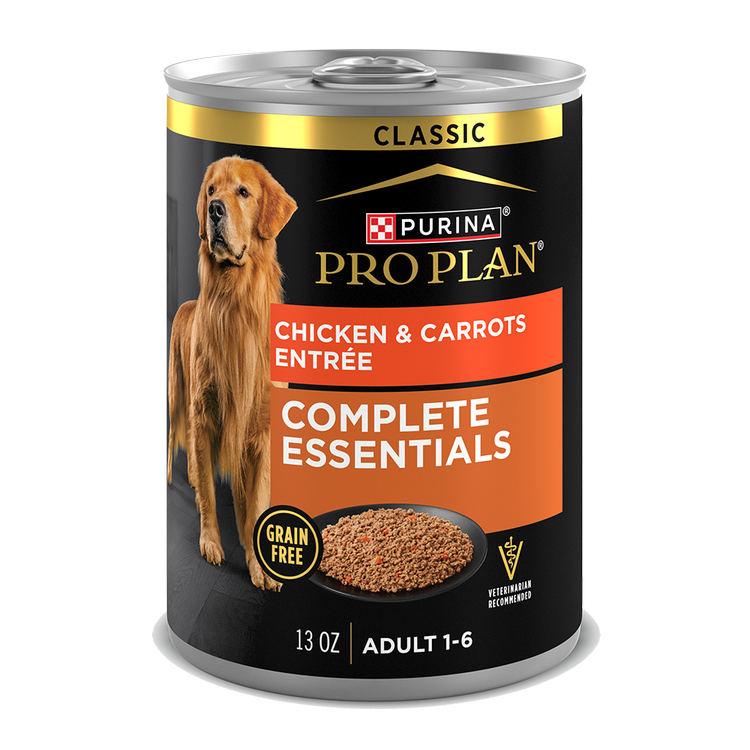
Credit: www.purina.com
Common Myths About Canned Dog Food
Canned dog food often gets a bad reputation. People worry about its nutritional value and safety. Let’s explore some common myths.
Understanding these myths can help you make better choices for your dog’s diet.
Misconceptions About Nutrient Content
Some think canned dog food lacks nutrients. This is not true. Many canned foods are rich in proteins and vitamins.
- Contains high moisture content
- Rich in animal proteins
- Often fortified with vitamins and minerals
Concerns Over Food Safety
People worry about the safety of canned food. They fear it may contain harmful preservatives. But strict regulations ensure its safety.
| Concern | Reality |
| Preservatives | Regulated and safe |
| Contamination | Rare due to sealed packaging |
| Nutrient loss | Minimal with proper processing |
Beliefs About Weight Gain
Some say canned food causes weight gain. This can happen if portion sizes are too large. Proper serving sizes prevent this issue.
Credit: www.houndsy.com
Frequently Asked Questions
Is Canned Dog Food Nutritionally Balanced?
Canned dog food often contains balanced nutrients, including proteins, fats, and vitamins. It meets AAFCO standards for complete nutrition, making it a reliable choice for dogs.
Can Canned Dog Food Replace Dry Food Entirely?
Yes, canned food can fully replace dry food. It offers hydration and palatability but can be more expensive and less convenient to store.
Are Canned Dog Foods Better For Hydration?
Canned dog food has high moisture content, aiding hydration. This benefits dogs prone to urinary or kidney issues, especially those who drink less water.
Does Canned Dog Food Contain Harmful Preservatives?
Most canned dog foods use safe preservatives like vitamin E and C. Avoid brands with artificial additives to ensure your dog’s health and safety.
Conclusion
Canned dog food can provide good nutrition for your pet. It often contains moisture, which helps with hydration. Many brands include essential vitamins and minerals dogs need. Still, check labels for quality ingredients. Balance canned food with dry food or fresh options.
Talk to your vet about your dog’s diet needs. Feeding your dog well supports their health and happiness. Choose wisely and feed with care.

Emily Barker is the founder of ChillDogLife.com, a space dedicated to helping pup parents discover the best dog products, lifestyle tips, and cozy ideas for happier homes.
A lifelong dog lover, Emily combines her passion for pets with a knack for research to share trusted recommendations on everything from toys and furniture to health and everyday care.
Her goal is simple: to make life easier, stylish, and more joyful for dogs and the people who love them.




