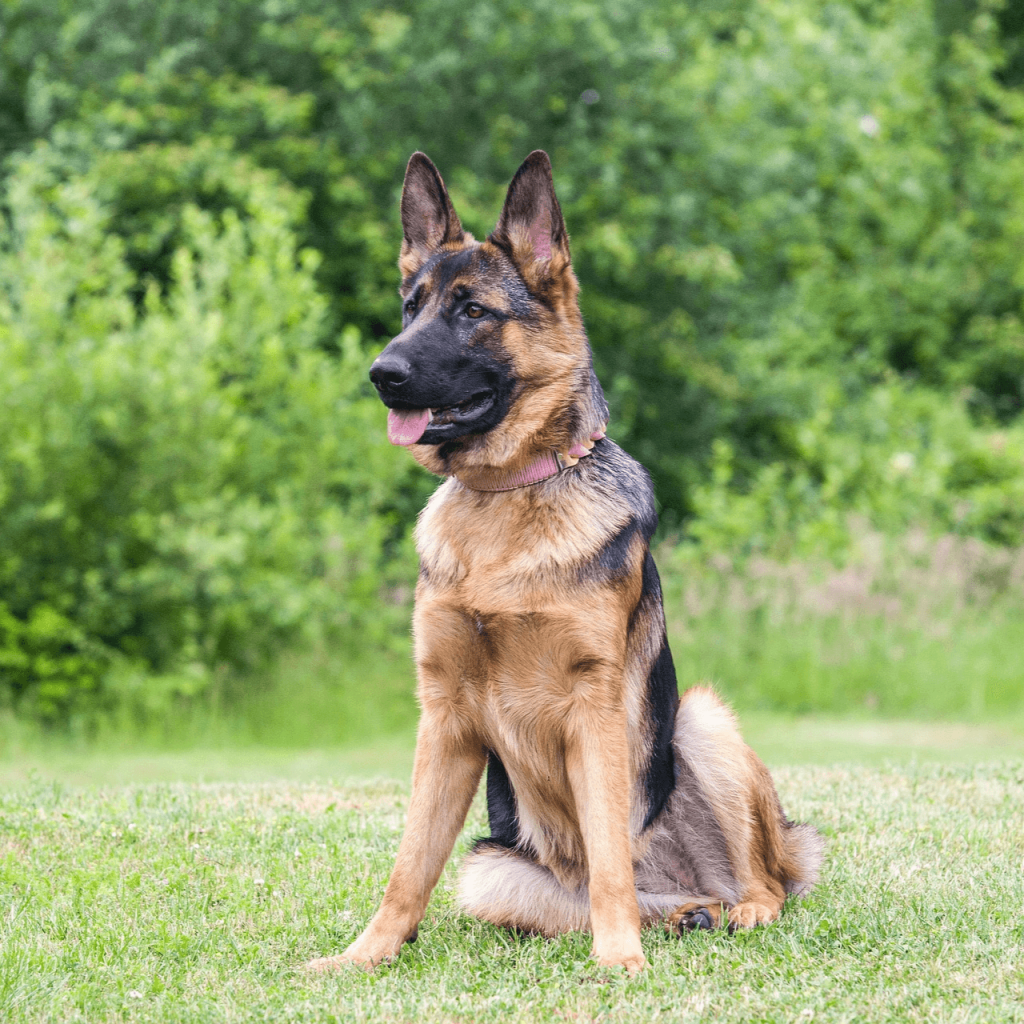
Are you curious about whether a German Shepherd is considered a large breed dog? If you’re thinking of adding one to your family, it’s important to know what to expect.
Understanding their size can help you prepare your home, your lifestyle, and your daily routine. Keep reading to discover the truth about German Shepherds and find out if this loyal companion fits your idea of the perfect pet.
German Shepherd Size Basics
Understanding the size of a German Shepherd helps you prepare for the space, exercise, and care they require. These dogs are known for their impressive build, but how large do they really get? Let’s break down the basics of their size to give you a clear picture.
Average Height And Weight
German Shepherds typically stand between 22 to 26 inchestall at the shoulder. Their weight usually ranges from 50 to 90 pounds, depending on various factors like genetics and diet.
These numbers put them squarely in the large breed category. But remember, a dog’s size affects everything—from the size of their bed to the amount of food they need. Are you ready to provide for a dog that can fill a room?
Size Differences Between Males And Females
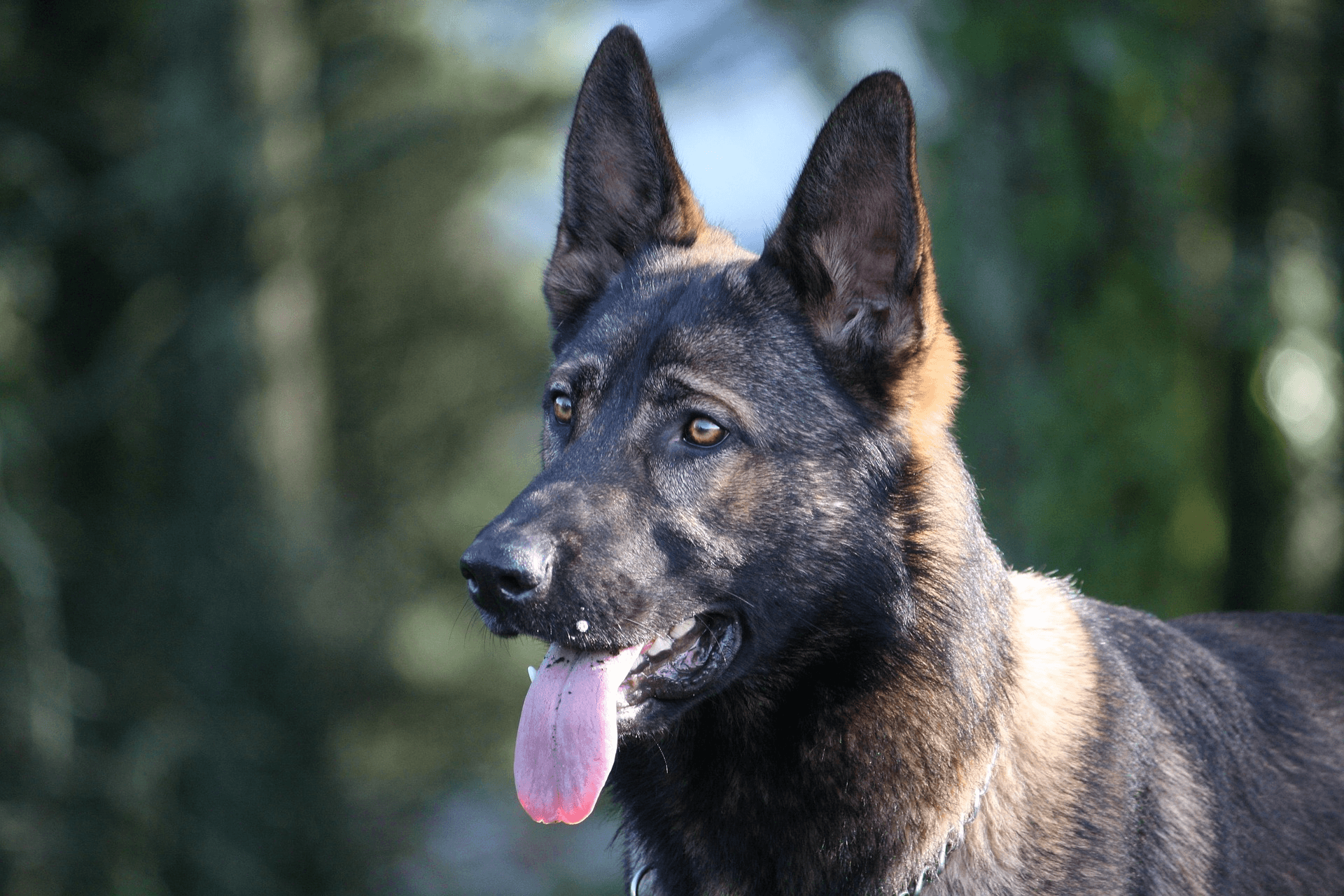
Males are generally larger and heavier than females. On average, male German Shepherds weigh around 65 to 90 pounds, while females usually weigh between 50 to 70 pounds.
Height also varies, with males reaching up to 26 inchesand females closer to 22 to 24 inches. This difference can influence your choice if you have space or strength preferences.
Have you considered how these size differences might affect training or daily handling? Knowing this can help you choose the right fit for your lifestyle.
Credit: noblevetclinic.com
Comparing German Shepherds To Other Breeds
Comparing German Shepherds to other dog breeds helps understand their size and classification. Size affects training, space needs, and health care. German Shepherds have unique traits that place them in a specific category among many breeds.
Medium Vs Large Breed Classification
Dog breeds fall into size groups: small, medium, and large. Medium breeds weigh between 25 and 50 pounds. Large breeds usually weigh over 50 pounds. Height and body structure also matter for classification.
Medium breeds often need less space and exercise. Large breeds require more room and physical activity. Size influences daily care and lifestyle choices.
How German Shepherds Stack Up
German Shepherds weigh between 50 and 90 pounds. Their height ranges from 22 to 26 inches at the shoulder. These numbers place them firmly in the large breed category.
Compared to Labrador Retrievers and Golden Retrievers, German Shepherds are similar in size. They are larger than many medium breeds like Beagles or Cocker Spaniels.
German Shepherds have strong, muscular bodies. Their size supports roles like police work and search missions. This strength sets them apart from smaller breeds.
Factors Influencing German Shepherd Size
German Shepherd size varies due to several key factors. These elements shape their growth and final stature. Understanding these helps predict their adult size more accurately.
Genetics And Bloodlines
Genetics play a major role in German Shepherd size. Puppies inherit traits from their parents and ancestors. Bloodlines from working or show dogs affect size and build. Some lines produce larger, heavier dogs. Others create leaner, more agile ones.
Nutrition And Growth
Proper nutrition supports healthy growth in German Shepherds. Balanced diets with the right proteins and vitamins help bones and muscles develop. Overfeeding can cause rapid growth, leading to joint problems. Undernourishment may stunt size and weaken health.
Health And Exercise Impact
Health conditions influence German Shepherd size and shape. Regular exercise strengthens muscles and bones. Lack of activity can lead to weight gain and poor muscle tone. Early health care and exercise routines promote optimal size and fitness.
Size Variations In German Shepherd Types
German Shepherds show notable size differences based on their type. These variations affect their height, weight, and build. Understanding these differences helps in choosing the right German Shepherd for your needs. Below, we explore the main size distinctions within German Shepherd types.
Working Line Vs Show Line
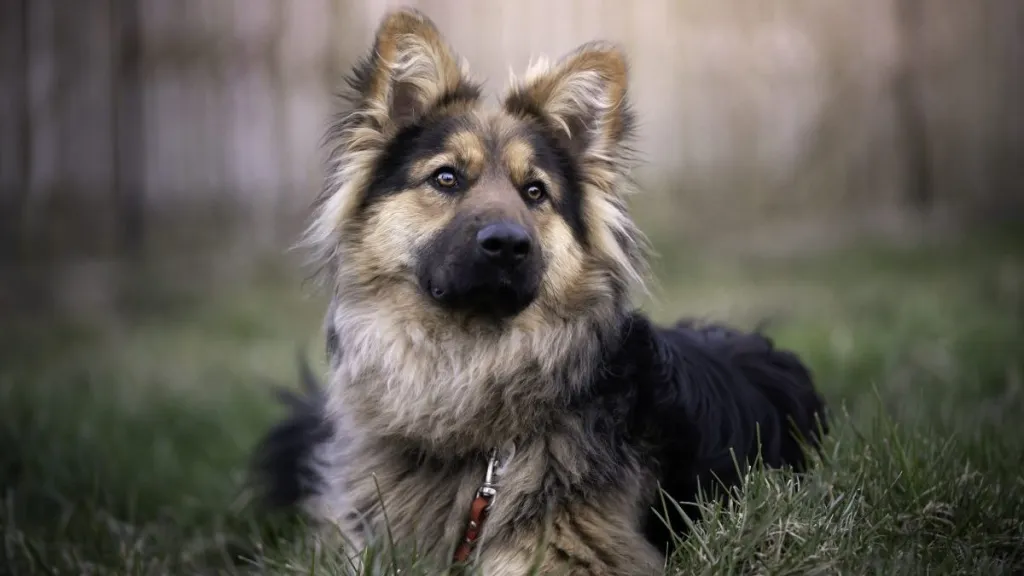
Working Line German Shepherds are bred for strength and stamina. They tend to be leaner and more muscular. Their height usually ranges from 24 to 26 inches. Weight often falls between 65 to 90 pounds. This build helps them perform demanding tasks.
Show Line German Shepherds focus more on appearance. They have a more balanced, sometimes heavier frame. Their height can be similar, but they often look larger due to thicker fur and body shape. Weight varies around 65 to 85 pounds. Their structure suits dog shows rather than work.
European Vs American German Shepherds
European German Shepherds are typically taller and heavier. Males can reach up to 26 inches in height. Their weight ranges from 75 to 90 pounds. They have a straighter back and a more robust build.
American German Shepherds are slightly smaller and lighter. Height usually stays between 22 to 24 inches. Weight ranges from 50 to 75 pounds. Their back often has a more sloped appearance.
Implications Of Large Size
Owning a German Shepherd means embracing the reality of their large size. This trait influences many aspects of daily life, from where they live to how much exercise they need and the health challenges they might face. Understanding these implications helps you provide the best care and environment for your dog.
Space And Housing Needs
German Shepherds require ample space to move comfortably. A small apartment might feel cramped and stressful for them, leading to behavioral problems. If you have a yard, make sure it’s secure and large enough for your dog to roam freely.
Think about your living situation carefully. Can you offer enough room for your dog to stretch and play? If not, you might need to plan regular outdoor activities to compensate.
Exercise Requirements
Large breed dogs like German Shepherds have high energy levels. They need daily exercise to stay healthy and happy. Without enough physical activity, they may become restless or destructive.
Consider activities that challenge both their mind and body, such as agility training or long walks. Have you scheduled enough time for these activities? Your dog’s well-being depends on it.
Health Considerations
Large size comes with specific health risks for German Shepherds. Joint issues like hip dysplasia are common and require early attention. Regular vet checkups and proper nutrition are essential to manage these risks.
Keep an eye on your dog’s weight and movement. Early signs of discomfort or stiffness should never be ignored. How proactive are you in monitoring your dog’s health daily?
Credit: www.pets4homes.co.uk
Choosing The Right Size German Shepherd
Choosing the right size German Shepherd is more than just picking a dog that looks good to you. It’s about matching their size and energy to your daily life and space. A German Shepherd can be a medium to large breed, but within that range, size varies, affecting how they fit into your lifestyle.
Lifestyle Compatibility
Think about your living situation first. Do you have a large backyard or just an apartment? Larger German Shepherds need room to move and play, or they might become restless and bored.
Also, consider your activity level. Are you someone who enjoys long walks, hikes, or runs? Bigger German Shepherds thrive with plenty of exercise. If your schedule is busy and active time is limited, a slightly smaller or less energetic dog might suit you better.
Ask yourself: Can you commit to daily mental and physical stimulation? German Shepherds, regardless of size, need challenges to stay happy and healthy.
Puppy Selection Tips
When choosing a German Shepherd puppy, size can sometimes be predicted by looking at the parents. Ask the breeder about the size and temperament of the mother and father dogs.
Observe the litter. Are the puppies noticeably different in size or behavior? Sometimes the smallest puppy may grow to be just as large as the others, but generally, size at a young age can offer clues.
Don’t overlook temperament during your choice. A calm, confident puppy might grow into a well-behaved adult, regardless of size. Your goal is to find a balance between size and personality that fits your lifestyle.
- Visit the breeder multiple times to see growth progress.
- Talk to owners of adult dogs from the same litter if possible.
- Consider how much time and space you can realistically provide for your new dog.
Credit: dogtime.com
Frequently Asked Questions
What Size Category Does A German Shepherd Belong To?
German Shepherds are considered large breed dogs. They typically weigh between 50 to 90 pounds and stand 22 to 26 inches tall. Their robust build and strong muscles classify them as a large breed, making them suitable for various roles, including protection and companionship.
Are German Shepherds Suitable For Small Living Spaces?
German Shepherds are not ideal for small living spaces. They require ample space to move and exercise. Regular outdoor activities and a spacious environment help maintain their physical and mental health. A lack of space may lead to behavioral issues in German Shepherds.
How Much Exercise Does A German Shepherd Need Daily?
German Shepherds need at least 1-2 hours of exercise daily. Activities like walking, running, and playing help maintain their energy levels. Regular exercise also prevents obesity and promotes a healthy lifestyle for these large breed dogs.
Do German Shepherds Require Special Nutrition?
Yes, German Shepherds need a diet rich in protein and fats. Special large breed dog food can provide balanced nutrition. Consulting with a veterinarian ensures they receive the necessary nutrients for their size and activity level.
Conclusion
German Shepherds are indeed large breed dogs. They have strong, muscular bodies and can weigh between 50 to 90 pounds. Their size makes them great for work and family protection. They need space to move and regular exercise. Owning a German Shepherd means commitment to their health and training.
These dogs are loyal, smart, and full of energy. Choosing a German Shepherd means choosing a big, active companion. Keep their size in mind before bringing one home. They fit well with active lifestyles and loving families.

Emily Barker is the founder of ChillDogLife.com, a space dedicated to helping pup parents discover the best dog products, lifestyle tips, and cozy ideas for happier homes.
A lifelong dog lover, Emily combines her passion for pets with a knack for research to share trusted recommendations on everything from toys and furniture to health and everyday care.
Her goal is simple: to make life easier, stylish, and more joyful for dogs and the people who love them.




