Are you tired of cleaning up after your furry friend inside the house? Potty training can be one of the most challenging aspects of dog ownership, but it doesn’t have to be.
Imagine a home where your dog knows exactly where to do their business, without you having to constantly clean up messes. With the right techniques, patience, and consistency, you can achieve this dream. In this guide, you’ll discover simple and effective methods to train your dog to pee and poop outside.
Whether you’re a new dog parent or facing challenges with an older dog, these tips will help you create a cleaner, happier home. Get ready to transform your daily routine and strengthen the bond with your canine companion. Keep reading to find out how you can make this process smooth and stress-free for both you and your dog!
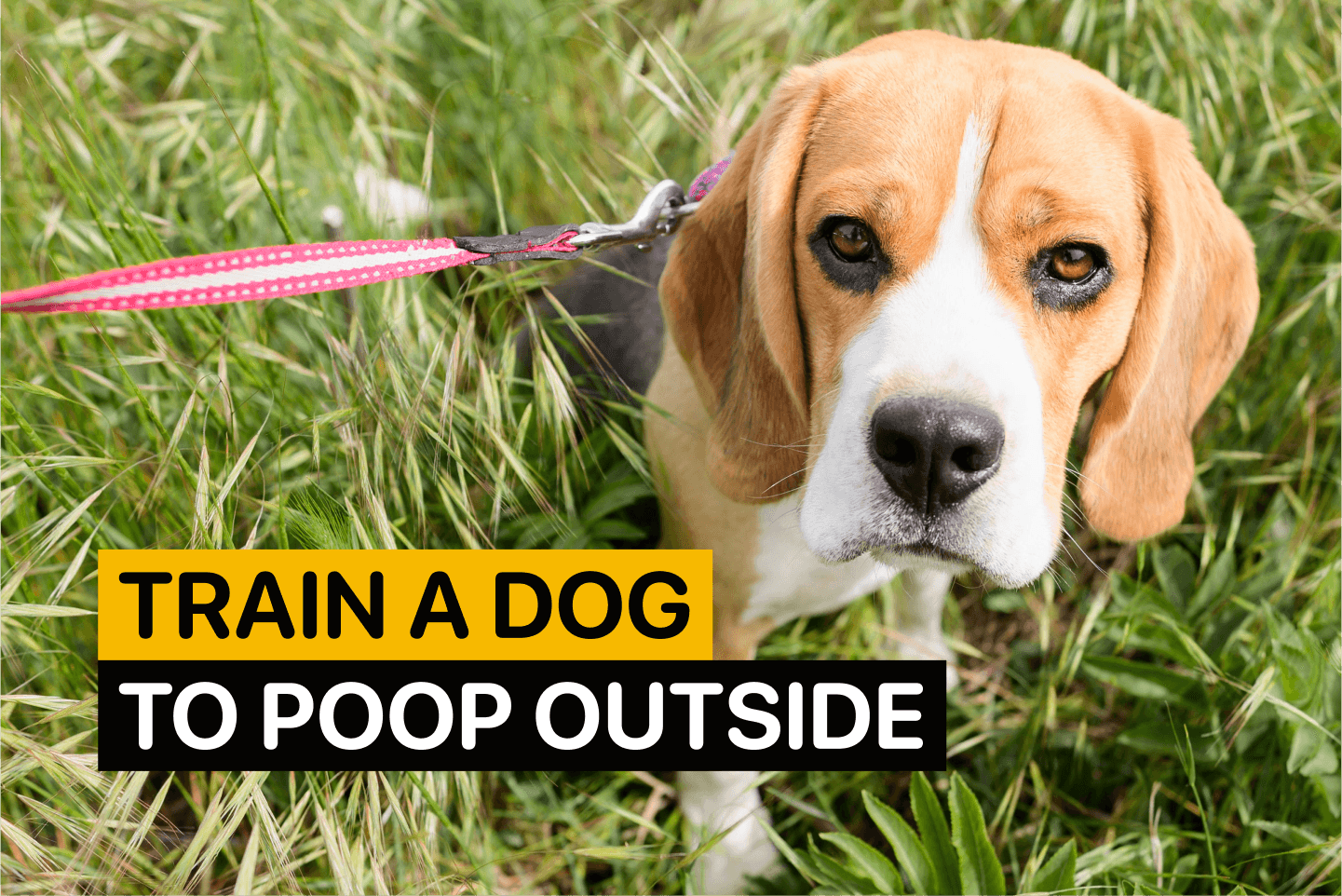
Credit: www.woofz.com
Choose The Right Spot
Training your dog to pee and poop outside starts with picking the right spot. This helps your dog learn where to go.
A good spot makes it easier for your dog to do their business and for you to clean up.
Pick A Consistent Area
Choose one place outside for your dog to pee and poop. Using the same spot helps your dog remember where to go.
Dogs like routine. A consistent area makes training faster and clearer for them.
- Pick a quiet, low-traffic spot
- Use the same area every time
- Keep it clean to avoid smells
Consider Accessibility And Safety
Make sure the spot is easy for your dog to reach. Avoid places with sharp objects or harmful plants.
Check the area for safety to protect your dog from danger and keep them comfortable during training.
- Choose a flat, open space
- Avoid busy roads or sidewalks
- Remove sharp rocks or trash
- Make sure the area drains well to stay dry
Create A Schedule
Training your dog to pee and poop outside needs a clear plan. Setting a schedule helps your dog learn faster.
A good schedule includes regular potty breaks and watching your dog’s signals. Consistency is key to success.
Set Regular Potty Times
Dogs do best with potty times at the same hours every day. Try to take your dog out first thing in the morning.
- Morning, right after waking up
- After meals
- Before bedtime
- Every 2 to 3 hours for puppies
- After playtime or naps
These times help your dog feel safe and know when to expect outdoor breaks.
Watch For Signs Your Dog Needs To Go
Dogs often show clear signals when they need to pee or poop. Watch your dog closely to catch these signs.
| Sign | What to Do |
| Sniffing around | Take your dog outside quickly |
| Circling | Lead your dog to the potty area |
| Whining or barking | Check if your dog needs a break |
| Pacing near the door | Open the door and go out |
| Sudden stopping of play | Watch for more signs and take out |
Use Commands Effectively
Training your dog to pee and poop outside needs clear commands. Using the right words helps your dog understand what to do.
Consistent commands make the training faster and easier. Your dog learns what you expect by hearing the same words every time.
Select Simple Potty Words
Choose short and clear words for potty commands. Simple words are easier for dogs to remember and react to.
Words like “Go potty,” “Bathroom,” or “Outside” work well. Use the same words every time you take your dog out.
- Pick 1 or 2 easy phrases
- Keep commands short and clear
- Use the same words during every potty break
Reinforce Commands With Repetition
Repeat your potty commands each time you take your dog outside. Repetition helps dogs link words with actions.
Speak the command calmly and clearly. Praise your dog when they follow the command correctly.
- Say the command before and during potty time
- Reward your dog after they finish
- Practice daily to build strong habits
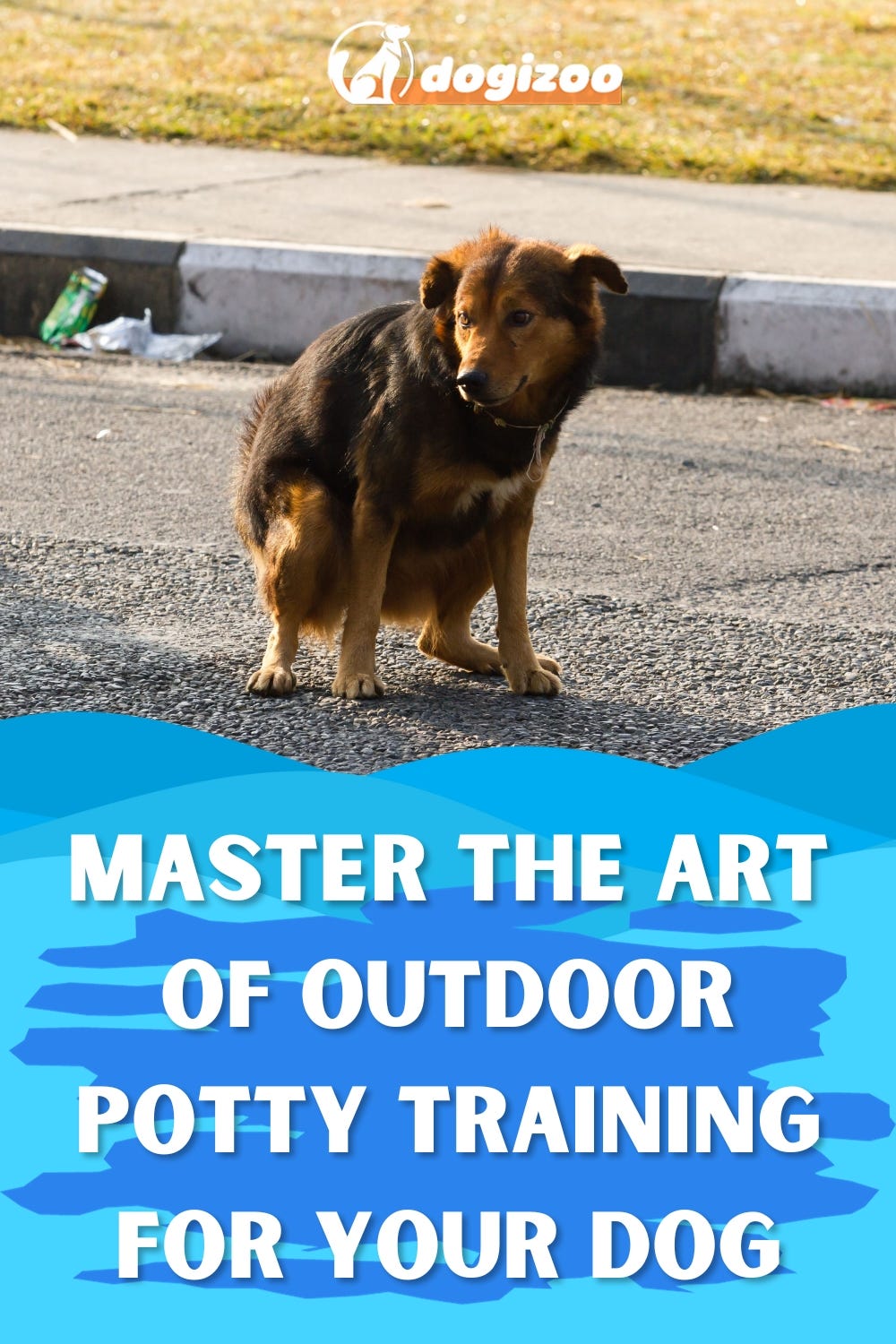
Credit: tncim.com
Positive Reinforcement Techniques
Training your dog to pee and poop outside works best with positive reinforcement. This means rewarding good behavior to encourage it.
Positive reinforcement makes your dog happy and eager to learn. It helps build trust and strengthens your bond.
Reward Immediately After Success
Give your dog a reward right after it pees or poops outside. This helps the dog connect the action with the reward.
Timing is important. If you wait too long, your dog may not understand what earned the treat or praise.
Use Treats And Praise
Treats are a great way to motivate your dog during training. Use small, tasty snacks that your dog loves.
Along with treats, use happy words and pet your dog. Praise makes your dog feel good about going outside.
- Give a treat right after your dog finishes outside
- Say “Good job!” in a happy voice
- Pet or gently scratch your dog to show you are pleased
- Repeat this every time your dog goes outside
Handle Accidents Calmly
Training your dog to pee and poop outside takes time and patience. Accidents will happen during this process. It is important to stay calm when your dog has an accident indoors.
Getting angry or upset can scare your dog. This can make training harder. Calmly handling accidents helps your dog learn faster and feel safe.
Clean Up Thoroughly
Clean the accident spot well to remove all smells. Dogs often return to the same place if they can still smell urine or feces there.
Use an enzymatic cleaner made for pet stains. Regular cleaners may not remove all the odors. Thorough cleaning helps prevent repeat accidents in the same spot.
Avoid Punishments
Never punish your dog for accidents. Scolding or hitting can cause fear and confusion. Your dog won’t understand why you are upset.
Focus on praising good behavior instead. Reward your dog when they pee or poop outside. Positive reinforcement teaches them what you want.
Gradual Independence
Training your dog to pee and poop outside takes patience. Gradual independence helps your dog learn on their own.
This approach builds your dog’s confidence to wait and go outside without constant help.
Extend Time Between Bathroom Breaks
Start by giving your dog regular bathroom breaks. Slowly increase the time between these breaks. This teaches your dog to hold it longer.
- Take your dog out every hour at first.
- Add 10 to 15 minutes each day.
- Watch for signs that your dog needs to go.
- Give praise when your dog waits longer.
- Be patient if accidents happen.
Encourage Self-control
Helping your dog control their bathroom urges is key. Teach your dog to wait calmly before going outside.
| Method | How to Do It |
| Use a cue word | Say “wait” before opening the door to go outside. |
| Reward calm behavior | Give treats when your dog waits quietly. |
| Ignore barking | Don’t rush outside if your dog barks to go out. Wait for calmness. |
| Practice patience | Slowly increase wait time before letting your dog out. |
Troubleshooting Common Issues
Training your dog to pee and poop outside can be challenging. Some dogs may resist or get distracted easily. This guide helps you fix common problems.
Understanding why your dog acts a certain way is key. Use these tips to make outdoor bathroom training smoother.
Address Reluctance To Go Outside
Some dogs feel scared or unsure about going outdoors. They may refuse to go outside for bathroom breaks. This can slow down training.
- Check for bad weather or loud noises that might frighten your dog.
- Make the outdoor space comfortable with familiar toys or bedding.
- Use a leash to gently guide your dog outside.
- Give praise and treats when your dog goes outside.
- Be patient and avoid forcing your dog outdoors.
Manage Distractions During Training
Distractions can stop your dog from focusing on bathroom training. Other animals, people, or noises may pull their attention away.
| Distraction | How to Handle |
| Other Dogs | Train in quiet areas or use a leash to keep focus |
| Loud Noises | Choose calm times of day for training |
| People Walking By | Turn your dog’s attention with commands or treats |
| Wildlife | Avoid places with many animals until training improves |

Credit: www.youtube.com
Frequently Asked Questions
How Long Does It Take To Train A Dog To Pee Outside?
Training usually takes 4 to 6 weeks with consistent routines. Puppies may need more time. Patience and positive reinforcement speed up learning.
What Is The Best Time To Take Dogs Outside?
Take your dog outside first thing in the morning, after meals, playtime, and before bedtime. Frequent trips prevent accidents indoors.
How Can I Stop My Dog From Pooping Inside?
Clean accidents immediately with enzymatic cleaners. Reward your dog for outdoor pooping. Supervise closely and establish a regular bathroom schedule.
Should I Use Crates For Potty Training Dogs?
Yes, crates help dogs learn bladder control. They avoid soiling their sleeping area. Use the crate only for short periods initially.
Conclusion
Training your dog to pee and poop outside takes patience and time. Consistency helps your dog learn faster and feel safe. Praise your dog often to encourage good habits. Watch for signs when your dog needs to go out. Clean accidents calmly and do not punish your dog.
Soon, your dog will understand where to go. Enjoy the fresh air and a cleaner home. Keep practicing daily, and success will follow. Simple steps make training easier for both you and your dog.

Emily Barker is the founder of ChillDogLife.com, a space dedicated to helping pup parents discover the best dog products, lifestyle tips, and cozy ideas for happier homes.
A lifelong dog lover, Emily combines her passion for pets with a knack for research to share trusted recommendations on everything from toys and furniture to health and everyday care.
Her goal is simple: to make life easier, stylish, and more joyful for dogs and the people who love them.




