
Do you find it frustrating when your dog refuses to share toys with other pets or even with you? Teaching your dog to share toys can feel like a tough challenge, but it’s not impossible.
Imagine a peaceful playtime where your furry friend happily lets others join in the fun without guarding their favorite toy. You’ll discover simple, practical steps to help your dog learn to share. Keep reading, and you’ll unlock the secrets to creating a happier, more social pet that enjoys playtime with everyone.
Benefits Of Sharing Toys
Teaching dogs to share toys helps them get along better with other pets. It also makes playtime fun and peaceful.
Sharing toys is a simple way to improve your dog’s behavior and strengthen their relationships.
Improved Social Skills
Dogs that learn to share toys practice patience and cooperation. This helps them behave well around other dogs and people.
- They wait their turn during play.
- They understand when to give up a toy.
- They become less possessive of their belongings.
Reduced Aggression
Sharing toys lowers fights and growling among dogs. It teaches them to stay calm and friendly.
| Behavior | Before Sharing | After Sharing |
|---|---|---|
| Growling over toys | Common | Rare |
| Biting or snapping | Occasional | Very rare |
| Calmness during play | Low | High |
Stronger Pet Bonds
Sharing toys builds trust between dogs and their owners. It also creates good memories during playtime.
Choosing The Right Toys
Teaching dogs to share toys starts with picking the right ones. The right toys make sharing easier and safer.
Some toys help dogs play together nicely. Others can cause fights or stress. Choose carefully to help your dogs share well.
Safe And Durable Options
Select toys that are strong and safe for your dogs. Durable toys last longer and stand up to chewing.
Look for toys made of non-toxic materials. Avoid toys that can break into small pieces and cause choking.
- Hard rubber toys
- Thick rope toys
- Heavy-duty nylon bones
- Toys without small parts
Toys That Encourage Sharing
Pick toys that invite dogs to play together. Toys that move or bounce can attract multiple dogs.
Toys that are large enough for two dogs help sharing. Soft toys that dogs can carry together work well too.
- Large balls for group play
- Tug ropes for two dogs
- Interactive puzzle toys
- Soft plush toys for gentle play
Avoiding Resource Guarding Triggers
Resource guarding happens when dogs protect toys. Avoid toys that cause this behavior to keep peace.
Do not give toys that your dog values too much. Avoid toys that are rare or very special to one dog only.
- No high-value chew treats as toys
- Avoid single, unique toys
- Keep enough toys for all dogs
- Watch for guarding signs like growling
Preparing Your Dogs
Teaching dogs to share toys takes time and patience. Preparing them well helps the process go smoothly.
Start by understanding your dogs’ behavior and setting up the right conditions for learning.
Assessing Temperament
Know each dog’s personality before starting. Some dogs are naturally more tolerant than others.
- Watch how your dogs react around toys
- Note if they show signs of possessiveness or aggression
- See if they are shy or confident in social settings
- Understand their play style and energy levels
Creating A Calm Environment
Keep the training area quiet and free from distractions. Calm surroundings help dogs focus.
| Factor | Why It Matters |
| Quiet Space | Reduces stress and interruptions |
| Familiar Toys | Makes dogs feel safe and interested |
| Comfortable Temperature | Keeps dogs relaxed and attentive |
| Limited People | Prevents overexcitement and fear |
Setting Clear Expectations
Use simple commands and consistent rules. Dogs learn better when they understand what you want.
- Decide which toys are for sharing
- Teach commands like “give” and “take”
- Reward calm and gentle behavior
- Do short training sessions regularly
- Be patient and avoid forcing interactions
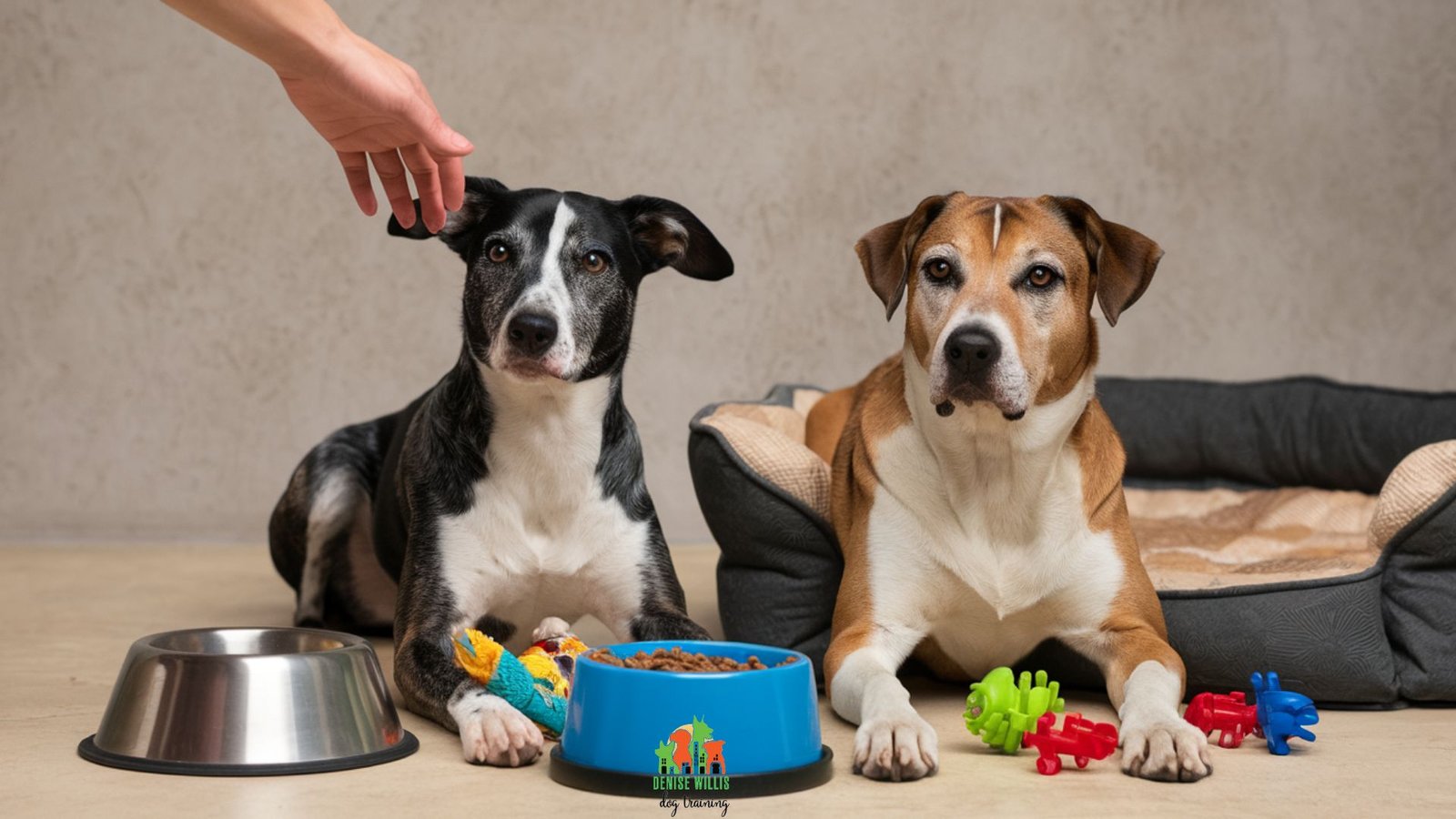
Credit: www.dwdogtraining.com
Step-by-step Sharing Training
Teaching dogs to share toys helps them play nicely with others. It also reduces fights over toys.
Follow these simple steps to train your dog to share toys calmly and happily.
Introducing Toys One At A Time
Start by giving your dog one toy at a time. This helps them focus and feel safe.
Let your dog play with the toy alone before adding more toys or other dogs.
Using Positive Reinforcement
Praise your dog when they share or behave well with toys. Use treats or kind words.
Positive rewards make your dog want to repeat good sharing behavior.
- Give a treat when your dog lets another dog have a toy
- Use a happy voice to encourage sharing
- Pet your dog gently for calm behavior
Teaching ‘drop It’ And ‘give’ Commands
Train your dog to drop or give toys on command. This helps control sharing.
Use treats to trade for the toy and say “drop it” or “give” clearly.
- Offer a treat and say “drop it” when your dog holds a toy
- Take the toy gently after your dog drops it
- Reward your dog immediately to build trust
Encouraging Turn-taking
Teach your dog to take turns with toys during playtime. This reduces fights.
Give the toy to one dog, then ask for it back before giving it to another.
- Use commands like “your turn” to signal when it’s time to share
- Keep sessions short and fun to hold your dog’s attention
- Always reward calm behavior during turn-taking
Managing Challenges
Teaching dogs to share toys can be tricky. Some dogs may act protective or aggressive.
Managing these challenges helps keep playtime safe and fun for all dogs involved.
Handling Possessiveness
Dogs may guard their toys and growl or snap. This is possessiveness. It needs gentle handling.
Teach your dog that giving up a toy leads to rewards. Use treats and praise to encourage sharing.
- Swap a toy for a treat to reduce guarding
- Practice taking toys calmly and gently
- Give plenty of praise when your dog shares
Preventing Conflicts
Conflicts can happen if dogs want the same toy. Watch their body language to stop fights early.
Give each dog its own toys. Supervise play and separate dogs if they show signs of tension.
- Provide multiple toys to reduce competition
- Interrupt play if growling or stiff posture appears
- Use short play sessions with breaks
When To Seek Professional Help
Some dogs have strong possessiveness or aggression. This can be hard to manage alone.
If your dog shows constant guarding or aggressive behavior, talk to a trainer or behaviorist.
- Seek help if growling or biting happens often
- Professional trainers can teach safe sharing skills
- Early help prevents problems from getting worse
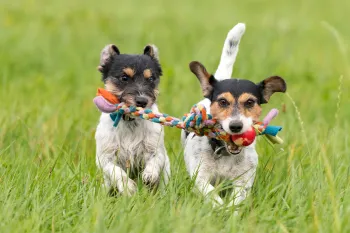
Credit: www.humaneworld.org
Maintaining Good Sharing Habits
Teaching dogs to share toys is important for their social skills. Consistent training helps them get along better with others.
Sharing can reduce conflicts and make playtime enjoyable for everyone. Focus on positive habits to keep the peace.
Regular Practice Sessions
Regular practice sessions help dogs learn sharing rules. Make these sessions fun and engaging to hold their attention.
- Set a specific time for practice daily.
- Use their favorite toys to keep them interested.
- Involve different dogs to teach sharing with others.
Rewarding Cooperative Behavior
Rewards encourage dogs to share toys happily. Give them treats when they behave well during play.
Adapting To Changes
Dogs may need time to adjust to new toys or playmates. Be patient as they learn to share in different situations.
| Change | Adaptation Strategy |
| New Toy | Introduce slowly |
| New Dog | Supervised play |
| New Environment | Short sessions |

Credit: www.companionanimalpsychology.com
Frequently Asked Questions
How Do I Teach My Dog To Share Toys Peacefully?
Start by offering treats when your dog shares toys. Use positive reinforcement and patience to encourage sharing. Gradually introduce other dogs and supervise playtime to ensure peaceful interactions. Consistency and calm praise help dogs learn to share toys comfortably.
What Are The Best Techniques For Toy Sharing Training?
Use controlled play sessions with clear rules. Teach the “drop it” command to encourage giving up toys. Reward sharing behavior instantly with treats or affection. Avoid forcing your dog, and keep training sessions short and frequent for better results.
How Long Does It Take Dogs To Learn Sharing Toys?
Learning to share toys varies by dog personality and training consistency. Most dogs show progress within weeks of regular practice. Patience is key; some dogs may take longer to feel comfortable sharing their toys with others.
Can Sharing Toys Reduce Aggression In Dogs?
Yes, sharing toys can reduce possessiveness and aggression. It builds trust and social skills among dogs. Proper guidance and supervision are essential to prevent conflicts. Teaching sharing early can improve your dog’s behavior around others.
Conclusion
Teaching dogs to share toys takes time and patience. Start with simple steps and stay consistent. Praise your dog when they share or take turns. Use toys that both dogs like to keep interest high. Remember, each dog learns at their own pace.
Small progress is still progress. Sharing builds trust and reduces fights. Enjoy the process and celebrate little wins. Your dogs will become better friends in time. Keep training fun and gentle for the best results. Sharing toys can bring more joy to your home.

Emily Barker is the founder of ChillDogLife.com, a space dedicated to helping pup parents discover the best dog products, lifestyle tips, and cozy ideas for happier homes.
A lifelong dog lover, Emily combines her passion for pets with a knack for research to share trusted recommendations on everything from toys and furniture to health and everyday care.
Her goal is simple: to make life easier, stylish, and more joyful for dogs and the people who love them.




