
Does your dog love playing with toys but never seems to clean up afterward? Imagine how much easier your life would be if your furry friend could put away their toys all by themselves.
Teaching your dog this simple trick not only keeps your home tidy but also strengthens the bond between you and your pet. You’ll discover easy and effective steps to train your dog to put away toys, making playtime more fun and cleanup stress-free.
Ready to turn your playful pup into a tidy helper? Let’s get started!
Benefits Of Teaching Toy Cleanup
Teaching your dog to put away toys is a helpful skill. It makes life easier for both you and your dog.
This simple task brings many good results. It helps your dog learn, keeps your home tidy, and builds trust.
Enhances Dog’s Obedience
When your dog learns to clean up toys, it follows commands better. This training improves its focus and discipline.
- Follows instructions clearly
- Improves listening skills
- Builds patience and control
- Prepares for learning new commands
Keeps Home Organized
Toys left on the floor can cause clutter and accidents. Teaching your dog to put toys away keeps your house neat and safe.
| Before Teaching | After Teaching |
| Toys scattered on floor | Toys in designated box |
| Risk of tripping | Clear walking spaces |
| More cleaning for owner | Less mess to clean |
Strengthens Bond
Working together on toy cleanup builds trust. Your dog feels proud and happy to help you.
Ways to strengthen your bond through toy cleanup:
- Use praise and treats for motivation
- Spend quality time during training
- Show patience and kindness
- Celebrate small successes
Choosing The Right Toys
Teaching your dog to put away toys starts with picking the right ones. The toys should be easy for your dog to carry and safe to handle.
Choosing suitable toys helps your dog learn faster and enjoy the training process.
Select Easy-to-carry Toys
Pick toys that fit comfortably in your dog’s mouth. Soft balls, rope toys, or plush toys work well. Avoid toys that are too big or heavy for your dog.
- Choose toys light enough for your dog to carry easily
- Look for toys with handles or loops for easy grabbing
- Pick toys your dog likes to play with
- Use toys that are not slippery or hard to hold
Avoid Small Or Fragile Items
Small toys can be choking hazards, and fragile toys can break easily. Both can cause problems during training.
| Risk | Example | Reason |
| Choking | Small balls, tiny figurines | Can block airways |
| Breakage | Plastic toys, thin parts | Can cause sharp pieces |
| Swallowing | Loose parts, stuffing | May cause stomach problems |
Setting Up A Toy Storage Spot
Teaching your dog to put away toys starts with a good storage spot. You need a place that is easy for your dog to reach and use.
A clear and simple storage area helps your dog understand where to put toys. This makes training faster and less confusing.
Pick A Convenient Location
Choose a spot where your dog spends time playing. It should be easy to get to and not far from where toys are used.
Make sure the area is safe and free from obstacles. A quiet corner or near the dog’s bed can work well.
Use Clear Or Open Containers
Use containers that let your dog see the toys inside. Clear bins or open baskets work best for this.
When toys are visible, your dog knows what belongs in the container. This helps them learn where to put each toy.
- Clear plastic bins
- Open baskets
- Low boxes without lids

Credit: www.redbarn.com
Basic Commands To Teach First
Teaching your dog to put away toys starts with simple commands. These commands help your dog understand what you want.
Begin with easy commands that build good habits. This makes learning fun for your dog.
Teach ‘drop It’ Command
The “Drop It” command helps your dog release items from its mouth. This is useful for putting toys away safely.
Start by offering a toy to your dog. When it holds the toy, say “Drop it” and show a treat. Give the treat when the dog lets go.
- Give a toy your dog likes
- Say “Drop it” clearly
- Show a treat as a reward
- Praise your dog after it drops the toy
- Repeat often for practice
Practice ‘fetch’ Command
The “Fetch” command teaches your dog to bring toys back to you. This is a key step in putting toys away.
Throw a toy a short distance. Say “Fetch” and encourage your dog to get it. When your dog returns, ask it to drop the toy.
- Choose a favorite toy
- Throw it a little away
- Say “Fetch” clearly
- Call your dog back
- Use “Drop it” to take the toy
- Reward with praise or treat
Step-by-step Toy Cleanup Training
Teaching your dog to put away toys is a fun way to keep your space tidy. It also helps your dog learn good habits.
This guide breaks down the process into simple steps. Follow them to train your dog easily.
Introduce The Cleanup Spot
Pick a special place for your dog’s toys. This spot should be easy for your dog to reach and see.
Show your dog the spot and place some toys there. Use a friendly tone to make it clear this is where toys belong.
Encourage Carrying Toys To Spot
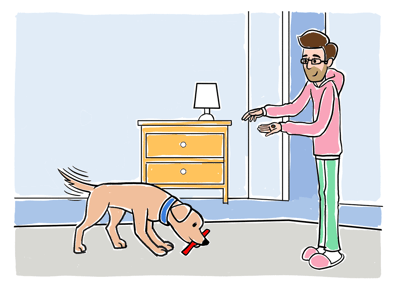
Help your dog learn to carry toys to the cleanup spot. Use a simple command like “bring toy.”
- Call your dog’s name and say the command.
- Point to a toy and encourage your dog to pick it up.
- Guide your dog to walk to the cleanup spot with the toy.
- Use praise and gentle encouragement throughout.
Reward Placement In Toy Box
When your dog places the toy in the box, give a treat or kind words. This helps your dog know the action is right.
| Action | Reward |
|---|---|
| Carrying toy to spot | Verbal praise |
| Placing toy in box | Small treat |
| Following command | Petting and smile |
Repeat And Reinforce
Practice this routine daily. Repeat commands and reward good behavior each time.
Be patient. Dogs learn best with clear steps and kind guidance.
Credit: www.preventivevet.com
Using Positive Reinforcement
Teaching your dog to put away toys can be fun. Positive reinforcement helps your dog learn quickly. It involves rewarding good behavior with treats and praise.
This method makes training enjoyable for both you and your dog. It encourages your dog to repeat the desired action by associating it with positive experiences.
Treats And Praise
Offer your dog a treat when they put a toy away. This reward should be immediate so your dog links the action with the treat. Praise them with a happy voice to reinforce the behavior.
Dogs love attention and treats. They learn faster when they know they will receive both. Keep treats small and healthy to avoid overfeeding.
- Use small, tasty treats
- Give treats right after the toy is put away
- Praise with a cheerful voice
Consistent Rewards
Consistency is key in training. Reward your dog each time they put a toy away. This builds a routine and reinforces the behavior.
Over time, your dog will understand what is expected. Consistent rewards help maintain the habit and make learning easier for your dog.
- Reward every time at first
- Gradually reduce treats as the behavior becomes a habit
- Keep the praise constant
Troubleshooting Common Issues
Teaching your dog to put away toys can be fun. But sometimes, you might face a few challenges. Here are some tips to help you.
Let’s look at common issues and how to handle them effectively.
Ignoring Commands
Your dog may ignore commands when distracted or uninterested. To fix this, ensure you’re in a quiet space and use a firm voice.
- Practice in a familiar environment.
- Use treats as a reward.
- Repeat commands consistently.
Dropping Toys Too Soon
Dogs sometimes drop toys before reaching the basket. Encourage them by guiding them closer and rewarding success.
Lack Of Interest
If your dog shows no interest, switch up the toys or add variety to the activity. Engage them with different textures and sounds.
| Toy Type | Engagement Level |
| Chew Toy | High |
| Plush Toy | Medium |
| Ball | High |
| Rope | Low |

Credit: wearwagrepeat.com
Maintaining The Habit Long-term
Teaching your dog to put away toys takes time. Keeping this habit long-term needs effort and consistency.
Dogs learn best with regular practice and clear signals. Let’s look at ways to keep this habit strong.
Regular Practice Sessions
Practice every day in short, fun sessions. This helps your dog remember the task well.
Keep sessions simple and use the same commands. This builds a clear routine for your dog.
- Set aside 5-10 minutes daily
- Use the same toy box and spot
- Repeat the command clearly
- Give praise and encouragement
Gradual Reduction Of Rewards
Start with treats and praise for every toy put away. Slowly reduce treats to keep your dog motivated.
Switch to verbal praise or petting more often. This helps your dog learn to do the task without always expecting food.
- Give treats at first for every success
- Offer treats every other time after a week
- Use praise instead of treats most times
- Keep treats for special achievements
Involving Family Members
Ask everyone in your home to join the training. This keeps the habit strong and consistent.
Each family member should use the same commands and reward style. This avoids confusing your dog.
- Teach all family members the command
- Agree on how to praise or reward
- Encourage everyone to join practice sessions
- Keep training times consistent for all
Frequently Asked Questions
How Do I Start Teaching My Dog To Put Away Toys?
Begin with one toy and use clear commands like “put away. ” Reward your dog immediately after they drop the toy in the basket. Consistency and patience are key to success.
What Are The Best Rewards For Training Toy Cleanup?
Use treats, praise, or playtime as rewards. Choose what motivates your dog most. Positive reinforcement helps your dog learn quickly and enjoy the training process.
How Long Does It Take To Teach Toy Cleanup?
Training duration varies by dog, but most learn within a few weeks. Short, consistent sessions of 5-10 minutes daily improve retention and make training fun.
Can Any Dog Learn To Put Toys Away?
Yes, dogs of all breeds and ages can learn. Training methods may vary, but patience and positive reinforcement work for all dogs.
Conclusion
Teaching your dog to put away toys takes time and patience. Start with small steps and keep training short. Praise your dog often to encourage good behavior. Use clear commands and show where toys belong. Practice regularly to make this a fun habit.
Your dog will enjoy the routine and learn quickly. Keeping toys tidy helps both you and your pet stay happy. Consistency is key to success. Keep training simple and positive every day.

Emily Barker is the founder of ChillDogLife.com, a space dedicated to helping pup parents discover the best dog products, lifestyle tips, and cozy ideas for happier homes.
A lifelong dog lover, Emily combines her passion for pets with a knack for research to share trusted recommendations on everything from toys and furniture to health and everyday care.
Her goal is simple: to make life easier, stylish, and more joyful for dogs and the people who love them.




