
If your dog whines in their crate, you know how frustrating it can be—for both of you. You want your furry friend to feel safe and comfortable, but the constant noise can make you question if you’re doing something wrong.
The good news? You can teach your dog to stop whining in the crate with the right approach. You’ll discover simple, effective steps that help your dog feel calm and secure, turning the crate into a place they actually enjoy.
Keep reading, and you’ll find out exactly how to make crate time peaceful for everyone.
Reasons Dogs Whine In Crates
Understanding why your dog whines in their crate is the first step toward calming them down effectively. Dogs express discomfort, needs, or emotions through whining, and each reason requires a different approach. Let’s look closely at the common causes behind this behavior to help you respond in the best way.
Separation Anxiety
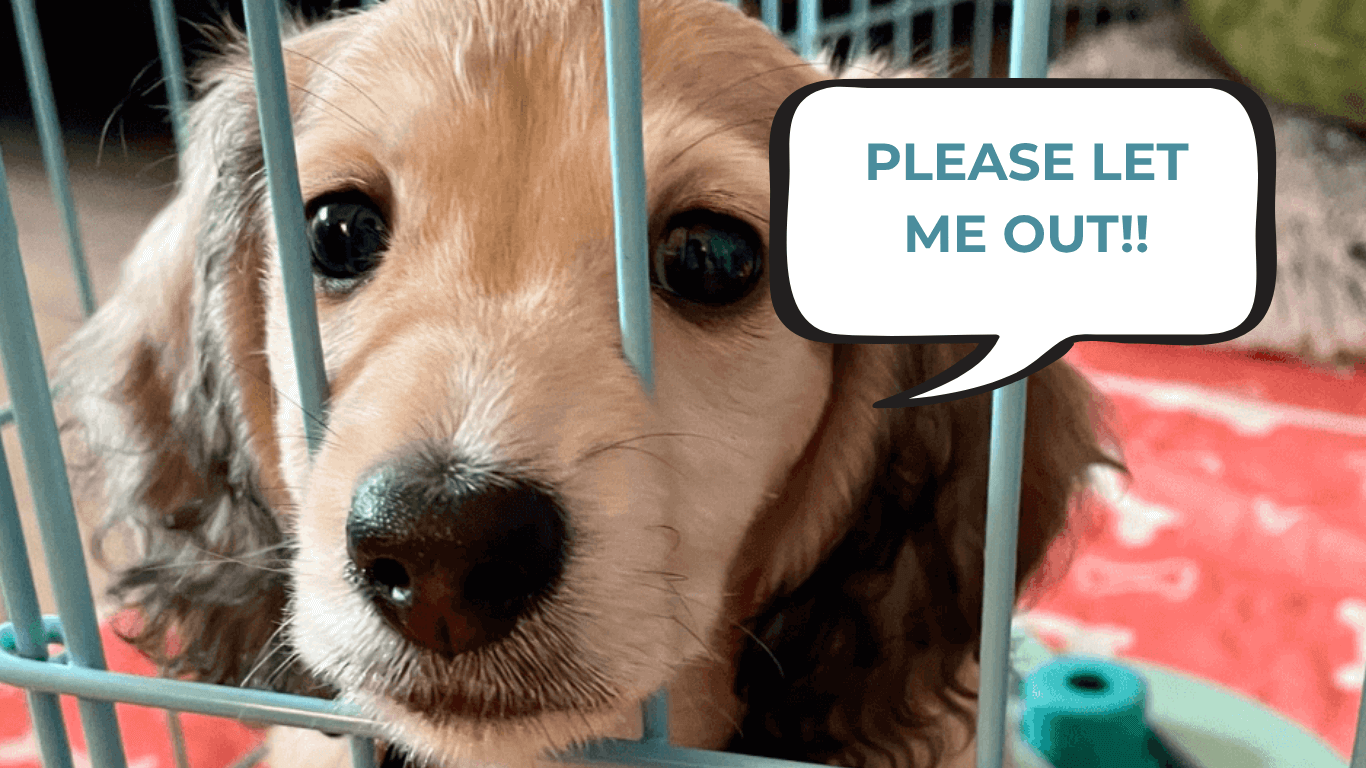
Separation anxiety is a major reason dogs whine in crates. Your dog might feel stressed when left alone, fearing you won’t come back. This emotional upset can cause persistent whining, scratching, or even attempts to escape.
Have you noticed your dog only whines after you leave the room or house? That’s a clear sign of separation anxiety. Addressing this means gradually teaching your dog to feel safe when alone, rather than just forcing crate time.
Need For Bathroom Breaks
Whining can also be a simple signal that your dog needs to go outside. Puppies and senior dogs especially may struggle to hold their bladder for long periods. Ignoring this can lead to accidents and increased distress.
Try setting a consistent schedule for bathroom breaks before crating your dog. If whining starts shortly after you crate them, consider whether they might need a quick trip outside.
Discomfort Or Pain
Sometimes whining indicates physical discomfort or pain. The crate might be too small, too hot, or too cold. Or your dog could be dealing with an injury or illness that makes sitting still difficult.
Check if your dog shifts uncomfortably or avoids entering the crate. If whining persists, a vet visit might be necessary to rule out health issues.
Boredom And Lack Of Stimulation
Dogs need mental and physical exercise. When left in a crate for too long without stimulation, boredom can trigger whining. Your dog may be asking for something to do or a chance to stretch their legs.
Have you tried leaving safe chew toys or puzzle feeders in the crate? These can keep your dog occupied and reduce whining caused by restlessness.
Fear Or Insecurity
Fear of the crate or what’s inside it can cause your dog to whine. This might stem from a negative past experience or unfamiliar smells and sounds. Your dog might feel trapped or unsure about the crate’s safety.
Try making the crate a positive place with treats, praise, and a cozy blanket. Think about how you can turn the crate into a personal den where your dog feels secure rather than trapped.
Credit: www.dogsavvylosangeles.com
Preparing The Crate
Getting your dog comfortable with their crate starts long before you close the door. Preparing the crate carefully can reduce whining significantly. It sets the stage for your dog to feel safe and relaxed, turning the crate from a place of anxiety into a personal retreat.
Choosing The Right Size
The crate should be just big enough for your dog to stand, turn around, and lie down comfortably. Too large, and your dog might use one end as a bathroom, which creates problems. Too small, and it can feel like a cage, increasing stress and whining.
Think about your dog’s size now and their potential adult size if they’re still growing. A crate with a divider panel lets you adjust the space as your puppy grows, keeping it cozy without feeling cramped.
Making The Crate Comfortable
Comfort is key to making your dog want to stay in the crate. Add a soft bed or blanket to cushion the floor and provide warmth. Avoid materials that slide around or bunch up, as that can make your dog restless.
Some dogs enjoy chew-proof toys or a safe bone inside the crate to keep them occupied. But be careful—if your dog tends to swallow pieces, it’s safer to leave toys out of the crate to prevent choking or blockages.
Adding Familiar Scents
Scent is powerful for dogs and can make the crate feel more like home. Place a piece of your clothing or a blanket that smells like you inside the crate. This familiar smell provides comfort and reassurance when you’re not around.
You can also add a toy or bedding that carries your dog’s scent. Dogs find these scents calming, which can reduce whining and encourage them to settle down faster.
Creating A Positive Space
The crate should be a happy place, not a punishment zone. Feed your dog meals inside the crate and give treats when they enter calmly. This builds a positive association and makes your dog look forward to crate time.
Try spending time near the crate while playing or relaxing, so your dog links it with good experiences. If your dog whines, avoid giving attention right away—wait for quiet moments before rewarding calm behavior.
Training Techniques To Reduce Whining
Training your dog to stop whining in a crate takes patience and clear techniques. Consistent training helps your dog feel safe and calm inside the crate. The right methods reduce anxiety and make crate time pleasant. Focus on positive experiences and clear communication during training.
Gradual Crate Introduction
Start by placing the crate in a common room. Leave the door open so your dog can explore freely. Put treats or toys inside to attract your dog. Let your dog enter and exit without pressure. Slowly increase the time your dog stays inside with the door closed. Always stay nearby and watch for signs of stress.
Using Treats And Rewards
Give your dog treats when it enters the crate calmly. Use praise to reinforce good behavior. Offer a special toy or chew inside the crate to keep your dog busy. Reward quiet moments inside the crate often. This links the crate with positive feelings and comfort.
Establishing A Consistent Routine
Set fixed times for crate sessions daily. Feed your dog in the crate to create a safe space feeling. Take your dog out for bathroom breaks before crate time. Keep crate time short at first, then slowly extend it. Consistency helps your dog understand what to expect and feel secure.
Ignoring Attention-seeking Whining
Do not respond to whining that seeks attention. Wait for silence before opening the crate door. Responding to whining can reinforce the behavior. Ignore whining but watch for signs of real distress. Reward calm and quiet behavior only.
Teaching Quiet Commands
Use a clear word like “quiet” when your dog stops whining. Wait for silence, then reward immediately. Practice this command outside the crate first. Use it gently inside the crate to control whining. This teaches your dog to stop whining on command.

Credit: zigzag.dog
Managing Needs Before Crate Time
Managing your dog’s needs before crate time helps reduce whining. Meeting basic needs makes your dog comfortable and calm. This practice makes crate time easier for both of you.
Exercise And Playtime
Give your dog enough exercise to burn off energy. A tired dog is less likely to whine in the crate. Playtime helps your dog relax and feel happy.
Bathroom Breaks
Take your dog outside for a bathroom break before crate time. A full bladder can cause discomfort and whining. Regular breaks teach your dog to hold it until crate time ends.
Feeding Schedule
Feed your dog well before crating. Avoid feeding right before crate time to prevent discomfort. A consistent feeding schedule helps your dog feel secure and settled.
Tools And Aids To Help
Helping your dog feel calm and comfortable in their crate can sometimes require a bit more than patience and training. Tools and aids can make a big difference in reducing whining and anxiety. These items create a soothing environment and keep your dog engaged, which helps them settle down faster.
Calming Supplements
Calming supplements can be a gentle way to ease your dog’s nervousness in the crate. Products containing ingredients like chamomile, valerian root, or CBD are popular choices. Before giving any supplement, check with your vet to ensure it’s safe and appropriate for your dog’s needs.
Have you noticed your dog relaxing more after a calming treat? It’s often the little things that help reduce their stress and whining.
Soothing Sounds And Music
Sounds have a powerful effect on dogs. Playing soft classical music or nature sounds can create a peaceful atmosphere inside the crate. You might try a white noise machine to block out distractions that trigger whining.
Try experimenting with different sounds to see what your dog responds to best. Does your pup calm down with gentle rain sounds, or do they prefer quiet instrumental tunes?
Interactive Toys
Interactive toys keep your dog’s mind busy and reduce boredom-driven whining. Puzzle feeders, treat-dispensing toys, or chew toys can provide hours of distraction. Make sure the toys are safe and appropriate for crate use to avoid choking hazards.
Have you observed how a simple toy can turn anxious whining into focused play? Your dog’s engagement level often reflects their comfort inside the crate.
Crate Covers
Crate covers create a den-like environment that can help your dog feel secure. Covering the crate reduces visual distractions and can lower anxiety. Use breathable fabric and ensure there’s enough airflow to keep your pet comfortable.
Think about whether your dog prefers a cozy, enclosed space or a more open setup. Adjusting the crate cover might be the key to reducing whining during crate time.
When To Seek Professional Help
Knowing when to seek professional help is crucial if your dog’s whining in the crate doesn’t improve or worsens despite your best efforts. Sometimes, whining points to deeper issues that need expert attention. Recognizing these moments can save your dog from unnecessary stress and help you find effective solutions faster.
Signs Of Severe Anxiety
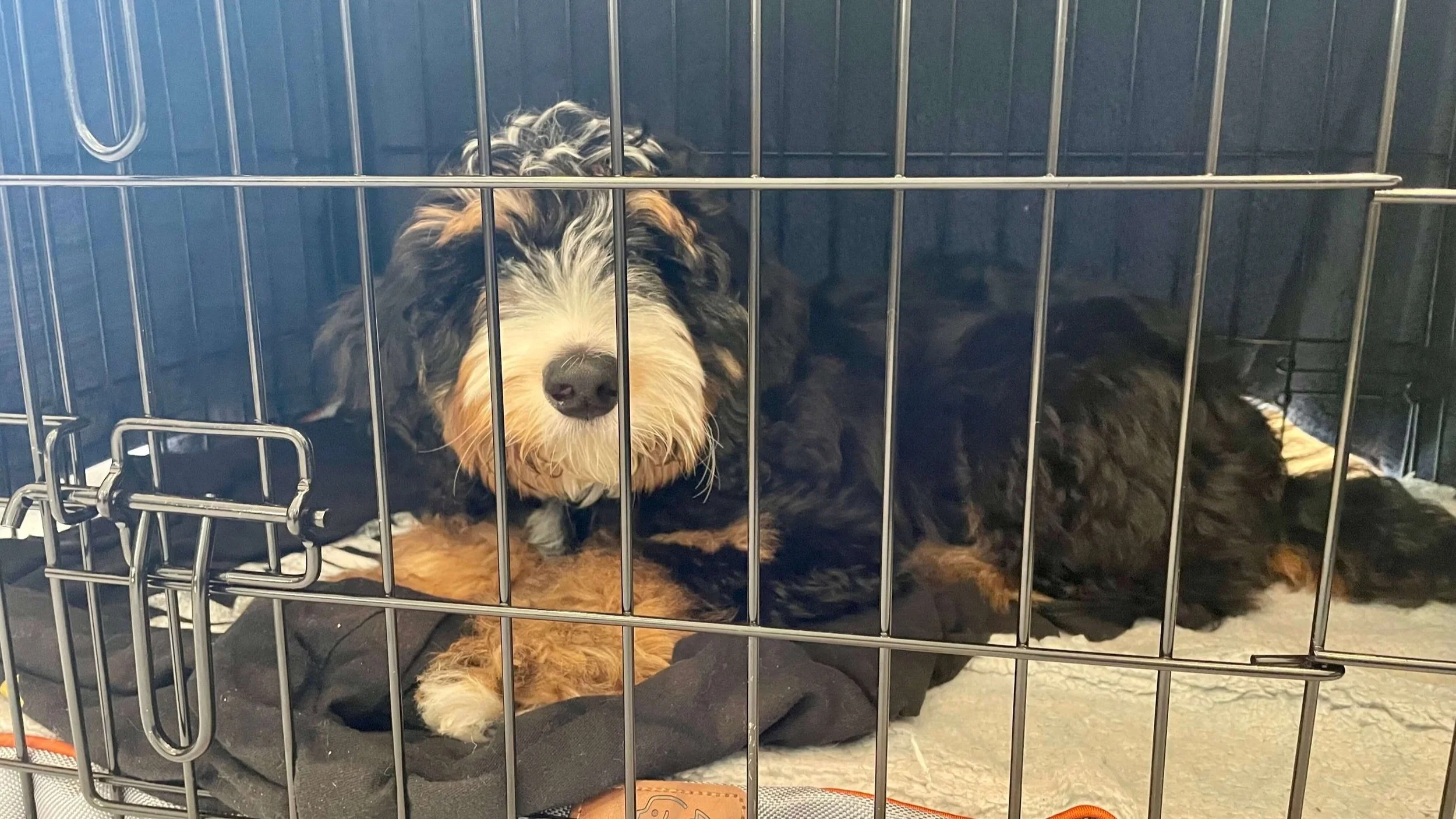
Severe anxiety shows up in more than just whining. If your dog is constantly pacing, drooling excessively, panting heavily, or trying to escape the crate, these are clear warning signs.
Notice if your dog’s behavior escalates to destructive chewing or self-harm. These symptoms suggest that the crate has become a source of distress, not comfort.
Ask yourself: Is the whining just occasional discomfort, or is it part of a bigger, more intense anxiety problem?
Consulting A Veterinarian
A veterinarian can rule out medical issues that might cause or worsen whining. Pain, illness, or discomfort often lead to vocal distress.
Discuss your dog’s behavior openly. Your vet might recommend anti-anxiety medications or supplements to ease your dog’s stress while you work on training.
Regular health checks also ensure no underlying condition is missed. Sometimes, what seems behavioral is actually physical.
Working With A Trainer Or Behaviorist
Professional trainers and behaviorists offer personalized strategies tailored to your dog’s unique needs. They can identify triggers you might overlook.
These experts teach you how to build positive crate associations and manage anxiety step-by-step. Their guidance often accelerates progress and prevents setbacks.
Have you tried every trick but still face constant whining? A professional’s insight could be the key to turning frustration into calm.
Credit: www.dogsavvylosangeles.com
Frequently Asked Questions
How Can I Stop My Dog Whining In The Crate?
To stop whining, ensure the crate is comfortable and safe. Use positive reinforcement and gradually increase crate time. Avoid giving attention when whining to prevent reinforcement. Consistency and patience help your dog adjust and feel secure inside the crate.
Why Does My Dog Whine In The Crate At Night?
Dogs may whine at night due to anxiety, discomfort, or needing to relieve themselves. Ensure they have exercised and emptied their bladder before bedtime. Create a calm environment and consider crate training sessions to reduce nighttime whining.
Is Crate Training Effective To Reduce Whining?
Yes, crate training helps reduce whining by making the crate a positive space. It teaches dogs to feel safe and secure, reducing anxiety-driven vocalization. Proper training involves gradual exposure and rewarding calm behavior in the crate.
How Long Should A Dog Stay In The Crate Without Whining?
Dogs should not stay in a crate for more than 3-4 hours during the day. Puppies need shorter periods, around 1-2 hours. Regular breaks for exercise and bathroom needs prevent whining caused by discomfort or boredom.
Conclusion
Stopping a dog from whining in a crate takes patience and care. Give your dog time to feel safe and calm inside. Use treats and praise to build good habits. Avoid giving attention when your dog whines, so they learn quiet is better.
Keep crate time short and comfortable. With steady practice, your dog will stop whining. A happy dog makes crate time peaceful for both of you. Keep trying, and you will see good results soon.

Emily Barker is the founder of ChillDogLife.com, a space dedicated to helping pup parents discover the best dog products, lifestyle tips, and cozy ideas for happier homes.
A lifelong dog lover, Emily combines her passion for pets with a knack for research to share trusted recommendations on everything from toys and furniture to health and everyday care.
Her goal is simple: to make life easier, stylish, and more joyful for dogs and the people who love them.




