
Is your dog acting a little different lately? Maybe they’re going to the bathroom more often or seem uncomfortable when they pee.
These could be signs your furry friend has a bladder infection. But how can you be sure? Knowing the warning signs early can save your dog from pain and prevent serious health problems. You’ll discover exactly what to look for and what steps to take if you suspect your dog has a bladder infection.
Keep reading to protect your pet and give them the care they need.
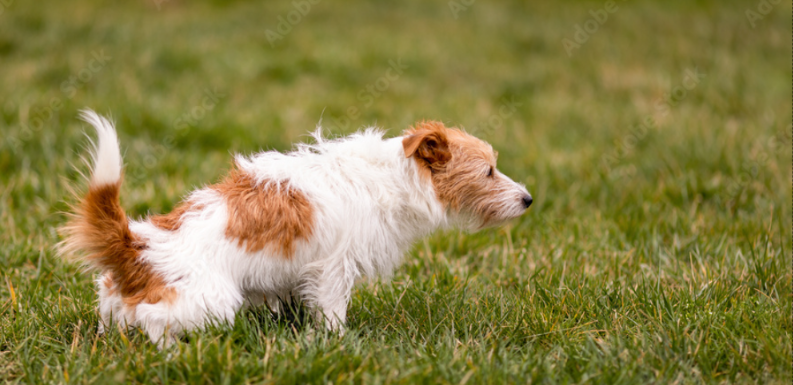
Credit: partnersvetwl.com
Common Symptoms
Bladder infections in dogs cause clear signs. Knowing these signs helps you act fast. Watch your dog carefully for changes in bathroom habits.
Frequent Urination
Your dog may want to pee more often than usual. Trips outside or to the litter box increase. This happens because the bladder feels irritated and needs emptying more.
Straining To Urinate
Notice if your dog has trouble peeing. They might squat longer or push hard. Straining shows discomfort and possible pain in the bladder or urinary tract.
Blood In Urine
Blood can appear as pink or red in your dog’s urine. This is a strong sign of bladder irritation or infection. Check urine color regularly to catch problems early.
Accidents In The House
Your dog may pee indoors even if trained well. These accidents happen because the dog feels urgent need to go. It is a common symptom that should never be ignored.
Behavioral Changes
Noticing behavioral changes in your dog can be one of the first signs of a bladder infection. These changes often appear before more obvious symptoms like frequent urination or blood in the urine. Paying close attention to how your dog acts can help you catch the problem early and get your pet the care they need.
Increased Licking Of Genital Area
If your dog suddenly starts licking their genital area more than usual, it could be a sign of irritation or discomfort caused by a bladder infection. This behavior is your dog’s way of trying to soothe the pain or itchiness. Have you noticed your dog spending extra time licking in that area lately?
Restlessness And Discomfort
A dog with a bladder infection may seem restless and unable to settle down. You might see them pacing, whining, or frequently changing positions. These signs show your dog is uncomfortable, and they might be trying to tell you something isn’t right.
Reduced Activity Levels
Bladder infections can make your dog feel tired and less energetic. If your usually playful dog becomes sluggish or avoids walks, it’s worth paying attention. Could this drop in activity be your dog’s way of coping with pain or fever?
Physical Signs
Physical signs are often the first clues that a dog might have a bladder infection. These signs help pet owners notice discomfort or changes in their dog’s health early. Watching for unusual symptoms can lead to quicker care and relief for your dog.
Foul-smelling Urine
One clear sign is urine that smells very strong or bad. Normal dog urine has a mild scent, so a sharp or unpleasant odor can indicate infection. This happens because bacteria in the bladder produce chemicals that change the smell.
Fever And Lethargy
A dog with a bladder infection may feel tired and weak. A fever is common and shows the body is fighting an infection. Your dog might sleep more than usual and show less interest in activities or food.
Pain When Touched
Dogs with bladder infections often feel pain in their lower belly. They might react or pull away when you gently press the area. This pain is caused by inflammation and irritation inside the bladder.
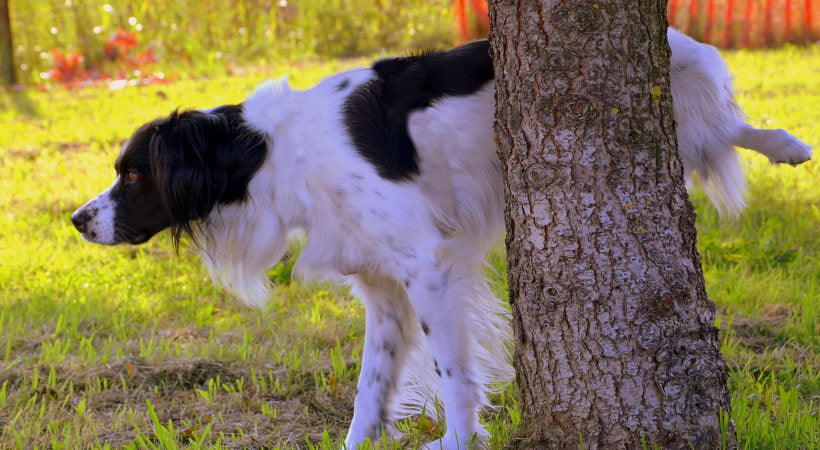
Credit: walkinpets.com
Risk Factors
Several risk factors raise the chance of bladder infections in dogs. Knowing these helps in early detection and care. Watch closely for signs if your dog falls into any risk group.
Age And Breed Considerations
Older dogs have weaker immune systems. This makes them prone to infections, including bladder issues.
Some breeds have higher risks due to their anatomy or genetics. Breeds like Dalmatians and English Bulldogs often face urinary problems.
Gender Differences
Female dogs are more likely to get bladder infections. Their shorter urethra allows bacteria to enter easily.
Male dogs have a longer urethra, lowering infection chances. Yet, infections can still occur, especially with other health issues.
Underlying Health Conditions
Certain illnesses increase infection risk. Diabetes and bladder stones can cause frequent urinary problems.
Weakened immune systems from other diseases also raise infection chances. Keep track of your dog’s health status closely.
Diagnostic Steps
Identifying a bladder infection in your dog requires careful diagnostic steps to ensure accurate treatment. These steps help your vet understand the root cause of your pet’s discomfort. Knowing what to expect during diagnosis can make the process less stressful for both you and your dog.
Veterinary Examination
Your vet will start with a thorough physical exam. They check for signs like tenderness in the lower abdomen or changes in your dog’s behavior. This hands-on assessment helps spot symptoms that might not be obvious to you.
Have you noticed your dog licking their private area more than usual or straining to urinate? Sharing these observations can guide the vet’s examination.
Urine Analysis
Collecting a urine sample is a key step. The vet looks for bacteria, blood, or crystals that indicate infection or other urinary issues.
Sometimes, your vet might perform a urine culture to identify the exact bacteria causing the infection. This helps in choosing the most effective antibiotics.
Remember, the way the urine is collected matters. A sterile sample often requires a vet to collect it directly from the bladder using a needle. This avoids contamination from other sources.
Imaging Tests
If initial tests are unclear, imaging helps get a closer look. X-rays or ultrasounds can reveal bladder stones, tumors, or abnormalities that might cause infection symptoms.
Ultrasound is especially useful because it shows soft tissues and helps detect changes inside the bladder wall. It’s a painless procedure that provides valuable information.
Would you feel more confident about your dog’s diagnosis knowing these detailed images are part of the process?

Credit: maven.pet
When To Seek Help
Recognizing when your dog needs help for a bladder infection can make all the difference in their recovery and comfort. Sometimes, signs are subtle, but other times, urgent action is necessary. Knowing when to seek professional care helps you avoid complications and ensures your furry friend gets the right treatment quickly.
Emergency Signs
Some symptoms require immediate veterinary attention. If your dog is straining to urinate but producing little or no urine, this could signal a blockage, which is a medical emergency.
Other urgent signs include:
- Blood in the urine
- Excessive licking of the genital area
- Fever or lethargy
- Sudden accidents in the house despite being trained
- Vomiting or signs of pain when trying to urinate
Ignoring these symptoms can lead to serious health risks. If you notice any of these, don’t wait—contact your vet immediately.
Routine Vet Visits
Not every bladder infection requires an emergency visit, but routine check-ups are key to catching issues early. If your dog has mild symptoms like frequent urination or mild discomfort, schedule a vet appointment promptly.
During these visits, your vet can perform urine tests to detect infections before they worsen. Regular vet visits also help monitor your dog’s overall urinary health, especially if they have a history of bladder issues.
Ask yourself: Have you noticed any subtle changes in your dog’s bathroom habits? Even small differences can signal a developing problem worth discussing with your vet.
Frequently Asked Questions
What Are The Signs Of A Bladder Infection In Dogs?
Common signs include frequent urination, blood in urine, and difficulty urinating. Your dog may also exhibit increased thirst and accidents in the house. Watch for changes in behavior like restlessness or discomfort while urinating. If you notice these symptoms, consult your veterinarian for a proper diagnosis and treatment.
How Can I Prevent Bladder Infections In My Dog?
Ensure your dog has constant access to fresh water. Regular bathroom breaks can help flush out bacteria. Keep their living area clean and schedule routine vet check-ups. A balanced diet and maintaining a healthy weight also contribute to urinary tract health.
Prevention is key to avoiding bladder infections.
Can Diet Affect My Dog’s Bladder Health?
Yes, diet plays a significant role in bladder health. Feeding your dog a balanced diet with the right nutrients supports urinary tract function. Avoid high-sodium foods and provide enough moisture through wet food or water. Consult your vet for dietary recommendations tailored to your dog’s specific needs.
When Should I Consult A Vet For My Dog’s Symptoms?
Consult a vet if your dog shows symptoms like frequent urination, blood in urine, or pain. These signs could indicate a bladder infection or other health issues. Early intervention can prevent complications. A veterinarian will provide an accurate diagnosis and appropriate treatment for your dog’s condition.
Conclusion
Watching your dog’s behavior closely helps spot bladder infection signs early. Frequent urination or discomfort may signal a problem. Acting fast can prevent pain and serious illness. A vet visit confirms the infection and starts treatment. Clean water and good hygiene support your dog’s recovery.
Stay alert and care for your pet’s health daily. Your dog depends on you for comfort and care. Keep these tips in mind to protect your furry friend.

Emily Barker is the founder of ChillDogLife.com, a space dedicated to helping pup parents discover the best dog products, lifestyle tips, and cozy ideas for happier homes.
A lifelong dog lover, Emily combines her passion for pets with a knack for research to share trusted recommendations on everything from toys and furniture to health and everyday care.
Her goal is simple: to make life easier, stylish, and more joyful for dogs and the people who love them.




