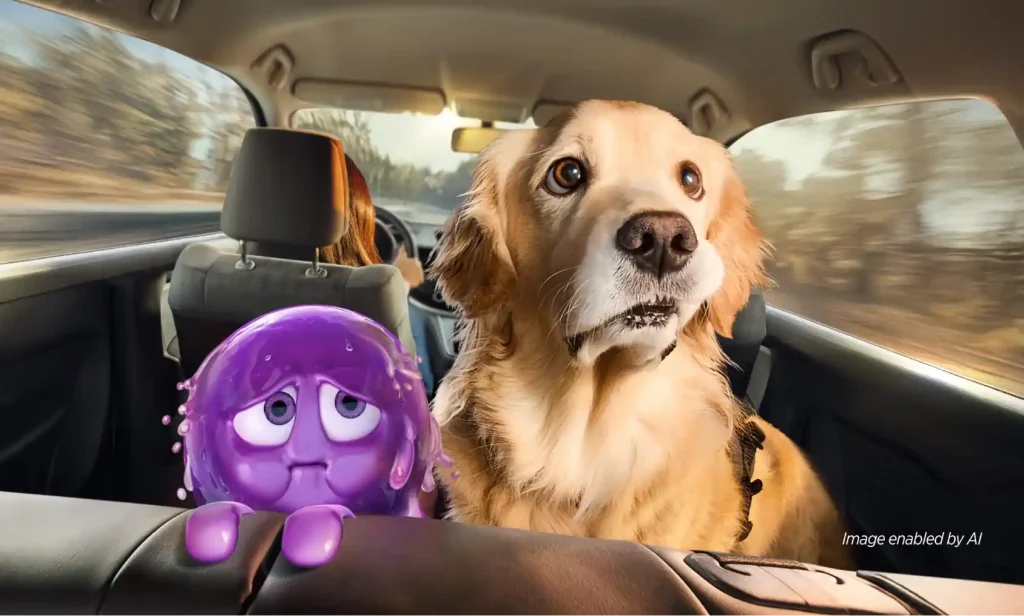
Does your dog get car sick every time you hit the road? It’s frustrating for both of you—messy trips and worried looks can turn a fun drive into a stressful experience.
But what if you could help your furry friend enjoy car rides without nausea or discomfort? You’ll discover simple, proven tips to keep your dog calm and car sickness-free. Keep reading, and make every trip smoother and happier for your best companion.
Causes Of Car Sickness In Dogs
Many dogs get car sick during rides. Understanding why helps to prevent it. Car sickness can make travel hard for dogs and owners.
Several factors cause car sickness. These include how dogs sense motion, their feelings, and past experiences in cars.
Motion Sensitivity
Dogs feel motion through their inner ear and eyes. When these senses do not match, it can cause nausea. This mismatch causes motion sickness.
Young puppies and small breeds often feel motion more strongly. Their bodies may not adjust quickly to moving cars.
Anxiety And Stress
Many dogs feel nervous about car rides. New or loud environments increase their stress. This stress can cause upset stomachs and vomiting.
Dogs that do not feel safe in the car may show signs of anxiety. This adds to their feeling of sickness during trips.
Previous Negative Experiences
Dogs remember bad trips, like rough rides or accidents. These memories can cause fear of cars. Fear can worsen car sickness symptoms.
Repeated bad experiences create a cycle. The dog feels sick and scared each time they ride in the car.
Preparing Your Dog For Car Rides
Many dogs feel uneasy during car rides. Getting your dog ready helps reduce car sickness. Preparing your dog makes trips more pleasant for both of you.
Start training your dog before long drives. Use simple steps to build comfort and trust with the car.
Short Practice Trips
Begin with short car rides to help your dog get used to motion. Keep trips under ten minutes at first. Gradually increase time as your dog feels better.
Short trips teach your dog that car rides are safe and fun. This lowers anxiety and reduces chances of car sickness.
- Start with a quick ride around the block
- Take your dog to a favorite park or spot
- Give treats and praise after each trip
- Watch for signs of stress or discomfort
Familiarizing With The Car
Let your dog explore the car while it is parked. Open doors and windows to create a positive environment. Allow sniffing and sitting inside without driving.
This helps your dog feel less scared of the car. Familiar smells and sights make rides less stressful.
- Place your dog’s blanket or toy inside the car
- Speak calmly and gently during the introduction
- Reward your dog with treats for calm behavior
- Repeat this several times before actual driving
Comfortable Seating Arrangements
Secure your dog in a comfortable spot during rides. Use a dog seatbelt, crate, or booster seat. This keeps your dog safe and stable, reducing nausea.
A calm and cozy place helps your dog relax. Soft bedding and proper ventilation improve comfort.
- Choose a seat with less motion, like the back seat
- Use a crate or dog carrier if your dog likes it
- Place a soft blanket or cushion in the seating area
- Keep windows slightly open for fresh air
Diet And Feeding Tips
Car sickness in dogs can start with what and when they eat. Feeding your dog right helps reduce nausea during car rides. Paying attention to diet can make trips more comfortable.
Good feeding habits support your dog’s stomach. Small changes in diet and timing help prevent car sickness. Here are some tips to follow before and during travel.
Avoid Feeding Before Travel
Do not feed your dog a large meal before a car ride. A full stomach can cause nausea and vomiting. It is best to avoid feeding at least two hours before travel.
Light snacks are okay if your dog feels hungry. Avoid fatty or rich foods before the trip. These can upset the stomach and increase sickness risk.
Hydration Practices
Keep your dog hydrated but do not allow too much water before travel. Drinking small amounts of water helps prevent dehydration without causing upset stomach.
Offer water during breaks on long trips. Avoid letting your dog gulp large amounts at once. Controlled hydration supports comfort and reduces car sickness.
Use Of Treats And Supplements
Use treats sparingly during travel to keep your dog calm. Choose light, easy-to-digest treats to avoid stomach upset. Avoid giving treats right before or during the ride.
Some supplements help with motion sickness. Ginger and calming herbs may reduce nausea. Always check with a vet before giving supplements to your dog.
Behavioral Techniques To Reduce Nausea
Dogs can get car sick just like people. It can be hard for them to enjoy a trip. There are ways to help your dog feel better during car rides.
Using certain techniques can make a big difference. Here are some ways to keep your dog calm and happy in the car.
Calming Exercises
Calming exercises can help your dog feel less anxious. They are simple to do and can be done before and during car rides.
Try these calming exercises:
- Practice deep breathing with your dog.
- Use gentle petting and soft voices.
- Play soothing music during the ride.
Distraction Methods
Distractions can take your dog’s mind off feeling sick. Simple distractions can keep them occupied during travel.
- Bring your dog's favorite toy or chew.
- Offer small, safe treats during the trip.
- Engage them with interactive games.
Positive Reinforcement
Positive reinforcement encourages good behavior. Reward your dog when they stay calm and relaxed in the car.
| Action | Reward |
| Staying calm | Verbal praise |
| Sitting quietly | Treat |
| Not whining | Extra playtime |
Using Medication And Natural Remedies
Car sickness in dogs can make travel stressful for both pets and owners. Using medication and natural remedies helps ease your dog’s discomfort during trips.
It is important to choose safe options and understand how each remedy works for your dog’s needs.
Consulting Your Veterinarian
Your vet is the best source of advice for treating car sickness in your dog. They can recommend safe medications and dosages based on your dog’s health.
Some medications require a prescription and monitoring for side effects. Always follow your vet’s instructions carefully.
Over-the-counter Options
Many over-the-counter medicines help reduce nausea and motion sickness in dogs. These are often easy to find and use.
- Antihistamines like diphenhydramine can reduce motion sickness symptoms.
- Ginger supplements may calm the stomach.
- Some calming treats contain natural ingredients to ease anxiety.
- Always check the label and dose for your dog’s size and weight.
Herbal And Homeopathic Solutions
Herbal and homeopathic remedies offer gentle ways to help dogs cope with car sickness. These can work well alongside other treatments.
| Remedy | Use | Notes |
|---|---|---|
| Ginger | Reduces nausea | Use in small doses; can be fresh or powdered |
| Chamomile | Calms nerves and stomach | Use as tea or in treat form |
| Peppermint | Relieves upset stomach | Use diluted oil or candies safe for dogs |
| Nux Vomica | Homeopathic remedy for motion sickness | Consult vet for correct dosing |
Credit: www.zoetispetcare.com
Environmental Adjustments During Travel
Travel can be hard for dogs who get car sick. Changing the environment helps them feel better. Small changes make a big difference.
This guide covers how to improve ventilation, reduce motion, and use safe restraints for your dog.
Ventilation And Temperature Control
Good airflow keeps your dog comfortable and reduces nausea. Open windows slightly or use air conditioning. Avoid strong smells that can upset your dog.
- Keep the car cool but not cold
- Use fresh air instead of recycled air
- Avoid direct sunlight on your dog
- Do not use strong air fresheners
Minimizing Motion
Less movement inside the car helps prevent sickness. Try to keep your dog steady and calm during the ride.
| Method | Effect |
| Drive smoothly | Reduces sudden jolts |
| Take breaks | Lets dog stretch and calm |
| Use low seat | Limits up-and-down motion |
| Place dog near center | Less side-to-side movement |
Safe Restraints And Harnesses
Using the right restraints keeps your dog safe and steady. Secure harnesses reduce motion sickness and protect in a crash.
Choose these restraint types for travel:
- Crash-tested dog seat belts
- Crates with proper ventilation
- Car barriers to limit movement
Signs To Watch During Car Trips
Traveling with your dog can be fun, but some dogs get car sick. Recognizing signs early can help make the trip smoother.
Watch for specific signs to know when your dog might need a break or some fresh air.
Early Symptoms Of Sickness
Dogs show early signs when they start feeling car sick. It’s important to catch these signs quickly.
- Yawning often
- Drooling more than usual
- Licking lips repeatedly
- Whining or pacing
Behavioral Changes
Some dogs change their behavior when they feel sick. Knowing these changes helps you take action.
- Becoming restless or anxious
- Refusing to sit or lie down
- Seeking comfort from you
When To Stop The Trip
Sometimes, you need to stop the trip for your dog’s comfort. Recognize when a break is necessary.
Stopping can help calm your dog and prevent further sickness.
- If your dog vomits
- If your dog shows severe distress
- If symptoms last more than a few minutes

Credit: animalsmatter.com

Credit: www.amazon.ca
Frequently Asked Questions
How Can I Prevent My Dog From Getting Car Sick?
To prevent car sickness, start with short trips to build comfort. Avoid feeding your dog right before traveling. Ensure good ventilation and use calming aids if needed. Frequent breaks for fresh air also help reduce nausea and anxiety during car rides.
What Foods Should I Avoid Before Car Trips?
Avoid heavy, greasy, or rich foods before travel. Feed your dog a light meal 3-4 hours before the trip. This helps reduce stomach upset and prevents nausea. Water should be available but limited during the trip to avoid discomfort.
Are There Natural Remedies For Dog Car Sickness?
Yes, ginger and peppermint can help ease nausea naturally. Some dogs respond well to calming essential oils or supplements. Always consult your vet before using any natural remedies for safety and correct dosage.
Should I Use Medication For My Dog’s Motion Sickness?
Medication can be effective but should be used under veterinary guidance. Your vet can recommend safe anti-nausea drugs or sedatives if necessary. Never give human medication without professional advice, as it may harm your dog.
Conclusion
Car rides can be fun for your dog with some simple steps. Keep trips short and calm to help reduce sickness. Let your dog get used to the car slowly. Offer water and avoid feeding right before travel. Use fresh air and a comfy spot for your pet.
Watch for signs of discomfort and stop if needed. These tips help your dog enjoy travel without feeling sick. Safe and happy journeys start with care and patience.

Emily Barker is the founder of ChillDogLife.com, a space dedicated to helping pup parents discover the best dog products, lifestyle tips, and cozy ideas for happier homes.
A lifelong dog lover, Emily combines her passion for pets with a knack for research to share trusted recommendations on everything from toys and furniture to health and everyday care.
Her goal is simple: to make life easier, stylish, and more joyful for dogs and the people who love them.




