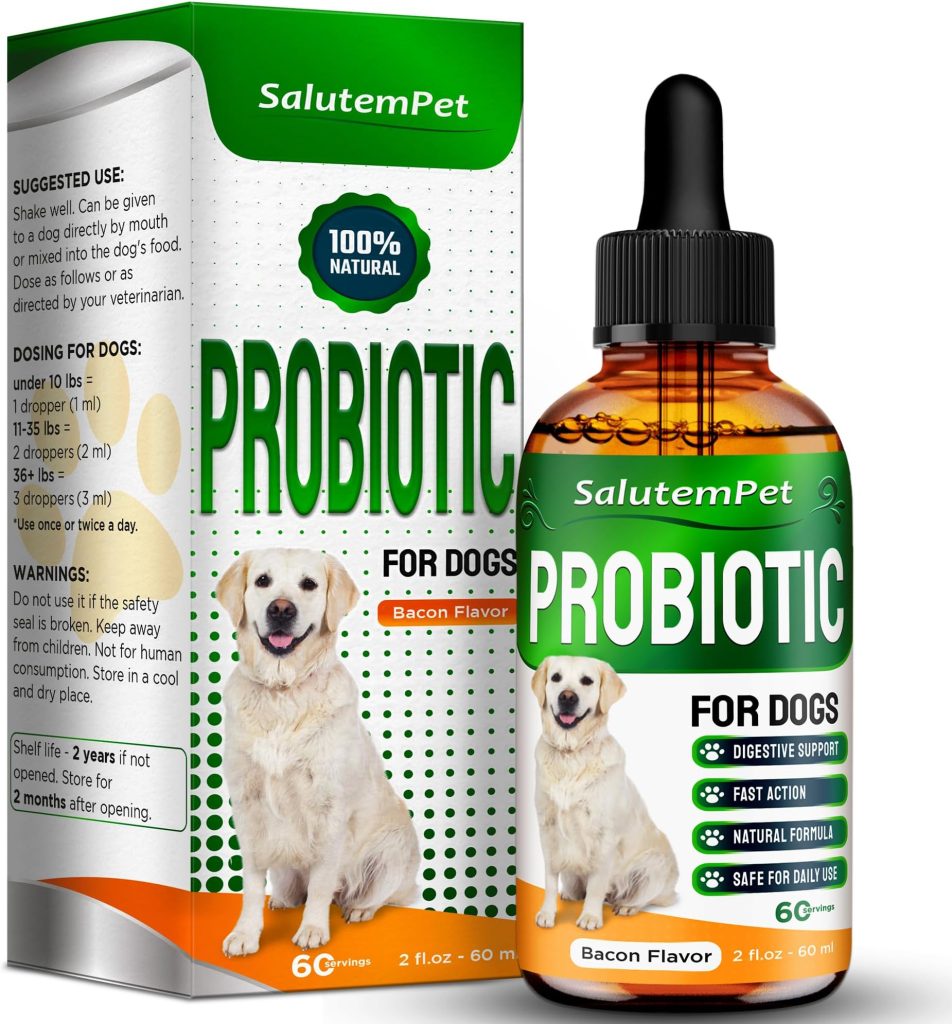
If you want your dog to stay healthy and happy, giving them a powder probiotic can make a big difference. But how do you do it right?
You might wonder how to add it to their food or if your dog will even accept it. This guide will show you simple, effective ways to give your dog powder probiotics without stress or fuss. Keep reading to learn easy tips that help your furry friend enjoy the benefits of better digestion and overall wellness.
Your dog’s health is worth it!
Choosing The Right Probiotic
Choosing the right probiotic powder for your dog can make a huge difference in their health. Not every probiotic is created equal, and understanding what to look for helps you pick a product that truly supports your dog’s digestion and immune system. Let’s break down the essentials you need to know before buying.
Types Of Dog Probiotics
Probiotics come in various forms, but powders are popular because they’re easy to mix with food.
- Single-strain probiotics:Contain one type of beneficial bacteria, often chosen for specific health issues.
- Multi-strain probiotics:Include several strains, offering broader support for your dog’s gut health.
- Prebiotic blends:Sometimes combined with probiotics to feed the good bacteria and improve their effectiveness.
Think about your dog’s specific needs—do they have digestive issues or just need general support? This will guide your choice between single or multi-strain options.
Key Ingredients To Look For
Not all probiotics have the same ingredients or quality. You want to make sure the powder has:
- Live and active cultures:Check the label for guaranteed CFUs (colony-forming units) to ensure potency.
- Strains with proven benefits:Common beneficial strains include Lactobacillus acidophilus, Bifidobacterium animalis, and Enterococcus faecium.
- Prebiotics like inulin or fructooligosaccharides (FOS):These help nourish the good bacteria already in your dog’s gut.
Have you noticed your dog’s digestion improve after using a certain strain? That kind of specific feedback can help you stick to what works.
Consulting Your Vet
Your vet knows your dog’s health history better than anyone. They can recommend a probiotic that fits your dog’s age, breed, and any medical conditions.
Sometimes, probiotics can interact with medications or may not be suitable for dogs with certain health problems. Asking your vet can save you from costly mistakes and ensure safety.
Are you tracking your dog’s health changes after starting a probiotic? Sharing this information with your vet will help tailor the best plan for your furry friend.
Proper Dosage Guidelines
Giving the right amount of dog powder probiotic is key for good health. Proper dosage helps your dog get the best benefits without any issues. Overdosing can cause stomach upset, while underdosing may not provide enough support. Follow clear guidelines to dose safely and effectively.
Determining The Correct Amount
Check the product label for dosage instructions. Most probiotics list the amount based on your dog’s weight. Use a precise measuring scoop or spoon to avoid errors. Consult your vet before starting any new supplement. They can recommend the best dose for your dog’s needs.
Adjusting Dosage Based On Size And Age
Small dogs usually need less probiotic than larger dogs. Puppies require gentler doses as their systems develop. Older dogs might benefit from steady, moderate doses for digestion support. Adjust the dose carefully and watch your dog for any signs of discomfort.
How To Administer Powder Probiotic
Administering powder probiotic to your dog is simple and effective. The key is to make the process easy for both you and your pet. Choose a method that suits your dog’s preferences and daily routine. Consistency helps maintain the benefits of probiotics for your dog’s digestive health.
Mixing With Food
Mix the powder probiotic directly into your dog’s regular meal. Use a small amount of warm water to help the powder dissolve evenly. Stir well to spread the probiotic throughout the food. This method works best with wet food or soft kibble. Ensure your dog eats all the food to get the full dose.
Direct Feeding Techniques
Give the powder probiotic straight into your dog’s mouth using a spoon or your finger. Gently open your dog’s mouth and sprinkle the powder on the tongue. Follow with a small treat or water to help swallow. This method works well for dogs who resist changes in their food.
Using Treats For Masking
Hide the powder probiotic inside a tasty treat. Use soft treats, like cheese or peanut butter, to cover the powder. Shape the treat around the powder to keep it hidden. Your dog will enjoy the treat without noticing the probiotic. This method makes giving probiotics feel like a reward.

Credit: www.amazon.com
Timing And Frequency
Getting the timing and frequency right when giving your dog a powder probiotic can make a big difference in how well it works. You want to ensure the probiotic reaches your dog’s gut in the best possible condition to help balance their digestive system. Let’s dive into when and how often you should give it to maximize the benefits.
Best Times Of Day
The ideal time to give your dog a powder probiotic is often around mealtime. Giving it just before or during a meal helps protect the probiotics from stomach acid, increasing the chances they survive the journey to the intestines.
Some dog owners find success giving probiotics in the morning with breakfast, while others prefer the evening meal. Try both and observe how your dog responds—do they seem more comfortable or show improved digestion at one time over the other?
- Before or during breakfast
- Before or during dinner
- Avoid giving it on an empty stomach to protect probiotic bacteria
Duration For Effective Results
Consistency is key when it comes to probiotics. You won’t see results overnight; it usually takes a few weeks for your dog’s gut flora to adjust and show improvements.
Most veterinarians recommend giving probiotics daily for at least 4 to 6 weeks. This allows time for good bacteria to establish themselves and begin helping with digestion, immune support, or whatever specific issue you’re targeting.
Have you noticed any changes in your dog’s stool or energy levels after a few weeks? If not, you might want to check the dosage or consult your vet to adjust the plan.
Monitoring Your Dog’s Response
Monitoring your dog’s response after giving probiotic powder is vital. It helps ensure your pet benefits from the supplement safely. Watch closely for any changes in behavior, digestion, or energy levels. Regular checks allow early detection of positive or negative reactions. Always note these changes to share with your vet if needed.
Signs Of Improvement
- Better stool consistency and fewer digestive issues
- Increased energy and playful behavior
- Improved appetite and eating habits
- Smoother, shinier coat and healthier skin
- Less gas or bloating after meals
These signs usually appear within a few days to weeks. Keep track of any positive changes to confirm the probiotic is working.
Recognizing Adverse Reactions
- Diarrhea or loose stools worsening after starting
- Vomiting or nausea signs
- Allergic reactions like itching or swelling
- Loss of appetite or lethargy
- Any unusual or sudden behavior changes
Stop the probiotic if these symptoms appear. Contact your vet for advice to keep your dog safe and healthy.

Credit: petag.com
Storage And Handling Tips
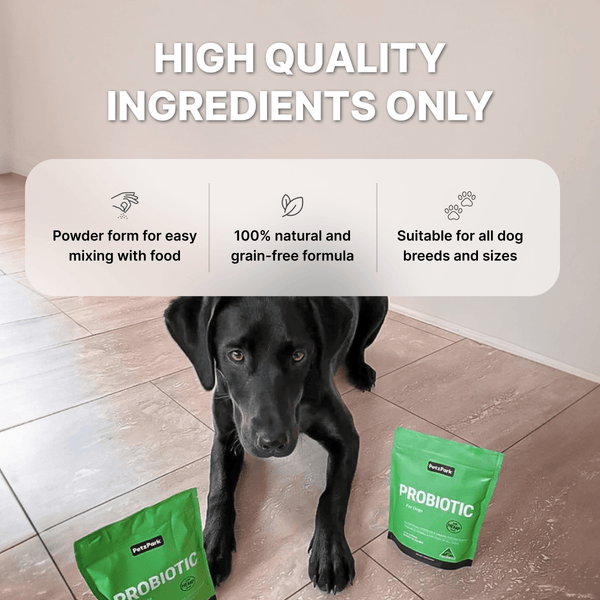
Proper storage and handling of dog powder probiotics can make a huge difference in their effectiveness. These tiny supplements contain live bacteria that need the right environment to stay active and beneficial for your furry friend.
Keeping Probiotics Fresh
Probiotics are sensitive to heat, moisture, and air exposure. Store the powder in a cool, dry place—your kitchen cupboard away from the stove or sink works well.
Many probiotic powders come in resealable containers or packets. Always seal them tightly after use to prevent moisture from getting in. If your probiotic requires refrigeration, don’t skip this step, even if it seems inconvenient.
Think about how often you open the container. The more it’s exposed to air, the faster the good bacteria can die. So, consider dividing the powder into smaller portions if you don’t use it all at once.
Avoiding Contamination
Using clean utensils is key. Always use a dry, clean spoon to scoop the powder—never dip a wet or dirty spoon into the container.
Have you ever noticed how quickly moisture can ruin some powders? Avoid this by keeping the container away from humid areas like near the dishwasher or bathroom.
If your dog is picky and you mix the powder into their food, add it right before serving. Leaving the mixture out for too long can allow harmful bacteria to grow, defeating the probiotic’s purpose.
Credit: petzpark.com.au
Frequently Asked Questions
How Do I Give My Dog Powder Probiotic?
Mix the powder probiotic into your dog’s regular food. Start with the recommended dosage on the package. Ensure the food is moist to help the powder blend well. Always monitor your dog for any reactions.
When Is The Best Time To Give Dog Probiotic Powder?
The best time is usually before or after meals. This helps the probiotic survive stomach acid and reach the gut. Follow the product instructions for timing. Consistency is key to effectiveness.
Can I Mix Probiotic Powder With Dry Dog Food?
Yes, you can mix probiotic powder with dry food. Lightly moisten the food to help the powder stick better. This makes it easier for your dog to consume the probiotic. Avoid heat as it can kill probiotics.
How Much Probiotic Powder Should I Give My Dog?
Follow the dosage recommended on the probiotic package. Dosage depends on your dog’s weight and health condition. Consult your vet for personalized advice. Never exceed the recommended amount to avoid digestive upset.
Conclusion
Giving your dog powder probiotics is simple and beneficial. Start slow to avoid digestive issues. Mix the powder in their food daily. Watch for improvements in their health and behavior. Consistency is key to seeing results. Choose a reputable brand for quality assurance.
Keep your vet informed about any new supplements. They can offer valuable advice. A healthy gut boosts your dog’s overall wellbeing. Happy dogs, happy owners. Remember, patience and care lead to the best outcomes. Your furry friend will thank you!

Emily Barker is the founder of ChillDogLife.com, a space dedicated to helping pup parents discover the best dog products, lifestyle tips, and cozy ideas for happier homes.
A lifelong dog lover, Emily combines her passion for pets with a knack for research to share trusted recommendations on everything from toys and furniture to health and everyday care.
Her goal is simple: to make life easier, stylish, and more joyful for dogs and the people who love them.




