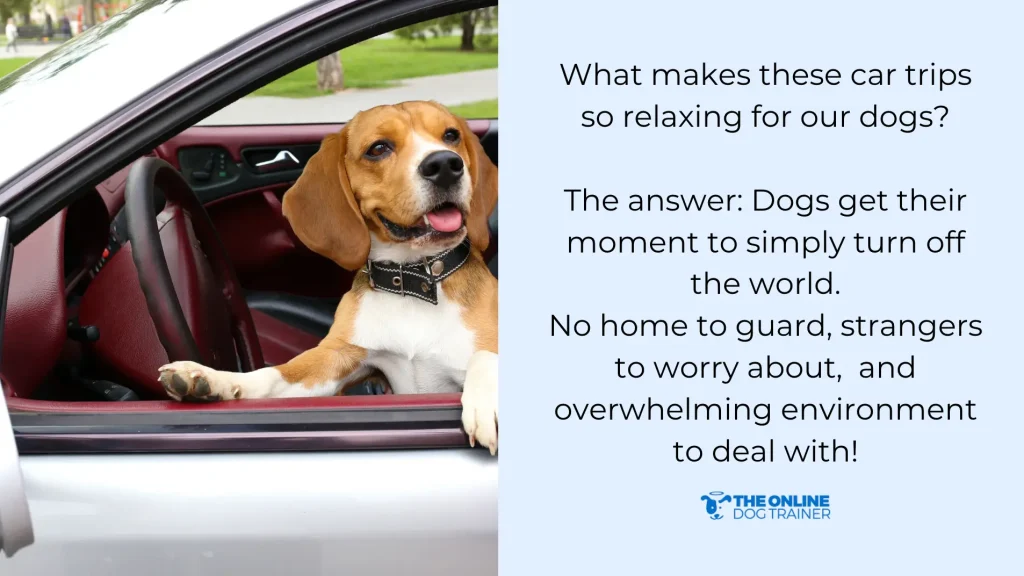
Taking your dog on a car ride can be stressful—for both of you. If your furry friend gets anxious, restless, or even scared in the car, it can turn a simple trip into a challenge.
But what if you could change that? Imagine your dog calmly enjoying the ride, making every journey smoother and more enjoyable. You’ll discover practical, easy-to-follow tips to help calm your dog in the car. Keep reading, and you’ll learn how to make car trips something you both look forward to.
Credit: www.adaptil.com.au
Causes Of Car Anxiety In Dogs
Many dogs feel uneasy during car rides. This anxiety can make trips hard for both dogs and owners. Understanding the causes helps in calming your dog.
Several factors can trigger stress in dogs when they travel by car. Let’s look at the common reasons behind car anxiety.
Motion Sickness
Dogs can get motion sickness just like people. The movement of the car can cause nausea and dizziness. This makes them feel uncomfortable and anxious.
Signs of motion sickness include drooling, whining, and restlessness. Some dogs might even vomit during or after the ride.
Loud Noises
Cars can be noisy places. Engine sounds, honking, or road noise may scare your dog. Loud noises can increase stress and make dogs nervous.
- Engine rumbling
- Honking horns
- Brakes screeching
- Wind noise at high speeds
Unfamiliar Environment
The car is not a usual place for dogs. The strange sights, smells, and motion can confuse them. This new environment may cause anxiety and fear.
| Unfamiliar Element | Effect on Dog |
| Changing Scenery | Confusion and alertness |
| Car Interior Smells | Suspicion or stress |
| Movement Sensation | Discomfort and fear |
Past Negative Experiences
Bad memories linked to car rides can cause anxiety. Dogs remember if they felt sick or scared before. These past events make them nervous about future trips.
Common past negative experiences include:
- Car accidents or sudden stops
- Trips to the vet or groomer
- Being left alone in the car

Credit: www.amazon.ca
Preparing Your Dog For Car Rides
Car rides can make dogs nervous or excited. Getting your dog ready helps make trips calm and safe. Practice and patience are key to a smooth experience.
Use simple steps to build your dog’s comfort in the car. This guide covers short trips, car familiarization, and positive rewards.
Short Practice Trips
Start with very short car rides. These trips should last just a few minutes. Short rides help your dog adjust without stress.
- Begin with sitting in the parked car for a few minutes
- Drive around the block slowly
- Gradually increase the trip length by a few minutes
- Stop at a favorite park or place to reward calm behavior
- Repeat trips daily until your dog seems relaxed
Familiarizing With The Car
Let your dog explore the car while it is parked. This helps reduce fear of the unknown. Allow sniffing and resting inside the vehicle.
| Activity | Purpose |
|---|---|
| Open car door and let dog enter | Build comfort with car space |
| Place dog’s bed or blanket inside | Create a familiar resting spot |
| Offer treats inside the car | Associate car with positive feelings |
| Play soft music during visits | Help calm nerves |
| Practice entering and exiting calmly | Teach good behavior around the car |
Using Positive Reinforcement
Reward your dog for calm and good behavior during car rides. Positive reinforcement encourages your dog to stay relaxed.
- Give treats when your dog enters the car calmly
- Praise your dog with a gentle voice
- Use favorite toys to keep your dog happy
- Stop the car for breaks and reward quiet behavior
- Never punish your dog for fear or anxiety
Comfort Measures During The Ride
Many dogs feel uneasy in the car. Comfort measures help keep them calm and safe. A smooth ride is better for both you and your pet.
Simple changes during the trip can reduce stress. You can prepare your dog’s space, use soothing sounds, and adjust the windows.
Creating A Cozy Space
Make a small, comfortable area for your dog in the car. Use soft bedding and familiar blankets. This helps your dog feel secure.
- Place a favorite blanket or towel in the seat or crate
- Use a dog seat belt or secured crate for safety
- Bring a familiar toy for comfort
- Keep the area clean and dry
Playing Calming Music
Music can lower a dog’s anxiety during travel. Soft classical or nature sounds work best. Avoid loud or fast music that might upset your dog.
Here are some tips for using music to calm your dog:
- Play music at a low volume
- Start the music before you begin driving
- Choose playlists made for pets or classical tunes
- Observe your dog’s reaction and adjust accordingly
Keeping Windows Partially Open
Fresh air helps your dog relax. Opening the windows a little lets in air and outside scents. Make sure the opening is small enough to keep your dog safe.
| Window Position | Benefit |
| Fully Closed | No fresh air, may feel stuffy |
| Partially Open (1-2 inches) | Good airflow, safe for dog |
| Mostly Open | Risk of dog jumping or falling out |
Natural Remedies And Products
Many dogs feel anxious during car rides. Using natural remedies can help calm them down. These options are gentle and safe for most dogs.
This guide covers calming treats, aromatherapy, and anxiety wraps. Each method can help your dog relax in the car.
Calming Treats And Supplements
Special treats and supplements can ease your dog’s nerves. Ingredients like chamomile and valerian root are known to reduce stress.
- Look for treats with natural herbs and vitamins.
- Give treats before the car ride to help calm nerves.
- Follow dosage instructions on the package carefully.
- Consult your vet before trying new supplements.
Aromatherapy Options
Aromatherapy uses scents to soothe dogs during travel. Lavender and chamomile oils are common calming choices.
| Essential Oil | Effect | Use |
| Lavender | Calming | Diffuser or spray |
| Chamomile | Relaxing | Diffuser or spray |
| Frankincense | Reduces anxiety | Diffuser |
Thundershirts And Anxiety Wraps
Thundershirts and wraps apply gentle pressure to calm your dog. This pressure can reduce stress in the car.
Benefits of anxiety wraps:
- Provide comfort through gentle pressure
- Easy to put on and remove
- Can be combined with treats or aromatherapy
- Safe for most dogs to wear during travel
Safety Tips For Traveling With Dogs
Traveling with dogs requires extra care to keep them safe and calm. Dogs can get nervous or stressed in cars. Taking safety steps helps protect your pet and makes the trip easier.
Here are important safety tips for traveling with your dog. They focus on proper restraints, avoiding heat, and taking breaks during long trips.
Proper Restraints And Harnesses
Use a dog seatbelt or harness to keep your dog secure in the car. This prevents injury in case of sudden stops or accidents. A well-fitted harness is more comfortable and safe than a collar.
Make sure the harness fits snugly but is not too tight. Attach the harness to a seatbelt or a pet carrier. This limits movement and keeps your dog from distracting the driver.
- Choose a harness rated for car travel
- Check the fit before every trip
- Secure the harness to the car’s seatbelt
- Do not let your dog roam freely
Avoiding Overheating
Cars can get hot quickly, especially in warm weather. Dogs can suffer heatstroke if left in a hot car. Always keep your dog cool and hydrated during travel.
Use air conditioning or open windows slightly to allow fresh air. Never leave your dog alone in a parked car. Bring water and offer it often to your dog.
- Check the temperature inside the car
- Keep windows open a little for airflow
- Use sunshades on windows
- Bring fresh water for your dog
- Never leave your dog alone in the car
Regular Breaks On Long Trips
Stop every two to three hours on long trips. Let your dog stretch, drink water, and relieve itself. Breaks reduce stress and help your dog stay calm and healthy.
Choose safe and quiet places for breaks. Keep your dog on a leash to prevent running off. These pauses also let you check your dog’s comfort and needs.
- Stop every 2-3 hours during long drives
- Let your dog stretch and move around
- Offer fresh water at breaks
- Use a leash when outside the car
- Watch for signs of stress or discomfort

Credit: pelsbarn.org
When To Seek Professional Help
Calming a dog in the car can be challenging. Sometimes, their anxiety is too severe to handle on your own. This is when professional help is needed.
Understanding when to call a professional can make travel easier. It ensures your dog stays safe and comfortable.
Signs Of Severe Anxiety
Some dogs show extreme anxiety in the car. They may shake or bark nonstop. They might refuse to get in the car altogether.
Other signs include drooling, panting, or trying to escape. These are clear signs that your dog is stressed.
- Excessive barking and whining
- Pacing back and forth
- Vomiting or drooling heavily
- Trying to escape the car
Consulting A Veterinarian
Veterinarians can help with anxiety issues. They can check for health problems and offer advice on treatments.
They may suggest medications or calming supplements. These can help your dog feel more relaxed during car rides.
- Schedule a vet check-up
- Discuss possible medications
- Explore natural calming aids
Behavioral Training Options
Behavioral training can reduce car anxiety. Professional trainers use techniques to help your dog cope better.
Trainers can teach your dog to associate the car with positive experiences. This can make travel less stressful.
- Hire a certified dog trainer
- Use desensitization techniques
- Reward calm behavior with treats
Frequently Asked Questions
How Can I Reduce My Dog’s Car Anxiety?
Start with short trips to build comfort. Use calming aids like treats and familiar toys. Speak softly and avoid sudden movements. Ensure proper ventilation and secure your dog safely. Gradually increase trip length to help your dog adjust.
What Are The Best Calming Products For Dogs In Cars?
Calming products include anxiety wraps, pheromone sprays, and calming chews. These help reduce stress and promote relaxation. Use products designed specifically for dogs. Always follow dosage instructions. Consult your vet for the best option for your dog.
Should I Feed My Dog Before Car Travel?
Avoid feeding your dog right before traveling. An empty or light stomach helps prevent motion sickness. Feed your dog at least two hours before the trip. Offer small, frequent meals if the journey is long. Hydrate them well before the drive.
How To Keep My Dog Comfortable During Long Car Rides?
Provide a cozy bed or blanket for comfort. Take regular breaks for bathroom and stretching. Keep the car temperature moderate and avoid loud noises. Bring water and offer it frequently. Maintain calm behavior to reassure your dog.
Conclusion
Calming your dog in the car takes patience and care. Use gentle words and soft music to soothe them. Give your dog a favorite toy or treat for comfort. Take breaks during long trips to help them relax. Keep the car cool and safe for better calmness.
Each dog is different, so try what works best. Small steps lead to happier car rides together. Enjoy the journey with your calm and happy dog.

Emily Barker is the founder of ChillDogLife.com, a space dedicated to helping pup parents discover the best dog products, lifestyle tips, and cozy ideas for happier homes.
A lifelong dog lover, Emily combines her passion for pets with a knack for research to share trusted recommendations on everything from toys and furniture to health and everyday care.
Her goal is simple: to make life easier, stylish, and more joyful for dogs and the people who love them.




