
Is your dog constantly scratching, licking, or sneezing? These signs could mean your furry friend has allergies.
But how do you find out for sure? Knowing how to allergy test a dog can save your pet from discomfort and help you give them the right care. You will discover simple and effective ways to identify your dog’s allergies.
Keep reading to learn how you can make your dog’s life healthier and happier.
Signs Of Allergies In Dogs
Recognizing the signs of allergies in dogs is important for their health. Allergies can affect their skin, digestion, and breathing. Early detection helps prevent discomfort and serious problems. Watch your dog closely for any unusual symptoms. These signs often show up in everyday behavior and appearance.
Common Symptoms To Watch
- Itchy skin and constant scratching
- Red or inflamed skin patches
- Hair loss or bald spots
- Frequent licking of paws or body
- Chronic ear infections or redness
- Sneezing or coughing
- Watery or red eyes
- Vomiting or diarrhea
Behavioral Changes
Allergies can cause discomfort that changes your dog’s behavior. They may seem restless or irritable. Some dogs become less active or hide more often. You might notice more whining or crying. Loss of appetite can also happen. These changes show your dog is not feeling well. Observing behavior helps identify allergy problems early.
Types Of Allergy Tests
Allergy testing helps identify substances causing your dog discomfort. Different tests reveal various allergy triggers. Choosing the right test depends on your dog’s symptoms and your vet’s advice. Two main types of allergy tests are commonly used: skin tests and blood tests. Each has unique benefits and procedures.
Skin Tests
Skin tests check your dog’s reaction to allergens on the skin surface. Small amounts of allergens are applied to or injected just under the skin. The vet watches for redness or swelling at the test spots. This process usually takes about 15 to 30 minutes. Skin tests can identify pollen, mold, dust mites, and flea allergies. They give quick results and are often very accurate. Your dog must stay still during the test. Sometimes mild sedation is needed for anxious dogs.
Blood Tests
Blood tests measure your dog’s immune response to allergens. A small blood sample is taken from a vein. The sample goes to a lab for analysis. Labs check for antibodies that react to specific allergens. Blood tests can detect many allergens, including food and environmental triggers. These tests do not require your dog to stop medications. Blood tests are less stressful for dogs afraid of needles or skin tests. Results take several days to return from the lab.
Preparing Your Dog For Testing
Preparing your dog for allergy testing sets the stage for accurate results and a smoother experience for both of you. It’s not just about scheduling the appointment—there are key steps to take before you head to the vet. Small changes in diet and managing your dog’s stress levels can make a huge difference.
Diet And Medication Restrictions
Before allergy testing, your dog’s diet needs careful attention. Avoid giving any new foods or treats at least two weeks before the test. This helps prevent false positives caused by recent diet changes.
Some medications can interfere with test results. Antihistamines, steroids, and certain supplements might need to be paused. Always check with your vet about which medications to stop and how long before the test.
Have you noticed how even a small change in your dog’s diet can trigger reactions? That’s why sticking to a consistent routine is crucial before testing. It gives the vet a clearer picture of what might be causing allergies.
Calming Your Dog
Stress can affect your dog’s immune response and test accuracy. Help your dog stay calm by maintaining a familiar routine in the days leading up to the test. Gentle walks and quiet playtime work well to reduce anxiety.
Bring your dog’s favorite blanket or toy to the vet to create a sense of comfort. If your dog is particularly anxious, talk to your vet about safe calming aids. These small steps can make the experience less stressful for your furry friend.
Have you ever noticed how your own stress can affect your pet? Your calm presence can be a powerful tool in helping your dog relax during testing. Preparing emotionally is just as important as preparing physically.
Credit: nextmune.com
Conducting The Allergy Test
Conducting an allergy test on a dog helps identify specific allergens causing reactions. The process involves careful steps to ensure accurate results. Two common types of tests include skin tests and blood tests. Each requires preparation and precise execution by a veterinarian or trained professional.
Step-by-step Skin Test Process
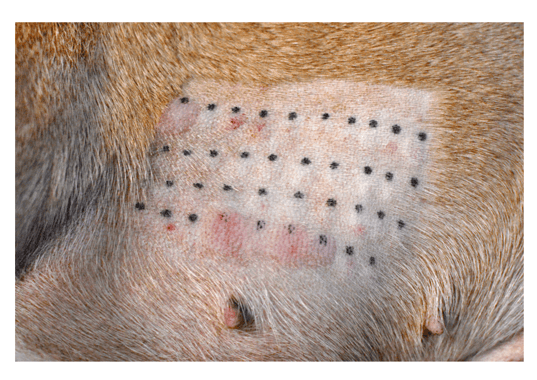
The skin test checks your dog’s reaction to different allergens directly on the skin. It usually takes place in a veterinary clinic. The fur on the dog’s side or belly is shaved to expose the skin.
- The vet places small drops of allergen extracts on the skin.
- Each drop is gently pricked or scratched into the skin’s surface.
- Wait time of about 15 to 20 minutes lets the skin react.
- Redness or swelling around a drop indicates an allergy.
- The vet records which allergens caused a reaction.
This test is quick and provides immediate results. It shows which substances irritate your dog’s immune system.
Collecting Blood Samples
Blood tests measure the immune system’s response to allergens in the bloodstream. A small blood sample is drawn from a vein, usually in the front leg. This procedure is simple and safe for dogs.
- The vet cleans the area with antiseptic.
- A needle is used to draw a small amount of blood.
- The sample is sent to a lab for analysis.
- The lab checks for allergy antibodies called IgE.
- Results come back in a few days to a week.
Blood tests are useful for dogs who cannot tolerate skin tests. They also detect allergies to many substances at once.
Interpreting Test Results
Interpreting your dog’s allergy test results is crucial for effective treatment. Tests show which substances trigger your dog’s allergic reactions. Understanding these results helps you make informed care decisions. Read the results carefully and discuss them with your vet for the best approach.
What Positive And Negative Results Mean
Positive results mean your dog reacts to a specific allergen. This allergen causes symptoms like itching or skin irritation. A positive test does not always mean your dog is sick from that allergen. Sometimes, it shows sensitivity without symptoms.
Negative results mean no reaction to the tested allergen. This helps rule out certain triggers. Negative results reduce the chances of those substances causing your dog’s allergy.
Both results guide your vet in understanding your dog’s allergy profile. They help identify real triggers and avoid unnecessary treatments.
Next Steps After Testing
Use test results to create a care plan. This plan often includes avoiding allergens that caused positive results. Your vet may suggest special diets or medications. Allergy shots or desensitization therapy can also help.
Keep monitoring your dog’s symptoms closely. Note any changes after starting treatment. Regular follow-ups with your vet ensure the plan works well. Adjust treatments if symptoms continue or worsen.
Allergy tests are a tool, not a final answer. Combine test results with your dog’s history and symptoms for best care.

Credit: www.magonlinelibrary.com
Managing Your Dog’s Allergies
Managing your dog’s allergies takes patience and care. Allergies can cause discomfort and affect your dog’s happiness. Understanding treatment options and lifestyle changes helps your pet stay healthy and comfortable. This section guides you through practical steps to manage your dog’s allergies effectively.
Treatment Options
Several treatments can reduce your dog’s allergy symptoms. Your vet may suggest antihistamines to ease itching and swelling. Steroids might be prescribed for severe cases but use them carefully. Allergy shots, or immunotherapy, help your dog build tolerance over time. Medicated shampoos can soothe irritated skin and remove allergens. Always follow your vet’s advice to choose the best treatment plan.
Lifestyle Adjustments
Small changes in daily life can improve your dog’s allergy condition. Keep your home clean to reduce dust and pollen. Use air purifiers to lower airborne allergens. Wash your dog’s bedding regularly to remove allergens. Avoid walking in grassy or heavily pollinated areas during peak allergy seasons. Provide a balanced diet with supplements like omega-3 fatty acids to support skin health.

Credit: m.youtube.com
Frequently Asked Questions
What Are Common Signs Of Dog Allergies?
Common signs of dog allergies include itching, redness, and skin irritation. You might also notice sneezing, ear infections, or gastrointestinal issues. If you observe these symptoms, consult a veterinarian for a proper diagnosis and treatment plan.
How Is A Dog Allergy Test Performed?
A dog allergy test is performed by a veterinarian. They may use blood tests or intradermal skin testing. These tests identify allergens causing your dog’s symptoms. Always consult your vet for the best testing method for your dog.
Can I Test My Dog For Allergies At Home?
You can conduct an elimination diet at home to identify food allergies. This involves removing potential allergens and gradually reintroducing them. However, for accurate results and other types of allergies, consult a veterinarian for professional testing.
How Long Does A Dog Allergy Test Take?
A blood test for dog allergies typically takes a few days for results. Intradermal skin testing provides results within a few hours. Consult your veterinarian for details on timelines specific to your dog’s testing.
Conclusion
Testing your dog for allergies helps keep them healthy and happy. Early detection makes treatment easier and more effective. Consult your vet to choose the best test for your dog. Watch for signs like itching, redness, or sneezing. Keep track of symptoms and changes after testing.
A clean, comfortable environment also supports allergy management. Regular check-ups help catch new allergies early. Care and attention make a big difference in your dog’s life. Take action today to protect your furry friend.

Emily Barker is the founder of ChillDogLife.com, a space dedicated to helping pup parents discover the best dog products, lifestyle tips, and cozy ideas for happier homes.
A lifelong dog lover, Emily combines her passion for pets with a knack for research to share trusted recommendations on everything from toys and furniture to health and everyday care.
Her goal is simple: to make life easier, stylish, and more joyful for dogs and the people who love them.




