
Are you tired of finding dog hair all over your clothes and furniture? You’re not alone.
Shedding can be frustrating, but the good news is that how often you brush your dog plays a huge role in keeping that under control. Brushing your dog regularly doesn’t just reduce shedding—it also keeps their coat healthy and your home cleaner.
You’ll discover exactly how often you should brush your dog to prevent shedding and keep your furry friend looking their best. Keep reading, because a simple change in your routine can make a big difference for both you and your dog.
Shedding Basics
Shedding is a natural process for dogs. It helps them get rid of old or damaged hair. Understanding the basics of shedding can help you care for your dog better. Regular brushing reduces loose hair around your home. It also keeps your dog’s coat healthy and shiny.
Why Dogs Shed
Dogs shed to remove dead hair and grow new fur. This process helps them stay cool in summer and warm in winter. Shedding can increase during seasonal changes. Stress, diet, and health can also affect shedding levels. Some breeds shed more than others. Shedding is a normal way for dogs to keep their skin healthy.
Types Of Dog Coats
Dog coats vary in texture and length. Each coat type sheds differently. Knowing your dog’s coat helps choose the right brush and schedule.
- Short Coat:Sheds small amounts but needs regular brushing to remove loose hair.
- Double Coat:Has two layers. The undercoat sheds heavily during certain seasons.
- Long Coat:Sheds less but requires frequent brushing to avoid mats and tangles.
- Curly Coat:Sheds very little but needs regular grooming to keep curls clean.
Credit: www.daysmart.com
Brushing Frequency
Brushing your dog regularly helps control shedding and keeps their coat healthy. The right brushing frequency depends on your dog’s breed, coat type, and lifestyle. Establishing a brushing routine prevents loose fur from piling up around your home. It also reduces hairballs and skin irritations for your pet.
Daily Brushing Benefits
Daily brushing removes loose hairs before they fall off. It spreads natural oils, making the coat shiny and soft. Your dog enjoys gentle massages that improve blood flow. Daily brushing helps spot skin problems early. This routine works best for dogs with long or thick fur.
Weekly Brushing Guidelines
Brushing once a week suits dogs with short or thin coats. It keeps shedding under control without stressing your dog. Use a brush designed for your dog’s hair type. Weekly brushing prevents mats and tangles from forming. It also reduces dander and allergens in your home.
Seasonal Brushing Changes
Dogs shed more in spring and fall due to coat changes. Increase brushing frequency during these seasons to manage heavy shedding. Use de-shedding tools to remove dead hair effectively. Seasonal brushing keeps your dog comfortable and your house cleaner. Adjust brushing routines based on your dog’s needs and activity level.
Choosing The Right Brush
Choosing the right brush for your dog is crucial to managing shedding effectively. Each dog’s coat type demands a specific kind of brush to keep fur healthy and reduce loose hair. Using the wrong brush not only makes grooming harder but can also irritate your pet’s skin.
Brush Types For Different Coats
Understanding your dog’s coat is the first step to picking the right brush. Dogs with short, smooth coats benefit from a bristle brush that removes dead hair without damaging the skin.
For dogs with medium or long hair, a slicker brush works best. It reaches through the layers to detangle and remove loose fur efficiently.
Double-coated breeds need an undercoat rake. This tool targets the dense undercoat where most shedding happens, helping reduce hair around your home.
- Bristle Brush:Best for short-haired dogs
- Slicker Brush:Ideal for medium to long coats
- Undercoat Rake:Perfect for heavy shedders with double coats
Tools To Reduce Shedding
Besides traditional brushes, several tools can help keep shedding under control. A grooming glove allows you to pet your dog while collecting loose hair, making it less stressful for both of you.
De-shedding tools like the Furminator target the undercoat and pull away loose fur without hurting your dog’s skin. These are especially useful during peak shedding seasons.
Regular brushing with the right tool not only reduces shedding but also improves your dog’s overall coat health. Have you noticed how your dog’s mood changes when you switch to a gentler, more effective brush?
Brushing Techniques
Brushing your dog is more than a simple grooming task—it’s a way to keep shedding under control and maintain a healthy coat. Using the right brushing techniques can make the process enjoyable for both you and your pet. Are you brushing in a way that truly benefits your dog’s skin and fur?
Proper Brushing Steps
Start by choosing the right brush for your dog’s coat type. For example, slicker brushes work well on long-haired dogs, while bristle brushes suit short-haired breeds better.
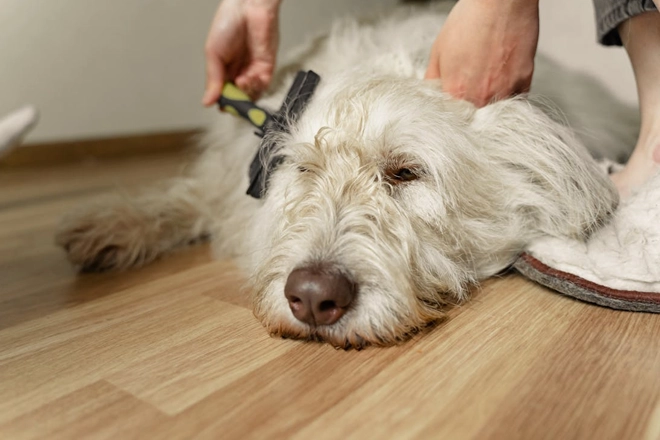
Begin brushing gently at the head and move toward the tail, following the natural direction of the hair. Use slow, even strokes to avoid pulling on tangles or mats.
Pay attention to problem areas like behind the ears and under the legs where shedding can be heavier. Brush these spots a little more thoroughly but always gently.
Avoiding Skin Irritation
Be mindful of your dog’s reaction during brushing; if they flinch or pull away, you might be brushing too hard. Too much pressure can cause redness and discomfort.
Check your dog’s skin regularly for signs of irritation, such as redness, bumps, or dryness. If you spot any, pause the brushing and consider using a softer brush or consulting your vet.
Keep your brush clean, removing hair after each session. A dirty brush can harbor dirt and bacteria that irritate your dog’s skin.
Additional Shedding Tips
Brushing your dog regularly is essential, but there are extra steps you can take to keep shedding under control. These additional tips focus on your dog’s overall health and grooming habits. They can make a big difference in reducing loose fur and keeping your home cleaner.
Diet And Hydration Effects
Your dog’s diet plays a vital role in the condition of their coat. High-quality food with plenty of omega-3 and omega-6 fatty acids supports healthy skin and reduces shedding.
Have you noticed your dog shedding more during certain seasons? Sometimes, adjusting their diet with supplements like fish oil can help manage this. Also, make sure your dog drinks enough water daily, as hydration keeps the skin supple and less prone to flaking.
Regular Vet Checkups
Shedding can sometimes be a sign of underlying health problems. Regular vet visits help catch issues like allergies, parasites, or hormonal imbalances early.
During a checkup, ask your vet about any specific skin or coat concerns. They might recommend treatments or dietary changes tailored to your dog’s needs, which can significantly reduce excessive shedding.
Bathing And Grooming
Bathing your dog properly can help loosen and remove dead fur. Use a gentle, dog-friendly shampoo that doesn’t dry out the skin.
Don’t overbathe—once every 4 to 6 weeks is usually enough. Combine baths with consistent brushing to remove loose hair before it falls around your home. Have you tried using grooming tools designed for shedding? They often work better than regular brushes at pulling out dead hair.
Credit: www.betterpet.com

Credit: www.riverviewgrooming.com
Frequently Asked Questions
How Often Should I Brush My Dog?
Brushing your dog 2-3 times a week helps reduce shedding. Regular brushing maintains a healthy coat and removes loose hair. Frequency can depend on your dog’s breed and coat type. Long-haired dogs may require daily brushing, while short-haired breeds might need less frequent grooming.
Adjust according to your dog’s needs.
Can Brushing Reduce Dog Shedding?
Yes, brushing significantly reduces shedding by removing loose fur. It also distributes natural oils, promoting a healthy coat. Regular grooming can decrease the amount of hair left around your home. Using the right brush for your dog’s coat type enhances effectiveness.
Consistency is key to maintaining results.
What Tools Are Best For Brushing Dogs?
Choosing the right brush depends on your dog’s coat type. Slicker brushes work well for long-haired breeds. Short-haired dogs benefit from bristle brushes. Deshedding tools are excellent for heavy shedders. Combs can help with tangles and mats. Investing in quality tools ensures better grooming results.
Is There A Best Time To Brush My Dog?
Brushing your dog after exercise or playtime helps them relax. It’s also effective to brush before or after a bath. Find a time when your dog is calm and comfortable. Regular brushing sessions establish a routine, making grooming enjoyable for both you and your pet.
Conclusion
Brushing your dog often helps keep shedding under control. Most dogs do well with brushing two to three times a week. Dogs with thick or long fur may need daily brushing. Regular brushing removes loose hair before it falls off.
It also keeps your dog’s coat healthy and shiny. Pay attention to your dog’s breed and needs. A clean brush and gentle strokes work best. Stick to a routine, and shedding will reduce. Your dog will feel better, and your home will stay cleaner.
Simple care makes a big difference for happy pets.

Emily Barker is the founder of ChillDogLife.com, a space dedicated to helping pup parents discover the best dog products, lifestyle tips, and cozy ideas for happier homes.
A lifelong dog lover, Emily combines her passion for pets with a knack for research to share trusted recommendations on everything from toys and furniture to health and everyday care.
Her goal is simple: to make life easier, stylish, and more joyful for dogs and the people who love them.




