
If you own a dog, you probably want to keep your furry friend safe and healthy. One of the most important ways to do that is by making sure your dog gets the rabies vaccine on time.
But how often should your dog get this vaccine? Getting the timing right can protect your pet from a deadly disease and keep your whole family worry-free. You’ll find clear answers and practical advice to help you stay on top of your dog’s rabies shots—so you never miss a beat when it comes to their health.
Keep reading to learn exactly what you need to know!
Rabies Vaccine Basics
The rabies vaccine is essential for every dog’s health. This vaccine protects dogs from a deadly virus called rabies. Understanding the basics of rabies and its vaccine helps pet owners make smart decisions. Keeping dogs safe from rabies is key to their well-being and public health.
What Is Rabies?
Rabies is a virus that attacks the brain and nerves. It affects mammals, including dogs and humans. Once symptoms start, rabies is almost always fatal. The virus causes severe symptoms like aggression, paralysis, and confusion. Vaccination is the best way to prevent this disease in dogs.
How Rabies Spreads
Rabies spreads mainly through bites from infected animals. The virus is present in the saliva of a rabid animal. When the saliva enters a wound, the virus travels to the brain. Wild animals like bats, raccoons, and foxes often carry rabies. Dogs can get infected if they come into contact with these animals.
Credit: www.carecredit.com
Vaccination Schedule
Maintaining a proper vaccination schedule is key to protecting dogs against rabies. Following the right timing ensures the vaccine works effectively. It helps keep your dog safe and healthy throughout its life.
Initial Vaccination Age
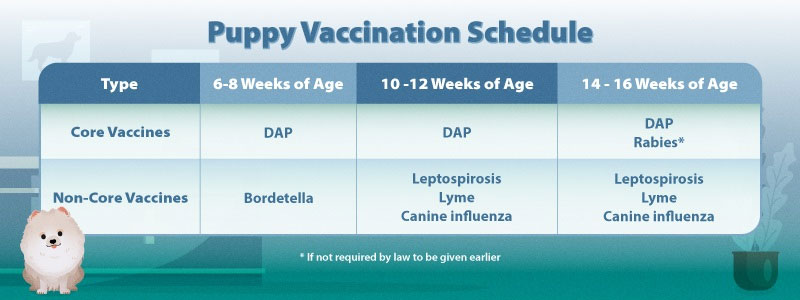
Puppies should receive their first rabies vaccine at about 12 weeks old. Some veterinarians may give it as early as 8 weeks. This first shot starts building immunity against rabies. It is important to follow your vet’s advice on the best age.
Booster Shots Timing
After the initial vaccine, dogs need booster shots to stay protected. The first booster usually comes one year later. After that, boosters are given every one to three years. The exact timing depends on local laws and the vaccine type.
Regular boosters keep the immune system ready to fight rabies. Skipping boosters can put dogs at risk. Always check with your vet about the right booster schedule for your dog.
Legal Requirements
Rabies vaccination for dogs is not just a health choice but a legal obligation in many places. Laws protect communities by reducing rabies risks. Dog owners must follow local rules to keep their pets and people safe. Understanding these legal requirements helps avoid fines and penalties.
Laws By Region
Rabies vaccine laws vary between countries and regions. Some areas require yearly vaccination, while others allow a three-year gap. Urban areas often have stricter rules than rural ones. Some places mandate vaccination before a dog reaches a certain age. Failure to comply can lead to fines or even dog quarantine.
Vaccination Certificates
After vaccination, veterinarians provide a certificate. This document proves the dog’s rabies vaccine status. It includes the vaccine date, type, and next due date. Certificates are often needed for travel or dog licensing. Keep these papers safe and updated at all times.
Factors Affecting Frequency
The frequency of a dog’s rabies vaccine depends on several key factors. These factors help determine how often your dog needs a booster shot. Understanding them ensures your dog stays protected without unnecessary vaccinations.
Dog’s Age And Health
Puppies usually receive their first rabies vaccine around 12 to 16 weeks old. Young dogs may need a booster one year after the initial shot. Older dogs with a strong immune system might only need the vaccine every three years.
Dogs with health issues or weakened immune systems may require a different vaccine schedule. Your vet will assess your dog’s health before recommending the frequency. Regular health checks help decide the best timing for vaccines.
Lifestyle And Exposure Risk
A dog’s lifestyle greatly affects how often it needs the rabies vaccine. Dogs that spend a lot of time outdoors or in contact with other animals have a higher risk of exposure. These dogs might need more frequent vaccinations.
Indoor dogs with limited contact with other animals often require fewer boosters. Local laws and regulations also influence vaccine schedules. Some areas mandate yearly rabies shots regardless of risk.
Vaccination Process
Getting your dog vaccinated against rabies is a crucial step to protect their health and comply with local laws. Understanding the vaccination process helps you stay informed and ensures your dog receives the best care possible. Let’s break down what happens during this process and what you should know to keep your furry friend safe.
Choosing The Right Vaccine
Not all rabies vaccines are the same. Your vet will recommend a vaccine based on your dog’s age, health, and local regulations. Some vaccines require a booster every year, while others last for three years.
Ask your vet about the differences and which option suits your dog’s lifestyle. For example, if your dog spends a lot of time outdoors or in contact with other animals, a longer-lasting vaccine might be better. Always keep a record of the vaccine type and expiration date to avoid missed shots.
Administering The Vaccine
The vaccine is usually given as a quick injection under your dog’s skin or in the muscle. This process takes just a few seconds and causes minimal discomfort. Many dogs barely notice it, but it’s normal for some to be a bit sore or tired afterward.
After the shot, monitor your dog for any unusual reactions like swelling or difficulty breathing and contact your vet immediately if you notice anything concerning. Regular check-ups are a good chance to update vaccines and discuss any questions you have about the timing or side effects.
Side Effects And Risks
Vaccinating your dog against rabies is essential, but like any medical procedure, it carries some side effects and risks. Understanding these can help you watch for any unusual reactions and ensure your dog’s safety. Knowing what to expect makes the vaccination process less stressful for both you and your furry friend.
Common Reactions
Most dogs handle the rabies vaccine well with only mild reactions.
- Soreness or swellingat the injection site is common and usually fades within a day or two.
- Lethargy or mild fevercan occur but typically lasts less than 48 hours.
- Loss of appetitemight happen temporarily after the shot.
These reactions are usually a sign that your dog’s immune system is responding to the vaccine. I once noticed my dog was a bit sleepy and quiet for a day after vaccination. It worried me at first, but it resolved quickly without intervention.
When To See A Vet
While serious side effects are rare, some signs need immediate veterinary attention.
- Swelling that spreads beyond the injection site or doesn’t improve after 48 hours
- Persistent vomiting or diarrhea
- Difficulty breathing or coughing
- Severe allergic reactions such as facial swelling, hives, or collapse
- Unusual behavior like seizures or disorientation
If your dog shows any of these symptoms, don’t hesitate to contact your vet. Quick action can make all the difference in managing rare but serious complications. Have you ever had to rush your pet to the vet after a vaccination? Knowing what to watch for can save you from unexpected worry.
Travel And Boarding Needs
Planning to travel with your dog or leave them at a boarding facility brings up important questions about their rabies vaccination schedule. These activities often require up-to-date rabies shots to keep your pet safe and comply with regulations. Understanding the specific needs for travel and boarding helps you avoid last-minute hassles and ensures your dog’s health and legal protection.
Vaccination For Trips
Many states and countries require proof of a current rabies vaccination before allowing your dog to enter. Airlines and border controls often demand vaccination certificates to prevent the spread of rabies. Check your destination’s rules early—some places require the vaccine to be administered at least 30 days before arrival.
If your dog’s rabies vaccine is near expiration, consider getting a booster before traveling. This not only meets legal requirements but also protects your dog from potential exposure during the trip. Have you ever faced delays or quarantine because of missing vaccine documentation? Staying ahead can save you that trouble.
Requirements For Kennels
Boarding facilities usually require proof of a current rabies vaccination for all dogs. This protects every pet in the kennel from contagious diseases and follows local health laws. Without updated vaccines, many kennels will refuse service or ask for immediate vaccination, which could disrupt your plans.
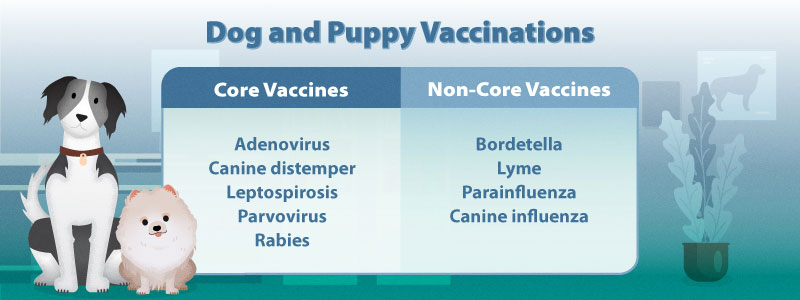
Many kennels also ask for additional vaccinations, but rabies remains non-negotiable. Make sure you provide the vaccination certificate along with other health records when booking. Have you noticed how some kennels have stricter vaccine policies than others? Understanding these rules helps you choose the right place for your dog.
Credit: www.carecredit.com
Maintaining Vaccine Records
Keeping vaccine records for your dog is very important. These records help you remember when the rabies vaccine is due next. They also serve as proof of your dog’s health status. Organized vaccine records make visits to the vet easier and faster. They protect your dog and others by ensuring timely vaccinations.
Tracking Vaccination Dates
Mark the date of each rabies vaccine clearly. Note the vaccine type and the vet’s name. Use a calendar or a dedicated notebook for this task. Set reminders before the next vaccine is due. Early tracking helps avoid missed or late vaccinations.
Digital Vs Paper Records
Paper records are simple and easy to carry. They can be lost or damaged, though. Digital records are stored on phones or computers. They are easy to update and share. Some apps send alerts for upcoming vaccines. Choose the method that fits your lifestyle best.

Credit: ccdogdaycare.com
Frequently Asked Questions
How Often Should Dogs Get Rabies Vaccine?
Dogs should receive their rabies vaccine every one to three years. The frequency depends on local regulations and the specific vaccine used. Consult your veterinarian for the best schedule. Keeping up with vaccinations is crucial for your dog’s health and public safety.
Is Rabies Vaccine Mandatory For All Dogs?
Yes, rabies vaccination is mandatory for all dogs in most regions. It protects against a deadly virus that can affect humans and animals. Compliance with local laws ensures your pet’s safety and prevents potential legal issues.
What Happens If A Dog Misses A Rabies Shot?
If a dog misses a rabies shot, they may need a booster. Contact your veterinarian immediately to update vaccinations. Delaying vaccination increases risk of exposure and non-compliance with legal requirements. Keep your pet’s vaccination records up-to-date to avoid complications.
Can Puppies Get Rabies Vaccine Too Early?
Puppies typically receive their first rabies vaccine at 12 to 16 weeks old. Administering it too early may not be effective. Follow your vet’s recommended vaccination schedule to ensure proper immunity development.
Conclusion
Keeping your dog’s rabies vaccine up to date protects both pets and people. Most dogs need a vaccine every one to three years, based on local laws and vet advice. Regular shots help stop dangerous diseases from spreading. Talk with your veterinarian to find the best schedule for your dog.
Staying informed and responsible keeps your dog healthy and safe. Don’t skip these important vaccines. Your dog depends on you for protection. Simple steps can make a big difference.

Emily Barker is the founder of ChillDogLife.com, a space dedicated to helping pup parents discover the best dog products, lifestyle tips, and cozy ideas for happier homes.
A lifelong dog lover, Emily combines her passion for pets with a knack for research to share trusted recommendations on everything from toys and furniture to health and everyday care.
Her goal is simple: to make life easier, stylish, and more joyful for dogs and the people who love them.




