
If you have a dog, you want to keep them healthy and happy. One common concern is kennel cough, a contagious respiratory illness that can cause discomfort and serious complications for your furry friend.
You might be wondering, how often should you give your dog the kennel cough vaccine to keep them protected? Getting the timing right is crucial to shield your dog from this annoying and sometimes dangerous infection. You’ll learn exactly when and why your dog needs this vaccine, helping you make smart choices for their well-being.
Keep reading to discover the simple steps that can keep your dog safe and breathing easy.

Credit: www.forestvets.com
What Is Kennel Cough
Kennel cough is a common respiratory illness in dogs. It spreads quickly in places where many dogs gather. The condition causes a harsh, dry cough that sounds like a honk. Most dogs recover on their own, but some need medical care.
Understanding kennel cough helps dog owners protect their pets. Knowing the symptoms and causes is key to prevention. Vaccines also play an important role in keeping dogs safe.
What Causes Kennel Cough?
Kennel cough is caused by several germs. The main culprit is a bacteria called Bordetella bronchiseptica. Viruses like parainfluenza and adenovirus can also cause it. Dogs catch these germs through coughs, sneezes, or close contact.
Who Is At Risk?
Dogs in crowded places face the highest risk. Boarding kennels, dog parks, and grooming centers are common spots. Puppies and older dogs have weaker immune systems. They are more likely to get sick.
How Does Kennel Cough Spread?
The germs spread through droplets in the air. Dogs breathing near an infected dog can catch it. Sharing water bowls or toys also spreads the illness. Good hygiene reduces the chance of spreading.
Symptoms To Watch For
- Dry, hacking cough
- Runny nose
- Sneezing
- Lethargy or tiredness
- Loss of appetite
Most dogs stay active despite coughing. Seek a vet if symptoms worsen or last more than two weeks.
Causes And Symptoms
Kennel cough is a common respiratory infection in dogs. It spreads quickly in places where many dogs meet, like kennels and parks. Understanding the causes and symptoms helps protect your dog and keep them healthy.
Causes Of Kennel Cough
Kennel cough is caused by several viruses and bacteria. The most common cause is a bacteria called Bordetella bronchiseptica. Viruses like canine parainfluenza and adenovirus can also cause it. Dogs catch these germs through the air or by touching contaminated surfaces.
Close contact with infected dogs spreads the illness fast. Places with many dogs, such as boarding facilities or dog shows, increase the risk. Weak immune systems make dogs more vulnerable to infection.
Symptoms Of Kennel Cough
- A strong, dry cough that sounds like a honking goose
- Runny nose and sneezing
- Loss of appetite or mild fever
- Lethargy or less energy than usual
- Gagging or retching after coughing
Symptoms usually appear 2 to 10 days after exposure. Most dogs recover within three weeks. Severe cases may cause breathing problems, especially in puppies or older dogs.
Types Of Kennel Cough Vaccines
Choosing the right type of kennel cough vaccine for your dog can impact how well they are protected. There are several vaccine options, each with unique benefits and application methods. Understanding these types helps you and your vet decide what fits best with your dog’s lifestyle and health needs.
Intranasal Vaccines
Intranasal vaccines are given through the nose and start working quickly by stimulating local immunity in the respiratory tract. This method mimics how dogs naturally encounter the kennel cough bacteria, offering fast protection.
Many dog owners prefer this type because it’s less stressful—no needles involved. It’s especially useful in environments where kennel cough spreads rapidly, like doggy daycares or boarding facilities.
Injectable Vaccines
Injectable vaccines are given as a shot under the skin or into the muscle. They work by triggering a strong immune response throughout the body but may take a bit longer to provide full protection compared to intranasal vaccines.
Some dogs tolerate injections better than nasal sprays. If your dog has a sensitive nose or respiratory issues, this might be the safer choice.
Oral Vaccines
Oral vaccines are administered by mouth, often in the form of a gel or liquid. They’re easy to give and avoid the stress of needles or nasal sprays.
This type is less common but gaining popularity for its convenience. Have you noticed your dog’s reaction to different vaccine types? Your vet can guide you toward the best option based on your dog’s health and daily activities.

Credit: ccdogdaycare.com
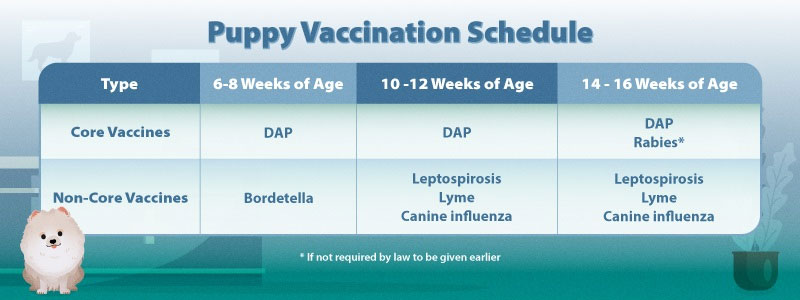
Vaccination Schedule For Puppies
Getting the vaccination schedule right for your puppy is crucial to keep them healthy and free from kennel cough. Puppies are especially vulnerable because their immune systems are still developing. Understanding when to give the kennel cough vaccine helps protect your furry friend before they face places like dog parks or boarding facilities.
Initial Vaccination Timing
The first kennel cough vaccine is typically given when your puppy is between 6 to 8 weeks old. This early protection is important since puppies start exploring the world and meeting other dogs around this age. Missing this window can leave them open to infection.
Booster Shots For Stronger Immunity
After the initial vaccine, your puppy will need booster shots every 2 to 4 weeks until they are about 16 weeks old. These boosters build up their immunity gradually and ensure the protection lasts. Have you scheduled these follow-ups with your vet yet?
Annual Vaccination For Adult Dogs
Once your puppy completes the series, kennel cough vaccines should be given annually. This keeps their protection active, especially if they regularly interact with other dogs. Think about your dog’s lifestyle—do they visit daycare or groomers often? If yes, annual vaccines are even more important.
Vaccination Frequency For Adult Dogs
Knowing how often to give your adult dog the kennel cough vaccine is crucial for keeping them healthy and safe. Vaccination schedules can vary based on your dog’s lifestyle, health, and exposure risks. Understanding the right frequency helps you avoid over-vaccinating or leaving your dog unprotected.
Typical Vaccination Schedule For Adult Dogs
Adult dogs usually need a booster for kennel cough once every year. However, if your dog spends a lot of time in places like dog parks, boarding kennels, or grooming salons, your vet might recommend more frequent vaccinations.
Some vets suggest giving the vaccine every six months for dogs with high exposure. It’s always a good idea to ask your vet about your dog’s specific needs instead of sticking to a fixed schedule.
Factors That Affect Vaccination Frequency
- Exposure risk:Dogs in social environments need vaccines more often.
- Health condition:Dogs with weaker immune systems might require special schedules.
- Type of vaccine:Some vaccines last longer than others.
Have you noticed how your dog’s routine affects their health risks? Tailoring the vaccination frequency to their lifestyle can save you stress and vet visits.
Signs You Might Need An Extra Booster
If your dog starts showing symptoms like a persistent cough or nasal discharge after being around many dogs, a booster might be necessary. Sometimes, a booster before boarding or travel can prevent kennel cough outbreaks.
Think about your plans for your dog—are they attending a dog daycare or a training class soon? Vaccinating right before these events can be a smart move.
Factors Affecting Vaccination Timing
Timing for the dog kennel cough vaccine varies. Several factors influence when your dog should get this shot. Understanding these factors helps protect your pet better. It also ensures vaccines work effectively.
Lifestyle And Exposure Risks
Dogs that meet many other dogs need vaccines more often. Dogs going to parks, daycare, or boarding face higher risks. Limited social dogs might need fewer vaccines. Vaccination timing depends on how often your dog meets others.
Geographic Location
Some areas have higher risks for kennel cough. Urban places with many dogs increase exposure chances. Rural areas with fewer dogs might have less risk. Local disease rates can change vaccine schedules. Talk to your vet about your area’s risks.
Health Conditions
Sick or weak dogs may need special vaccine timing. Dogs with immune issues may require more frequent shots. Puppies and older dogs often need careful vaccine planning. Your vet will adjust timing based on your dog’s health.
Side Effects And Risks
Vaccines help protect dogs from kennel cough, a contagious respiratory illness. While vaccines are generally safe, some side effects and risks exist. Understanding these effects helps you care for your dog better after vaccination.
Most dogs show mild reactions that disappear quickly. Serious problems are rare but possible. Watch your pet closely after the vaccine to spot any issues.
Common Side Effects
- Mild coughing or sneezing
- Low fever
- Swelling or soreness at the injection site
- Loss of appetite for a day
- Lethargy or tiredness
These symptoms usually last one or two days. They do not require medical treatment unless they worsen.
Rare But Serious Risks
- Allergic reactions like itching or swelling of the face
- Difficulty breathing or severe coughing
- High fever lasting more than two days
- Vomiting or diarrhea
Contact a vet immediately if your dog shows these signs. Early care can prevent complications.
Precautions To Take
- Inform your vet about past vaccine reactions
- Keep your dog calm after vaccination
- Provide fresh water and monitor eating
- Check the injection site daily for swelling
- Schedule follow-up visits if advised
Credit: www.carecredit.com
Additional Prevention Tips
Vaccinating your dog against kennel cough is a vital step, but it’s not the only way to protect your furry friend. There are several additional prevention tips that can significantly reduce the chances of your dog catching this contagious respiratory infection. Paying attention to daily habits and your dog’s environment can make a big difference in keeping them healthy and happy.
Hygiene Practices
Maintaining cleanliness around your dog is a simple yet powerful way to prevent kennel cough. Regularly wash your dog’s bedding, toys, and food bowls to minimize germs. Also, clean your hands before and after handling your dog, especially if they interact with other animals.
I once noticed my dog seemed to catch kennel cough after a weekend at a dog park. After improving hygiene by wiping down her paws and changing her bedding more often, she stayed healthy even after similar outings. This shows how small hygiene habits can help a lot.
Limiting Exposure
You can reduce your dog’s risk by avoiding crowded places where many dogs gather, especially during outbreaks. Dog shows, boarding kennels, or busy parks can increase exposure to infected dogs. If your dog must visit these places, try to limit the time spent there and avoid close contact with coughing or sick dogs.
Think about your dog’s social activities. Could you swap a crowded dog park visit for a quiet walk in a less busy area? Sometimes, less exposure is the best protection.
Regular Vet Checkups
Frequent visits to your veterinarian help catch any early signs of illness before they become serious. Your vet can also advise when it’s time for booster vaccines based on your dog’s lifestyle and risk factors. Staying proactive with vet checkups keeps your dog’s immune system strong and ready to fight infections.
During one checkup, my vet recommended an extra kennel cough vaccine before a planned boarding stay. This extra step gave me peace of mind knowing my dog was better protected. Could your vet suggest a similar plan based on your dog’s needs?
Frequently Asked Questions
How Often Should Dogs Get The Kennel Cough Vaccine?
Dogs should receive the kennel cough vaccine annually. This vaccine helps protect them from Bordetella bronchiseptica. Consult your vet for personalized advice based on your dog’s lifestyle and exposure risk. Regular vaccination is crucial for dogs frequently in kennels or around other dogs.
Is Kennel Cough Vaccine Necessary For All Dogs?
Not all dogs need the kennel cough vaccine. It’s recommended for dogs frequently in contact with other dogs, like in kennels, dog parks, or grooming salons. Discuss with your vet to determine your dog’s risk level and whether the vaccine is necessary for their health.
Can Kennel Cough Vaccine Prevent All Cases?
The kennel cough vaccine doesn’t prevent all cases but reduces severity. It covers the most common strains, like Bordetella. Vaccinated dogs may still contract mild symptoms. Regular vaccination is crucial for dogs in high-risk environments to minimize illness impact.
What Are The Side Effects Of The Kennel Cough Vaccine?
Common side effects are mild and include soreness at the injection site. Some dogs may experience slight lethargy or a low-grade fever. Serious side effects are rare. Always monitor your dog after vaccination and consult your vet if any unusual symptoms occur.
Conclusion
Dogs need kennel cough vaccines regularly to stay healthy. Most vets suggest giving the vaccine once a year. Puppies may need more doses at first to build strong protection. Keeping your dog’s vaccinations up to date helps prevent illness. A healthy dog means fewer visits to the vet.
Remember, the vaccine is a simple step to protect your pet. Stay aware of your dog’s health and follow your vet’s advice. This helps keep your dog happy and safe from kennel cough.

Emily Barker is the founder of ChillDogLife.com, a space dedicated to helping pup parents discover the best dog products, lifestyle tips, and cozy ideas for happier homes.
A lifelong dog lover, Emily combines her passion for pets with a knack for research to share trusted recommendations on everything from toys and furniture to health and everyday care.
Her goal is simple: to make life easier, stylish, and more joyful for dogs and the people who love them.




