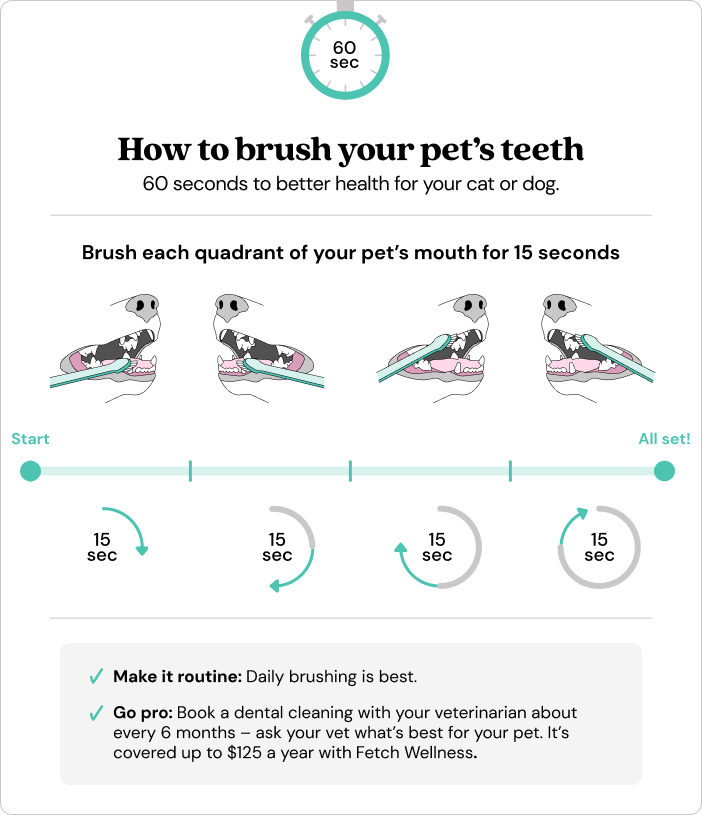
How often do you brush your dog’s teeth? If you’re like many pet owners, this question might not cross your mind every day.
But keeping your dog’s teeth clean is more important than you might think. Just like you, your furry friend needs regular dental care to stay healthy and happy. Neglecting their oral hygiene can lead to pain, bad breath, and even serious health problems.
You’ll discover the best brushing routine for your dog’s teeth and easy tips to make the process simple and stress-free. Keep reading to learn how to give your dog a brighter smile and a healthier life!
Credit: www.green-petfood.com
Importance Of Dog Dental Care
Proper dental care is vital for a dog’s overall health. Dogs need clean teeth to avoid pain and sickness. Brushing their teeth regularly keeps their mouth fresh. It also helps prevent serious health issues later.
Health Risks Of Poor Oral Hygiene
Ignoring a dog’s dental care leads to many problems. Plaque and tartar build up on teeth. This causes bad breath and gum disease. Untreated gum disease can cause tooth loss. Bacteria from the mouth may enter the bloodstream. This can damage the heart, liver, and kidneys. Pain from dental problems can affect a dog’s eating and mood.
Benefits Of Regular Teeth Brushing
Brushing your dog’s teeth keeps their mouth healthy. It removes plaque before it hardens into tartar. Regular brushing prevents gum inflammation and infection. Clean teeth mean fresher breath and less pain. Healthy teeth help dogs chew food properly. This supports better digestion and nutrition. Brushing also helps spot dental problems early. Early care saves money and discomfort later.
Credit: www.scottsdaleveterinaryclinic.com
Ideal Frequency For Brushing Dog Teeth
Keeping your dog’s teeth clean is essential for its health. Knowing the right frequency to brush can help prevent dental problems. Brushing too little or too much can cause issues. Finding the ideal balance is key to a happy, healthy dog.
Daily Brushing Benefits
Brushing your dog’s teeth every day removes plaque before it hardens. This stops tartar buildup and bad breath. Daily care keeps gums healthy and reduces the risk of infections. It also helps your dog get used to brushing as a routine.
Minimum Brushing Recommendations
At least two to three times a week is the minimum for most dogs. This frequency slows down plaque growth and keeps teeth cleaner. Brushing less often may lead to more dental issues and vet visits. Consistency matters more than perfect technique.
Adjusting Frequency By Dog’s Age And Breed
Puppies need gentle and frequent brushing to build good habits early. Older dogs might require more frequent care due to weaker teeth. Small breeds often face more dental problems and need more brushing. Large breeds may need less frequent brushing but still need regular checks.
Choosing The Right Toothbrush And Toothpaste
Choosing the right toothbrush and toothpaste is crucial for your dog’s dental health. The right tools make brushing easier and more effective. Dogs need special toothbrushes and toothpaste designed just for them. This keeps their teeth clean and prevents discomfort during brushing.
Types Of Dog Toothbrushes
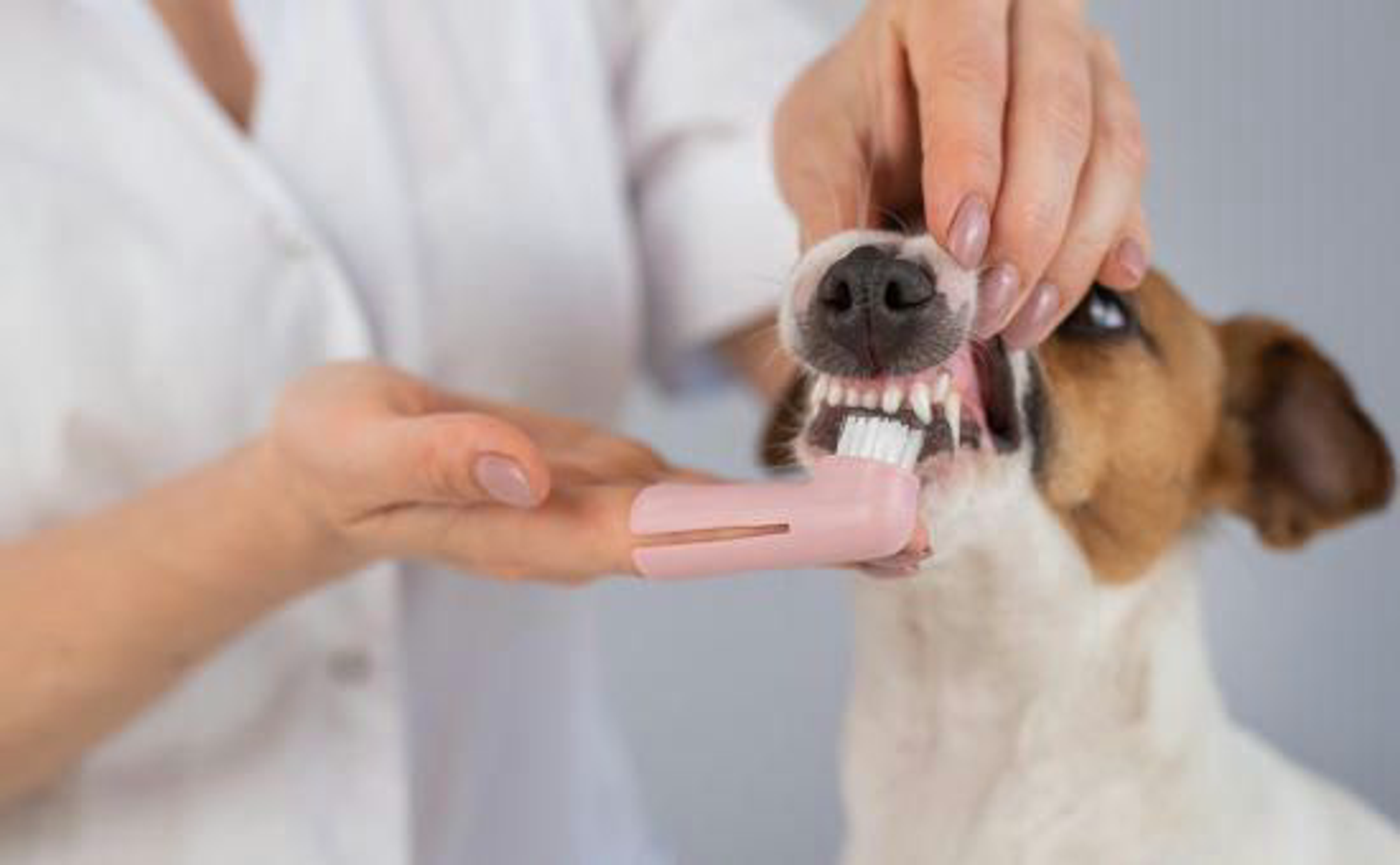
Dog toothbrushes come in many shapes and sizes. Some have soft bristles like human toothbrushes. Others are finger brushes that fit over your finger. These allow better control and gentle brushing. Some toothbrushes have angled heads to reach back teeth easily. Choose one that fits your dog’s mouth size.
Safe Toothpaste Options For Dogs
Dog toothpaste is made with safe ingredients for pets. It often comes in flavors dogs enjoy, like poultry or peanut butter. These make brushing more pleasant for your dog. Avoid toothpaste with fluoride or harsh chemicals. Use only toothpaste labeled for dogs to protect their health.
Avoiding Human Toothpaste
Human toothpaste can harm dogs. It contains fluoride and detergents that dogs should not swallow. Dogs cannot rinse or spit out toothpaste. Swallowing human toothpaste may cause stomach upset or poisoning. Always use toothpaste made specifically for dogs to keep them safe.
Step-by-step Teeth Brushing Guide
Brushing your dog’s teeth regularly is essential for their health. A step-by-step guide makes the process simple and effective. This section breaks down how to prepare your dog, use the right brushing technique, and handle common problems. Follow these tips to keep your dog’s teeth clean and strong.
Preparing Your Dog For Brushing
Start by choosing a quiet and comfortable place. Let your dog sniff the toothbrush and toothpaste. Use a dog-friendly toothpaste only. Gently touch your dog’s mouth and teeth with your finger. Praise your dog to create a positive feeling. Gradually introduce the toothbrush without pressure. Keep sessions short at first, around one minute. Repeat daily to build a routine and trust.
Proper Brushing Techniques
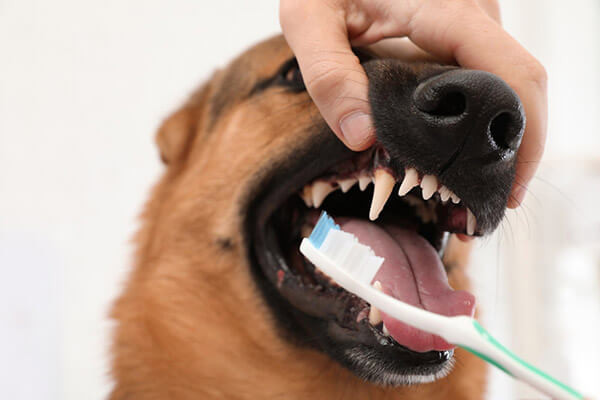
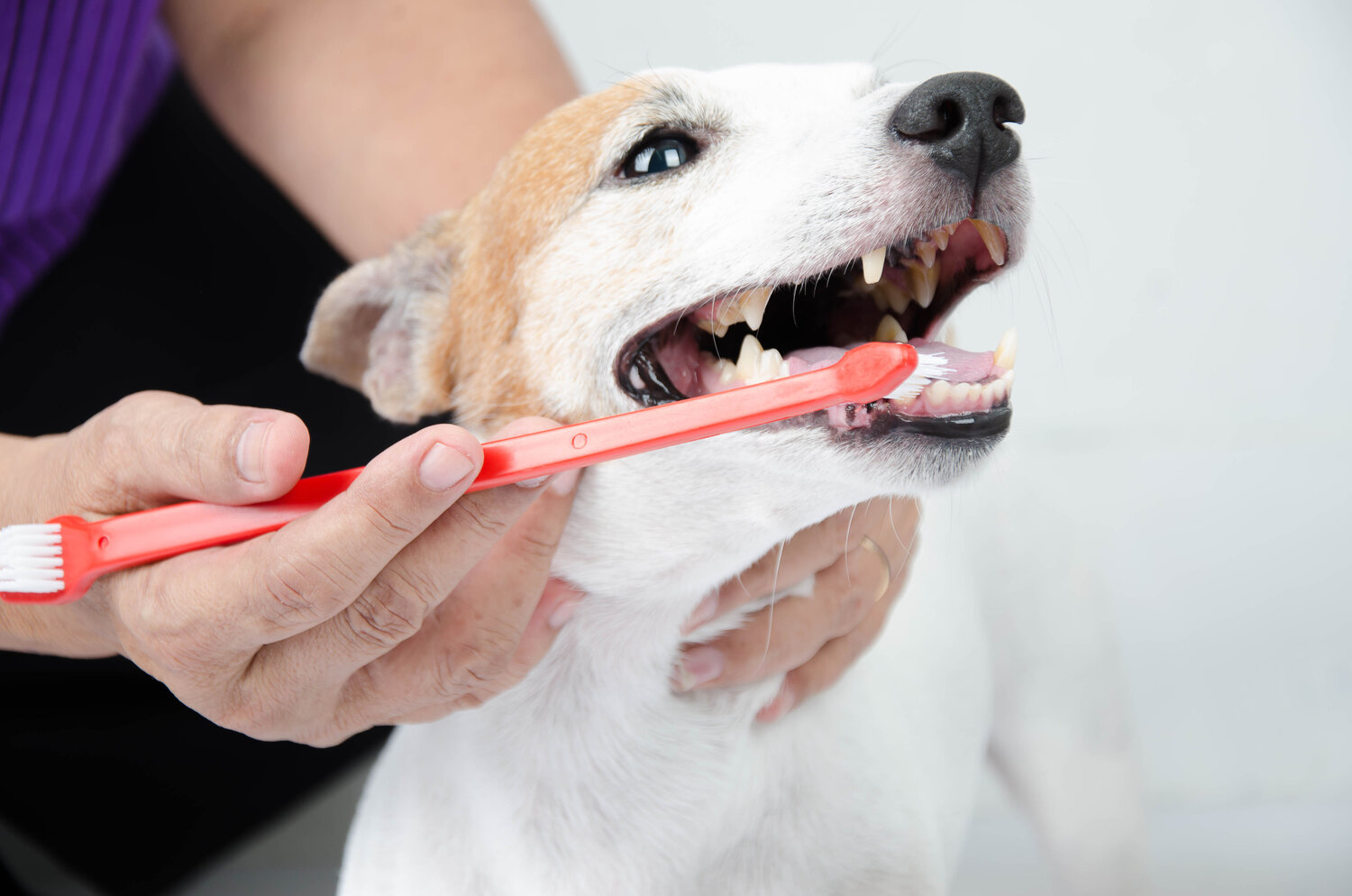
Use a soft-bristled toothbrush made for dogs. Apply a small amount of toothpaste on the brush. Hold the brush at a 45-degree angle to the gums. Move the brush in small circular motions. Focus on the outside surfaces of the teeth. Brush the upper and lower teeth gently. Avoid pushing hard to prevent discomfort. Brush for two minutes or until your dog stays calm. Reward your dog with praise or a treat after brushing.
Handling Common Challenges
- Resistance: Stay calm and try again later.
- Drooling: Use a towel to keep the area clean.
- Bad breath: Brush more often and check diet.
- Fear: Introduce brushing slowly and use treats.
- Loose teeth: Consult a vet if you notice pain.
Patience and consistency help overcome most challenges. Keep brushing short and positive to build trust. Your dog’s oral health improves with regular care.
Alternative Dental Care Methods
Alternative dental care methods help keep your dog’s teeth clean and healthy. Brushing is important, but other options also support oral health. These methods reduce plaque and freshen breath. Using a mix of care techniques gives the best results.
Dental Chews And Toys
Dental chews and toys help remove plaque and tartar naturally. Chewing stimulates saliva, which fights bacteria. Toys with ridges clean teeth and massage gums. Choose products made for dogs and vet-approved. Regular use can reduce bad breath and dental buildup.
Professional Cleanings
Vet cleanings remove deep plaque and tartar. Professionals use special tools to clean below gums. Cleanings prevent gum disease and tooth loss. Schedule visits based on your dog’s needs. These appointments keep your pet’s mouth healthy and pain-free.
Diet And Oral Health
Diet impacts your dog’s dental health a lot. Dry kibble helps scrape teeth during chewing. Some diets include ingredients that reduce plaque. Avoid sugary treats that cause tooth decay. Healthy food supports strong teeth and gums.
Signs Of Dental Problems To Watch For
Keeping an eye on your dog’s dental health is important. Early signs of problems can help you act quickly. Watch for changes in your dog’s mouth or behavior. These signs often show before serious issues develop.
Bad Breath And Discoloration
Bad breath is one of the first signs of dental trouble. A foul smell can mean bacteria buildup in the mouth. Yellow or brown stains on teeth show plaque or tartar. These can lead to cavities and infections if ignored.
Swollen Gums And Pain
Look for red or swollen gums around your dog’s teeth. Sensitive gums may cause your dog to avoid chewing. Whining or pawing at the mouth can signal pain. These signs often point to gum disease or injury.
When To Visit The Vet
Visit the vet if you notice bad breath or gum swelling. Sudden changes in eating habits or mouth discomfort need a check-up. Your vet can clean teeth and treat infections early. Regular dental visits help keep your dog healthy and happy.
Credit: www.woofpurnayvet.com.au
Frequently Asked Questions
How Often Should You Brush Your Dog’s Teeth?
Brushing your dog’s teeth at least three times a week is ideal. Regular brushing helps prevent plaque buildup and gum disease. Consistency is key to maintaining your dog’s oral health. If possible, brush daily to keep their teeth and gums healthy.
What Are The Benefits Of Brushing Dog Teeth Regularly?
Regular brushing removes plaque and prevents tartar buildup. It helps to avoid bad breath and gum disease. Keeping your dog’s teeth clean also reduces the risk of dental issues. Healthy teeth contribute to your dog’s overall well-being.
Can Brushing Improve My Dog’s Health?
Yes, brushing can improve your dog’s health significantly. Good oral hygiene prevents bacteria from entering the bloodstream. This reduces the risk of heart, liver, and kidney diseases. Keeping your dog’s mouth clean promotes overall health.
What Tools Are Best For Brushing Dog Teeth?
Use a dog-specific toothbrush and toothpaste. Human toothpaste can harm dogs. A soft-bristled brush is gentle on their gums. Finger brushes are also effective for beginners. Choose products that are vet-recommended for safety.
Conclusion
Brushing your dog’s teeth regularly keeps their mouth healthy. Aim for brushing at least two to three times weekly. This helps prevent bad breath and dental problems. Healthy teeth support your dog’s overall wellness and happiness. Remember, a clean mouth means a happier pet.
Start slow and make brushing a fun routine. Your dog will thank you with a bright, healthy smile. Consistency is key for long-term dental care. Keep your dog’s teeth clean for a healthier life.

Emily Barker is the founder of ChillDogLife.com, a space dedicated to helping pup parents discover the best dog products, lifestyle tips, and cozy ideas for happier homes.
A lifelong dog lover, Emily combines her passion for pets with a knack for research to share trusted recommendations on everything from toys and furniture to health and everyday care.
Her goal is simple: to make life easier, stylish, and more joyful for dogs and the people who love them.




