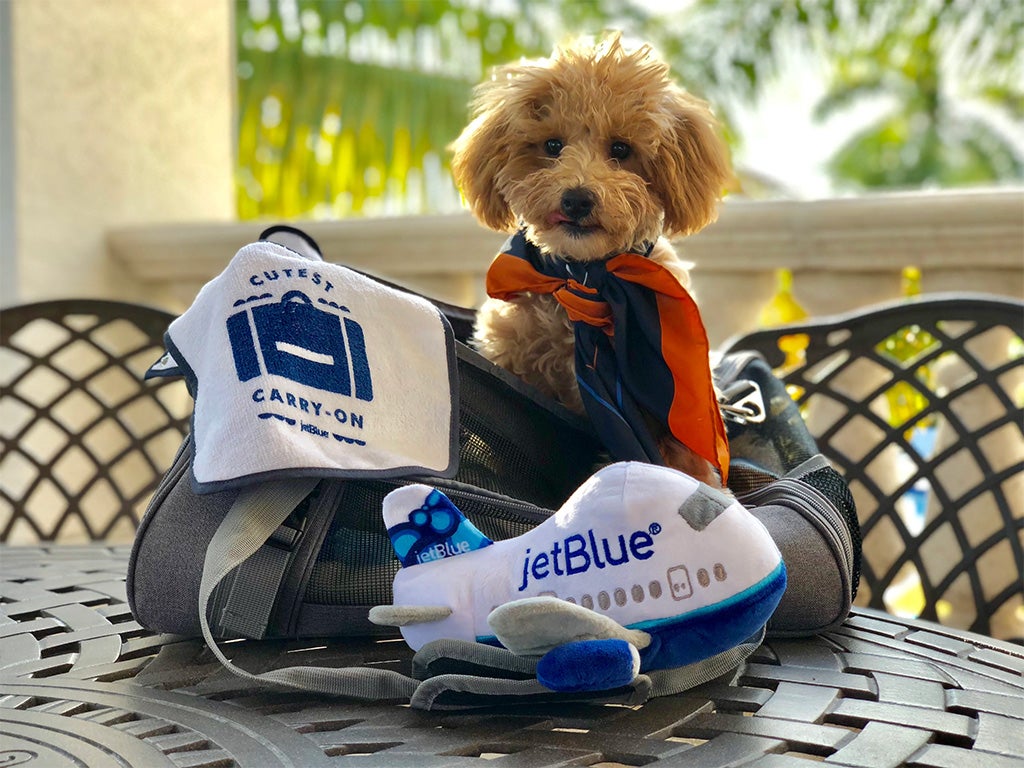
Planning a trip with your dog can be exciting, but you probably wonder, “How much will it actually cost?” From transportation fees to pet-friendly accommodations, the expenses can add up quickly. You want to enjoy the journey without any surprises draining your wallet.
You’ll discover clear, simple answers to help you budget smartly for traveling with your furry friend. Keep reading to make your next adventure with your dog stress-free and affordable.
Credit: thepointsguy.com
Budgeting For Dog Travel
Traveling with a dog can be a fun experience. Planning your budget helps avoid surprises. It lets you enjoy the trip and care for your pet well.
Costs can add up fast. Think about transport, places to stay, food, and emergencies. This guide breaks down these expenses.
Estimating Transportation Costs
Transport costs include gas, tickets, or pet fees. These vary by travel type and distance. Plan ahead to find the best options for you and your dog.
- Car travel: fuel and possible pet seat covers
- Plane travel: pet ticket fees and carrier costs
- Train or bus: pet fares and rules
- Pet insurance for travel delays
Accommodation Expenses
Not all hotels or rentals allow dogs. Pet-friendly places may charge extra. Check the fees before booking to avoid surprises.
| Accommodation Type | Average Pet Fee | Notes |
| Hotel | $25-$50 per night | Some limit pet size or number |
| Vacation Rental | $50-$100 one-time fee | May require cleaning deposit |
| Camping | Usually free or low cost | Check pet rules and wildlife risks |
Food And Supplies Budget
Bring your dog’s regular food and treats. Buying on the road can be costly or hard to find. Also pack needed supplies like bowls and leashes.
- Dog food and treats
- Water and food bowls
- Leash and harness
- Waste bags and cleaning wipes
- Favorite toys or bedding
Emergency And Vet Fees
Unexpected health issues can happen. Know the cost of vet visits in your travel area. Keep a fund for emergencies to stay prepared.
| Service | Estimated Cost |
|---|---|
| Vet Consultation | $50 – $100 |
| Emergency Treatment | $200 – $1000+ |
| Medication | $20 – $200 |
| Pet Insurance (travel) | $10 – $30 per month |
Credit: www.nytimes.com
Transportation Options
Traveling with a dog requires planning for transportation costs. Different options have various prices and rules. Knowing these can help you budget your trip better.
Choosing the right way to travel depends on your dog’s size, comfort, and your budget. Here are common transportation options for traveling with dogs.
Traveling By Car With Your Dog
Traveling by car is often the easiest way to take your dog along. It gives you control over stops and comfort. There is usually no extra fee for dogs in your vehicle.
You may want to prepare for fuel costs and extra stops for your dog’s needs. Also, consider safety gear like seat belts or crates to keep your dog safe.
Flying With Pets: Fees And Rules
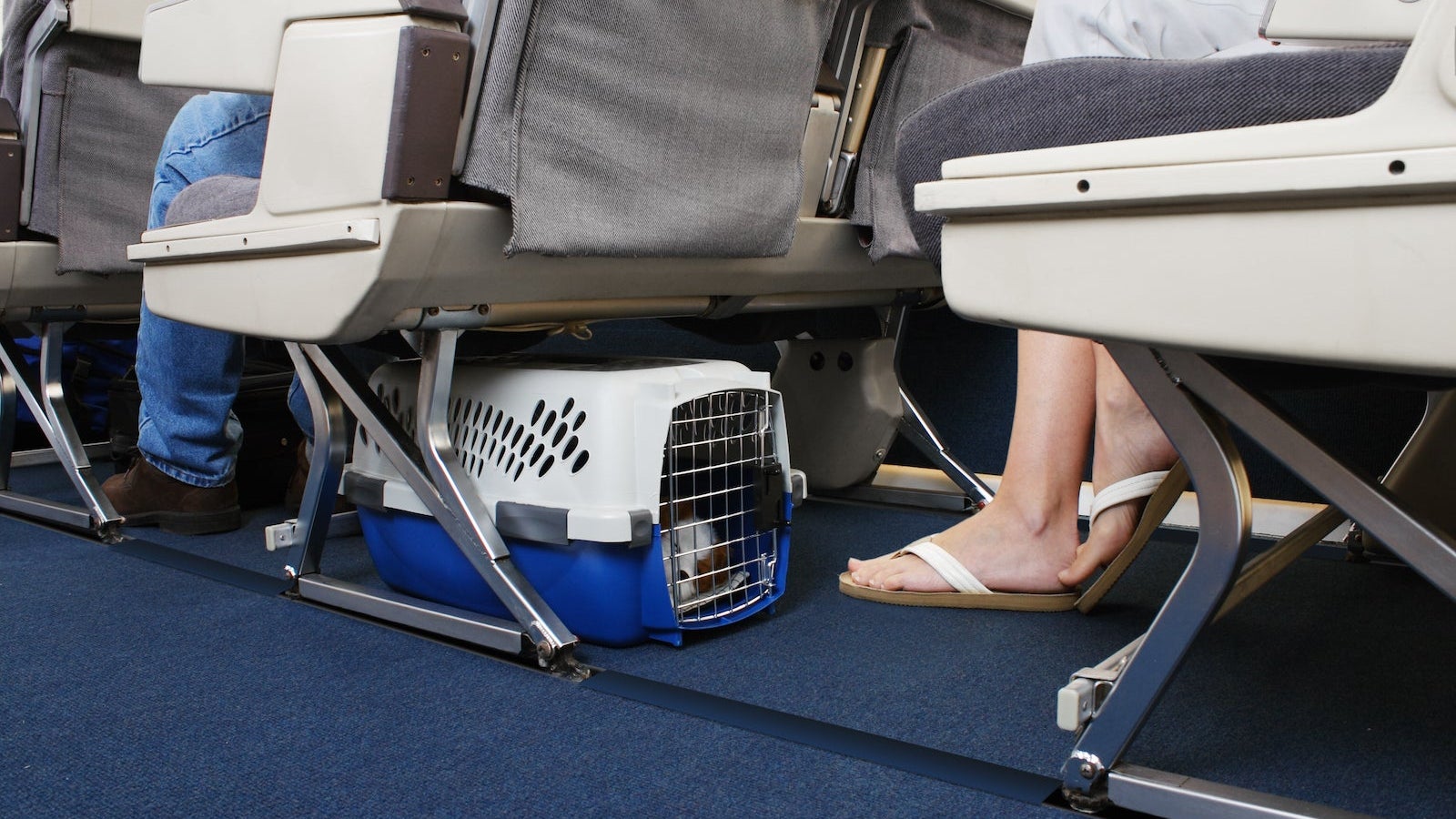
Flying with a dog can be expensive. Airlines charge fees for pets, which vary by company and flight length. Small dogs often fly in the cabin for a lower fee.
Larger dogs usually travel in the cargo hold and cost more. Rules about carriers, vaccinations, and paperwork apply. Check the airline’s pet policy before booking.
- In-cabin pet fees: $75 to $200 each way
- Cargo pet fees: $200 to $500 or more
- Carrier size limits for cabin travel
- Health certificates required
Train And Bus Travel Costs
Train and bus travel costs for dogs depend on the company and route. Many trains allow small dogs for a small fee or free if in a carrier. Larger dogs may not be allowed.
Buses often have stricter rules. Some do not allow pets except service animals. If allowed, fees and carrier rules apply. Always check with the carrier before traveling.
| Transport | Pet Fee | Size Limits | Notes |
|---|---|---|---|
| Train | $0 – $50 | Small dogs in carrier | Depends on company |
| Bus | Varies or not allowed | Usually no large dogs | Check company rules |
Pet-friendly Accommodations
Traveling with your dog can be fun and rewarding. Finding the right place to stay is important. Pet-friendly accommodations make trips easier for both you and your dog.
Many places welcome pets, but each has its own rules and fees. Knowing these can help you plan your budget and avoid surprises.
Hotels And Motels With Pet Policies
Hotels and motels often allow dogs but with limits. Some charge extra fees or deposits. Others have size or breed restrictions. It is good to call ahead and ask about their pet policy.
- Check if there is a pet fee per night
- Ask about weight or breed limits
- Know if pets must stay in a crate when alone
- Find out about pet-friendly areas on the property
- Confirm cleaning policies related to pets
Vacation Rentals And Airbnb
Vacation rentals and Airbnb often provide more space for your dog. Many hosts allow pets but may charge a cleaning fee. Some homes have fenced yards or nearby parks.
| Accommodation Type | Pet Fee | Pet Restrictions | Extras |
| Entire Home Rental | Varies | Depends on host | Fenced yard common |
| Shared Space | Sometimes free | Usually small pets | May share areas |
| Private Room | Usually low fee | May limit size | Host nearby |
Camping And Outdoor Stays
Camping is a great option for active dogs. Many campgrounds allow pets but have rules to keep all guests safe. Dogs usually must be on a leash and cleaned up after.
- Check if there is a pet fee per night
- Know leash rules and length limits
- Bring water and shade for your dog
- Follow all campground pet rules
- Be aware of wildlife and hazards
Food And Essential Supplies
Traveling with your dog needs careful planning, especially for food and supplies. You must keep your dog healthy and comfortable on the road.
Bring enough food and the right gear to avoid problems during your trip. This guide covers packing meals, buying food while traveling, and must-have travel gear.
Packing Your Dog’s Meals
Pack enough food for your dog to last the entire trip. Use airtight containers to keep food fresh. Bring familiar food to avoid stomach issues.
- Measure daily portions before you leave
- Use resealable bags or containers
- Include treats for rewards and comfort
- Bring a portable bowl for feeding
- Pack extra food in case of delays
Buying Food On The Road
Sometimes you may need to buy food during your trip. Look for stores with quality dog food options. Check labels to match your dog’s diet.
| Place | Food Options | Tips |
| Pet Stores | Wide variety, special diets | Ask staff for recommendations |
| Supermarkets | Common brands, treats | Check ingredient lists carefully |
| Online Delivery | Home delivery, large stock | Order in advance if possible |
Necessary Travel Gear For Dogs
Good travel gear keeps your dog safe and happy. Pack items that help during feeding, walking, and resting.
- Collapsible water and food bowls
- Leash and harness for walks
- Portable water bottle for hydration
- Travel bed or blanket for comfort
- Waste bags for cleaning up
- First aid kit for emergencies
Health And Safety Expenses
Traveling with a dog requires careful planning. One key area is health and safety expenses. These costs ensure your dog’s well-being during the trip.
Consider all potential health and safety needs before traveling. This helps avoid unexpected issues and ensures a smooth journey.
Vaccinations And Health Checks
Vaccinations are crucial for your dog’s health. They protect against diseases and are often required for travel.
Visit the vet for a health check before traveling. This ensures your dog is fit and ready for the trip.
- Rabies vaccination is usually mandatory.
- Check for additional required vaccines for your destination.
- Get a health certificate from your vet if needed.
Travel Insurance For Pets
Pet travel insurance covers unexpected health issues. It can save money on vet bills during your trip.
Insurance offers peace of mind. It ensures your dog gets the care needed without financial stress.
- Check if your current pet insurance covers travel.
- Look for policies that cover emergencies abroad.
- Compare different plans for the best coverage.
Handling Emergencies Away From Home
Prepare for emergencies when traveling with your dog. Know what to do if your dog gets sick or injured.
Research local vets and emergency clinics at your destination. This ensures quick access to help if needed.
- Keep a list of local vets and their contact details.
- Carry a basic first aid kit for pets.
- Have an emergency plan in place for your dog.
Money-saving Tips
Traveling with a dog can cost extra money. You can save by planning smartly. Use these tips to keep costs low and enjoy your trip.
Small changes in how you book and prepare can reduce expenses. This helps you travel more often with your dog.
Booking Early And Finding Deals
Booking your travel early often gets you lower prices. Airlines and hotels offer discounts for early reservations.
Look for special deals on travel sites and apps. Compare prices before you decide to get the best offer.
- Book flights and hotels months in advance
- Check travel websites daily for promotions
- Use price alerts to track changes
- Travel during off-peak times for cheaper rates
Using Pet Travel Discounts
Some airlines and hotels give discounts for pets. Ask about pet fees before booking. Sometimes these fees are waived or reduced.
Join pet travel programs or loyalty clubs. They often offer special rates or perks for travelers with pets.
- Call airlines to ask about pet discounts
- Check hotel pet policies and fees online
- Sign up for pet travel newsletters
- Use credit cards that offer travel perks for pets
Diy Travel Accessories
Making your own pet travel gear saves money. Simple items like food bowls and beds can be made at home.
Use household items to create safe and comfortable travel accessories for your dog. This reduces the need to buy expensive products.
- Use old T-shirts to make a travel bed
- Repurpose containers for food and water bowls
- Make a leash or harness from sturdy fabrics
- Create a travel first-aid kit from home supplies

Credit: www.youtube.com
Frequently Asked Questions
How Much Does It Cost To Travel With A Dog By Car?
Traveling with a dog by car typically costs between $50 and $150. Expenses include food, water, pet supplies, and occasional rest stops. Gas prices may also rise with extra weight. Planning ahead helps manage these costs effectively.
What Are Typical Airline Fees For Flying With A Dog?
Airline fees for flying with a dog usually range from $75 to $200 each way. Fees depend on the airline, dog’s size, and whether they fly in-cabin or cargo. Booking early can help secure a spot and reduce costs.
How To Budget For Dog-friendly Accommodations While Traveling?
Dog-friendly accommodations often charge $10 to $50 extra per night. Some hotels include pet fees in the price, while others require deposits. Research options in advance and factor these fees into your travel budget.
Are There Additional Pet Travel Costs To Consider?
Yes, additional costs may include vet check-ups, vaccinations, travel crates, and pet insurance. Unexpected expenses can arise, so setting aside an emergency fund for your dog is wise.
Conclusion
Traveling with a dog takes planning and budgeting. Costs vary by destination, transport, and your pet’s needs. Consider fees for tickets, pet supplies, and accommodations. Don’t forget food, vet visits, and emergencies. Keeping your dog safe and happy matters most.
Careful preparation helps avoid extra expenses. Enjoy your trip without stress or surprises. Traveling with your dog can be fun and rewarding. Plan well, and create great memories together.

Emily Barker is the founder of ChillDogLife.com, a space dedicated to helping pup parents discover the best dog products, lifestyle tips, and cozy ideas for happier homes.
A lifelong dog lover, Emily combines her passion for pets with a knack for research to share trusted recommendations on everything from toys and furniture to health and everyday care.
Her goal is simple: to make life easier, stylish, and more joyful for dogs and the people who love them.




