
Wondering how much kibble your 30 lb dog really needs? Feeding your furry friend the right amount is key to keeping them healthy and happy.
Too little food, and your dog might feel hungry and low on energy. Too much, and you risk unwanted weight gain. You want to get it just right—but with so many different brands and feeding guidelines, it can feel confusing.
Don’t worry, this guide will help you figure out the perfect portion size for your dog’s weight and lifestyle. Keep reading to make sure your pup gets the nutrition they deserve without overfeeding or underfeeding.
Credit: www.houndsy.com
Daily Kibble Needs
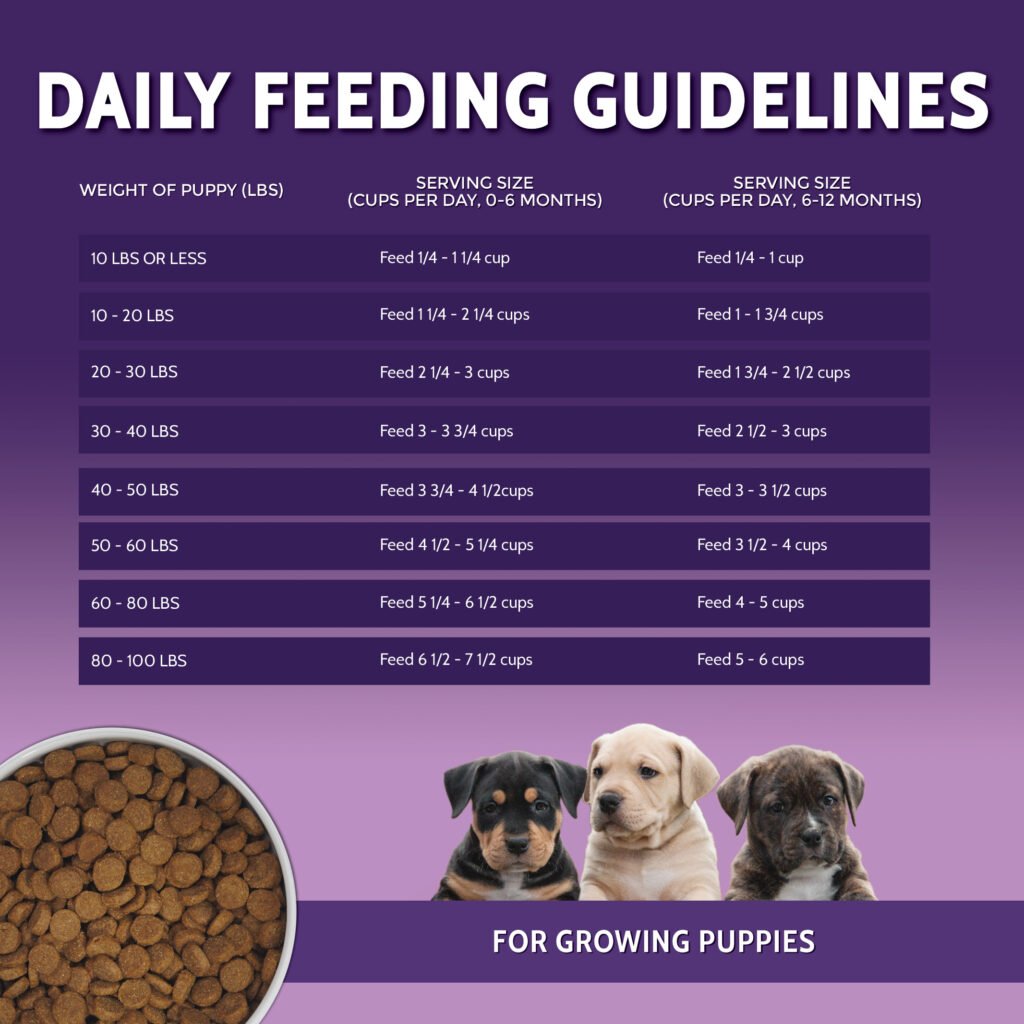
Feeding your 30 lb dog the right amount of kibble every day is key to keeping them healthy and active. Too much food can lead to weight gain, while too little might leave them hungry or undernourished. Finding the right balance depends on several factors that influence how much energy your dog needs daily.
Factors Influencing Portion Size
Not all 30 lb dogs have the same daily kibble requirements. Age plays a big role—puppies need more calories to support growth, while older dogs may require fewer calories to prevent weight gain.
Activity level also matters. A highly active dog burning lots of energy needs more kibble than a couch-loving pup. Health conditions and metabolism differences can affect how much food your dog should eat.
Breed characteristics influence appetite and energy needs too. Some dogs naturally have faster metabolisms and will require larger portions to stay satisfied.
Calories Required For 30 Lb Dogs
On average, a 30 lb dog needs about 700 to 900 calories daily. This range varies based on those factors mentioned earlier.
| Activity Level | Calories Needed Per Day | Approximate Cups of Kibble |
|---|---|---|
| Low Activity | 700 | 1.5 – 2 cups |
| Moderate Activity | 800 | 2 – 2.5 cups |
| High Activity | 900 | 2.5 – 3 cups |
Cups of kibble vary by brand; check your dog food packaging for exact calorie content per cup.
Have you noticed your dog asking for food more often or seeming sluggish? These signs might mean their kibble portion needs adjusting. Keep an eye on their weight and energy levels to fine-tune daily servings.
Credit: www.houndsy.com
Choosing The Right Kibble
Choosing the right kibble for your 30 lb dog is more than just picking a bag off the shelf. It directly affects your dog’s health, energy, and happiness. Understanding what to look for can help you make smarter choices that suit your dog’s specific needs.
Reading Nutrition Labels
Nutrition labels are your best tool for evaluating kibble quality. Look for a clear list of ingredients, starting with a named protein like chicken or beef. Avoid vague terms like “meat meal” or “animal by-products,” as they don’t tell you much about the actual content.
Check the guaranteed analysis section for protein, fat, fiber, and moisture percentages. A 30 lb dog generally needs around 18-25% protein and 8-15% fat in their diet. If the label includes added vitamins and minerals, it’s a sign the kibble is formulated to support overall health.
Quality Ingredients To Look For
Focus on kibble that lists whole food ingredients you recognize. Real meat, vegetables, and grains are ideal. For example, chicken, sweet potatoes, and brown rice provide balanced nutrition and good energy.
Avoid kibble with too many fillers like corn, wheat, or soy. These can cause allergies and don’t add much nutritional value. Also, look for natural preservatives like vitamin E instead of artificial additives.
Think about your dog’s lifestyle and health. Is your dog active, older, or prone to allergies? You might want kibble with added omega fatty acids for skin and coat health or limited ingredient formulas to reduce digestive issues.
Adjusting Portions By Activity
Adjusting your 30 lb dog’s kibble portions depends greatly on their daily activity level. Energy needs shift with how much your dog moves. Feeding the right amount keeps your dog healthy and happy. Too much food can cause weight gain. Too little food can lead to fatigue or nutrient gaps. Tailoring portions by activity helps maintain a balanced diet.
Feeding Active Vs Sedentary Dogs
Active dogs burn more calories throughout the day. They need extra kibble to fuel their energy. Examples include dogs that run, hike, or play often.
Sedentary dogs need fewer calories. Less activity means less energy burned. Overfeeding can lead to weight gain and health issues.
- Active dogs may require 10-20% more food.
- Sedentary dogs need smaller portions to avoid excess weight.
- Monitor your dog’s weight and adjust portions regularly.
Seasonal And Age-based Changes
Seasonal changes affect your dog’s energy needs. Cold weather may increase calorie needs for warmth. Hot weather might lower appetite and energy use.
Age also plays a big role. Puppies and young dogs need more food for growth and play. Older dogs usually need fewer calories due to lower activity.
| Life Stage | Activity Level | Portion Adjustment |
|---|---|---|
| Puppy | High | Increase kibble by 20-30% |
| Adult | Moderate | Standard portion based on weight |
| Senior | Low | Reduce portion by 10-20% |
Measuring And Serving Tips
Getting the right amount of kibble for your 30 lb dog starts with precise measuring and thoughtful serving. Overfeeding or underfeeding can affect your dog’s health, energy, and weight. Let’s look at some simple tips to help you serve the perfect portion every time.
Using Measuring Cups Accurately
Measuring cups are your best tool for serving kibble, but not all cups are created equal. Use a standard measuring cup designed for dry ingredients rather than an irregular scoop from the bag. This ensures consistency in portion size.
Fill the cup to the rim without packing the kibble down. Gently level off the excess with a flat edge like a knife to get an exact measurement. This small step can prevent accidentally giving your dog too much food.
Have you ever noticed how even small changes in kibble amount impact your dog’s digestion or energy? Keeping measurements exact helps you track what works best for your dog’s health and weight goals.
Scheduling Meals Throughout The Day
Splitting your dog’s daily kibble into multiple smaller meals can improve digestion and maintain steady energy. For a 30 lb dog, feeding twice a day is common, but some dogs benefit from three smaller meals.
Try dividing the total daily kibble into equal portions and serve at consistent times each day. This routine helps your dog anticipate meals and reduces begging or overeating.
If your dog seems restless or hungry between meals, consider adjusting the portion size or adding a healthy snack approved by your vet. How often do you adjust your dog’s meal schedule based on their activity or mood? Paying attention to these cues can make a big difference.
Common Feeding Mistakes
Feeding a 30 lb dog the right amount of kibble can be tricky. Many pet owners make common feeding mistakes that affect their dog’s health. These errors can lead to weight problems and poor nutrition. Understanding these mistakes helps keep your dog fit and happy.
Overfeeding Risks
Overfeeding is a frequent error. It causes excess weight gain, which strains joints and organs. Obesity in dogs can lead to diabetes and heart disease. Too many calories from kibble upset the dog’s energy balance. Portion control is crucial to avoid these health risks.
Ignoring Body Condition
Watching your dog’s body condition is vital. Some owners feed the same amount regardless of changes in activity or age. A dog may look thin or overweight and still get the wrong amount of food. Checking ribs, waist, and energy levels helps adjust feeding amounts. This keeps your dog in a healthy shape.
Monitoring Your Dog’s Health
Keeping a close eye on your dog’s health helps ensure the right amount of kibble each day. Adjusting food portions depends on your dog’s condition and activity. Regular checks prevent overfeeding or underfeeding, which can lead to health problems. Monitoring also helps spot early signs of illness or weight changes.
Tracking Weight And Energy Levels
Weigh your dog once a week to track any changes. Use a simple scale or visit a vet for accuracy. Watch your dog’s energy throughout the day. Too much tiredness or hyperactivity may signal a food imbalance. Keep a journal to note weight and behavior changes. This helps decide if you need to change kibble amounts.
When To Consult A Veterinarian
Seek veterinary advice if your dog loses or gains weight quickly. Sudden energy drops or rises also need professional attention. Consult a vet if your dog refuses food or shows digestive issues. Regular vet visits support long-term health and proper feeding. Your vet can recommend the perfect kibble portion for your dog’s needs.
Credit: zignature.com
Frequently Asked Questions
How Much Kibble Does A 30 Lb Dog Need Daily?
A 30 lb dog typically needs about 1. 5 to 2 cups of kibble daily. This can vary based on the dog’s activity level, age, and metabolism. Always check the feeding guidelines on the kibble package and consult with a veterinarian for personalized advice.
How Do I Measure Kibble For My Dog?
Use a standard measuring cup to measure kibble accurately. This ensures your dog gets the right amount of food. Avoid using random cups or scoops, as they can lead to overfeeding or underfeeding. Consistent measurement helps maintain your dog’s healthy weight.
Can Kibble Amount Vary By Dog Breed?
Yes, kibble amounts can vary by breed, metabolism, and activity level. Some breeds may need more energy, requiring more kibble. Always consider breed-specific needs and consult with a vet for tailored feeding advice to ensure your dog remains healthy and active.
Is It Okay To Adjust Kibble Portions?
Yes, adjusting kibble portions is sometimes necessary. Factors like age, weight, and activity level can influence dietary needs. Monitor your dog’s weight and energy levels regularly. Consult your vet if you’re unsure about portion adjustments to ensure balanced nutrition.
Conclusion
Feeding a 30 lb dog the right amount of kibble keeps them healthy. Watch their weight and energy to adjust portions if needed. Quality kibble and fresh water help your dog feel great. Remember, every dog is different, so check with your vet for advice.
Feeding well means a happy, active dog every day. Easy and simple steps make caring for your dog better. Keep these tips in mind for your furry friend’s best health.

Emily Barker is the founder of ChillDogLife.com, a space dedicated to helping pup parents discover the best dog products, lifestyle tips, and cozy ideas for happier homes.
A lifelong dog lover, Emily combines her passion for pets with a knack for research to share trusted recommendations on everything from toys and furniture to health and everyday care.
Her goal is simple: to make life easier, stylish, and more joyful for dogs and the people who love them.




