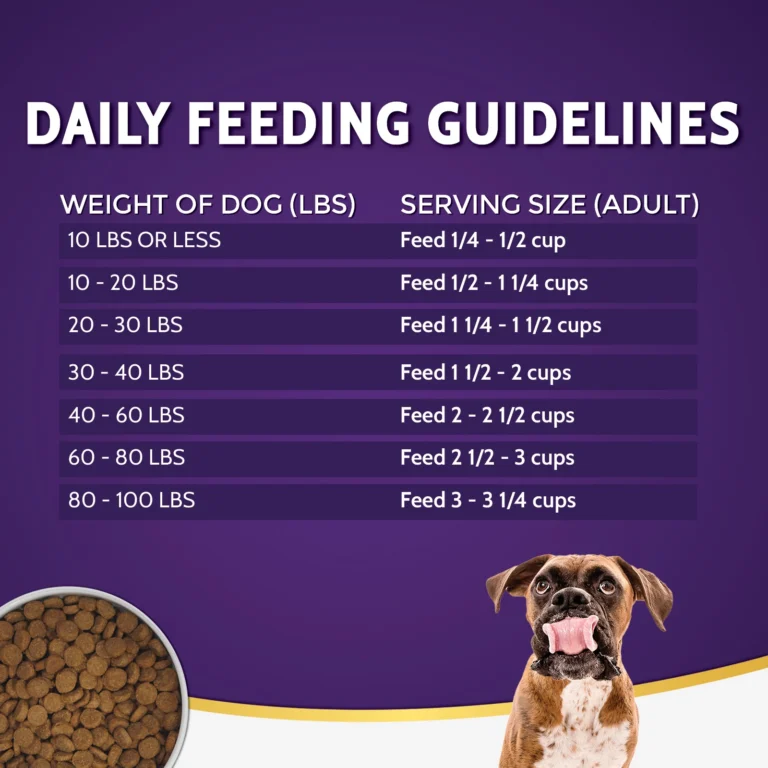
Wondering how much kibble your 20-pound dog really needs? Feeding your furry friend just the right amount can feel tricky.
Too much food can lead to weight gain, and too little might leave them hungry or lacking energy. You want to keep your dog healthy and happy, but where do you start? This guide will help you find the perfect portion size for your dog’s daily kibble.
Keep reading to discover simple tips that make feeding time easier and stress-free for both you and your pup.
Credit: www.purina.com
Daily Calorie Needs
Understanding the daily calorie needs of a 20-pound dog is crucial for maintaining their health. Dogs require the right amount of calories to support their energy levels, growth, and overall well-being. Feeding too much or too little can cause health problems. The right calorie intake depends on several factors like age, activity, and metabolism.
Knowing how many calories your dog needs helps you choose the correct amount of kibble. This keeps your dog active, happy, and at a healthy weight. Let’s explore what affects calorie needs and how to calculate them for a 20-pound dog.
Factors Affecting Calorie Requirements
- Age:Puppies and young dogs need more calories for growth.
- Activity Level:Active dogs burn more calories than less active ones.
- Breed:Some breeds have faster metabolisms and need more energy.
- Health Status:Illness or medical conditions can change calorie needs.
- Spay/Neuter Status:Neutered dogs may require fewer calories.
Calculating Calories For A 20 Pound Dog
Start by estimating your dog’s Resting Energy Requirement (RER). Use this formula:
| RER = 70 x (Body Weight in kg)0.75 |
For a 20-pound dog (about 9 kg), RER is approximately 394 calories per day.
Adjust RER based on activity:
- Inactive or older dogs: RER x 1.2
- Average activity: RER x 1.5
- Highly active dogs: RER x 2.0 or more
The result gives the daily calorie needs. Check your kibble’s calorie content on the package. Divide the daily calorie needs by calories per cup of kibble to find the feeding amount.
Choosing The Right Kibble
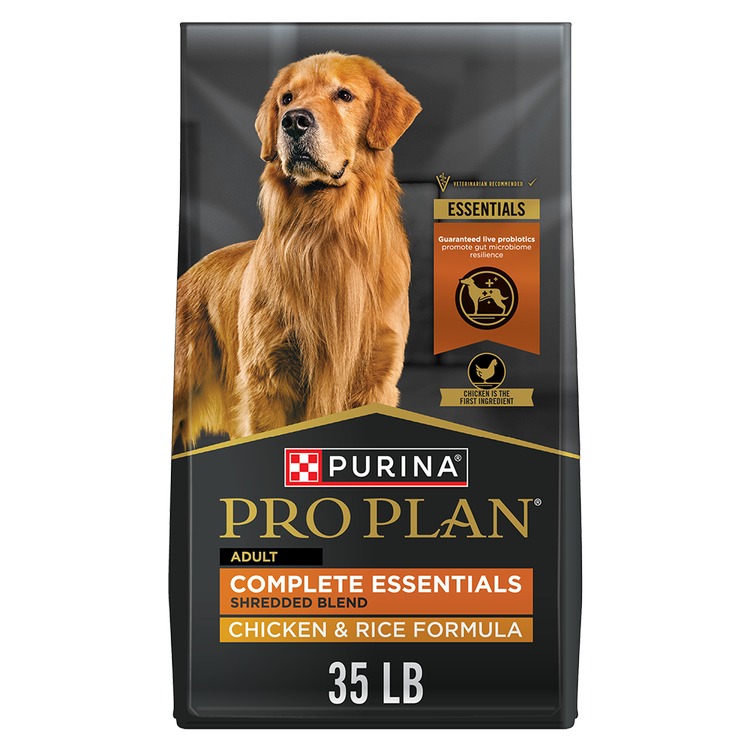
Choosing the right kibble for your 20-pound dog is crucial for their health and happiness. The correct food supports energy, growth, and overall well-being. Not all kibble is the same. Ingredients and nutrition vary widely. Understanding these differences helps you pick the best option. Quality kibble matches your dog’s size, age, and activity level.
Reading Dog Food Labels
Dog food labels provide key information. Look for the guaranteed analysis section. It shows protein, fat, fiber, and moisture percentages. Protein should be a top ingredient. Avoid foods with vague terms like “meat by-products.” Check the ingredient list for named meats such as chicken or beef. Also, find the calorie content. This helps measure how much to feed your dog daily.
- Identify the main protein source
- Note fat and fiber content
- Check calorie per cup or serving
- Look for AAFCO statement for nutritional adequacy
Kibble Quality And Nutritional Content
Quality kibble has balanced nutrition. It contains essential vitamins and minerals. Omega fatty acids support skin and coat health. High-quality kibble uses real meat, not fillers like corn or wheat. Avoid artificial colors and preservatives. The kibble size should suit your dog’s mouth. Proper nutrition helps maintain a healthy weight and energy level.
| Component | Importance |
|---|---|
| Protein | Builds muscles and supports growth |
| Fat | Provides energy and supports brain health |
| Fiber | Aids digestion and keeps bowel regular |
| Vitamins & Minerals | Boost immune system and overall health |
Recommended Feeding Amounts
Feeding your 20-pound dog the right amount of kibble is key to keeping them healthy and happy. The recommended feeding amounts depend on several factors, including their activity level and weight goals. Understanding these guidelines helps you avoid overfeeding or underfeeding your furry friend.
Portion Sizes Based On Activity Level
Your dog’s daily kibble needs vary greatly with their activity. A playful, active dog burns more calories and needs more food to maintain energy. Meanwhile, a more sedentary pup requires fewer calories to prevent weight gain.
- Low Activity:About 1 to 1¼ cups of kibble per day usually suffices.
- Moderate Activity:Around 1¼ to 1½ cups daily supports healthy energy levels.
- High Activity:Active dogs might need up to 1¾ cups or more to fuel their lifestyle.
Have you noticed how your dog’s energy changes with the seasons or new routines? Adjusting kibble accordingly can keep their weight stable and their mood bright.
Adjusting Portions For Weight Management
If your dog is gaining too much weight, cutting back on kibble is the first step. Try reducing the daily portion by 10-15% and observe any changes over a couple of weeks. If weight loss is needed, slow and steady adjustments work best.
On the flip side, if your dog is losing weight or seems constantly hungry, increasing portions slightly might be necessary. Pair portion control with regular weigh-ins to track progress.
| Weight Goal | Daily Kibble Amount |
|---|---|
| Maintain Weight | 1¼ cups |
| Weight Loss | 1 to 1⅛ cups |
| Weight Gain | 1½ cups or more |
How often do you check your dog’s weight? Regular monitoring helps you fine-tune portions before any issues arise. Remember, your dog’s needs may shift as they age or change activity levels.
Credit: www.houndsy.com
Feeding Schedule Tips
Figuring out the right feeding schedule for your 20-pound dog can make a big difference in their digestion, energy levels, and overall happiness. It’s not just about how much kibble you give but also when and how often you feed them. Getting this balance right helps avoid overeating and keeps your dog eager for their meals.
Meal Frequency
Most adult dogs do well with two meals a day, ideally spaced 8 to 12 hours apart. This routine helps keep their metabolism steady and prevents hunger-driven behavior between meals.
If your dog is still a puppy or has special health needs, you might want to increase the meal frequency to three or four smaller portions. Splitting the daily kibble into smaller meals can reduce the risk of bloating and helps with portion control.
Think about your dog’s activity level too. A more active dog might need more frequent meals to maintain energy throughout the day. How often does your dog seem hungry? Adjusting meal frequency based on their cues can improve their comfort and health.
Best Times To Feed
Try to feed your dog at consistent times every day. Dogs thrive on routine, and regular meal times can reduce anxiety and improve digestion.
Many dog owners find success feeding in the morning and early evening, aligning with typical activity patterns. This schedule also fits well into most daily routines, making it easier for you to stick to.
Consider avoiding feeding right before or after intense exercise to prevent discomfort or digestive issues. Have you noticed your dog’s behavior changes depending on when they eat? Timing meals to fit their lifestyle can make a noticeable difference.
Common Feeding Mistakes
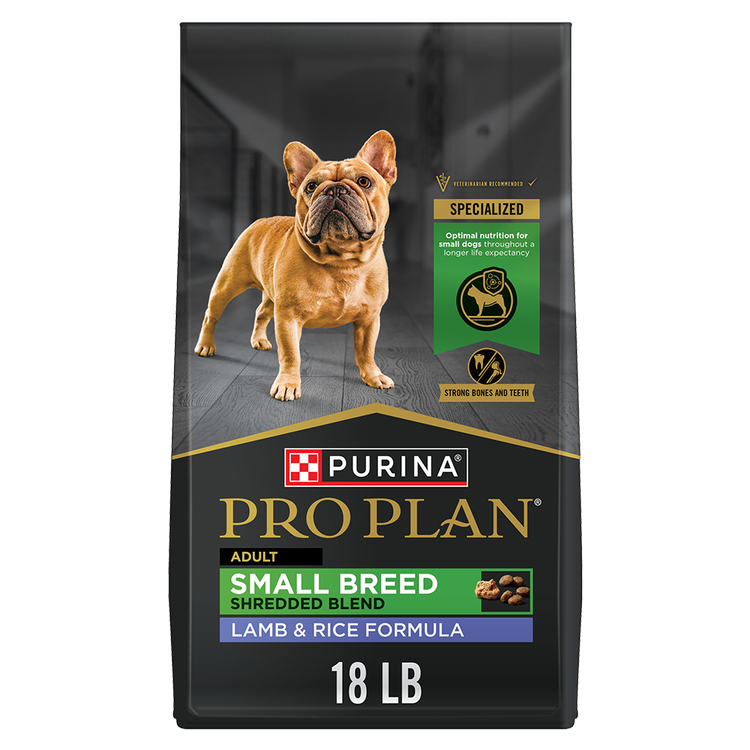
Feeding your 20-pound dog the right amount of kibble is crucial, but many pet owners unknowingly make mistakes that affect their dog’s health. These common feeding errors can lead to serious problems, from weight issues to nutrient deficiencies. Understanding these pitfalls helps you provide the best care and keep your furry friend happy and healthy.
Overfeeding Risks
Giving too much kibble can quickly lead to obesity in your dog. Excess weight strains their joints and can cause diabetes or heart problems. Have you noticed your dog gaining weight despite regular exercise? It might be time to rethink portion sizes.
Overfeeding often happens because owners mistake begging behavior for hunger. Your dog may want more food, but that doesn’t mean they need it. Try measuring meals with a kitchen scale or using a feeding chart to avoid guessing.
- Obesity increases the risk of arthritis and reduces lifespan.
- Extra calories can cause digestive upset and discomfort.
- Overfeeding wastes food and money.
Underfeeding Consequences
On the other hand, feeding too little kibble can leave your dog weak and malnourished. Dogs need enough calories to maintain energy, healthy skin, and a shiny coat. Have you seen your dog lose weight or seem tired? Underfeeding might be the cause.
Some owners restrict food to prevent obesity but go too far, especially if the dog is active or growing. Make sure your dog’s diet matches their lifestyle and health needs. Regular vet check-ups can help you adjust feeding amounts safely.
- Insufficient food can lead to muscle loss and poor immune function.
- Underfeeding may cause behavioral issues like irritability or excessive barking.
- Too few nutrients stunt development in puppies and young dogs.
Credit: www.purina.com
Monitoring Your Dog’s Weight
Keeping an eye on your dog’s weight is key to their health. A steady weight shows they are eating the right amount of kibble. Changes in weight can signal health issues or diet problems. Regular monitoring helps you adjust feeding amounts before problems start.
Signs Of Healthy Weight
- Ribs can be felt but not seen.
- Waist is visible when viewed from above.
- Abdomen tucks up when seen from the side.
- Dog moves easily without stiffness.
- Energy levels are normal and steady.
When To Consult A Veterinarian
- Sudden weight loss or gain occurs.
- Dog shows signs of lethargy or weakness.
- Eating habits suddenly change.
- Physical changes like swelling or lumps appear.
- Breathing or walking becomes difficult.
Frequently Asked Questions
How Much Kibble Should A 20 Pound Dog Eat?
A 20 pound dog typically needs around 1 to 1. 5 cups of kibble daily. The exact amount depends on the dog’s age, activity level, and the kibble’s calorie content. Always consult your veterinarian for personalized recommendations based on your pet’s specific needs.
How Do I Measure Kibble For My Dog?
To measure kibble, use a standard measuring cup for accuracy. Ensure you’re using the same brand and type of kibble, as calorie content can vary. Consistent measurement helps maintain your dog’s weight and health. Adjust portions based on activity level and age.
How Often Should I Feed My 20 Pound Dog?
It’s best to feed a 20 pound dog twice a day. This helps maintain energy levels and prevents overeating. Divide the daily kibble amount into two equal portions. Puppies and active dogs may benefit from more frequent meals.
What Factors Affect Kibble Amount For Dogs?
Several factors affect the kibble amount for dogs, including age, activity level, metabolism, and health conditions. Puppies and active dogs often need more calories. Senior dogs may require fewer. Always consider the specific nutritional needs of your dog.
Conclusion
Feeding a 20-pound dog the right amount of kibble keeps them healthy. Watch your dog’s weight and energy to adjust food as needed. Always check the kibble package for feeding guidelines. Fresh water is important with every meal. Regular vet visits help track your dog’s nutrition and health.
Feeding the correct amount supports a happy, active dog. Simple steps make caring for your dog easier every day.

Emily Barker is the founder of ChillDogLife.com, a space dedicated to helping pup parents discover the best dog products, lifestyle tips, and cozy ideas for happier homes.
A lifelong dog lover, Emily combines her passion for pets with a knack for research to share trusted recommendations on everything from toys and furniture to health and everyday care.
Her goal is simple: to make life easier, stylish, and more joyful for dogs and the people who love them.




