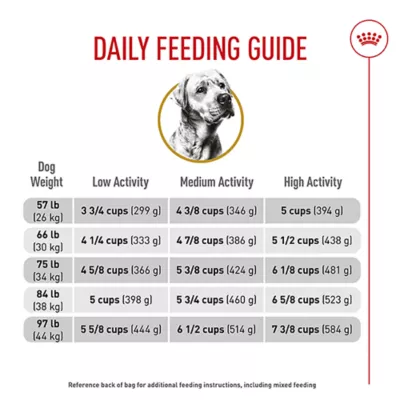
Are you wondering just how much food your 45 lb adult dog really needs? Feeding your furry friend the right amount is crucial for their health and happiness.
Too much or too little can lead to health issues and an unhappy pet. By understanding your dog’s dietary needs, you can ensure they receive balanced nutrition without the guesswork. We’ll dive into the specifics of how much to feed your 45 lb dog, taking into account their age, activity level, and overall health.
Stick around to discover simple tips that will make meal times a breeze and keep your loyal companion thriving.
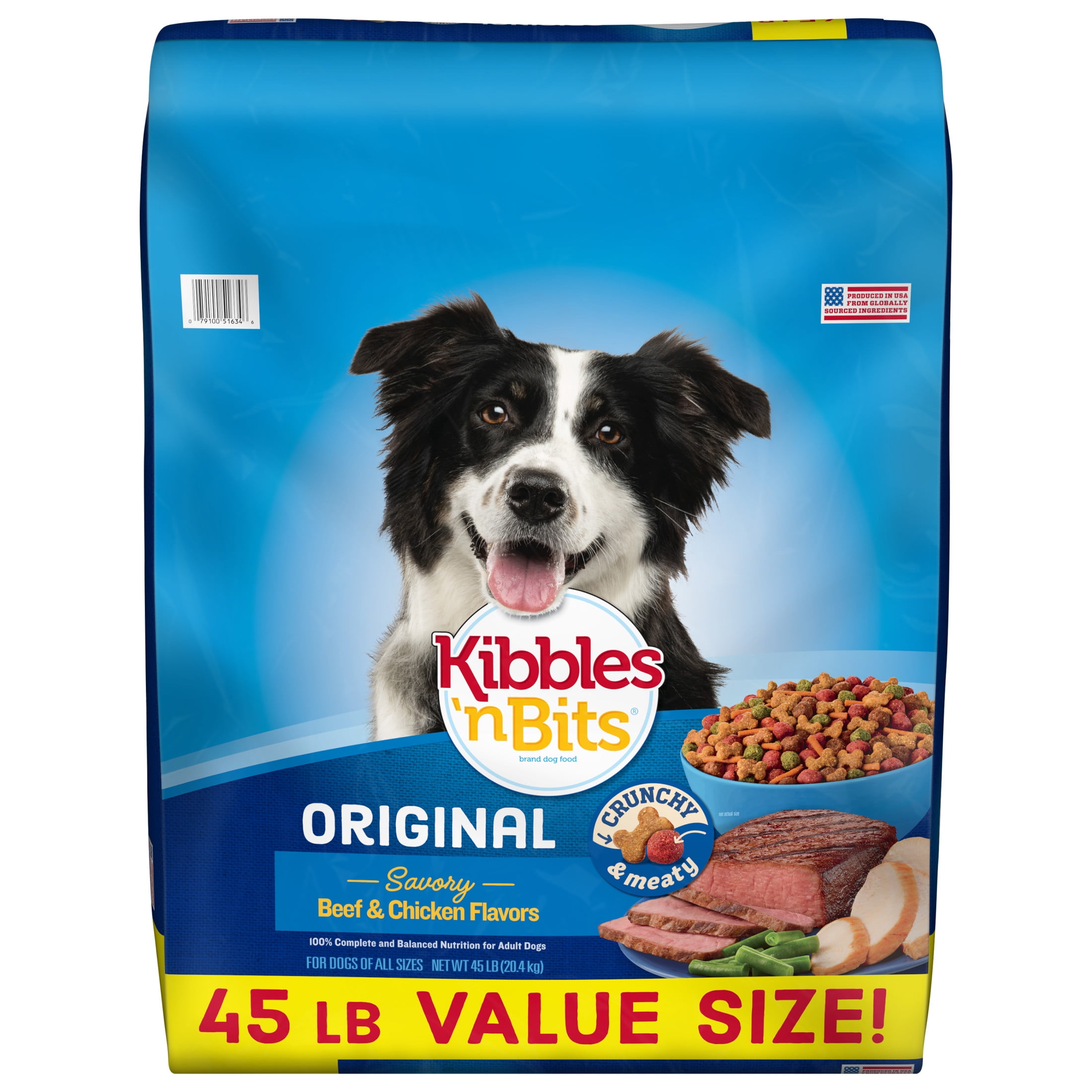
Credit: www.walmart.com
Daily Calorie Needs
Knowing how much food to give your 45 lb adult dog helps keep them healthy. Dogs need a certain amount of calories every day. These calories give them energy for daily activities and body functions.
The daily calorie needs vary based on many factors. It is important to understand these factors to feed your dog the right amount.
Factors Affecting Calorie Requirements
Several factors change how many calories your dog needs daily. These factors include:
- Activity level: Active dogs burn more calories than less active ones.
- Age: Puppies and young adults need more calories than older dogs.
- Health: Illness or weight issues can affect calorie needs.
- Breed and size: Larger breeds have different energy needs than smaller breeds.
- Spaying or neutering: This can lower a dog’s calorie requirements.
Calculating Maintenance Calories
Maintenance calories keep your dog at a healthy weight. You can estimate this using your dog’s weight.
| Dog Weight (lbs) | Calories per Day |
|---|---|
| 45 | 850 – 950 |
This range fits most 45 lb adult dogs with normal activity. Adjust calories based on your dog’s lifestyle and health.
Types Of Dog Food
Choosing the right food for a 45 lb adult dog is important. Different types of dog food offer various benefits and nutrients.
Understanding the main types of dog food helps you decide what fits your dog’s needs and lifestyle best.
Dry Kibble
Dry kibble is the most common dog food. It is easy to store and has a long shelf life.
Kibble helps keep your dog’s teeth clean by reducing plaque and tartar buildup. It usually contains balanced nutrients for adult dogs.
- Affordable and convenient
- Variety of flavors and formulas
- Good for dental health
- Easy to measure for portion control
Wet Food
Wet food has higher moisture content than dry kibble. It is soft and easy to eat, especially for dogs with dental issues.
Wet food often smells stronger and can be more appealing to picky eaters. It usually contains fewer preservatives.
- Good hydration source
- More palatable for some dogs
- Can be mixed with dry food
- Shorter shelf life after opening
Raw And Homemade Diets
Raw and homemade diets include fresh meat, vegetables, and grains prepared at home. These diets allow full control over ingredients.
They need careful planning to meet all nutritional needs. Many dog owners choose this for a natural feeding approach.
- Fresh ingredients with no additives
- Can be tailored to dog’s allergies
- Requires time and effort to prepare
- Consult a vet for balanced nutrition
Portion Sizes By Food Type
Feeding a 45 lb adult dog the right amount of food is important. Different food types need different portion sizes.
Understanding portion sizes helps keep your dog healthy and happy. Here are recommendations for kibble, wet food, and raw diets.
Kibble Portion Recommendations
Kibble is dry dog food that is easy to measure. The amount depends on the brand and calories per cup.
A 45 lb dog usually needs about 2.5 to 3.5 cups of kibble daily. Split the food into two meals for best digestion.
- Check your kibble bag for calorie info
- Adjust portions based on activity level
- Use a measuring cup for accuracy
Wet Food Feeding Amounts
Wet dog food contains more moisture and fewer calories per ounce. Your dog will need a larger portion than kibble.
For a 45 lb dog, feed about 20 to 30 ounces of wet food daily. Divide the food into two or three meals.
- Look at the can label for calories per serving
- Mix wet food with kibble if desired
- Store opened cans in the fridge
Raw Diet Portions
A raw diet usually includes meat, bones, and organs. Portion size is based on the dog’s weight and energy needs.
Feed about 2% to 3% of the dog’s body weight daily. For a 45 lb dog, that means 0.9 to 1.35 pounds of raw food per day.
- Include muscle meat, organs, and bone
- Offer meals twice daily
- Consult a vet for balanced raw diets
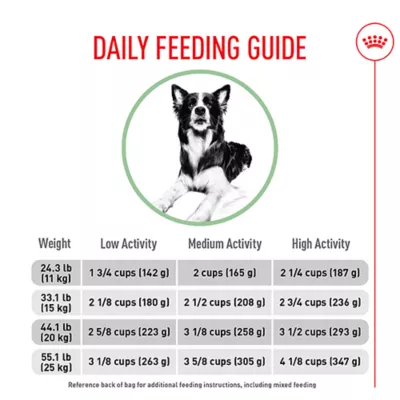
Credit: www.petsmart.com
Feeding Frequency And Schedule
Feeding a 45-pound adult dog needs a clear schedule. Regular meal times help keep your dog healthy and happy.
Understanding how often to feed your dog and adjusting portions over time is important. This guide explains the best feeding times and portion changes.
Puppy Vs Adult Feeding Times
Puppies need more frequent meals than adult dogs. Their smaller stomachs require smaller, regular portions throughout the day.
Adult dogs usually eat less often but in larger amounts. Feeding them twice a day works well for most dogs.
- Puppies: 3 to 4 meals daily
- Adult dogs: 2 meals daily
Adjusting Portions Over Time
Portion sizes change as your dog grows or changes activity levels. Watch your dog’s weight and energy to adjust food amounts.
Feed less if your dog gains too much weight. Increase portions if your dog is very active or losing weight.
- Check weight monthly
- Adjust food by small amounts
- Keep fresh water available
- Consult your vet for advice
Monitoring Weight And Health
Feeding a 45 lb adult dog the right amount of food is important for good health. Watch your dog’s weight and signs to keep them healthy.
Regular checks help you know if your dog needs more or less food. This guide helps you spot signs and adjust feeding.
Signs Of Overfeeding
Overfeeding can cause your dog to gain too much weight. Watch for these signs to keep your dog safe.
- Weight gain over a short time
- Difficulty feeling ribs or waist
- Less energy or slower movement
- Increased panting or breathing problems
- More frequent sleep and less play
Signs Of Underfeeding
Feeding too little food can hurt your dog’s health. Look for these warning signs to adjust food amount.
- Weight loss over a few weeks
- Visible ribs and spine
- Low energy and weakness
- Dry or dull coat
- Increased hunger or begging
Adjusting Food Intake
Change your dog’s food amount based on weight and health. Use this table to guide feeding adjustments.
| Condition | Adjustment | Notes |
|---|---|---|
| Weight gain | Reduce daily food by 10-15% | Check weight every 2 weeks |
| Weight loss | Increase daily food by 10-15% | Ensure food is nutritious |
| Stable weight | Keep current food amount | Monitor monthly |
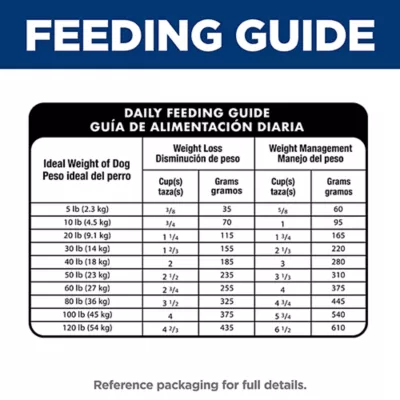
Credit: www.petsmart.com
Special Considerations
Feeding a 45 lb adult dog requires more than just measuring food portions. Some factors affect how much food your dog needs each day.
Knowing these special considerations helps keep your dog healthy and happy.
Active Vs Sedentary Dogs
Active dogs burn more calories and need more food to maintain their energy. Sedentary dogs need less food to avoid weight gain.
Adjust food amounts based on your dog’s daily activity level. This helps keep their weight steady.
- Active dogs: increase food by 10-20%
- Sedentary dogs: reduce food by 10-15%
- Watch your dog’s weight and adjust as needed
Age And Health Conditions
Older dogs usually need fewer calories because they move less. Puppies and young adults need more food for growth and energy.
Health problems like diabetes, kidney issues, or allergies may require special diets. Your vet can guide you on the right food amount.
- Senior dogs: reduce calories to prevent weight gain
- Puppies: feed more for proper growth
- Health issues: follow vet’s advice for diet changes
Supplements And Treats
Supplements can add nutrients but also extra calories. Treats should be given in moderation to avoid weight problems.
Count treats as part of your dog’s daily food to keep calorie intake balanced.
- Use supplements only if recommended by a vet
- Limit treats to 10% of daily calories
- Choose healthy treats with low calories
Frequently Asked Questions
How Much Food Should A 45 Lb Dog Eat Daily?
A 45 lb adult dog typically needs 1. 5 to 2. 5 cups of dry food daily. This depends on activity level and food type. Always check the dog food packaging for specific feeding guidelines.
What Factors Affect Food Quantity For A 45 Lb Dog?
Activity level, age, metabolism, and health impact food needs. More active dogs require more calories. Consult your vet for personalized feeding advice.
How Often Should I Feed My 45 Lb Adult Dog?
Feeding twice daily is ideal for adult dogs. Split the daily portion into two meals. This helps maintain energy levels and digestion.
Can Treats Be Included In My Dog’s Daily Food Amount?
Yes, but treats should not exceed 10% of daily calories. Balance treats within the total food intake to avoid weight gain.
Conclusion
Feeding a 45 lb adult dog takes care and attention. The right amount keeps your dog healthy and happy. Watch your dog’s weight and energy to adjust food. Quality food and regular meals work best. Always provide fresh water alongside meals.
Remember, each dog is different, so be patient. Talk to your vet for specific advice. Feeding well means a longer, better life for your dog. Small changes can make a big difference. Keep your dog’s needs in mind every day.

Emily Barker is the founder of ChillDogLife.com, a space dedicated to helping pup parents discover the best dog products, lifestyle tips, and cozy ideas for happier homes.
A lifelong dog lover, Emily combines her passion for pets with a knack for research to share trusted recommendations on everything from toys and furniture to health and everyday care.
Her goal is simple: to make life easier, stylish, and more joyful for dogs and the people who love them.




