Are you wondering if your dog is getting the right amount of calcium? Calcium is crucial for your dog’s bones, teeth, and overall health.
But too little or too much can cause serious problems. You want to make sure your furry friend stays strong and happy, right? You’ll discover exactly how much calcium your dog needs and how to provide it safely. Keep reading to learn the simple steps that can make a big difference in your dog’s wellbeing.
Calcium’s Role In Dog Health
Calcium plays a vital role in a dog’s overall health. This essential mineral supports many body functions. A balanced calcium level helps keep your dog strong and active. Understanding calcium’s impact can guide you in providing the right diet.
Bone Strength And Growth
Calcium is crucial for building strong bones. Puppies need calcium for healthy growth and bone development. Adult dogs maintain bone density with calcium. Without enough calcium, bones become weak and brittle. Proper calcium intake supports healing from fractures.
Muscle And Nerve Function
Calcium helps muscles contract and relax properly. It allows nerves to send signals throughout the body. This mineral ensures smooth muscle movements. Low calcium can cause muscle cramps or twitching. It also supports heart muscle function.
Blood Clotting And Metabolism
Calcium aids in blood clotting to stop bleeding. It activates proteins needed for the clotting process. Calcium supports many enzyme reactions in metabolism. It helps convert food into energy. Adequate calcium keeps your dog’s body running well.

Credit: www.houndsy.com
Daily Calcium Requirements
Calcium plays a vital role in a dog’s health. It supports strong bones, teeth, and muscle function. Dogs need a steady supply of calcium every day. The amount depends on several factors like age, size, and breed. Knowing these needs helps keep your dog healthy and active.
Puppies Vs Adult Dogs
Puppies require more calcium than adult dogs. Their bones grow quickly and need extra support. Too little calcium can cause weak bones or growth problems. Adult dogs need calcium to maintain bone strength and prevent fractures. Overfeeding calcium to adults can cause health issues too.
Breed And Size Considerations
Large breeds have different calcium needs than small breeds. Big dogs grow slower but need more calcium overall. Small breeds grow fast but need less calcium. Each breed’s metabolism affects how calcium is absorbed. Feeding the right amount is key to avoid bone problems.
Life Stage Variations
Calcium needs change during different life stages. Pregnant or nursing dogs require more calcium. Active dogs might need extra calcium to support muscle function. Senior dogs need calcium to keep bones strong and reduce arthritis risk. Adjust calcium intake based on your dog’s current life stage.
Sources Of Calcium For Dogs
Calcium is essential for dogs’ bone health and muscle function. Dogs get calcium from various sources. Choosing the right source helps maintain their health and energy. Here are common calcium sources for dogs.
Commercial Dog Foods
Many commercial dog foods contain balanced calcium levels. They meet nutritional standards set by experts. Look for brands with clear calcium content on labels. Dry kibble and canned foods often have added calcium. These foods provide convenience and consistent nutrition.
Natural Food Options
Natural foods can supply calcium too. Cooked bones, like chicken or beef, are rich in calcium. Dairy products such as yogurt and cheese also help. Leafy greens like kale and spinach offer plant-based calcium. These options add variety and natural nutrients to your dog’s diet.
Supplements And Their Use
Supplements help if dietary calcium is low. Calcium carbonate and calcium citrate are common types. Use supplements only after consulting a vet. Over-supplementing can cause health problems. Proper dosage ensures safe and effective calcium intake for your dog.

Credit: www.petmd.com
Signs Of Calcium Deficiency
Recognizing the signs of calcium deficiency in your dog is crucial for maintaining their health. Calcium plays a vital role in bone strength, muscle function, and nerve signaling. Missing these warning signs early can lead to serious problems down the road.
Behavioral Changes
Dogs with low calcium levels may suddenly become restless or irritable. You might notice your pet pacing more than usual or showing signs of anxiety. Sometimes, they may even seem lethargic or unusually tired, avoiding playtime or walks.
Have you seen your dog acting out of character without an obvious cause? Changes like these often point to internal discomfort linked to calcium imbalance.
Physical Symptoms
Physical signs of calcium deficiency can be more obvious. Watch for muscle tremors or spasms, which indicate nerve and muscle problems. Your dog might also experience weak or brittle bones, leading to fractures or difficulty walking.
Other symptoms include stiff limbs, dental issues like loose teeth, and slow healing of wounds. These signs are your dog’s way of signaling that something is wrong internally.
Long-term Health Risks
Ignoring calcium deficiency can cause lasting damage. Prolonged lack of calcium weakens bones, increasing the risk of osteoporosis and fractures. It can also lead to dental disease, affecting your dog’s ability to eat comfortably.
Severe deficiency may cause seizures or heart problems due to disrupted nerve and muscle function. Would you want to wait for these serious issues to arise before checking your dog’s diet?
Risks Of Excess Calcium
Giving dogs too much calcium can cause serious health issues. Excess calcium disrupts the body’s natural balance. It affects bones, kidneys, and other organs. Dogs need the right calcium amount for strong bones and teeth. Too much can lead to complications that reduce their quality of life.
Health Complications
High calcium levels cause bone problems like abnormal growth. Puppies are especially at risk of skeletal deformities. Excess calcium can also lead to kidney stones. These stones cause pain and block urine flow. Calcium buildup may cause constipation and digestive troubles. Long-term overload strains the heart and other organs.
Symptoms To Watch For
Watch your dog for these signs of excess calcium:
- Joint stiffness or limping
- Weakness or fatigue
- Frequent urination or difficulty urinating
- Loss of appetite
- Constipation or abnormal stools
- Swelling in limbs or abdomen
Early detection helps prevent severe damage. Consult a vet if you notice these symptoms.
Balancing Calcium Intake
Balance is key to healthy calcium levels. Feed a diet that matches your dog’s age and size. Avoid giving extra supplements without vet advice. Natural sources like bone-in meat provide calcium safely. Monitor your dog’s health and adjust diet as needed. Regular checkups help catch imbalances early.
Tips For Maintaining Proper Calcium Levels
Maintaining proper calcium levels in your dog’s diet is essential for strong bones, teeth, and overall health. Too little calcium can lead to weak bones, while too much can cause serious health issues. Paying close attention to how you manage your dog’s calcium intake helps keep them active and happy.
Feeding Guidelines
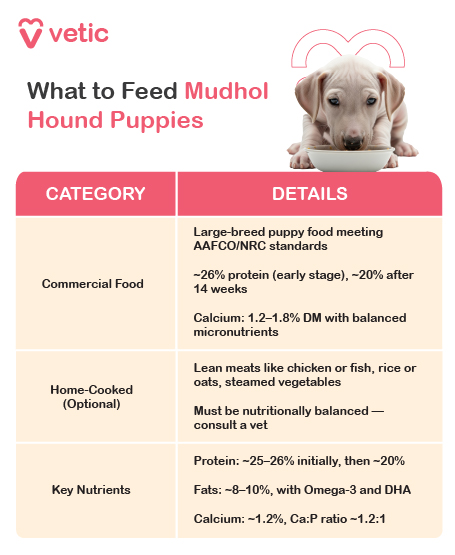
Make sure your dog’s food contains the right amount of calcium based on their size, age, and breed. Puppies and large breeds often need more calcium to support rapid growth. Check pet food labels or ask your vet about the ideal calcium content for your dog’s specific needs.
Adding calcium-rich treats like cottage cheese or yogurt can be helpful, but avoid overdoing it. Too much calcium can cause kidney problems or skeletal issues. Always balance calcium sources with other nutrients to keep your dog’s diet well-rounded.
Regular Vet Checkups
Regular vet visits are crucial for monitoring your dog’s calcium levels. Your vet can perform blood tests or other exams to spot any imbalances early. Catching calcium issues before symptoms appear can save your dog from discomfort and more serious health problems.
Don’t hesitate to discuss your dog’s diet and calcium intake during these visits. Your vet can tailor recommendations as your dog grows or if health conditions arise. How often you visit might change based on your dog’s age or specific health concerns.
Adjusting Diet According To Needs
Every dog’s calcium needs can change over time. For example, pregnant or nursing dogs require more calcium to support their puppies. Older dogs might need adjustments to prevent bone loss or joint issues.
Watch for signs like lethargy, weak bones, or unusual behavior, which might indicate calcium problems. If you notice any, consider tweaking their diet or consulting your vet. Staying flexible and attentive helps you keep calcium levels just right for your dog’s current stage of life.

Credit: ebarf.com
Frequently Asked Questions
How Much Calcium Do Dogs Need Daily?
Dogs need around 50 to 90 mg of calcium per kilogram of body weight daily. The exact amount varies based on age, size, and health. Puppies and lactating females may require more due to growth and milk production. Always consult a veterinarian for specific dietary needs for your dog.
Can Too Much Calcium Harm My Dog?
Yes, excess calcium can harm dogs. It may lead to skeletal problems, kidney issues, and urinary tract stones. Puppies are particularly susceptible to developmental disorders from high calcium intake. Always balance calcium with other nutrients and consult a vet for guidance.
What Are Natural Calcium Sources For Dogs?
Natural calcium sources for dogs include dairy products, fish, and leafy greens. Bone meal and crushed eggshells are also good options. Ensure the sources are safe and appropriate for dogs. Always balance with other nutrients and consult a veterinarian before making dietary changes.
How To Know If My Dog Lacks Calcium?
Signs of calcium deficiency in dogs include weak bones, muscle tremors, and lethargy. Puppies may exhibit stunted growth and deformities. Regular vet check-ups and a balanced diet can help detect and prevent deficiencies. Consult a veterinarian for specific dietary recommendations if you notice any symptoms.
Conclusion
Calcium is key for your dog’s strong bones and teeth. Dogs need the right amount every day. Too little or too much can cause problems. Puppy needs differ from adult dogs. Always check with your vet about calcium doses. Feeding balanced food helps keep calcium levels right.
Healthy dogs stay active and happy. Simple care makes a big difference. Keep calcium in mind for your dog’s health.

Emily Barker is the founder of ChillDogLife.com, a space dedicated to helping pup parents discover the best dog products, lifestyle tips, and cozy ideas for happier homes.
A lifelong dog lover, Emily combines her passion for pets with a knack for research to share trusted recommendations on everything from toys and furniture to health and everyday care.
Her goal is simple: to make life easier, stylish, and more joyful for dogs and the people who love them.




