
If your dog has been diagnosed with diabetes, you’re probably wondering how long they will live and what to expect. It’s natural to worry about your furry friend’s future, but understanding the facts can give you hope and help you take the best care possible.
You’ll discover what affects a diabetic dog’s lifespan, what signs to watch for, and practical steps you can take to keep your dog healthy and happy for years to come. Keep reading—you owe it to your loyal companion to know the truth and feel confident in managing their condition.

Credit: www.petscare.com
Diabetes In Dogs: Key Facts
Understanding diabetes in dogs is crucial if your furry friend has been diagnosed or if you want to spot early signs. This condition affects many dogs and knowing the key facts can help you manage their health better. Let’s break down the causes, symptoms, and types to give you a clear picture.
Causes Of Canine Diabetes
Diabetes in dogs usually happens when the body can’t produce enough insulin or use it properly. Insulin is a hormone that helps regulate blood sugar levels. Factors like genetics, obesity, and age often play a big role.
Some breeds, like Samoyeds and Miniature Schnauzers, seem more prone to diabetes. Also, dogs that are overweight or have other health problems, such as pancreatitis, face higher risks. Have you noticed any sudden weight changes or unusual behavior in your dog lately?
Common Symptoms To Watch For
Recognizing symptoms early can make a huge difference in managing your dog’s diabetes. Look for increased thirst, frequent urination, and sudden weight loss despite a good appetite. These signs often point to high blood sugar levels.
Other symptoms include lethargy, cloudy eyes, and recurring infections. If your dog shows any of these, getting a vet checkup sooner rather than later is important. How often do you monitor your dog’s drinking and bathroom habits?
Types Of Diabetes In Dogs
There are mainly two types of diabetes in dogs: insulin-dependent and non-insulin-dependent. Most dogs suffer from insulin-dependent diabetes, meaning they need insulin injections to survive. This type is similar to Type 1 diabetes in humans.
Non-insulin-dependent diabetes is less common and sometimes linked to other conditions like Cushing’s disease. Understanding which type your dog has helps you follow the right treatment plan. Have you discussed these options with your vet to ensure the best care?

Credit: www.urbanpethospital.com
Impact Of Diabetes On Dog Lifespan
Diabetes can change how long a dog lives. This illness affects many parts of the body. It needs careful management to keep dogs healthy. Understanding the impact helps owners prepare and care better. The lifespan varies a lot among diabetic dogs.
Average Lifespan With Diabetes
Dogs with diabetes often live 2 to 5 years after diagnosis. Some dogs live even longer with good care. Early diagnosis and treatment help dogs live more normal lives. Untreated diabetes usually shortens a dog’s life significantly.
Factors Influencing Longevity
- Age at diagnosis: Younger dogs may live longer with diabetes.
- Type of diabetes: Some forms are easier to manage.
- Quality of care: Regular insulin and diet control are crucial.
- Owner’s commitment: Consistency in treatment improves lifespan.
- Overall health: Other diseases can affect survival time.
Complications That Shorten Life
- Ketoacidosis: A dangerous condition from high blood sugar.
- Eye problems: Cataracts and blindness can occur quickly.
- Kidney disease: Common in diabetic dogs and reduces lifespan.
- Urinary tract infections: Frequent infections weaken the dog’s health.
- Nerve damage: Leads to mobility issues and pain.
Managing Diabetes To Extend Life
Managing your dog’s diabetes well can make a big difference in how long they live and how good they feel every day. It’s not just about giving insulin but also about watching their diet and keeping them active. Small changes in these areas can help your dog stay healthier and happier for longer.
Insulin Treatment And Dosage
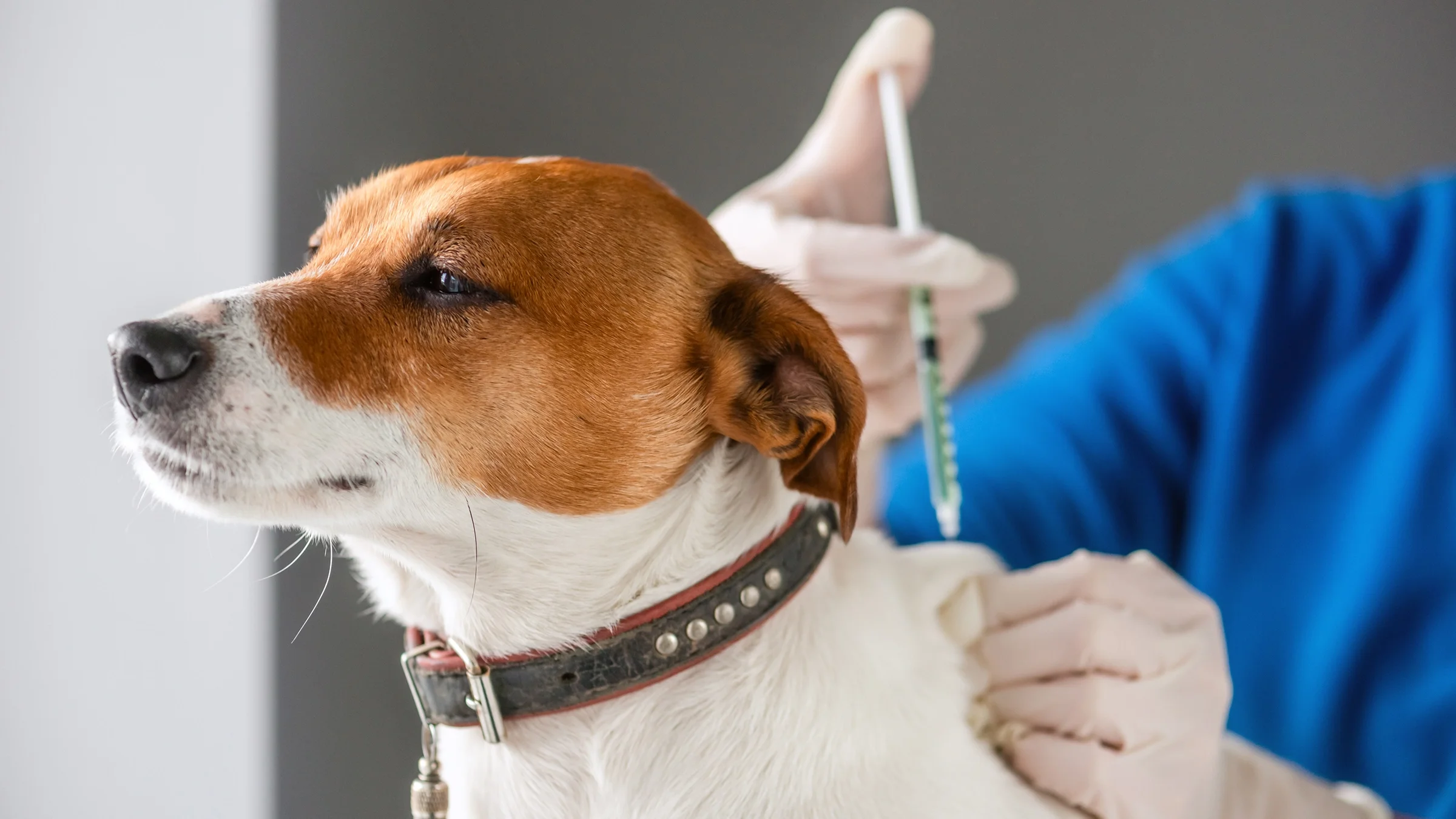
Giving the right amount of insulin is key to controlling your dog’s blood sugar levels. Your vet will help you find the correct dosage, but it may take some time to get it just right.
Be consistent with the timing of injections—dogs thrive on routine. Watch for signs of low blood sugar, like weakness or shaking, and keep sugary treats handy just in case.
Diet And Nutrition Tips
A balanced diet helps keep your dog’s blood sugar steady. Focus on high-fiber, low-fat foods that digest slowly and avoid sugary snacks that cause spikes.
- Feed your dog at the same times every day.
- Ask your vet about special diabetic dog foods or homemade meal plans.
- Keep treats healthy and in moderation to prevent weight gain.
Have you noticed how some dogs respond better to certain foods? Paying attention to your dog’s preferences can make meal times easier and more effective.
Exercise And Activity Role
Regular exercise helps your dog use insulin more effectively and keeps their weight in check. Even a daily walk can make a big difference.
Be mindful of your dog’s energy levels and avoid overexertion, especially if they are older or have other health issues.
What activities does your dog enjoy? Tailoring exercise to their likes can keep them motivated and improve their overall well-being.
Credit: www.goodrx.com
Monitoring And Care Practices
Keeping a diabetic dog healthy takes careful monitoring and dedicated care. You need to stay alert to changes in your pet’s condition and be proactive about managing their diabetes. These practices can significantly affect how long your dog lives with this condition.
Blood Sugar Tracking Methods
Tracking your dog’s blood sugar levels regularly is essential. You can use a glucometer designed for pets or send samples to your vet for lab testing. Some pet owners find continuous glucose monitors helpful, as they provide ongoing data without constant pricks.
Keep a log of readings, noting times and any unusual behavior. This helps identify patterns and adjust insulin doses accurately. Have you noticed how small fluctuations can impact your dog’s mood or energy? Monitoring closely lets you respond quickly.
Recognizing Emergency Signs
Knowing when your dog is in danger can save their life. Watch for symptoms like excessive weakness, trembling, seizures, or sudden collapse. These signs might indicate hypoglycemia (low blood sugar), which requires immediate attention.
Other emergencies include diabetic ketoacidosis, marked by heavy panting, vomiting, or confusion. Familiarize yourself with these signs so you can act fast and call your vet or head to an emergency clinic without delay.
Regular Veterinary Checkups
Routine vet visits are crucial for managing diabetes effectively. Your vet will check your dog’s overall health, adjust insulin doses, and test for complications like kidney or eye problems. These appointments also give you a chance to ask questions and update your care plan.
Think of vet visits as checkpoints that help keep your dog’s diabetes on track. Missing them could mean missing important changes in your pet’s health. How often do you schedule these visits, and do you prepare questions beforehand to make the most of them?
Quality Of Life For Diabetic Dogs
Managing diabetes in dogs is more than just monitoring blood sugar levels; it’s about maintaining a good quality of life. How your dog feels day-to-day plays a huge role in their overall health and happiness. Understanding and addressing the changes your diabetic dog experiences can help you provide the best care possible.
Behavioral Changes And Adaptations
Diabetic dogs may show changes in behavior such as increased thirst, frequent urination, or lethargy. You might notice your dog becoming less playful or more tired after activities they once enjoyed. These shifts are signals that their body is adjusting to the condition and treatment.
To support these changes, try adjusting your dog’s routine gently. Shorter, more frequent walks can keep them active without overexertion. Also, observe how your dog reacts to insulin shots and meals; some dogs become anxious, so creating a calm environment can make a big difference.
Pain And Discomfort Management
While diabetes itself might not cause pain, complications like nerve damage or infections can lead to discomfort. Watch for signs like limping, restlessness, or sensitivity to touch. Early detection is key to managing pain effectively.
Regular vet visits are essential to catch these issues early. You can also ask your vet about safe pain relief options specifically tailored for diabetic dogs. Simple adjustments like soft bedding or avoiding hard surfaces can help ease discomfort.
Emotional Support For Pets
Your dog relies on you not just for physical care but emotional comfort too. Diabetes treatment routines can be stressful, and your pet may pick up on your feelings. Staying calm and positive helps your dog feel secure and supported.
Spend quality time with your dog through gentle play or quiet bonding moments. This emotional support can improve their overall well-being and willingness to cooperate with treatments. Have you noticed how your mood affects your pet’s behavior during care? Paying attention to this can strengthen your bond and improve their quality of life.
Preventing Diabetes In Dogs
Preventing diabetes in dogs is key to helping your furry friend live a longer, healthier life. While some factors like genetics are out of your control, many lifestyle choices can reduce your dog’s risk. Paying attention to what and how much your dog eats, as well as regular vet visits, makes a big difference.
Healthy Weight Maintenance
Keeping your dog at a healthy weight is one of the most effective ways to prevent diabetes. Overweight dogs are much more likely to develop insulin resistance, leading to diabetes.
Regular exercise tailored to your dog’s age and breed helps burn calories and keep their metabolism strong. You don’t need to run marathons; short daily walks and playtime can work wonders.
Have you noticed your dog gaining weight? It might be time to adjust their food portions or consult your vet for a weight management plan.
Balanced Diet Choices
Your dog’s diet plays a crucial role in preventing diabetes. Feeding high-quality, nutrient-rich food with the right balance of protein, fats, and carbohydrates supports stable blood sugar levels.
Avoid giving your dog excessive treats or table scraps, especially sugary or starchy foods. These can cause spikes in blood sugar and contribute to weight gain.
Consider foods formulated specifically for dogs prone to weight issues or diabetes. These often contain lower carbohydrates and added fiber to help regulate blood sugar.
Early Detection Strategies
Spotting early signs of diabetes can save your dog from serious health problems. Watch for increased thirst, frequent urination, and sudden weight loss—even if your dog seems otherwise healthy.
Schedule regular vet checkups, especially for older dogs or breeds prone to diabetes. Blood tests can detect changes before symptoms become obvious.
Would you recognize subtle signs of diabetes in your dog? Being proactive with vet visits and monitoring can catch problems early, improving your dog’s quality of life.
Frequently Asked Questions
What Is The Life Expectancy Of A Diabetic Dog?
The life expectancy of a diabetic dog varies. With proper management, dogs can live a healthy life for many years. Regular veterinary check-ups, consistent insulin administration, and a balanced diet are essential. Factors like age, breed, and overall health can also influence longevity.
Can Diabetes Shorten A Dog’s Lifespan?
Yes, diabetes can shorten a dog’s lifespan if not managed properly. Uncontrolled diabetes may lead to complications such as cataracts and kidney disease. However, with proper care, including regular vet visits and a stable insulin regimen, many dogs live happy lives.
How Can I Improve My Diabetic Dog’s Life Quality?
To improve your diabetic dog’s life quality, maintain a consistent routine. Ensure regular vet check-ups, provide a balanced diet, and administer insulin as prescribed. Regular exercise and monitoring blood sugar levels are also crucial. Creating a stress-free environment can significantly enhance their well-being.
What Are Common Complications Of Diabetes In Dogs?
Common complications of diabetes in dogs include cataracts, urinary tract infections, and kidney disease. Proper management and regular veterinary care can help prevent these issues. Monitoring your dog’s health closely and adjusting treatment as needed can minimize risks and improve their quality of life.
Conclusion
Dogs with diabetes can live many happy years with care. Regular vet visits help catch problems early. Giving medicine and healthy food keeps blood sugar steady. Exercise also supports their health and mood. Watch your dog closely for changes in behavior or appetite.
Managing diabetes is a team effort between you and your vet. Patience and love make a big difference every day. Your dog’s life can be full and joyful despite diabetes. Stay consistent, stay hopeful, and cherish your time together.

Emily Barker is the founder of ChillDogLife.com, a space dedicated to helping pup parents discover the best dog products, lifestyle tips, and cozy ideas for happier homes.
A lifelong dog lover, Emily combines her passion for pets with a knack for research to share trusted recommendations on everything from toys and furniture to health and everyday care.
Her goal is simple: to make life easier, stylish, and more joyful for dogs and the people who love them.




