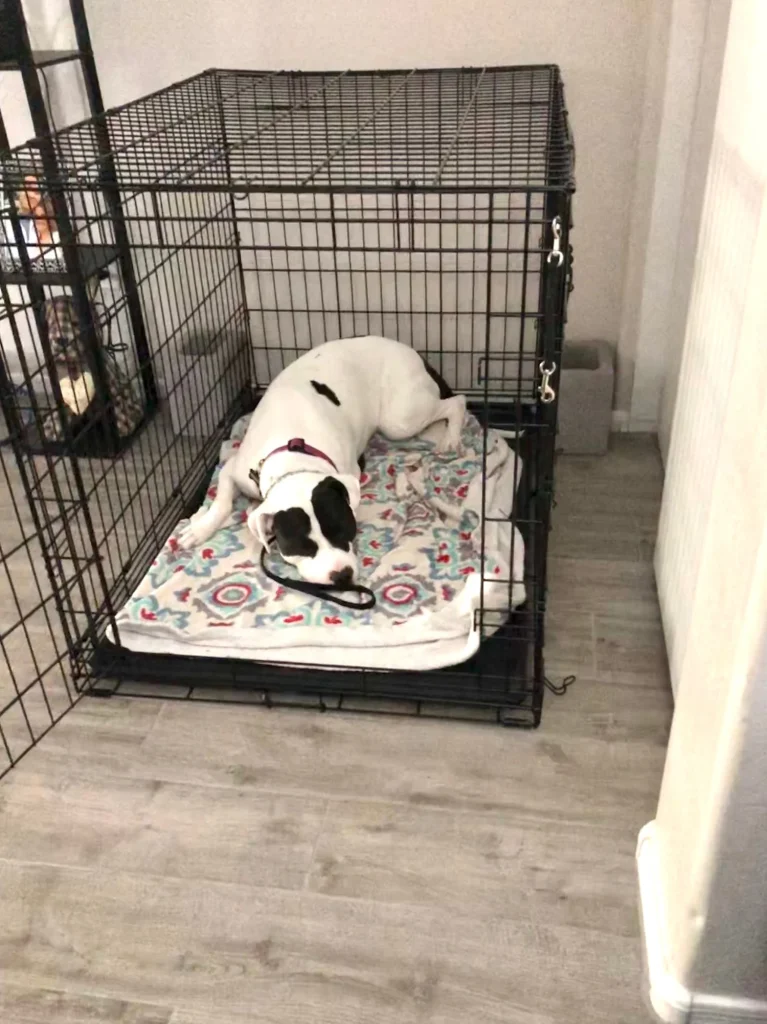
Have you ever wondered how long you can leave your dog in a kennel without causing stress or discomfort? If you’re planning a trip or just need some time away, knowing the right amount of time is crucial for your dog’s health and happiness.
Leaving your furry friend in a kennel too long can lead to anxiety, boredom, or even physical problems. But leaving them too little might not give you the peace of mind you need. You’ll discover the key factors that affect kennel time and learn how to make sure your dog stays safe and comfortable while you’re away.
Keep reading to find out what’s best for your loyal companion.
Ideal Kennel Duration
Knowing the ideal kennel duration helps keep your dog safe and happy. Dogs need time to stretch, play, and relieve themselves. Long hours in a kennel can cause stress and discomfort. Setting a proper time limit makes sure your dog stays healthy and calm.
Factors Affecting Time Limits
Several factors influence how long a dog can stay in a kennel. The dog’s daily exercise needs play a big role. Dogs who get more physical activity can handle longer kennel times. The size of the kennel also matters. A bigger kennel gives your dog more space to move. Lastly, the dog’s temperament affects kennel tolerance. Calm dogs may stay longer without trouble.
Age And Health Considerations
Puppies and senior dogs need shorter kennel times. Puppies require frequent bathroom breaks and social interaction. Older dogs may have joint pain or health issues. They need more comfort and less confinement. Dogs with health problems should not stay long in kennels. Check with a vet about safe kennel durations.
Breed Specific Needs
Different breeds have different kennel needs. High-energy breeds like Border Collies get restless quickly. They need shorter kennel stays and more exercise. Small breeds may get cold or anxious in kennels. They often need blankets and shorter confinement. Large breeds need space to lie down comfortably. Adjust kennel time based on your dog's breed traits.

Credit: www.care.com
Physical And Mental Impact
Leaving a dog in a kennel for too long can have both physical and mental impacts. Dogs are social animals that need interaction and exercise. Extended periods in a kennel can lead to stress and anxiety.
The confined space limits their movement and social interaction. This can negatively affect their well-being.
Effects Of Prolonged Kenneling
Prolonged kenneling affects a dog’s physical health. Limited space reduces exercise, leading to weight gain and muscle loss. Dogs need regular activity to stay fit and healthy.
Mental health also suffers in prolonged isolation. Without stimulation, dogs may develop depression or lethargy.
Signs Of Stress And Anxiety
Dogs in kennels may show signs of stress. Look for excessive barking, whining, or destructive behavior. These indicate discomfort or anxiety.
Some dogs pace or exhibit repetitive behaviors. This can signal stress or boredom. Recognizing these signs helps in addressing their needs.
Preventing Behavioral Issues
Prevent behavioral issues by ensuring adequate exercise. Walks and playtime help maintain physical health. Regular interaction prevents loneliness and stress.
Provide toys and puzzles for mental stimulation. These engage their minds and reduce boredom. A well-stimulated dog is less likely to develop bad habits.
Daily Care Essentials
Keeping your dog in a kennel requires more than just a safe space. Daily care essentials ensure your pet stays healthy and happy even when confined. These basics help you maintain your dog’s well-being and comfort throughout the day.
Feeding And Hydration
Providing fresh food and water is crucial every day. Dogs need regular meals at consistent times to keep their energy levels steady.
Water bowls should never be empty. If your dog spends several hours in a kennel, consider using a spill-proof water dispenser to avoid messes.
Have you noticed how your dog’s appetite changes when confined? Adjust portion sizes or feeding frequency based on their activity and stress levels.
Exercise And Playtime
Exercise is not optional—it’s essential to prevent boredom and maintain muscle tone. A dog left in a kennel too long can become restless or anxious.
Try short, frequent play sessions or walks before and after kennel time. This keeps your dog mentally and physically stimulated.
Does your dog have favorite toys? Adding those to the kennel can help them relax and feel more at home.
Bathroom Breaks
Dogs need regular bathroom breaks, ideally every few hours. Holding it too long can cause discomfort and health issues.
If you must leave your dog in a kennel for extended periods, plan bathroom stops or use puppy pads as a temporary solution.
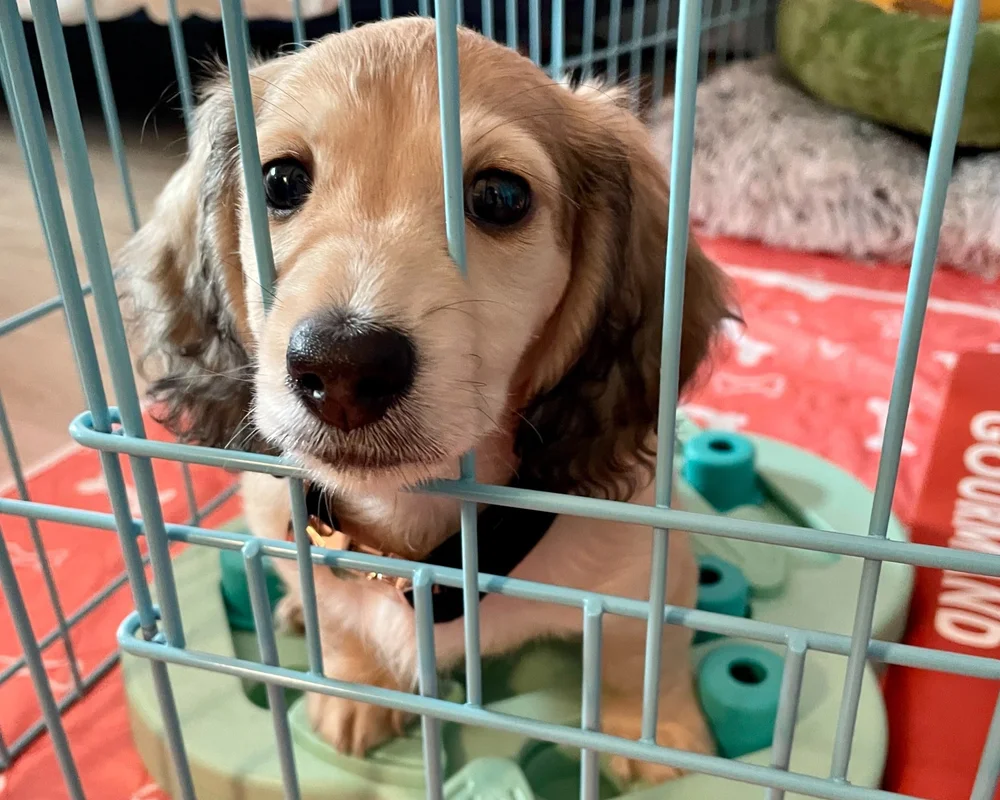
Watch for signs of distress or accidents, which indicate your dog needs more frequent breaks or a larger kennel space.
Credit: www.dogsavvylosangeles.com
Safe Kenneling Practices
Keeping a dog in a kennel requires careful planning to ensure safety and comfort. Proper kenneling practices help your dog feel secure and reduce stress. These practices prevent injury and promote good behavior. Safe kenneling involves choosing the right size, making the space comfortable, and regular monitoring.
Choosing The Right Kennel Size
Select a kennel that fits your dog well. It should be large enough to allow standing, turning, and lying down comfortably. Too small causes discomfort and stress. Too large may reduce the feeling of security. Measure your dog’s height and length before buying. Check the kennel’s dimensions carefully. Choose a kennel with solid construction and good ventilation.
Comfort And Safety Tips
- Use soft bedding to cushion the floor.
- Keep water available at all times.
- Place the kennel in a quiet, draft-free area.
- Remove toys that could break or cause choking.
- Ensure the kennel door closes securely but easily opens.
- Keep the kennel clean to prevent odors and germs.
Monitoring Your Dog
Check on your dog regularly during kennel time. Watch for signs of distress like barking or pacing. Never leave a dog unattended for too long. Let your dog out for bathroom breaks and exercise often. Use cameras or baby monitors to stay connected. Monitoring helps catch problems early and keeps your dog safe.
Alternatives To Long Kenneling
Leaving your dog in a kennel for long periods can be tough on both of you. Fortunately, there are other ways to keep your dog happy and stimulated without relying heavily on kenneling. These alternatives help meet your dog’s social and mental needs while giving you peace of mind.
Dog Walkers And Daycare
Hiring a dog walker or enrolling your dog in daycare breaks up their day with activity and companionship. Walkers provide fresh air and exercise, which reduces stress and destructive behavior.
Daycare offers socialization with other dogs and constant supervision. It’s a good choice if your schedule keeps you away for extended hours. You might find a local service that fits your budget and your dog’s personality.
Interactive Toys And Enrichment
Interactive toys can keep your dog busy and mentally challenged during alone time. Puzzle feeders and treat-dispensing toys make your dog work for their snacks, which slows down eating and adds fun.
Try rotating toys to keep things interesting. Simple games like hiding treats around the house can turn your dog’s environment into an engaging playground. How often do you add new challenges to your dog’s routine?
Training For Alone Time
Training your dog to feel comfortable alone reduces anxiety and the need for constant supervision. Start with short periods and gradually increase the time your dog spends by themselves.
Use positive reinforcement to reward calm behavior when you leave. This process helps your dog build confidence and makes kennel time less stressful if it’s ever necessary.

Credit: islandworldflowers.com
Frequently Asked Questions
How Long Can A Dog Stay In A Kennel Safely?
A dog can safely stay in a kennel for 4 to 6 hours. Puppies and elderly dogs need shorter times. Always ensure they have water, comfort, and regular breaks to prevent stress and health issues.
What Factors Affect Kennel Time For Dogs?
Factors include the dog’s age, breed, health, and temperament. Puppies and senior dogs require shorter kennel times. Active breeds may need more frequent exercise outside the kennel for mental and physical well-being.
How To Make A Kennel Comfortable For Dogs?
Provide soft bedding, fresh water, and toys inside the kennel. Keep the space well-ventilated and quiet. Regularly clean the kennel to maintain hygiene and reduce stress for your dog.
Can Dogs Get Anxious In Kennels?
Yes, many dogs can develop anxiety if left too long. Signs include barking, whining, or destructive behavior. Gradual training and positive reinforcement help reduce kennel anxiety effectively.
Conclusion
Dogs need comfort and care when staying in kennels. Leaving a dog too long can cause stress and health issues. Short breaks with water, food, and bathroom time keep them happy. Watch your dog’s behavior to know when they need a break.
Safe and regular kennel time helps dogs feel secure and calm. Always put your pet’s well-being first. A happy dog makes a happy home.

Emily Barker is the founder of ChillDogLife.com, a space dedicated to helping pup parents discover the best dog products, lifestyle tips, and cozy ideas for happier homes.
A lifelong dog lover, Emily combines her passion for pets with a knack for research to share trusted recommendations on everything from toys and furniture to health and everyday care.
Her goal is simple: to make life easier, stylish, and more joyful for dogs and the people who love them.




