
If you’ve just vaccinated your dog against parvo, you’re probably wondering, “How long until my furry friend is really protected?” It’s a question every caring dog owner asks because you want to keep your pet safe from this dangerous virus. Understanding when the vaccine kicks in can help you make smart choices about walks, playtime, and visits to the dog park.
You’ll discover exactly how long it takes for the parvo vaccine to shield your dog—and what you can do to keep protection strong. Keep reading to learn what every dog owner needs to know.
Parvo Vaccine Basics
Understanding the basics of the parvo vaccine helps protect dogs effectively. This vaccine defends against parvovirus, a serious and contagious illness. Knowing how it works and the types available guides pet owners in keeping dogs safe.
What Is Parvovirus
Parvovirus is a virus that attacks a dog’s intestines and immune system. It spreads easily through contact with infected feces or surfaces. Puppies and unvaccinated dogs face the highest risk. The virus causes severe vomiting, diarrhea, and dehydration. Without treatment, parvovirus can be deadly.
Types Of Parvo Vaccines
Two main types of parvo vaccines exist:
- Modified Live Virus (MLV):Contains weakened virus to trigger immunity.
- Killed Virus:Uses inactivated virus, safer for some dogs.
MLV vaccines provide strong, fast protection. Killed virus vaccines may require more doses for full immunity.
How The Vaccine Works
The parvo vaccine trains a dog’s immune system to fight the virus. It introduces a safe form of the virus without causing illness. The immune system learns to recognize and destroy the virus quickly. After vaccination, dogs develop antibodies that block infection. Protection usually builds up within two weeks after the final dose.
Vaccination Schedule
Understanding the vaccination schedule is key to ensuring your dog is properly protected against parvo. The timing of shots affects how well and how long your dog stays safe. Each stage of your dog’s life requires attention to different vaccination needs.
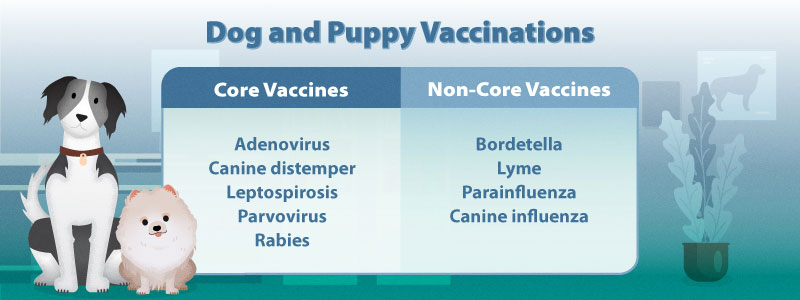
Puppy Vaccination Timeline
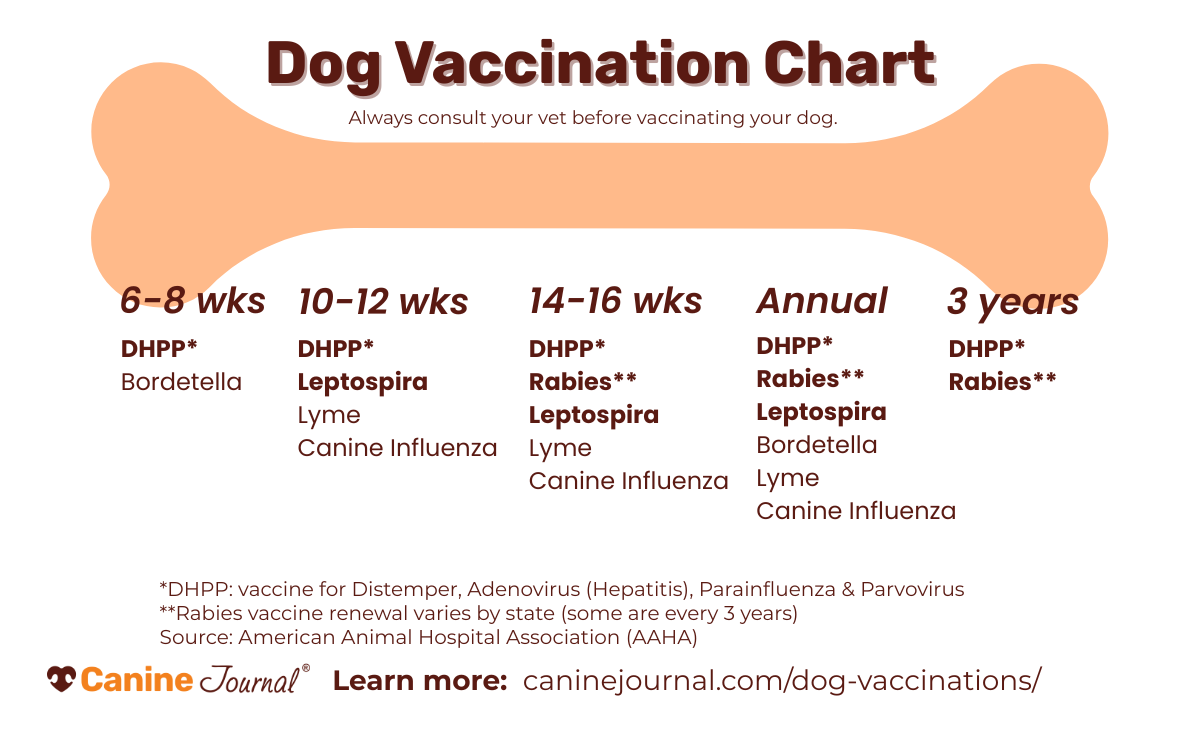
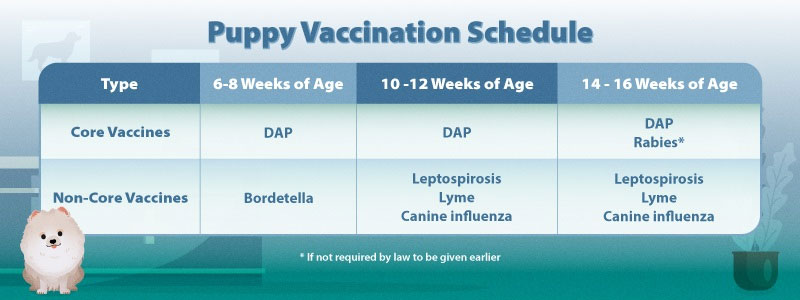
Puppies start their parvo vaccine series at around 6 to 8 weeks old. They receive a series of shots every 3 to 4 weeks until they are about 16 to 20 weeks old. This schedule helps build strong immunity as maternal antibodies fade.
Missing one of these early shots can leave your puppy vulnerable. Have you tracked each vaccination visit carefully? Keeping a record helps you stay on top of this crucial timeline.
Adult Dog Vaccination
Adult dogs who have completed their puppy series usually need fewer shots. If your dog never got vaccinated as a puppy, a vet will recommend a series of two shots spaced 3 to 4 weeks apart. This jump-starts immunity against parvo.
Even healthy adult dogs benefit from parvo vaccination, especially if they spend time around other dogs or in public places. Are you sure your adult dog’s vaccine status is current?
Booster Shots
Booster shots are essential to maintain protection after the initial series. Typically, dogs receive a parvo booster one year after the puppy shots or adult series. After that, boosters occur every 3 years or as advised by your vet.
Skipping boosters can lower your dog’s defense against parvo over time. Have you scheduled your dog’s next booster yet? Staying consistent is the best way to keep parvo at bay.
Immune Response Timeline
Understanding the immune response timeline after your dog receives the parvo vaccine is crucial. It helps you know when your furry friend starts to gain protection and how long that protection lasts. This timeline breaks down into clear phases that show how your dog’s body builds and maintains immunity.
Initial Immune Activation
Right after vaccination, your dog’s immune system begins to recognize the weakened parvovirus. This activation usually starts within a few days. During this phase, immune cells prepare to fight the virus by producing antibodies.
You might not see any immediate changes in your dog, but inside, the immune system is gearing up. This early response is essential because it lays the groundwork for stronger protection soon after.
Peak Immunity Period
Peak immunity typically occurs about 10 to 14 days after the vaccine is given. This is when your dog’s antibody levels are at their highest. At this stage, your dog is most protected against parvovirus infection.
Think of this as the time when your dog’s body is fully alert and ready to fight off the virus. If your dog encounters the parvovirus during this window, the risk of illness drops dramatically.
Duration Of Protection
Protection from the parvo vaccine doesn’t end at the peak—it lasts for several months to years depending on the vaccine type and your dog’s health. Booster shots are necessary to maintain this immunity over time. Without boosters, protection can wane and leave your dog vulnerable again.
Have you kept track of your dog’s vaccination schedule? Staying on top of boosters ensures your pet remains shielded from this serious disease.
Credit: www.carecredit.com
Factors Affecting Protection
Several factors influence how long your dog stays protected after the parvo vaccine. Protection time can vary based on these key elements. Understanding these can help ensure your dog gets the best defense against parvovirus.
Age And Health Of Dog
Puppies have a developing immune system, which affects vaccine response. Young puppies may need multiple doses for full protection. Older dogs with strong health usually respond better to vaccines. Dogs with weak immune systems might not develop full protection. Regular vet checkups help monitor your dog’s health and vaccine effectiveness.
Vaccine Type And Brand
Different vaccines use various formulations to fight parvovirus. Some brands offer stronger or longer-lasting protection. Modified live vaccines often provide quicker and more robust immunity. Inactivated vaccines may require more doses to reach full protection. Choosing the right vaccine type can impact how long your dog stays safe.
Proper Vaccine Storage And Administration
Vaccines must be stored at correct temperatures to remain effective. Improper storage can weaken the vaccine, reducing protection. The vaccine must be given by a trained professional for best results. Correct dosage and injection site matter for proper immune response. Follow your vet’s instructions carefully to ensure vaccine success.
Signs Of Effective Immunity
After a dog receives the parvo vaccine, signs of effective immunity show how well the vaccine works. These signs help determine if the dog is protected against the parvovirus. Understanding these signs can reassure pet owners about their dog’s health.
Antibody Development
The dog’s immune system creates antibodies after vaccination. These antibodies fight the parvovirus if the dog encounters it. Antibody levels rise within days to weeks post-vaccination. A strong antibody response means the vaccine is working well. Veterinarians can test these antibodies to confirm immunity.
Reduced Risk Of Infection
Dogs with effective immunity rarely get sick from parvo. The vaccine lowers the chance of severe symptoms and complications. Immune dogs recover faster if exposed to the virus. Vaccinated dogs also help prevent the spread of parvo in communities. This protection usually lasts months to years, depending on the vaccine type.
Common Myths About Parvo Vaccine
Many dog owners have questions about how quickly the parvo vaccine protects their pets and how long that protection lasts. Unfortunately, this topic is surrounded by several myths that can lead to confusion or even risky decisions. Understanding the facts behind these myths helps you keep your dog safe and healthy.
Immediate Protection Misconceptions
Some believe the moment your dog gets the parvo vaccine, they are instantly protected. This isn’t true. It usually takes a couple of weeks for your dog’s immune system to build enough defenses after vaccination.
If you’ve ever rushed your pup to the park right after vaccination thinking they’re safe, you’re not alone. I once made this mistake and learned the hard way that early exposure to places with unknown dogs can still put your puppy at risk.
During this waiting period, it’s crucial to limit your dog’s exposure to areas where the parvovirus could be present. Ask your vet about the safest timeline to introduce your dog to public spaces.
Lifelong Immunity Assumptions
Another common myth is that once vaccinated, your dog is protected against parvo forever. Unfortunately, vaccine protection can weaken over time. Immunity from the parvo vaccine generally lasts a few years but not a lifetime.
This is why booster shots are necessary. Skipping boosters can leave your dog vulnerable, especially as the virus is highly contagious and persistent in the environment.
Have you kept track of your dog’s vaccination schedule? Staying on top of boosters is one of the best ways to ensure ongoing protection against parvo.
Post-vaccination Care
After your dog receives the parvo vaccine, proper care is crucial for full protection. Post-vaccination care helps the immune system build defenses. It also reduces risks of complications or infections during this vulnerable time.
The days following the vaccine require special attention to your dog’s health and activities. Observing your dog closely and managing their environment supports a stronger immune response. This care improves the chances that the vaccine works effectively.
Monitoring For Side Effects
Watch your dog carefully for any signs of side effects. Mild reactions may include:
- Swelling or redness at the injection site
- Low energy or tiredness
- Loss of appetite
- Mild fever
These symptoms usually pass within a day or two. Contact your vet if your dog shows:
- Severe swelling or pain
- Persistent vomiting or diarrhea
- Difficulty breathing
- Signs of an allergic reaction
Limiting Exposure To Risks
Keep your dog away from places where unvaccinated dogs gather. Avoid parks, kennels, and crowded areas for at least two weeks. Your dog’s immune system is still building protection during this time.
Use a leash on walks to control contact with other animals. Clean your dog’s living space regularly. This reduces the chance of picking up harmful germs.
Limit exposure to dirt, puddles, and unknown objects. These can carry viruses and bacteria. Safe, calm environments promote healing and immunity after vaccination.
Credit: www.caninejournal.com
When To Consult A Vet
Knowing when to consult your vet after your dog’s parvo vaccine is crucial for ensuring lasting protection. Vaccines generally take some time to become fully effective, but sometimes things don’t go as planned. Being alert to warning signs and staying on top of follow-up care can make all the difference in your dog’s health.
Signs Of Vaccine Failure
It’s important to watch for any signs that the vaccine may not be working. If your dog shows symptoms like persistent vomiting, diarrhea, lethargy, or loss of appetite shortly after vaccination, don’t wait to call your vet.
Sometimes, even with vaccination, dogs can still contract parvo if their immune response is weak. This could happen due to an underlying health issue or improper vaccine storage. Early vet consultation allows for quick testing and treatment options.
Scheduling Follow-up Shots
Vaccination is not a one-and-done event. Follow-up shots, or boosters, are essential to maintain immunity over time. Your vet will advise you on the right schedule, typically involving multiple doses during puppyhood and regular boosters for adult dogs.
If you miss a scheduled booster, contact your vet immediately. They can help you catch up and avoid gaps in protection that leave your dog vulnerable. Keeping a vaccination calendar or reminder can help you stay organized and proactive about your dog’s health.
Credit: www.carecredit.com
Frequently Asked Questions
How Soon Is A Dog Protected After The Parvo Vaccine?
After the parvo vaccine, dogs typically develop immunity within 7 to 14 days. It’s crucial to avoid exposing them to infected environments during this period. Consult your veterinarian for specific guidance, as individual responses may vary.
Is A Booster Shot Necessary For Parvo Vaccine?
Yes, a booster shot is often necessary to ensure long-lasting immunity against parvo. Puppies usually require a series of vaccinations followed by annual boosters. Discuss with your vet to establish an appropriate vaccination schedule for your dog.
Can A Vaccinated Dog Still Get Parvo?
While rare, vaccinated dogs can still get parvo, especially if their immunity is low. Ensuring timely vaccinations and boosters greatly reduces this risk. Keep your dog away from high-risk areas and maintain a healthy immune system.
How Effective Is The Parvo Vaccine?
The parvo vaccine is highly effective, offering up to 99% protection when administered correctly. Follow your vet’s advice for a complete vaccination schedule. Timely boosters are essential to maintain this high level of protection against the virus.
Conclusion
A dog usually gains protection about two weeks after the parvo vaccine. Puppies need a full series of shots for the best defense. Keep your dog away from risky places during this time. Regular vet visits help ensure your dog stays healthy.
Vaccines save lives by stopping dangerous diseases like parvo. Patience and care protect your furry friend well. Vaccination is a simple step for a safer, happier dog.

Emily Barker is the founder of ChillDogLife.com, a space dedicated to helping pup parents discover the best dog products, lifestyle tips, and cozy ideas for happier homes.
A lifelong dog lover, Emily combines her passion for pets with a knack for research to share trusted recommendations on everything from toys and furniture to health and everyday care.
Her goal is simple: to make life easier, stylish, and more joyful for dogs and the people who love them.




