
Is your dog suddenly having accidents in the house or struggling to go outside? You might be wondering, “How do you know if your dog has a bladder infection?” It’s not always easy to spot, but catching it early can save your furry friend a lot of discomfort.
You’ll learn the key signs to watch for and what steps to take next. Keep reading to protect your dog’s health and keep them happy and comfortable.
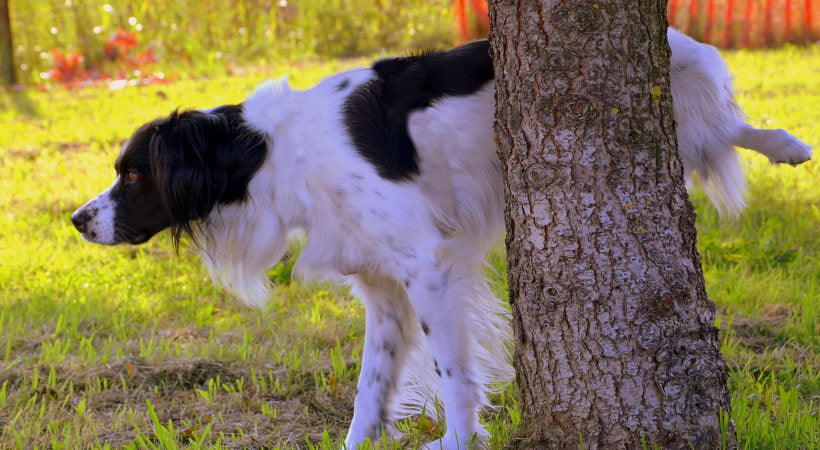
Credit: walkinpets.com
Common Symptoms
Recognizing the common symptoms of a bladder infection in your dog is crucial for timely treatment. These signs often show up in everyday behavior and bodily functions. Paying close attention to these changes can help you act quickly and prevent complications.
Frequent Urination
If your dog suddenly needs to go outside more often, it could be a sign of a bladder infection. Unlike usual bathroom breaks, these trips might be shorter but more frequent. Have you noticed your dog pacing by the door or asking to go out multiple times within an hour?
Straining To Urinate
Your dog may struggle or appear uncomfortable while urinating. This might look like your dog squatting for a long time or trying repeatedly with little output. Such behavior can indicate irritation or inflammation in the bladder, which needs your attention.
Blood In Urine
Seeing blood in your dog’s urine is alarming and almost always a sign of infection or injury. The urine may appear pink, red, or have small blood clots. If you notice this, it’s important to contact your vet immediately because this symptom points to a serious issue.
Accidents Inside The House
Even well-trained dogs may start having accidents when their bladder is irritated. This can happen because they feel the constant urge to urinate or experience pain that makes holding it difficult. Has your dog been losing control indoors despite previous house training?

Credit: pupford.com
Behavioral Changes
Behavioral changes often reveal a dog’s discomfort from a bladder infection. Dogs cannot tell us when they feel pain or irritation. Observing changes in their daily habits helps detect health issues early. Watch for unusual actions linked to their urinary habits and mood.
Increased Licking Of Genital Area
One common sign is frequent licking of the genital area. Dogs lick more to soothe irritation or pain. This behavior stands out when it happens more than usual. Excessive licking can cause redness or swelling, signaling a problem.
Signs Of Discomfort Or Pain
Dogs with bladder infections often show signs of pain. They may whine or whimper during urination. Some dogs squat longer or strain to urinate. Others may lick their belly or seem restless. These signs suggest discomfort needing attention.
Lethargy And Irritability
Infection can make dogs tired and less active. A dog may sleep more and avoid playtime. Irritability is another sign; a dog may snap or growl unexpectedly. These mood changes show the dog is not feeling well.
Physical Indicators
Physical indicators reveal much about your dog’s health. They help you detect a bladder infection early. Changes in how your dog looks or behaves often signal a problem. Pay attention to their urine, body temperature, and eating habits. These signs can guide you to seek timely veterinary care.
Foul-smelling Urine
Normal dog urine has a mild smell. A strong, unpleasant odor may indicate infection. The urine might also look cloudy or contain blood. These changes happen because bacteria irritate the bladder. Notice if your dog strains or seems uncomfortable while urinating.
Fever And Vomiting
Fever often accompanies bladder infections. Your dog might feel warmer than usual. Vomiting can occur as the body tries to fight infection. These signs suggest the infection may be spreading. Check your dog’s temperature with a pet thermometer for accuracy.
Changes In Appetite
Infections can cause loss of appetite in dogs. Your dog may eat less or refuse food completely. This change happens due to discomfort or fever. A sudden drop in eating habits should not be ignored. Watch for other symptoms alongside appetite changes for better insight.
Risk Factors
Recognizing the risk factors for a dog’s bladder infection can help you take early action. Understanding what makes your dog more vulnerable allows you to watch for signs closely. You might already be overlooking simple details that increase the chances of infection.
Age And Breed Susceptibility
Older dogs tend to have weaker immune systems, making them more prone to infections, including bladder infections. Certain breeds like Dalmatians and Miniature Schnauzers have a higher risk due to genetic predispositions affecting their urinary tract health.
Does your dog belong to a breed known for urinary issues? Keeping this in mind helps you stay alert and seek timely veterinary advice.
Previous Urinary Issues
If your dog has had bladder infections or urinary tract problems before, the risk of recurrence rises significantly. Scar tissue or inflammation from past infections can make the bladder more susceptible to new infections.
Have you noticed your dog frequently licking its private area or having accidents indoors? These could be signs linked to ongoing urinary troubles that need immediate attention.
Hygiene And Diet
Maintaining good hygiene is crucial to prevent bacterial buildup that can lead to infections. Regular cleaning of your dog’s bedding and living area reduces exposure to harmful germs.
Diet also plays a key role. Feeding your dog a balanced diet with proper hydration supports urinary tract health and helps flush out bacteria. Have you checked if your dog’s water intake is adequate throughout the day?
When To See A Vet
Knowing when to take your dog to the vet for a bladder infection is very important. Early care can stop the infection from getting worse. Watch your dog’s behavior and health closely. Some signs need quick attention. Other symptoms require a professional checkup to confirm the issue. Timely vet visits can make treatment easier and faster.
Urgent Signs
Seek immediate veterinary care if your dog shows these signs:
- Struggling to urinate or unable to urinate
- Blood in urine
- Excessive whining or pain while urinating
- Sudden lethargy or weakness
- Repeated vomiting or loss of appetite
These symptoms suggest serious problems that need quick treatment.
Diagnostic Tests
The vet will perform tests to confirm a bladder infection. Common tests include:
- Urinalysis to check urine for bacteria and blood
- Urine culture to identify the exact bacteria
- Blood tests to assess overall health
- Imaging like X-rays or ultrasound to view the bladder
These tests help the vet decide the best treatment plan.
Treatment Options
Treatment depends on the infection’s severity and cause. Options include:
- Antibiotics to fight bacterial infection
- Pain relief medications for comfort
- Increased water intake to flush the bladder
- Follow-up visits to check healing progress
Proper treatment helps your dog recover quickly and avoid complications.
Preventive Measures
Preventing a bladder infection in your dog is easier when you focus on a few key habits. These small changes can make a big difference in keeping your furry friend healthy and comfortable. Let’s look at some practical ways you can reduce the risk of infection.
Hydration Tips
Keeping your dog well-hydrated helps flush out bacteria from the urinary tract. Always provide fresh, clean water and encourage your dog to drink regularly throughout the day.
If your dog is picky about water, try adding a splash of low-sodium broth to make it more appealing. Have you noticed your dog drinking less on hot days? That’s the perfect time to offer extra water breaks.
Regular Bathroom Breaks
Holding urine for too long can allow bacteria to grow, increasing infection risk. Make sure your dog has frequent opportunities to relieve themselves, especially if they spend a lot of time indoors.
Dogs often try to hide discomfort, so watch for signs like sniffing or circling, which might mean they need to go. Could adjusting your schedule to add more bathroom breaks improve your dog’s health?
Dietary Considerations
What your dog eats can impact their urinary tract health. Foods rich in antioxidants and low in artificial additives support a strong immune system.
Adding natural supplements like cranberry extract can help maintain a healthy bladder environment. Have you checked if your dog’s diet is balanced enough to protect against infections?

Credit: maven.pet
Frequently Asked Questions
What Are Signs Of A Dog’s Bladder Infection?
Common signs include frequent urination, accidents in the house, and straining to urinate. You might notice blood in the urine or a strong odor. Your dog may also exhibit signs of discomfort, such as whining or licking the urinary opening.
Consult a veterinarian for an accurate diagnosis and treatment.
How Do Vets Diagnose Bladder Infections In Dogs?
Vets diagnose bladder infections through a physical exam and urine analysis. They may perform additional tests, like urine culture, to identify bacteria. An ultrasound or X-ray might be used for further investigation. Accurate diagnosis ensures appropriate treatment, improving your dog’s health and comfort.
Can A Bladder Infection In Dogs Go Away On Its Own?
Bladder infections rarely resolve without treatment and can worsen over time. Untreated infections may lead to complications like kidney infections or stones. It’s crucial to consult a veterinarian for proper diagnosis and treatment. Early intervention ensures your dog’s quick recovery and prevents further health issues.
What Causes Bladder Infections In Dogs?
Bladder infections are often caused by bacteria entering the urinary tract. Other factors include bladder stones, diabetes, or weakened immune systems. Some dogs may be more prone due to their anatomy. Regular vet check-ups and maintaining good hygiene can help prevent infections.
Conclusion
Knowing the signs of a bladder infection helps your dog stay healthy. Watch for changes in bathroom habits or discomfort. Early care can prevent serious problems. Take your dog to the vet if symptoms appear. A quick visit can save pain and trouble.
Keep your dog’s water fresh and clean. Healthy habits support a strong, happy pet. Stay alert and act fast for your dog’s well-being.

Emily Barker is the founder of ChillDogLife.com, a space dedicated to helping pup parents discover the best dog products, lifestyle tips, and cozy ideas for happier homes.
A lifelong dog lover, Emily combines her passion for pets with a knack for research to share trusted recommendations on everything from toys and furniture to health and everyday care.
Her goal is simple: to make life easier, stylish, and more joyful for dogs and the people who love them.




